
Cult Cinema
The Celluloid Philosopher's Stone: Unlocking Cult Cinema's Enduring Magic and Maverick Spirit
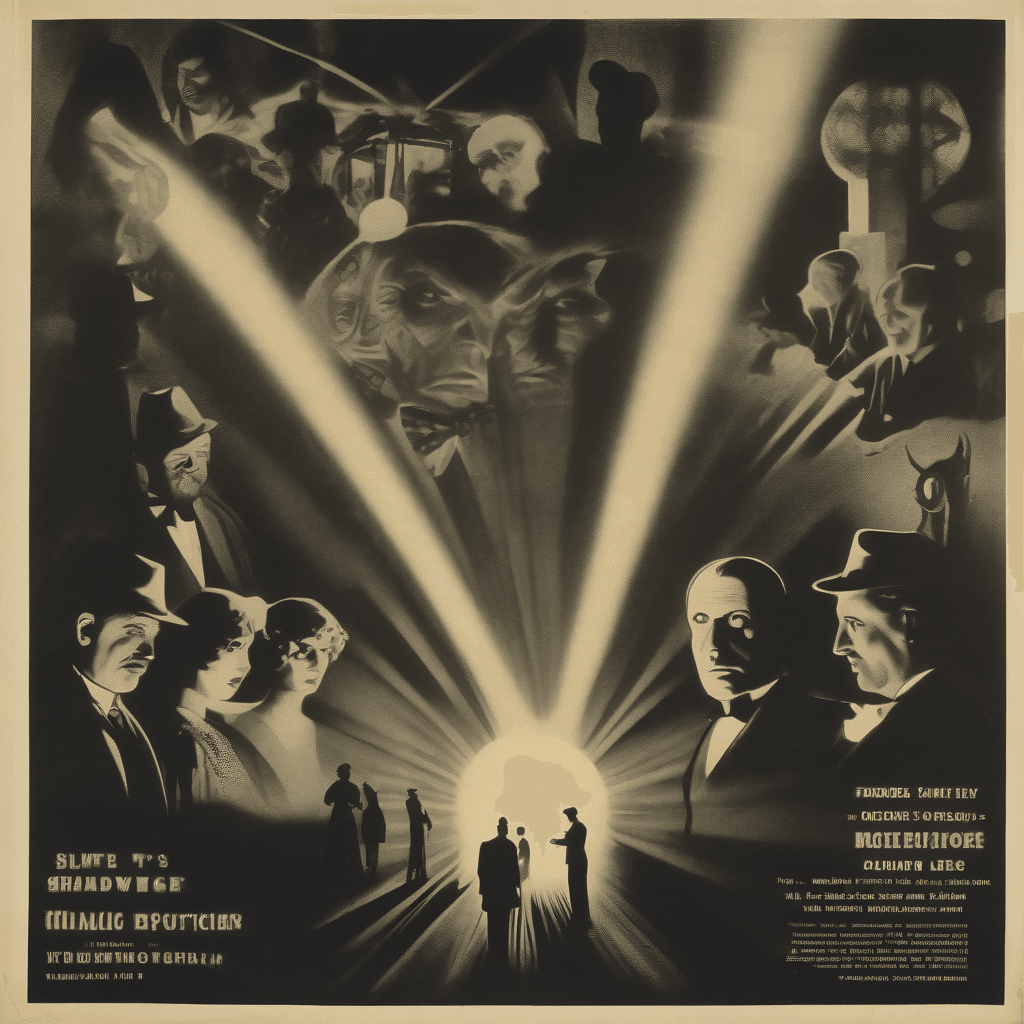
“Dive into the enigmatic world of cult cinema, exploring how unconventional narratives and forgotten gems from the earliest days of film have shaped a unique cinematic culture of enduring obsession and communal reverence.”
Cult cinema, a realm often whispered about in hushed tones and celebrated with fervent passion, exists beyond the mainstream's fleeting gaze. It's a universe where films once dismissed, misunderstood, or simply too avant-garde for their time, find their true calling and devoted congregations. These aren't just movies; they are experiences, rites of passage, and often, profound reflections of our collective subconscious desires and anxieties. But where did this phenomenon begin? Was it born in the midnight screenings of the 70s, or do its roots stretch back further, entwined with the very genesis of cinema itself? By exploring the thematic echoes and narrative audacity of early films, we uncover the 'philosopher's stone' of cult cinema – the alchemical process that transforms mere celluloid into enduring cultural magic, driven by a maverick spirit that has always challenged convention.
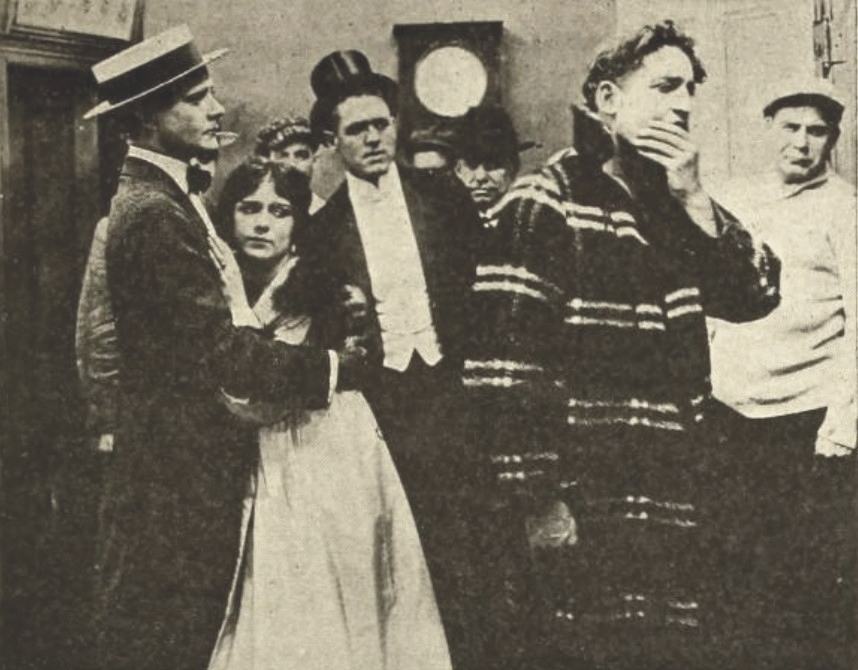
The Genesis of the Unconventional: Finding the Maverick Pulse in Early Cinema
Before the term 'cult film' even existed, the seeds of unconventional storytelling and niche appeal were being sown. Early cinema, often experimental and unburdened by rigid genre expectations, frequently stumbled upon narrative structures and thematic explorations that would later define the cult aesthetic. These were films that, for various reasons, stood apart: perhaps due to their provocative subject matter, their unique visual style, or simply their sheer, unadulterated weirdness. They didn't necessarily aim for cult status, but their inherent deviance from the norm made them ripe for future re-evaluation.
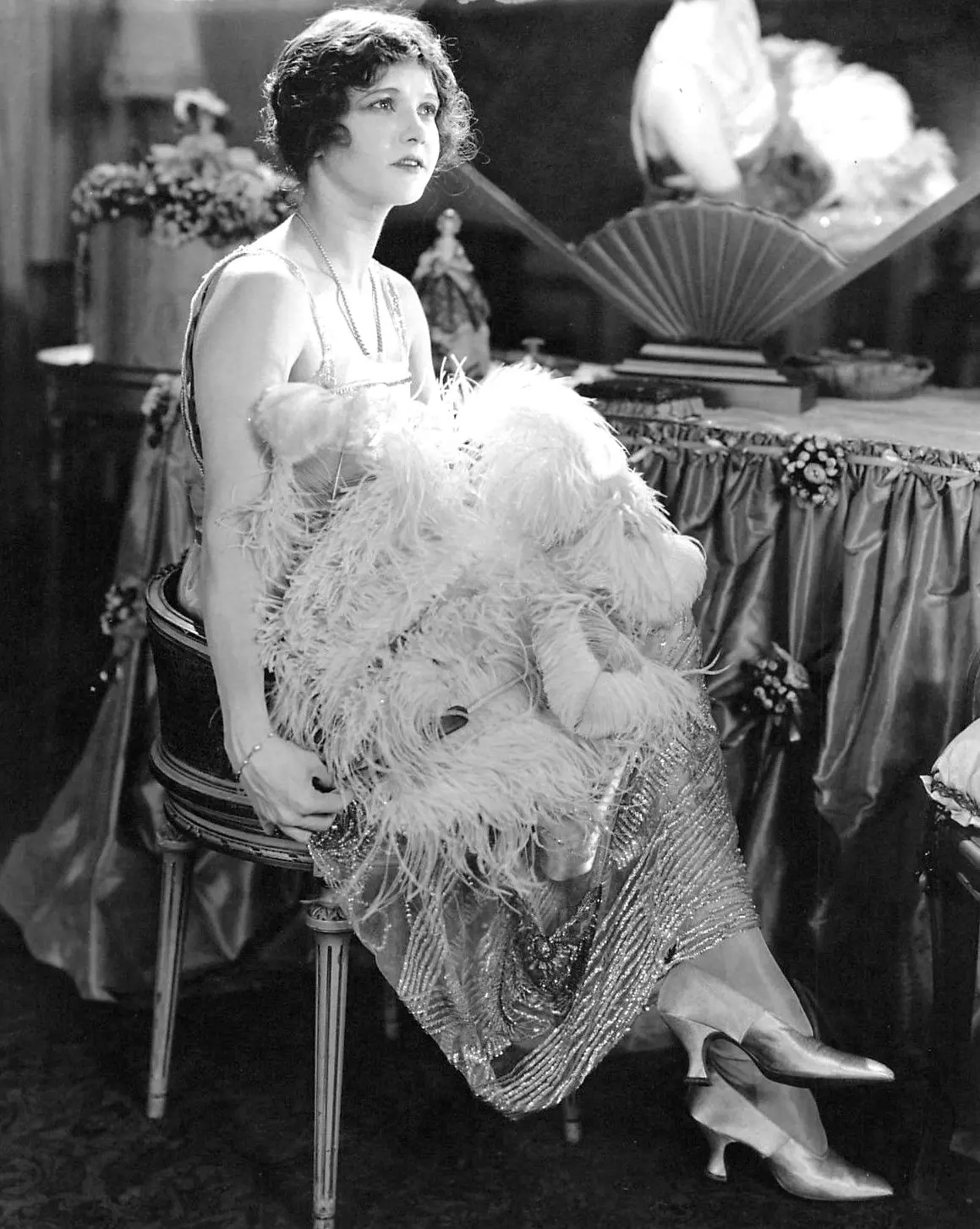
Consider the silent era's often melodramatic narratives, which, when viewed through a modern lens, can take on a surreal, almost camp quality. Films like Unto Those Who Sin or The Branded Woman, with their heightened emotional stakes and stark moral dilemmas, might have been serious dramas in their day, but their theatricality and directness resonate with the exaggerated performances and dramatic irony often celebrated in later cult classics. The struggle against societal judgment and the exploration of 'forbidden' pasts, as seen in these early narratives, prefigure the transgressive themes that cult audiences often embrace. They presented characters grappling with complex ethical choices, pushing boundaries in a nascent art form.

Narrative Alchemy: Transforming Taboo and Trauma into Timeless Allure
A defining characteristic of many cult films is their fearless engagement with taboo subjects, moral ambiguity, or psychological depth that mainstream cinema often shies away from. Even in the relatively conservative early 20th century, filmmakers found ways to explore the darker corners of the human experience. Love and Hate and The Mystery of Room 13, for instance, delve into themes of deceit, betrayal, and crime, presenting intricate plots that challenge the audience to question appearances and motivations. These narratives, while perhaps intended as suspenseful dramas, possess a certain intensity and willingness to explore moral murkiness that aligns with the cult sensibility of confronting uncomfortable truths.
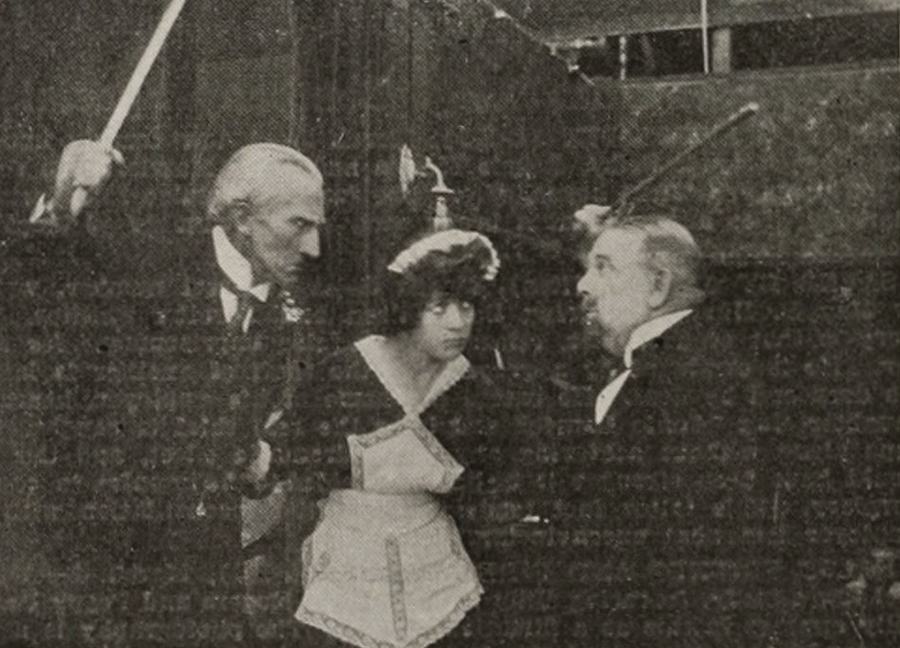
The internal struggles and societal pressures depicted in films like Sodoms Ende or Should a Woman Tell? speak to universal anxieties about reputation, identity, and the consequences of past actions. Such stories, which might have been controversial or deeply moving in their initial release, offer a rich tapestry for reinterpretation. Cult audiences often find power in narratives that dissect societal hypocrisy or reveal the raw, unfiltered aspects of human nature, making these early dramatic explorations surprisingly resonant. The way these films tackled complex human relationships, be it the familial dynamics in The Chosen Prince, or the Friendship of David and Jonathan or the romantic entanglements in Soul Mates, laid groundwork for character-driven narratives that defy easy categorization.
The Unsung Aesthetics: Visual Language and Experimental Edges
Beyond narrative, the visual language and aesthetic choices of early cinema also contained elements that would later be celebrated by cult followings. The expressionistic lighting, exaggerated set designs, and innovative camera work of the silent era created a dreamlike, often unsettling atmosphere. While not all early films were overtly experimental, many pushed the boundaries of visual storytelling in ways that still captivate. Consider the documentary series Kino-pravda no. 4 by Dziga Vertov, Elizaveta Svilova, and Mikhail Kaufman. This is a clear outlier, a direct challenge to conventional narrative, prioritizing raw, unvarnished reality over fictional constructs. Its radical approach to filmmaking, its commitment to capturing 'life unawares,' is precisely the kind of subversive vision that cult audiences champion.
Even within more conventional genres, visual flair could set a film apart. The sweeping landscapes of a Western like The Sagebrusher or the intricate staging of a historical drama like En lyckoriddare might possess a grandeur or a unique stylistic signature that resonates with viewers seeking something beyond the ordinary. The visual storytelling, often necessitated by the lack of synchronized sound, fostered a reliance on symbolism, body language, and mise-en-scène that could be incredibly potent and, at times, delightfully bizarre. This emphasis on visual spectacle and narrative economy, as seen in shorter comedies like My Mistake or Home Blues, often results in a heightened reality that is a hallmark of cult appeal.

The Outliers and Oddities: Films Ahead of Their Time
Many films that achieve cult status were initially misunderstood, ahead of their time, or simply too niche for mass consumption. This pattern can be traced back to the early days of cinema. Some films, despite their best intentions, might have possessed an accidental strangeness or a unique sensibility that only a select few appreciated at the time. Over decades, as cultural tastes evolve and new generations discover older works, these 'outliers' often find their rightful place in the pantheon of the peculiar.

For example, the dramatic intricacies of A Splendid Hazard, with its protagonist obsessed with Napoleonic lineage, might have been seen as merely eccentric. But such intense, almost singular character fixations are catnip for cult audiences who delight in the obsessive and the unusual. Similarly, adventure tales like Tangled Trails or The Masked Avenger, while genre fare, could feature idiosyncratic heroes, villains, or plot twists that elevate them beyond standard pulp. Their unique interpretations of genre tropes, their willingness to embrace the fantastical or the overtly dramatic, are qualities that foster enduring fascination.
The Power of Performance: Unforgettable Characters and Unconventional Portrayals
The magnetic power of certain performances is another crucial ingredient in the cult recipe. Early cinema, with its emphasis on physical acting and exaggerated expressions, produced many memorable characters. An actor's ability to convey complex emotions or embody a truly unique persona, even within a silent framework, could leave an indelible mark. The dashing rogue of En lyckoriddare or the determined protagonist in The Kid might not have been 'cult figures' in their era, but their distinct personalities and dramatic arcs contain the raw material for such devotion.
Even comedic performances, as seen in shorts like Duck Inn or Rubes and Romance, could exhibit a particular brand of humor or physical comedy that appealed to a specific sensibility. The slapstick, the situational irony, or the subversion of domestic norms in films like Glass Houses or Three Men and a Girl, if executed with enough flair and distinctiveness, would naturally attract a segment of the audience seeking something a bit off-kilter. This early embrace of character archetypes and exaggerated realities laid the groundwork for the larger-than-life figures and memorable lines that define so many cult classics.
From Obscurity to Oracle: The Ritual of Rediscovery
The journey from obscurity to cult adoration is often a long and winding one, requiring rediscovery and re-evaluation by successive generations. Many early films, once released, faded from public consciousness, only to be unearthed by film historians, enthusiasts, or midnight movie programmers. This act of discovery, of shining a light on forgotten or overlooked works, is central to the cult experience. It transforms a mere film into an 'oracle,' speaking new truths to contemporary audiences.
Imagine a contemporary audience encountering the social critiques embedded in films like The Profiteers or the psychological drama of On Trial. While their original contexts were specific, the underlying themes of corruption, justice, and human fallibility remain timeless. These films, previously lost to the archives, offer a unique window into the past while simultaneously reflecting on present-day concerns. The communal aspect of cult cinema often begins with this shared act of discovery, where a small group champions a film, leading to its gradual ascent into a wider, albeit still niche, consciousness.
The Enduring Allure of the Imperfect and the Independent
Cult films often celebrate imperfection, low budgets, and independent spirit. Many early films, especially those produced outside the burgeoning studio system, fit this mold naturally. They were often made with limited resources, driven by singular visions, and sometimes exhibited a raw, unpolished quality that later generations would come to cherish. The very 'roughness' or unconventional choices, which might have been seen as flaws in a mainstream context, become part of their charm and authenticity for cult viewers.
Films like The Scuttlers, with its investigation into insurance fraud, or The Home Stretch, a drama centered on a horse race, might not immediately scream 'cult.' However, their unique narrative hooks, their focus on specific subcultures or industries, and their potentially idiosyncratic storytelling approaches make them candidates for re-appraisal. The passionate fan base of cult cinema thrives on these distinctive qualities, finding beauty in the unconventional and meaning in the marginalized. This appreciation for the underdog, the film that dared to be different, is a core tenet of cult devotion.
The Communal Catharsis: Why We Gather for the Unruly Visions
Ultimately, cult cinema is not just about the films themselves, but about the communities they foster. It's about the shared experience, the repeated viewings, the inside jokes, and the collective interpretation of narratives that defy easy understanding. This communal catharsis, where individuals find belonging through shared appreciation of the 'other,' is a powerful force. Even in the silent era, audiences gathered, projecting their own interpretations onto the flickering images, creating an early form of collective engagement.
The enduring appeal of films like The Magic Skin, with its aristocratic musicians oblivious to poverty, or the intricate web of mistaken identities in Ashes of Embers, lies in their ability to provoke thought, spark discussion, and create a sense of shared discovery. These narratives, whether overtly strange or subtly subversive, invite active participation from their audience. They demand engagement, rewarding those who delve deeper into their layers of meaning, much like a philosopher's stone promises transformation to those who seek it.
From the dramatic intensity of La muerte civil to the comedic antics of Luffar-Petter, the films of early cinema, despite their age, offer a treasure trove of narrative and aesthetic elements that resonate with the spirit of cult cinema. They remind us that the desire for the unconventional, the joy of rediscovery, and the power of shared obsession are not new phenomena, but inherent aspects of our cinematic journey. The 'celluloid philosopher's stone' was always there, waiting for us to unlock its magic, transforming forgotten reels into cherished, enduring masterpieces for generations of devotees.
Community
Comments
Log in to comment.
Loading comments…