
Cult Cinema Deep Dive
The Celluloid Rhizome: Tracing the Interconnected Roots of Cult Cinema's Rebel Heart

“A rhizome, an underground stem that sends out roots and shoots, perfectly encapsulates the sprawling, often hidden, and deeply connected nature of cult cinema. This article delves into the enduring mystique of cult films, exploring their unconventional origins, subversive themes, and the passionate …”
In the vast, ever-expanding garden of cinema, certain films defy easy categorization. They are not necessarily box-office titans or critical darlings upon release, yet they bloom in the dark, nurtured by fervent, often niche, audiences. These are the cult films, cinematic outliers that, like a rhizome, spread their roots unseen, intertwining through cultural landscapes, sending up shoots of enduring influence and passionate devotion. What is it about these subversive films, these cinematic outcasts, that enables them to cast an unbroken spell, fostering a sense of belonging and shared understanding among their devoted followers?

Cult cinema is less a genre and more a phenomenon of reception – a collective embrace of the strange, the challenging, the misunderstood. It's a testament to the power of film to resonate deeply, often with those on the fringes, offering narratives that reflect alternative realities, question societal norms, or simply provide an escape into the gloriously absurd. From the earliest days of flickering images, the seeds of this cinematic rebellion were being sown, long before the term 'cult film' entered our lexicon.
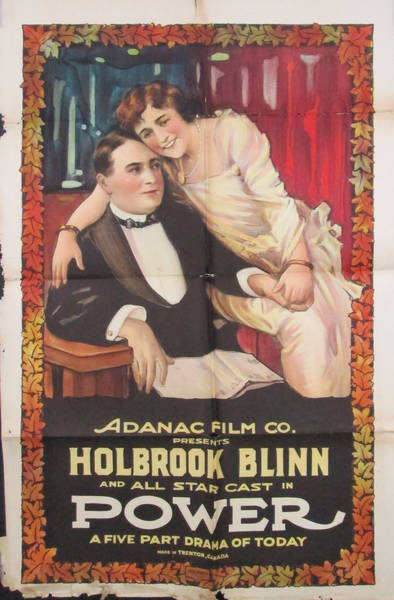
The Silent Whispers of Subversion: Early Cinema's Maverick Sparks
Long before midnight screenings became a cultural touchstone, early cinema, particularly the silent era, harbored narratives that, while perhaps not consciously subversive, often explored themes that pushed societal boundaries or depicted characters navigating complex, unconventional lives. These were the proto-cult films, existing in a nascent film industry still defining its own rules, allowing for a certain narrative anarchy that would later be embraced by cult audiences.

Consider films like The Bronze Bride, which, in its time, dared to explore an interracial marriage and the societal disapproval it faced. Such a narrative, even if presented through the lens of melodrama, touched upon themes of social taboos and cultural clashes that could resonate deeply with specific audiences, perhaps those who felt marginalized themselves. Similarly, The Girl from the Marsh Croft, with its story of a single mother facing ostracization, presented a stark and challenging look at moral judgment and resilience. These films, far from being mainstream blockbusters, presented a more raw, sometimes uncomfortable, reflection of human experience, laying groundwork for the kind of emotional resonance that fuels cult followings.

The moral dilemmas explored in melodramas were particularly fertile ground. Yes or No, for instance, examined marital fidelity and temptation, while What Do Men Want? delved into restless desires and the pursuit of happiness beyond conventional structures. Such explorations of human frailty and societal pressure, when presented with a unique directorial vision or an unconventional narrative twist, can strike a chord with viewers seeking more complex or less sanitized portrayals of life.

Even in early genre efforts, we find glimmers of the unconventional storytelling that cult cinema cherishes. While largely lost, the very title Dracula's Death suggests an early foray into horror, a genre that would become a cornerstone of cult fandom. The westerns and crime dramas of the era, such as Wolves of the Rail or Help! Help! Police!, often featured anti-heroes, moral ambiguities, and genre subversion that, over time, would find a devoted audience appreciating their departure from formulaic narratives. The very act of seeking out these early, often forgotten gems, and finding contemporary relevance in their themes, is an act of cult appreciation.

The Magnetic Allure: Crafting Identity and Community Through Film
What transforms a mere film into a cult phenomenon? It's often an unspoken pact between the film and its audience, a secret handshake that transcends mainstream appeal. Cult films frequently offer a mirror to those who feel like outsiders, providing narratives and characters that validate their experiences or offer a fantasy realm where they belong. This sense of belonging is paramount, fostering niche fandoms that are fiercely loyal and deeply engaged.
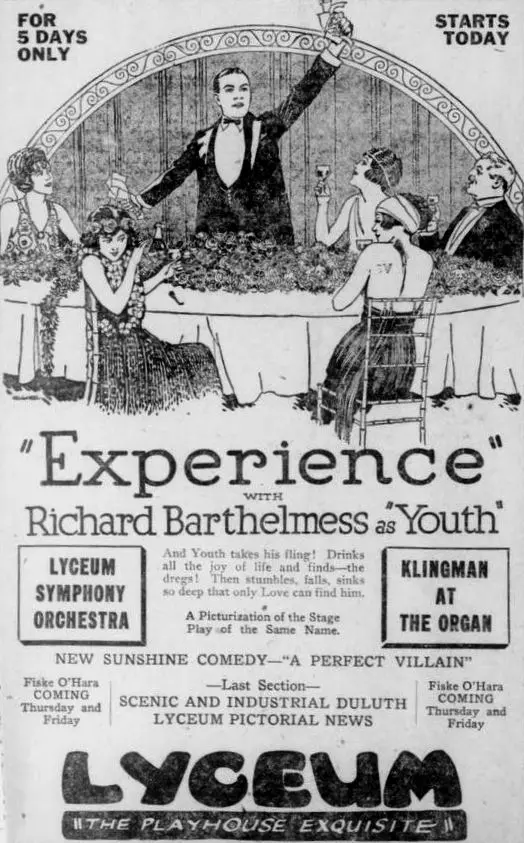
Many films that later achieved cult status were initially misunderstood, overlooked, or even critically panned. Their true value was recognized through a process of re-appraisal and re-discovery, often years or decades after their initial release. Think of films that, like a diamond in the rough, needed time to shed their obscurity. The raw honesty of a film like A Woman Alone, depicting a young girl's struggles and isolation, or Youth to Youth, exploring ambition and societal judgment, might not have been appreciated by mass audiences but could deeply resonate with individuals feeling similar pressures.

The rejection of polished Hollywood norms is another key characteristic. Cult films often favor a distinct, sometimes rough-around-the-edges, aesthetic or narrative style. They prioritize unique vision over commercial viability, allowing for a more authentic and uncompromised expression. This is evident even in early animated shorts like Kats Is Kats or Modeling, which, in their whimsical absurdity, defied conventional cinematic grammar, hinting at a desire for pure, unadulterated artistic expression that would later define much of underground cinema.

The Transgressive Thread: Challenging and Redefining Norms
At the heart of many cult films lies a transgressive spirit. They are not content to merely entertain; they provoke, disturb, and question. This can manifest in various ways: challenging moral conventions, pushing aesthetic boundaries, or simply refusing to conform to typical storytelling arcs. Even in the early 20th century, filmmakers were testing these waters, perhaps unknowingly laying the groundwork for later counter-cultural cinematic movements.
Films that dared to touch upon sensitive social issues or depict unconventional characters often found themselves outside the mainstream. The Married Flapper, for example, with its portrayal of a woman pushing against marital expectations, or Strictly Confidential, hinting at scandalous family secrets, were early instances of cinema reflecting, and perhaps subtly critiquing, the societal anxieties of their time. These films, by their very subject matter, appealed to a segment of the audience seeking narratives that acknowledged the complexities and hidden desires of human existence, rather than simplistic morality tales.
The rebel heart of cult cinema beats strongest when it confronts established norms. Whether it's the overt political commentary found in a film like The German Curse in Russia (even if its propaganda nature makes it a different kind of 'cult'), or the exploration of personal liberty hinted at by The Breath of a Nation in its Prohibition-era context, these films offer a glimpse into a world where rules are bent or broken. The sheer audacity of these narratives, even if subtle by today's standards, created a unique space for films that were willing to be different.
From Midnight Screenings to Digital Fandoms: The Evolution of Cult Worship
While the classic 'midnight movie' era of the 1970s and 80s cemented the idea of communal viewing for unconventional films, the spirit of seeking out the strange and wonderful has always existed. Even in the early days, audiences gravitated towards films that offered something beyond the ordinary, whether it was the visual spectacle of The Land of the Rising Sun or the dramatic intensity of Mrs. Balfame. The shared experience of discovering and appreciating these cinematic outliers is a core component of cult film culture.
The journey of a cult film from obscurity to icon status is often a long and winding one. It might begin with a small but passionate group of enthusiasts, exchanging VHS tapes or attending revival screenings, and then explode into wider consciousness through new media. Today, streaming platforms and online communities have democratized this process, allowing films like Ima Vamp (a meta-comedy about aspiring movie queens) or The Janitor's Harem (an early short comedy) to be re-discovered and re-contextualized by new generations, finding fresh audiences who appreciate their historical quirkiness or unexpected charm.
The enduring allure of cult cinema lies in its ability to defy time and trends. These films often exist outside the critical or commercial mainstream, creating their own ecosystems of appreciation. They are not merely watched; they are studied, quoted, celebrated, and ritualized. This active engagement transforms passive viewing into an immersive experience, forging bonds among disparate individuals who share a common, often idiosyncratic, taste.
The Unbroken Spell: Cult Cinema's Enduring Legacy
The celluloid rhizome of cult cinema continues to grow, its roots delving deeper into our collective consciousness. It's a testament to the power of art that defies easy classification, that speaks to the individual spirit while simultaneously forging a collective identity. From the early, often naive, explorations of social dynamics and human desires in films like Old Dad, The Little Orphan, or Her Kingdom of Dreams, to later, more overtly transgressive works, cult cinema has always been about finding meaning and connection in the unconventional.
It is a space where the marginalized find a voice, where the absurd is celebrated, and where cinematic experimentation is revered. The films that become cult classics are rarely those designed for universal appeal; rather, they are often idiosyncratic visions that, by their very specificity, strike a profound chord with a devoted few. This cinematic phenomenon reminds us that the true power of film isn't always measured in box office receipts or critical accolades, but in its ability to create a lasting impact, to foster communities, and to become an integral part of an individual's identity.
As we continue to navigate an increasingly fragmented media landscape, the search for authentic, resonant experiences only intensifies. Cult cinema, with its rich history of challenging norms and embracing the unique, offers an inexhaustible wellspring for those seeking films that dare to be different. It's an ongoing, shared adventure, a continuous act of discovery, ensuring that the rebel heart of cinema will keep beating for generations to come, forever sending out new shoots from its deep, interconnected roots.
Community
Comments
Log in to comment.
Loading comments…