
Cult Cinema
The Celluloid Undercurrent: How the Silent Era’s Genre Deviants Invented the Midnight Mindset
“Explore the transgressive roots of cult cinema through the forgotten masterpieces of the early 20th century, where divine comedy, social outcasts, and visual rebellion first took hold.”
To understand the modern midnight movie, one must look past the neon-soaked aisles of the 1980s and the grindhouse grit of the 1970s. The true genetic material of cult cinema—that elusive, defiant spirit that prioritizes obsession over mass appeal—was forged in the flickering shadows of the silent era. Long before The Rocky Horror Picture Show or Eraserhead, early filmmakers were already experimenting with narrative anarchy, moral ambiguity, and visual surrealism. These films, often dismissed as mere relics, contain the blueprints for every subculture-defining masterpiece that followed. They are the 'genre deviants' that refused to play by the rules of burgeoning Hollywood commercialism.
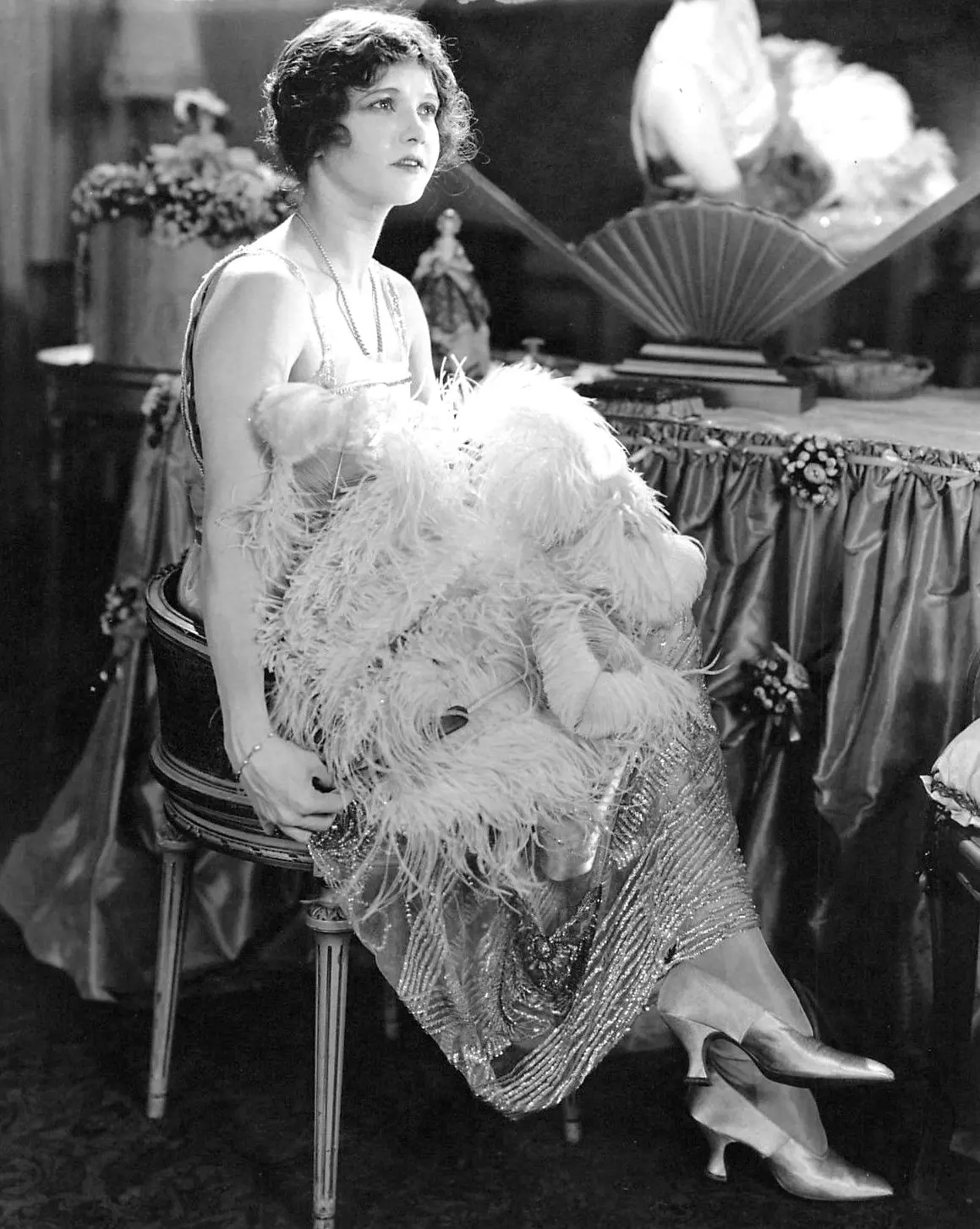
The Divine Absurdist: Heaven, Hell, and the Cosmic Joke
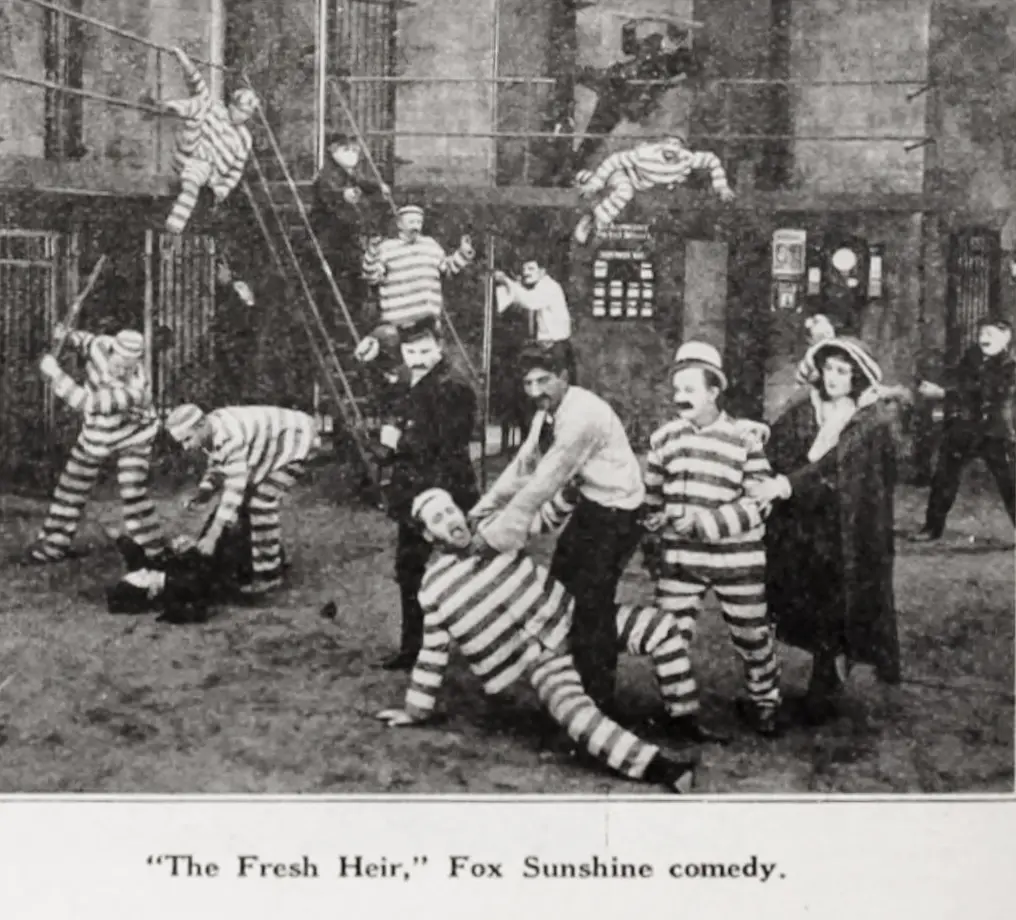
One of the defining characteristics of cult cinema is its willingness to treat the sacred with a sense of profound irony or surrealist detachment. We see this early on in the 1920 short The Fresh Heir. In a plot that feels like a precursor to the dark comedies of the Coen brothers, a swindler attempts to talk his way into heaven, only to be physically hurled back to earth by an archangel. The punchline—that his 'real home' is actually in jail—subverts the traditional Victorian morality play. This isn't a story of repentance; it’s a story of systemic rejection, a theme that resonates deeply with the cult audience’s sense of being an outsider. The inclusion of a dog as his primary ally further cements the 'man against the world' trope that would become a staple of the genre.
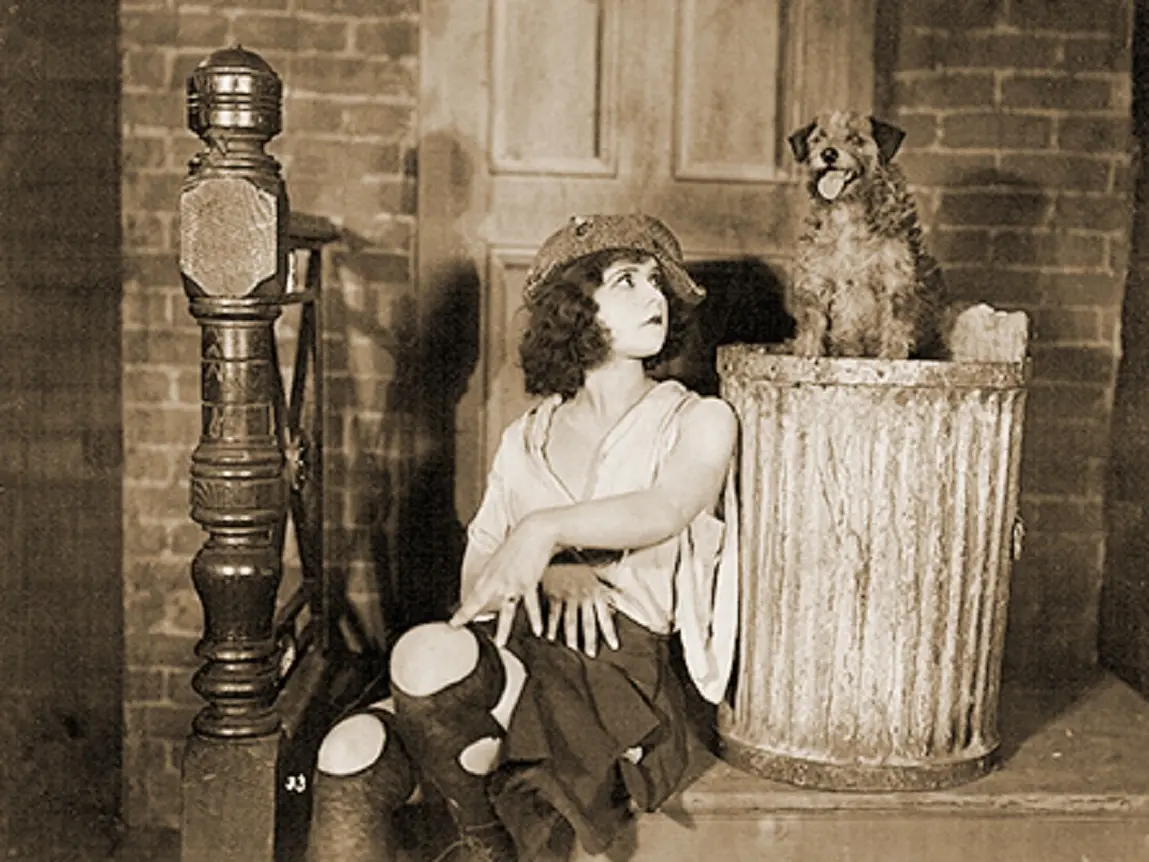
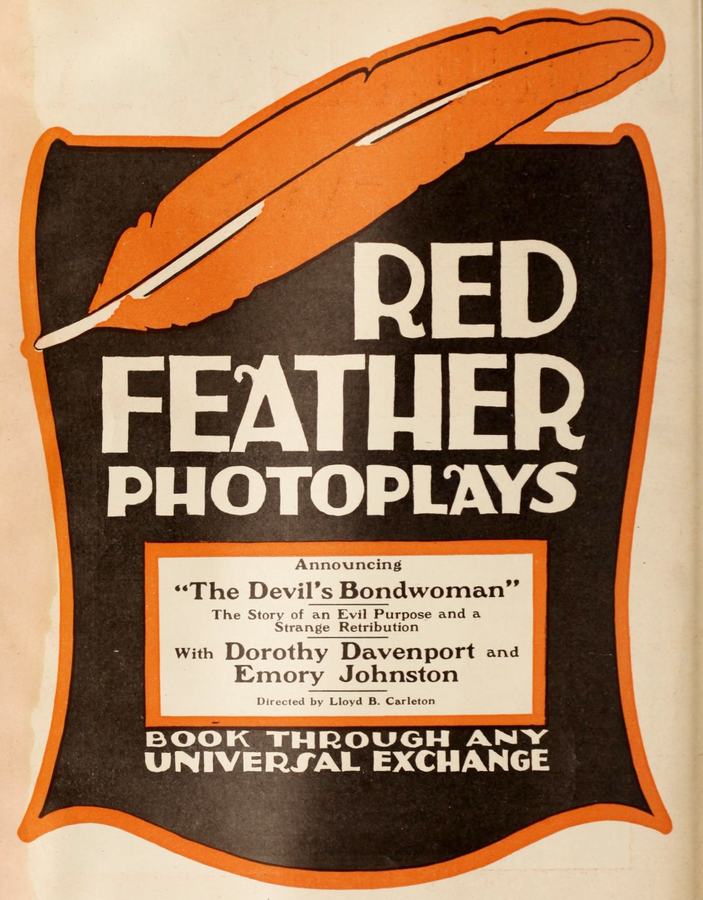
Similarly, The Devil's Bondwoman (1917) offers a proto-horror exploration of creation and damnation. When Satan returns to Hell to find that other spirits have created a mortal of their own, he declares a 'war of the souls.' This kind of mythological experimentation, which blends the supernatural with the satirical, pre-coded the genre-bending tendencies of later cult icons. It moves away from the safe, grounded dramas of the time and into a space of cosmic rebellion. These films didn't just tell stories; they built idiosyncratic worlds where the rules of reality were secondary to the director's vision.
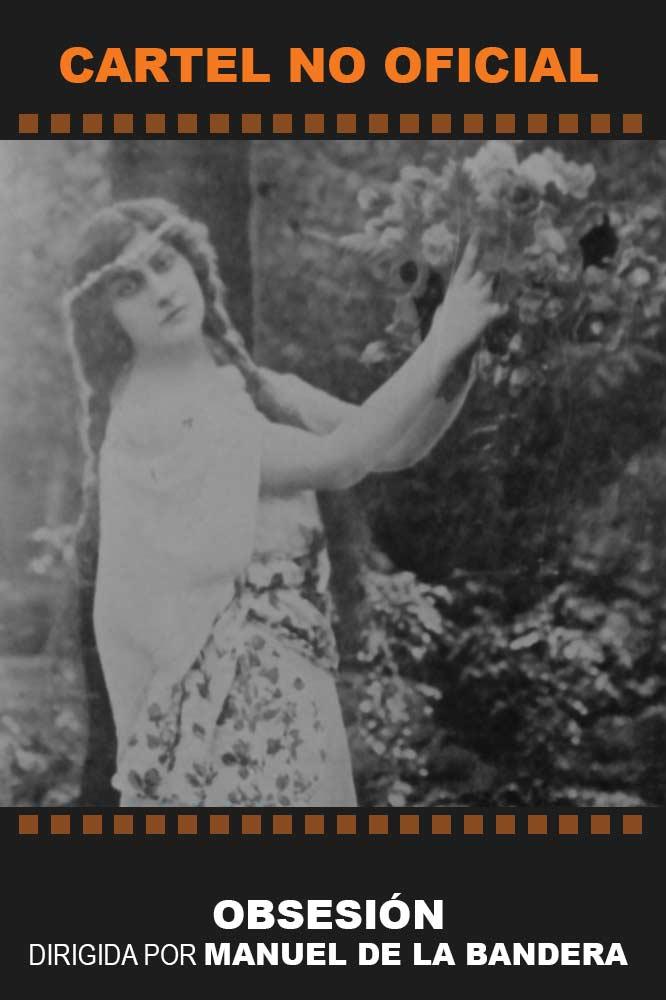
The Body Transgressive: Obsession and the Artist’s Gaze
Cult cinema has always been fascinated by the human form—not just as an object of beauty, but as a site of obsession and transformation. The 1916 Swedish film Vingarne (The Wings) is a landmark in this regard. As an adaptation of Herman Bang’s novel, it delves into the complex relationship between a sculptor and his model. The film’s focus on male friendship, jealousy, and the destructive nature of artistic passion provides a sophisticated look at queer subtext and emotional intensity long before such themes were openly discussed. It is a film of visual poetry that prioritizes the 'gaze' over the plot, a hallmark of the cult aesthetic.
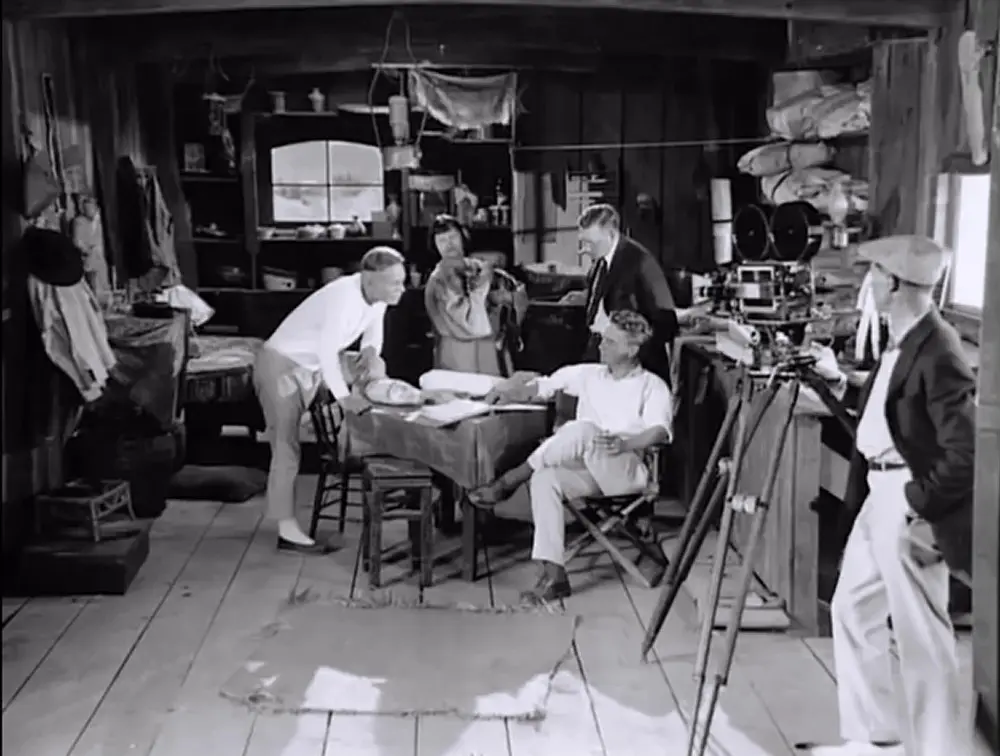
In a similar vein, Heedless Moths (1921) uses the figure of the artist's model to explore social transgression. By having a model attempt to save a marriage by impersonating the wife, the film engages in a masquerade that challenges the era's rigid social roles. This theme of identity fluidity and the 'performance' of self is a direct ancestor to the drag culture and gender-bending performances found in 1970s midnight screenings. These early works understood that the screen was a place to explore the taboos of the flesh and the psyche, often using the world of art as a shield against censorship.
The Architecture of Revenge and the Legend of the Fortress
When we look at the international roots of cult cinema, few films are as striking as the 1922 Georgian masterpiece Suramis tsikhe (The Legend of Surami Fortress). It is a film built on the foundations of folklore, but executed with a grim, fatalistic energy. The narrative of 'love revenge' is not merely a plot point; it is an atmospheric weight that hangs over every frame. Cult cinema often thrives on this sense of unavoidable destiny and ancient, inscrutable laws. The visual language of the fortress—a literal wall built on human sacrifice—serves as a powerful metaphor for the social structures that cult protagonists often find themselves trapped within.
This same sense of fatal discord is present in the Italian drama La nave (1921). Here, a woman’s revenge for her family's ruin leads her to sow discord between two brothers. It is a 'femme fatale' narrative pushed to its operatic extreme. The film’s focus on the destructive power of a single individual’s will mirrors the 'lone wolf' or 'vengeful spirit' archetypes seen in everything from Japanese New Wave to modern psychological thrillers. These films were aesthetic provocations, using historical or legendary settings to explore very modern anxieties about power and betrayal.
The Redemption of the Pariah: Safecrackers and Social Misfits
The 'reformed criminal' is a character type that cult audiences have long embraced, largely because it acknowledges the possibility of grace in the gutter. Slippy McGee (1923) is a fascinating example of this. A safecracker loses his leg during a getaway and is subsequently nursed back to health by a priest and a kind woman. The physical loss of the leg serves as a literal and metaphorical 'severing' from his past life. This focus on physical disability and spiritual rebirth creates a narrative that is both gritty and sentimental—a tonal mix that often defines the cult experience. It asks the audience to root for a man who has been physically and socially broken.
On the other side of the law, The Man Trap (1917) gives us the 'wronged man' trope. A reporter framed by corrupt officials escapes prison to seek vengeance. This narrative of anti-authoritarianism is the heartbeat of cult cinema. Whether it is the corrupt police inspector or the 'Dollar' Holmes of A Lass of the Lumberlands (1916), these films frequently depict the institutions of society as inherently crooked, leaving the protagonist with no choice but to operate outside the law. This 'outlaw' spirit is exactly what draws devotees to these films; they provide a vicarious thrill of rebellion against a rigged system.
Surrealism in the Mundane: The Absurdity of the Everyday
Cult films often find the 'weird' in the ordinary. Take Mr. Billings Spends His Dime (1923), where a clerk falls in love with a woman’s picture on a cigar box. This premise—falling in love with a mass-produced image—is a brilliant commentary on the burgeoning consumer culture and the alienation of the modern worker. It is a surrealist romance that prefigures the obsessive, parasocial relationships that define much of modern digital life. The 'lucky dime' becomes a talisman, a small object imbued with cosmic significance, much like the MacGuffins in the films of David Lynch.
Then there is Such a Little Queen (1921), which brings the fantasy of royalty into the harsh reality of New York City. The image of an exiled queen navigating the streets of Manhattan is inherently 'cult'—it’s a fish-out-of-water story that highlights the absurdity of both the old world and the new. These films suggest that reality is merely a thin veil over a much stranger, more chaotic world. Whether it is a man being tormented by rain in Wet and Weary (1920) or the 'carnival-like' scenes of Hoffmanns Erzählungen (1916) that anticipate modern literary techniques, early cinema was obsessed with the breaking of the rational.
The Legacy of the Forgotten Fringe
Why do we return to these films? Why does a silent drama like The Town That Forgot God (1922) still resonate? It is because these films were the first to understand that the cinema is a place for the unconventional. They didn't always have the massive budgets of the epics, but they had a 'Maverick Spirit.' They were willing to be dark, like the tragic train crash aftermath in East Lynne (1916), or bizarre, like the cartoon tramp in Charley on the Farm (1919). They explored the 'dangerous age' of marriage, the 'spite' of a country girl in New York, and the 'silent sacrifice' of the impoverished.
The midnight mindset is not about when you watch a movie; it is about how you watch it. It is about looking for the subtext, the rebellion, and the raw humanity in the fringes of the frame. The films of the early 20th century, from the dramas of Mary Moreland to the adventures of The Land of the Lost, were the first to plant these seeds. They taught us that the most interesting stories are often the ones that the mainstream tries to forget. As we continue to unearth these 'celluloid pariahs,' we find that they are not just ghosts of the past—they are the living ancestors of every cult phenomenon we cherish today. They remind us that rebellion is timeless, and the flicker of the fringe will never truly go dark.
In conclusion, the history of cult cinema is a history of the marginalized voice. It is found in the 'third eye' of the drama, the 'devil's bondwoman' in the shadows, and the 'fresh heir' falling from grace. By embracing these early genre mutants, we honor the radical DNA that continues to make cinema the most transgressive and transformative art form in existence. The next time you find yourself at a midnight screening, remember that you are part of a century-old tradition of worshipping the unconventional.
Community
Comments
Log in to comment.
Loading comments…