
Cult Cinema
The Cinematic Outlaw’s Grimoire: Decoding the Primal Anarchy and Sacred Subversions of the Silent Underground
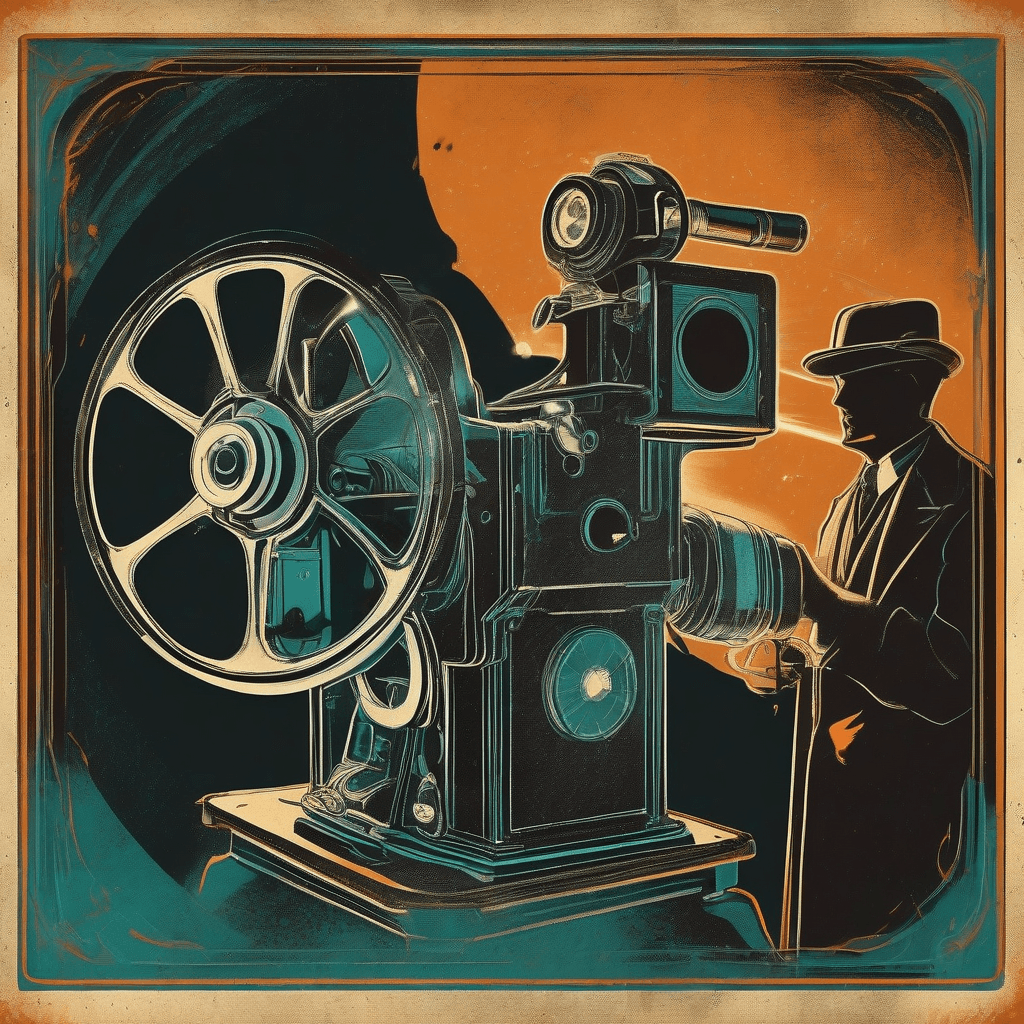
“A deep-dive exploration into how the forgotten anomalies of the silent era, from soul-less resurrections to radio-obsessed detectives, forged the genetic blueprint of modern cult cinema.”
To the uninitiated, cult cinema is often defined by its failures: the campy dialogue, the visible boom mics, or the over-the-top performances that dominate the midnight circuit. But to the devotee, cult cinema is something far more profound—it is a spiritual sanctuary for the misfit, a repository for narratives that refused to conform to the sanitized expectations of the mainstream. While many trace the lineage of the cult film to the transgressive 1970s or the neon-soaked 1980s, the true genetic blueprint of this niche obsession was written much earlier. To understand the modern cult mindset, one must look back to the flickering, silent shadows of the early 1910s and 20s, where the seeds of cinematic rebellion were first sown in the nitrate soil of the fringe.
The Uncanny Valley: Bodies Without Souls
At the heart of any cult obsession lies a fascination with the uncanny—the bridge between the familiar and the grotesque. Perhaps no film captures this primitive unease better than the 1914 anomaly Lola. In this startling narrative, a scientist uses an electric-ray machine to resurrect his daughter after a fatal car crash. However, the machine only restores the flesh, failing to revive the soul. This concept of the "soulless double" predates our modern obsession with artificial intelligence and zombies, establishing a core tenet of cult cinema: the exploration of the hollow human. Lola represents the ultimate cinematic outlier, a film that dares to ask what remains when the essence of humanity is stripped away, leaving only a mechanical, flickering ghost on the screen.
This theme of the fragmented self echoes through other works of the era. Consider The Tiger's Coat, where a servant girl impersonates the deceased daughter of a friend to secure a marriage. Here, identity is a costume, a performance that borders on the pathological. Cult audiences have always been drawn to these stories of social and psychological masquerade. The tension between the authentic and the artificial is a recurring motif that transforms a simple drama into a subversive commentary on the fragility of the social contract.
Technological Terror and the Radio-Age Mythos
Cult cinema often thrives on the intersection of the mundane and the miraculous. During the early 20th century, the rapid advancement of technology provided a fertile ground for stories of brilliant, often warped, minds. The Radio King serves as a foundational text for the "mad scientist" archetype that would later dominate B-movie history. The conflict between a master detective and a brilliant inventor seeking to overthrow society via radio waves reflects a deep-seated cultural anxiety about the invisible forces of the modern world. This obsession with the invisible is further explored in the short Broadcasting, where children use radio sets to catch bank robbers, turning a hobbyist technology into a tool for vigilante justice.
The cult fan is, in many ways, a "Radio King" of their own making—obsessively tuning into frequencies that the general public ignores. This obsession with niche knowledge and hidden signals is mirrored in films like Speed 'Em Up, where a mysterious liquid called "Pepo" grants supernatural speed to anything it touches. These narratives of chemical and technological enhancement provided an early template for the genre-bending adventures that would eventually define the cult canon. They celebrate the outlier—the man with the bottle of Pepo, the boy with the radio—who operates outside the rigid structures of institutional authority.
The Architecture of Mystery: Ghosts, Detectives, and the Macabre
The allure of the unknown is a powerful magnet for the cult devotee. The silent era was rife with mysteries that leaned into the supernatural long before the horror genre was codified. The Guyra Ghost Mystery stands as a fascinating precursor to the paranormal investigation subgenre. Based on true events, it follows a family plagued by a poltergeist, blending the domestic with the terrifying. This "based on a true story" hook, combined with the primitive special effects of the time, creates a haunting atmosphere that feels more authentic than many modern CGI spectacles.
Similarly, Daredevil Jack and Raffles, the Amateur Cracksman introduced the world to the figure of the rogue hero. Whether it is Jack Derry accidentally stumbling into a kidnapping mystery or the gentleman burglar Raffles attempting to steal a priceless pearl, these films celebrate the thrill of the chase and the morality of the shadow. They invite the audience to root for the transgressor, a hallmark of the cult experience. In The Silent Battle, we see a lawyer battling his own inherited alcoholism in the woods, only to find love and redemption in the most isolated of places. These stories of internal and external struggle resonate with the cult viewer who often feels they are fighting their own "silent battles" against a world that demands conformity.
Social Outcasts and the Moral Fringe
Cult cinema has always been a haven for those who exist on the margins of society. The silent era’s treatment of the fallen woman, the immigrant, and the pauper provided a raw look at the human condition that mainstream cinema would eventually polish away. La falena (The Moth) tells the tragic story of Thea, a sculptor diagnosed with tuberculosis who abandons her husband to live a life of hedonistic decline before throwing one final, desperate party. This embrace of the tragic and the decadent is a core element of the cult aesthetic—the beauty found in the decay.
The theme of social displacement is further explored in Poor Little Peppina, where a child is kidnapped by the Mafia and raised in Italy, only to return to America disguised as a boy. This narrative of gender-bending and cultural collision predates many of the transgressive themes of the 1960s underground. Likewise, All of a Sudden Norma follows a woman who, upon finding herself penniless after her father's suicide, decides to recover her fortune by posing as a thief. These characters are not heroes in the traditional sense; they are survivors who use deception and performance to navigate a hostile world. They are the patron saints of the cinematic fringe.
International Rebellion and the Global Fringe
The spirit of cult cinema is not confined to any one nation. The silent era saw a global explosion of rebel narratives that challenged the status quo. In Doch isterzannoy Pol'shi (Daughter of Tormented Poland), the liberation struggle against German forces becomes a backdrop for personal drama, blending political urgency with cinematic flair. In Spain, Llamas de rebelión captured the heat of insurrection, while the Australian film The Kangaroo brought a unique regional voice to the screen. These films, often lost to time or relegated to the back of archives, represent a global network of resistance.
Even in the realm of romance and drama, the silent fringe pushed boundaries. Maria Pavlowna and Jettchen Gebert's Story offered nuanced portrayals of women navigating complex social hierarchies. Women Who Win showcased the agency of women joining the Service Training Bureau, becoming journalists and landscape gardeners—a radical departure from the "damsel in distress" trope. These films were the "indies" of their day, providing a voice for those who were otherwise silenced by the burgeoning studio systems of Hollywood and Europe.
The Aesthetics of the Odd: From Comedy to Fantasy
Not all cult cinema is dark and brooding. The early silent era also birthed a tradition of the bizarre and the whimsical. What Ho, the Cook and Beauty and the Beast (where a patron unravels a girl's woolen vest in a theater) utilized surreal humor and visual gags to create a sense of wonder. These shorts, along with films like Two Little Imps and What Next?, established the importance of the "visual non-sequitur" in cult film. They taught audiences to look for the strange in the everyday, to find the humor in the absurd.
Even Westerns of the era, such as The Darkening Trail and Sandy Burke of the U-Bar-U, often veered into territory that was more psychological than action-oriented. In The Darkening Trail, the focus is on a "no-account" who abandons a young girl, leading to a grim exploration of guilt and retribution in the Yukon. These were not the heroic Westerns of John Wayne; these were the proto-revisionist tales of the outlaw heart. They paved the way for the grit and grime of the spaghetti westerns and the acid westerns that would follow decades later.
The Legacy of the Flickering Fringe
Why do we still obsess over these century-old reels? It is because they contain the raw, unpolished energy of a medium that was still discovering its own power to subvert. Films like The Market of Vain Desire, where a parson uses his pulpit to shame a greedy family, or The World for Sale, which depicts the rivalry between two towns connected only by a bridge, speak to universal themes of conflict, greed, and the desire for connection. They are mirrors of our own fractured world, projected through the lens of the past.
The cult devotee is a cinematic archeologist, digging through the layers of film history to find the shards of brilliance that others have overlooked. Whether it is the tragic romance of The Chimney Sweeps of the Valley of Aosta or the high-stakes drama of The Island of Surprise, these films remind us that cinema is at its most potent when it is at its most daring. They are the "misfit masterpieces" that refuse to stay buried, the flickering ghosts that continue to haunt our midnight screens.
In the end, the genetic code of the midnight movie is not about a specific genre or a certain level of quality. It is about the rebellion. It is about the films that didn't fit, the stories that were too strange for the masses, and the characters who lived on the edge of the frame. From the electric rays of Lola to the radio waves of The Radio King, the silent era’s fringe was a laboratory of the weird, a place where the rules were broken as soon as they were written. As long as there are audiences who seek the unconventional, these celluloid outlaws will continue to command our devotion, proving that the strange and the subversive are truly eternal.
Community
Comments
Log in to comment.
Loading comments…