
Cult Cinema Deep Dive
The Deviant's Dialectic: Unmasking the Proto-Cult Soul of the Silent Era's Forgotten Fringe
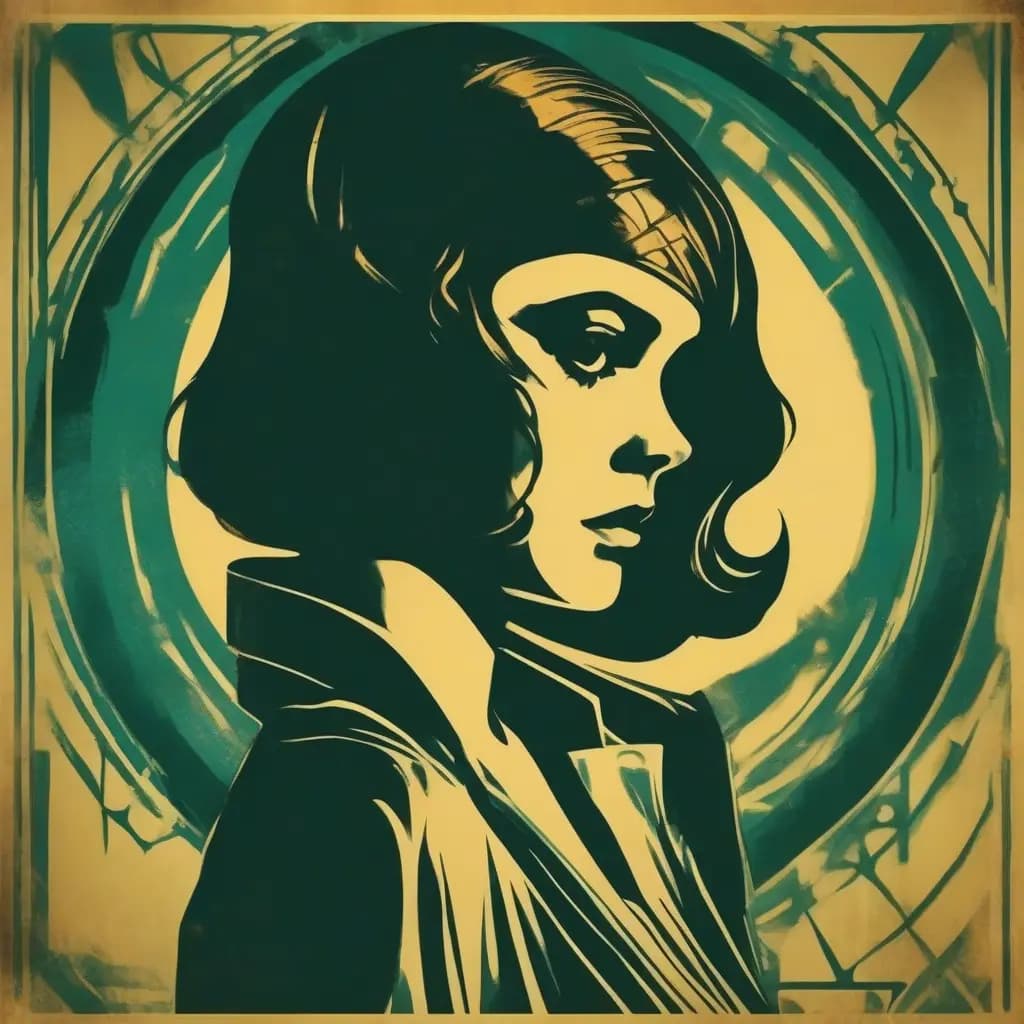
“A deep-dive exploration into how the silent era's genre-bending outliers and social misfits established the foundational DNA for modern cult cinema devotion.”
To the casual observer, the term cult cinema conjures images of midnight screenings, neon-soaked aesthetics, and transgressive 1970s counter-culture. However, the genetic blueprint of the misfit masterpiece was drafted decades earlier, in the flickering shadows of the silent era. Before the term "cult" was even a whisper in the lexicon of film criticism, a collection of outliers, genre-rebels, and experimentalists were already dismantling the conventions of narrative and morality. These early works, often dismissed as mere curiosities or commercial failures in their time, possess the same raw, unyielding spirit that defines the modern cult obsession. By examining the forgotten reels of the early 20th century, we find the roots of cinematic rebellion that still nourish the underground today.
The Social Outcast as the Original Cult Protagonist
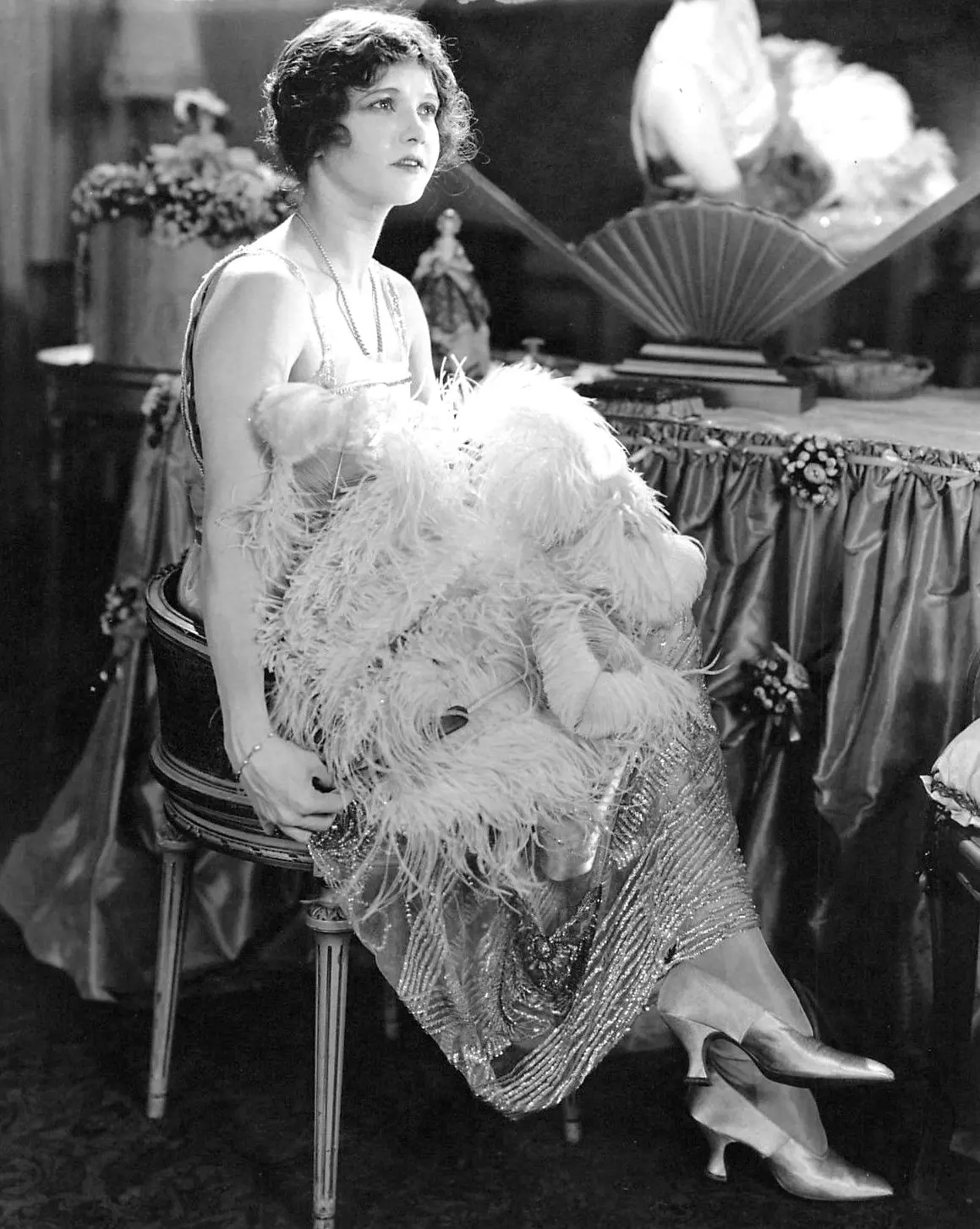
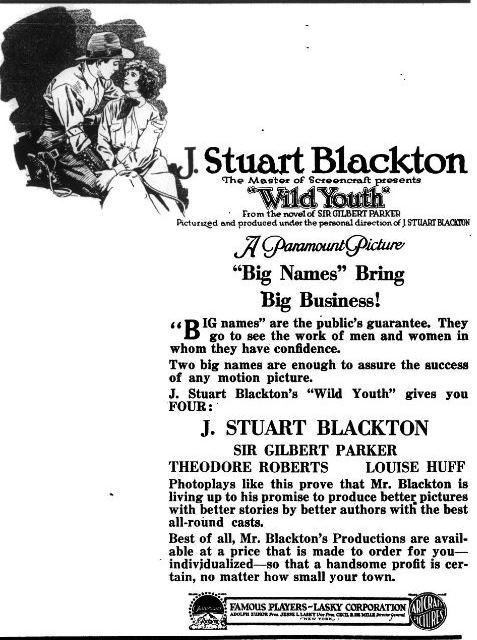
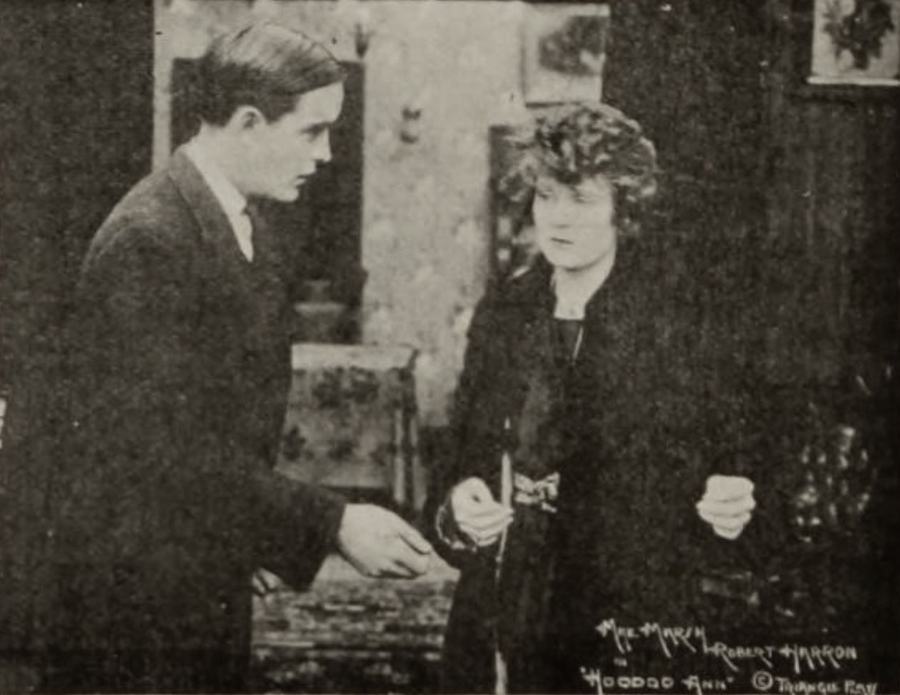
At the heart of any cult film is the outsider—the character who exists on the periphery of polite society, challenging the status quo simply by existing. This archetype did not emerge from the vacuum of post-war angst; it was a staple of early cinema's fascination with social deviance. Consider the 1918 film Wild Youth, where the protagonist, Louise, is forced into a miserable union with a miserly old man. Her struggle against the suffocating weight of debt and domestic cruelty mirrors the classic cult narrative of the individual crushed by systemic indifference. Similarly, in Hoodoo Ann, we see the "cursed" orphan who believes herself a pariah until she finds a sense of belonging outside the rigid structures of the orphanage. These films were not just dramas; they were early explorations of the alienation that would later define the "loser-hero" of the 1990s indie boom.
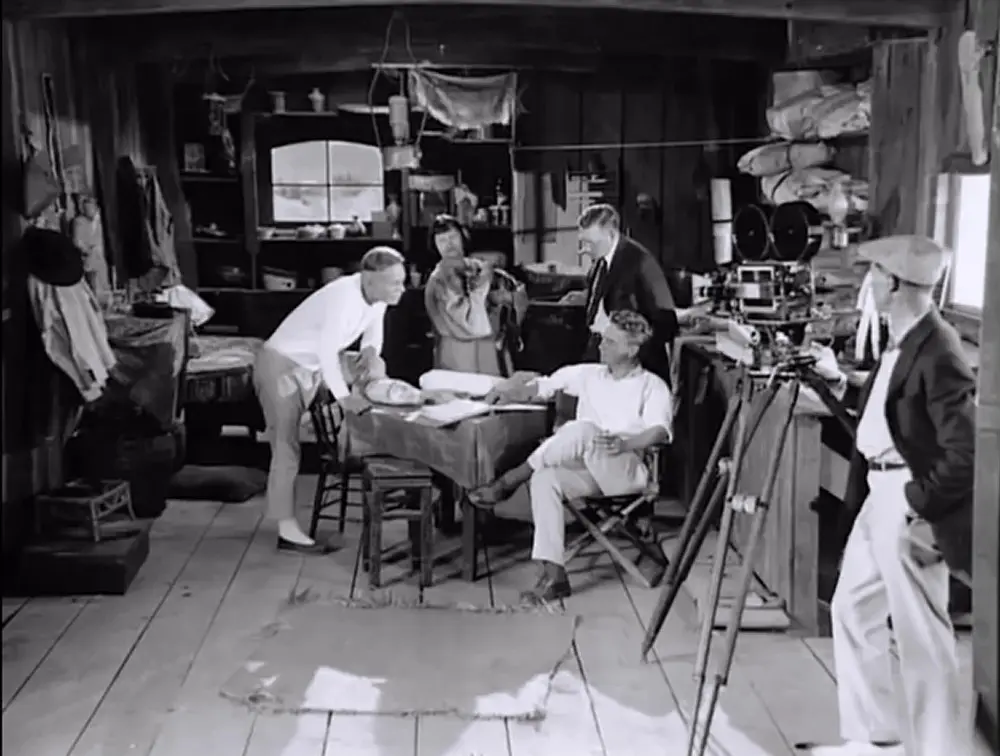
The theme of the social pariah is further amplified in works like The Pointing Finger, where a waif is wrongly suspected of theft, and The Branded Soul, which delves into the murky waters of identity and forgery. These narratives of the "branded" and the "accused" resonate with the cult audience's inherent empathy for the misunderstood. The cult film is, by definition, a home for the homeless, and these silent-era stories provided the first cinematic sanctuary for the disenfranchised. Even in the comedic realm, films like Nobody's Darling used the trope of the "dirty-faced orphan" to subvert expectations of childhood innocence, blending slapstick with a sharp, albeit silent, critique of social class.
Genre Anarchy and the Birth of Hybridity
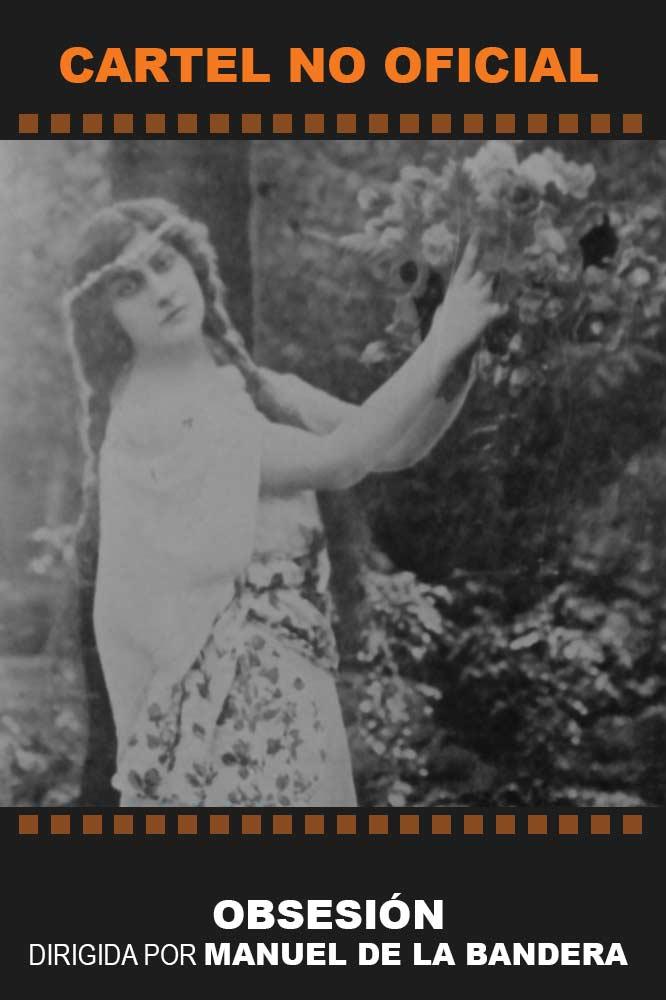
One of the defining characteristics of cult cinema is its refusal to stay within the lines of a single genre. This genre hybridity is often what makes a film difficult to market but irresistible to a niche audience. In the early century, filmmakers were already experimenting with these volatile mixtures. The Secret of the Pueblo is a prime example, weaving together elements of the Western, the mystery, and the action-drama. By placing a cowboy in a memorial altar room to rescue a captive woman, the film transcends the simple "shoot-'em-up" tropes of its era, offering a proto-noir atmosphere that would eventually become a staple of cult aesthetics.
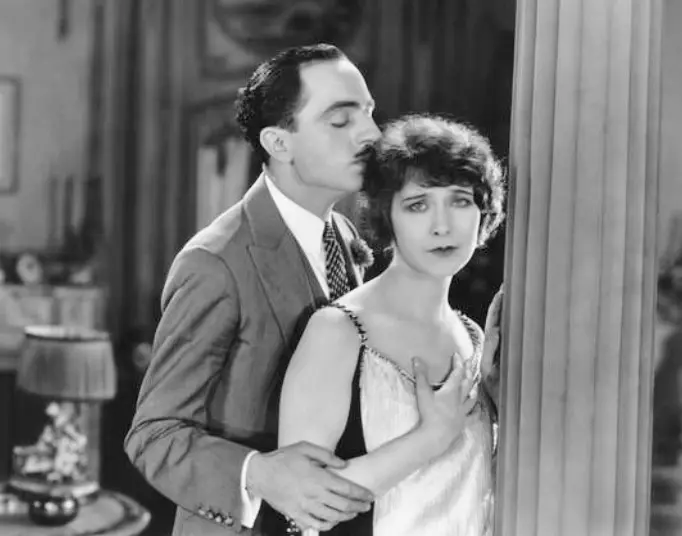
This spirit of experimentation is also evident in De Luxe Annie, a film that tackles amnesia and criminality with a psychological depth that was ahead of its time. By transforming a victim of memory loss into a "master criminal," the film challenges the binary view of good versus evil, a hallmark of transgressive cult storytelling. When we look at On Trial, we see a structural rebellion—a courtroom drama that refuses to follow a linear path, using cross-examination to peel back layers of truth in a way that feels surprisingly modern. These films were the "weird" cousins of the mainstream blockbusters of their day, paving the way for the non-linear, genre-defying narratives of David Lynch or Quentin Tarantino.
The Psychological Abyss: Amnesia and the Fractured Self
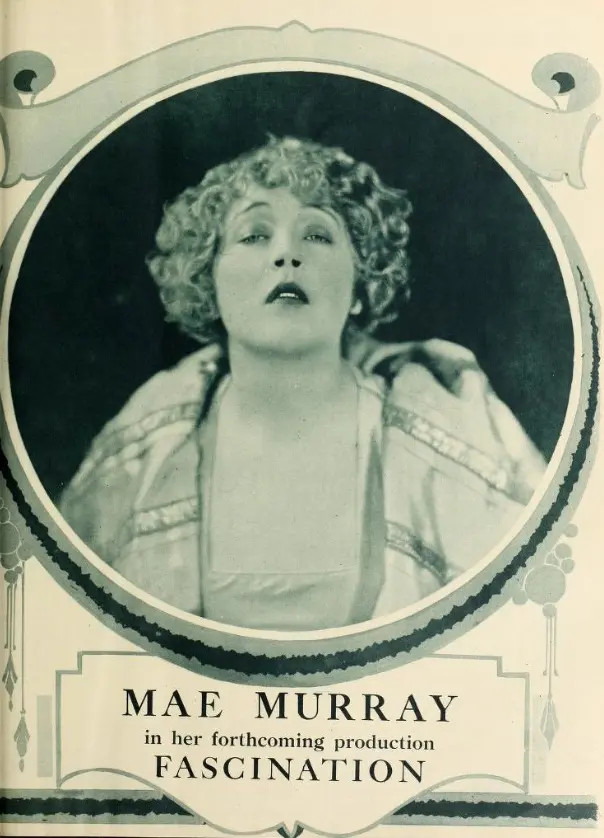
The obsession with the fractured psyche is a recurring motif in cult cinema, and the silent era was rife with explorations of the mind's darkest corners. De Luxe Annie remains a cornerstone of this tradition. The concept of the "unreliable narrator" or the "fractured identity" is inherently cult because it forces the audience to engage with the film as a puzzle. This intellectual engagement creates a sense of ownership among fans, who must piece together the protagonist's reality alongside them. The Flash of Fate takes this a step further, presenting a protagonist driven by revenge and the rebuilding of a lost fortune through "whatever means necessary." This moral ambiguity is the fuel of cult devotion; we don't worship these characters because they are good, but because they are complex, flawed, and often dangerous.
The Female Rebel and the Flapper Counter-Culture
Before the riot grrrls of the 90s, there were the flappers of the 1920s—the original cinematic rebels. Bobbed Hair is more than just a lighthearted comedy; it is a manifesto for the "new woman" who spurns a conventional fiancé for the freedom of an artists' colony. This rejection of the domestic sphere in favor of the bohemian fringe is a core tenet of the cult lifestyle. The cult film often celebrates the act of "dropping out" of society, and Bobbed Hair provided the first visual language for this rebellion. Similarly, Moonlight and Honeysuckle explored the concept of a "trial marriage," a scandalous idea for its time that positioned the female protagonist as an active agent in her own destiny rather than a passive object of affection.
These films, along with others like Her Night of Nights and The Rainbow Girl, depicted women navigating a world of shifting morals and economic pressures. In The Price Woman Pays, the narrative takes a darker turn, warning of the "wicked boys" who deceive young girls, yet even in its cautionary tone, it highlights the burgeoning agency and the perilous choices of the youth culture. This focus on the "youth in revolt" is perhaps the most enduring link between the silent era and the modern cult phenomenon. Whether it is the mischief-makers in Three Cheers or the tomboy in The Sunset Trail, these characters represent a refusal to grow up according to society's rules.
Experimental Shadows and the Surrealist Spark
Cult cinema is often defined by its visual eccentricity—a certain unrealness that separates it from the mundane. The silent era was the laboratory for this visual experimentation. Alice's Spooky Adventure, a blend of live-action and animation, is a proto-surrealist masterpiece. By sending its young protagonist into a haunted house where the laws of physics and reality are suspended, the film captures the dream-like quality that would later define the works of Jodorowsky or Cocteau. This "spooky" aesthetic is not just about horror; it is about the thrill of the unknown and the uncanny.
Even the documentary-style shorts of the era, such as Form, contributed to this aesthetic. By using slow-motion to study the strokes of world-champion swimmers and tennis players, the film transformed the human body into an abstract object of fascination. This fetishization of the image—the focus on the *how* rather than the *what*—is a key component of the cult gaze. We see this same obsession in the avant-garde movements that would follow, where the medium of film itself becomes the subject of the work. Teasing the Soil, with its comedic take on household economics, might seem simple, but its focus on the absurdities of daily life reflects the cult film's ability to find the strange in the familiar.
International Deviance: The Global Roots of the Cult Soul
The cult phenomenon is global, and the silent era's fringe was equally international. Marizza (also known as Marizza, genannt die Schmugglermadonna), an early work by F.W. Murnau, brought a sense of European Gothicism to the narrative of the "smuggler's girl." The spell that Marizza casts over all men is a precursor to the femme fatale and the "magnetic outcast" who drives the plot of so many noir-inflected cult hits. From Japan, Ikeru Shikabane (The Living Corpse) explored themes of social death and resurrection, while the Russian Delo Beilisa delved into the dark world of ritual and injustice. These films prove that the "cult" impulse—the desire to tell stories that are uncomfortable, visually daring, and socially transgressive—is a universal human drive.
In Greece, Annoula's Dowry offered a rags-to-riches story that subverted the typical melodrama by focusing on the unexpected intervention of fate (the lottery), while the German Der Weg des Todes (The Way of Death) utilized the setting of an old prison and dungeon to create an atmosphere of inescapable dread. These films were the precursors to the "Euro-cult" and "J-horror" movements that would captivate international audiences decades later. They understood that the most powerful stories are often those that take place in the "borderlands"—between life and death, between the law and the outlaw, between the known and the forbidden.
The Legacy of the Misfit: Why These Reels Still Matter
Why do we continue to look back at these flickering, often silent, fragments of the past? Because they remind us that the cult spirit is not a modern invention; it is the perennial pulse of cinema itself. Every time a filmmaker chooses to tell a story about a "branded soul" or an "amazing woman" who refuses to conform, they are tapping into a tradition that began over a century ago. The films mentioned here—from the high-stakes drama of The War Extra to the circus-tent romance of Nell of the Circus—were the first to prove that the margins of the frame are often more interesting than the center.
The cult movie is a testament to the endurance of the unusual. Whether it is the "red-haired cupid" subverting the masculine tropes of the West or the "heroine from Derna" showcasing courage in the face of colonial conflict, these films offer a glimpse into a world that was as complex and chaotic as our own. They are the ancestral ghosts of our modern midnight movies, and by acknowledging their influence, we gain a deeper understanding of why we are still so obsessed with the weird, the wild, and the wonderful in cinema. The deviant's dialectic is a conversation that never ends; it simply changes its medium, waiting for the next generation of misfits to pick up the camera and continue the rebellion.
Ultimately, the power of cult cinema lies in its ability to transform the discarded into the divine. A film like Sleima, which tells the story of an illegitimate daughter seeking revenge against a hardened count, is not just a melodrama; it is a primal scream against social hypocrisy. When we watch these films today, we are not just looking at history; we are participating in a ritual of rediscovery. We are the inheritors of the silent subversives, and their legacy is written in every frame of film that dares to be different.
Community
Comments
Log in to comment.
Loading comments…