
Cult Cinema
The Deviant’s Lexicon: Decoding the Primal Magnetism and Subversive Rhythms of Early Cinema’s Genre Outlaws

“A deep-dive exploration into how the forgotten misfits and transgressive narratives of the silent era provided the genetic blueprint for modern cult cinema devotion.”
To understand the modern midnight movie, one must look beyond the neon-soaked aisles of the 1970s and 1980s. The true architecture of cult cinema—that elusive, defiant spirit that prioritizes the peripheral over the mainstream—was actually drafted in the flickering shadows of the silent era. Before the term 'cult' was a marketing category, it was a visceral reaction to the transgressive, the weird, and the socially discarded. The films of the early 20th century were not just technical experiments; they were the first instances of cinematic rebellion, where the rules of narrative and morality were often bent until they snapped.
The Genesis of the Cinematic Outlier
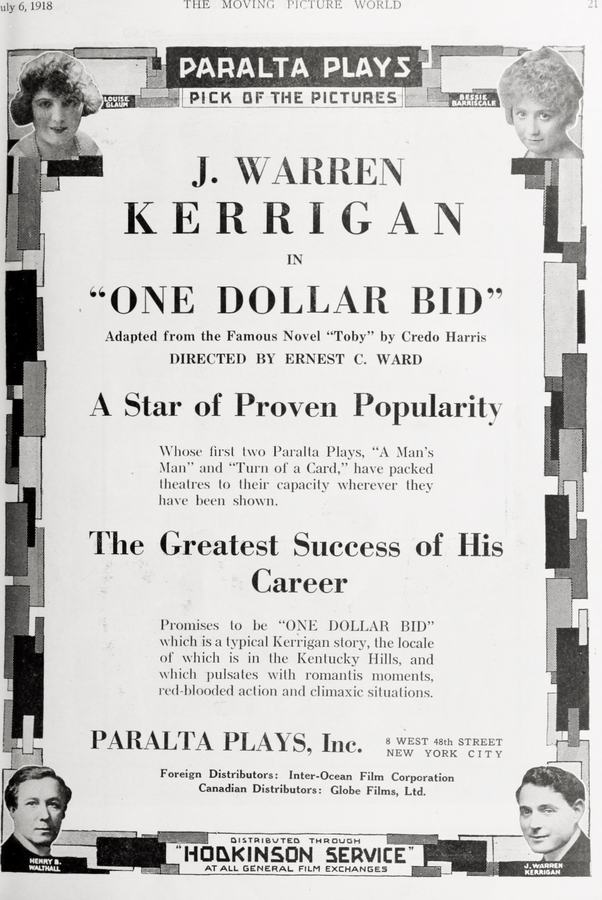
The foundation of cult devotion lies in the 'otherness' of the subject matter. Consider the 1918 film One Dollar Bid. In its portrayal of Toby, a peculiar moonshine-drinking whittler in the Kentucky hills, we see the prototype of the cult anti-hero. Toby is an outsider, feared by the collective yet possessed of a singular, strange dignity. This tension between the individual and the 'villagers' is a recurring motif in cult cinema, from the hillbillies of 1970s horror to the misunderstood loners of contemporary indie film. The villagers' attempt to revive an old law to sell Toby into service is a narrative beat that echoes the systemic oppression often critiqued in cult circles.
Similarly, The Curse of Iku (1918) presents a cross-cultural collision that was radical for its time. By following an American sailor shipwrecked off the coast of Japan, the film delves into themes of isolation and forbidden rescues. These narratives of displacement and 'the stranger in a strange land' are the bedrock of what makes a film resonate with a niche audience. They provide a sense of shared alienation that fans of the unconventional find deeply comforting.
The Transgressive Lens: Taboo and Social Defiance
Cult cinema has always been a sanctuary for the forbidden. In the early century, filmmakers were already pushing the boundaries of what could be shown on screen, often skirting the edges of Victorian morality. The Scoffer (1920) is a prime example of this 'moral anarchy.' By depicting an unethical doctor who frames his God-fearing colleague for an illegal abortion, the film tackled subjects that were simultaneously sensational and socially prohibited. This 'forbidden' quality is exactly what draws a cult following—the feeling that one is viewing something the authorities would rather suppress.
We see a similar defiance in Eye for Eye (1918), where the daughter of an Arab sheik falls for a French naval officer. This narrative of breaking strict social and religious laws to follow an individualistic path is the essence of the cult protagonist’s journey. It is a rejection of the status quo in favor of a personal, often destructive, truth. This theme of 'love against the world' is further explored in The Dumb Girl of Portici (1916), where a personal romance triggers a literal revolution. The scale of the catastrophe linked to a single, 'forbidden' emotion is a hallmark of the melodrama that cult audiences adore for its heightened, almost operatic intensity.
The Aesthetics of the Grotesque and the Absurd
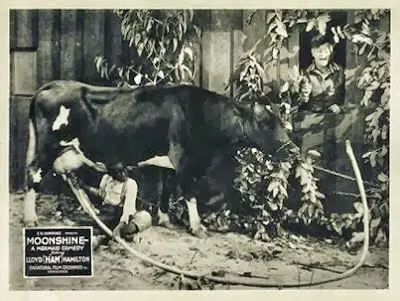
If the narrative of cult film is about the outlier, its aesthetic is often about the absurd. The short film Swat the Fly (1923) offers a glimpse into the surrealist tendencies of early comedy. The image of twins sucking bees into a vacuum cleaner near a beehive is the kind of bizarre, non-sequitur visual that would later define the works of filmmakers like David Lynch or John Waters. It is cinema that refuses to be 'respectable,' opting instead for the chaotic and the irrational.
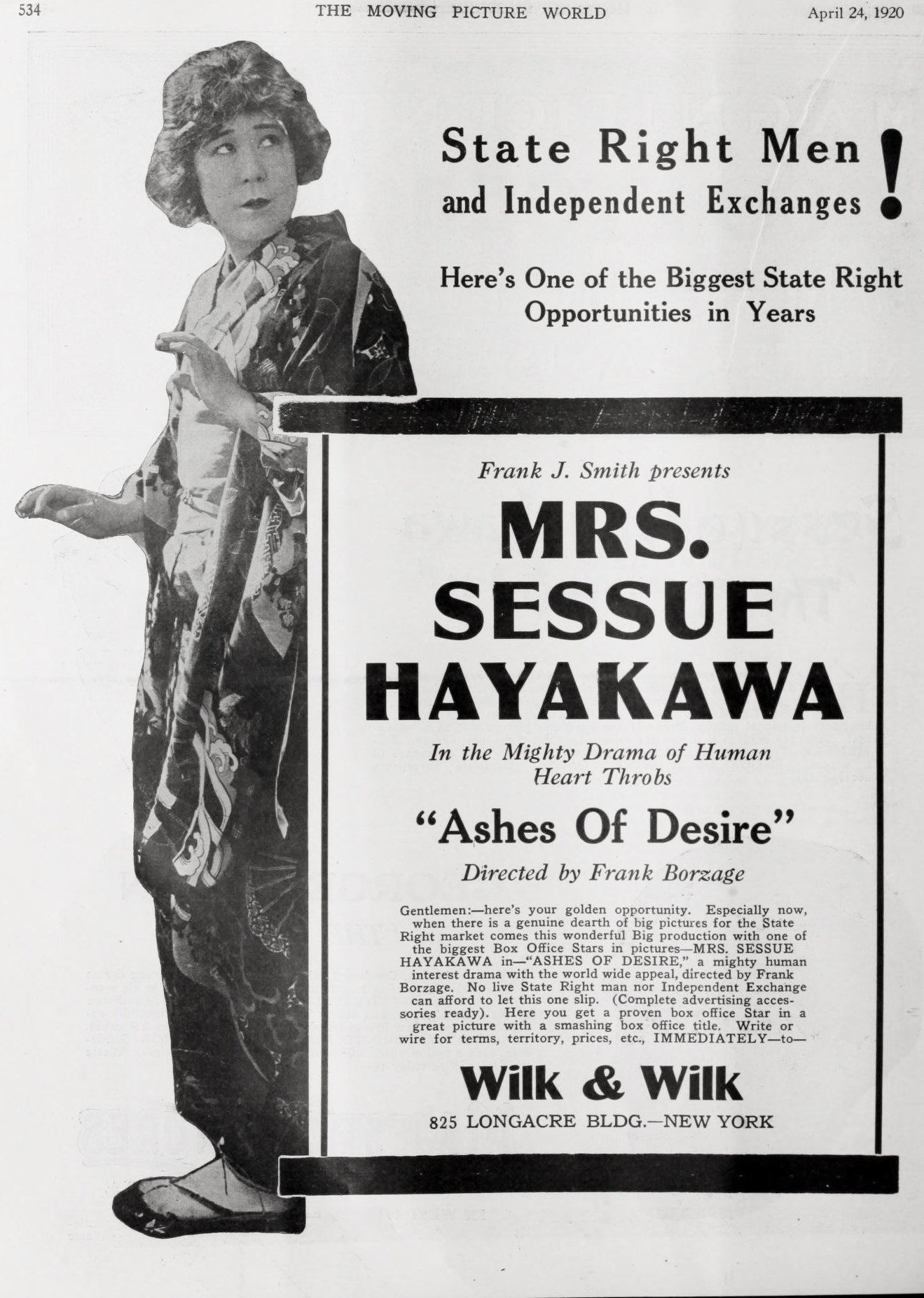
Even the seemingly mundane can become cult through the lens of obsession. California Scrap Book serves as a fascinating precursor to the 'found footage' and 'hobbyist' subcultures. By documenting rail-fanning adventures and depot scenes, it captures a specific niche interest with a documentary fervor that mirrors the way modern cult fans obsess over the minutiae of their favorite franchises. It is the 'archive of the overlooked,' a recurring theme in the preservation of cult history.
The 'Vamp' and the Evolution of the Femme Fatale
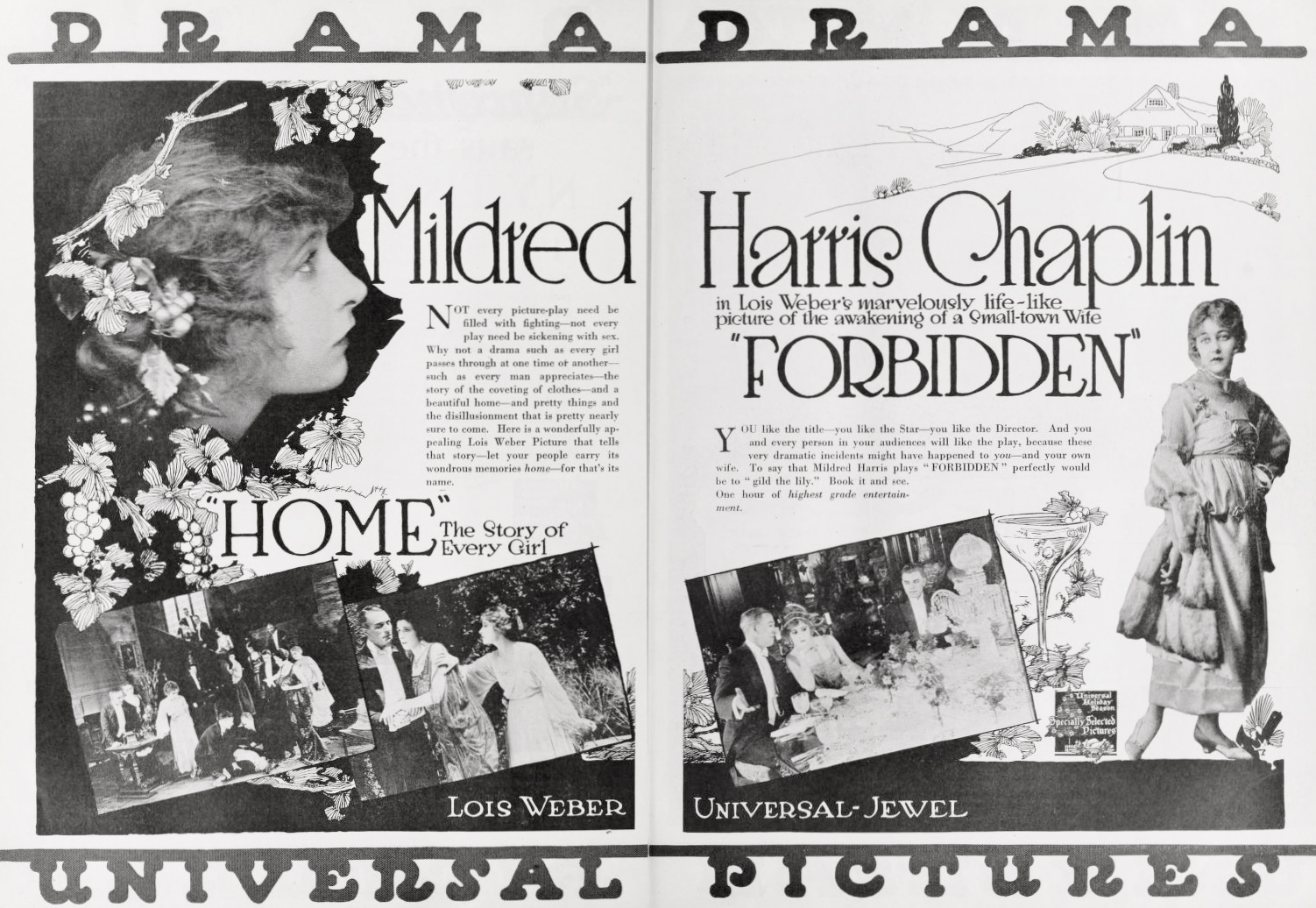
The archetypal characters of cult cinema—the rebel, the outcast, the dangerous woman—were refined in the silent era. Vampyrdanserinden (1912) introduces us to the 'Vampire Dance,' a concept that blends eroticism with the macabre. The search for a replacement partner for a famous dance of death is a narrative hook that feels incredibly modern, prefiguring the 'dark glamour' of Goth cinema. The 'Vamp' was not just a villain; she was a subversion of the domestic ideal, a figure of power and mystery that resonated with those who felt stifled by societal norms.
In contrast, films like The Moth (1917) show the 'spoiled' heiress who is eventually humbled by reality. However, the cult interest lies in the 'parties and flirtations'—the depiction of a life of excess that the audience can both condemn and vicariously enjoy. This duality—the attraction to and the repulsion from decadence—is a central pillar of the cult movie experience.
Westerns and the Myth of the Maverick
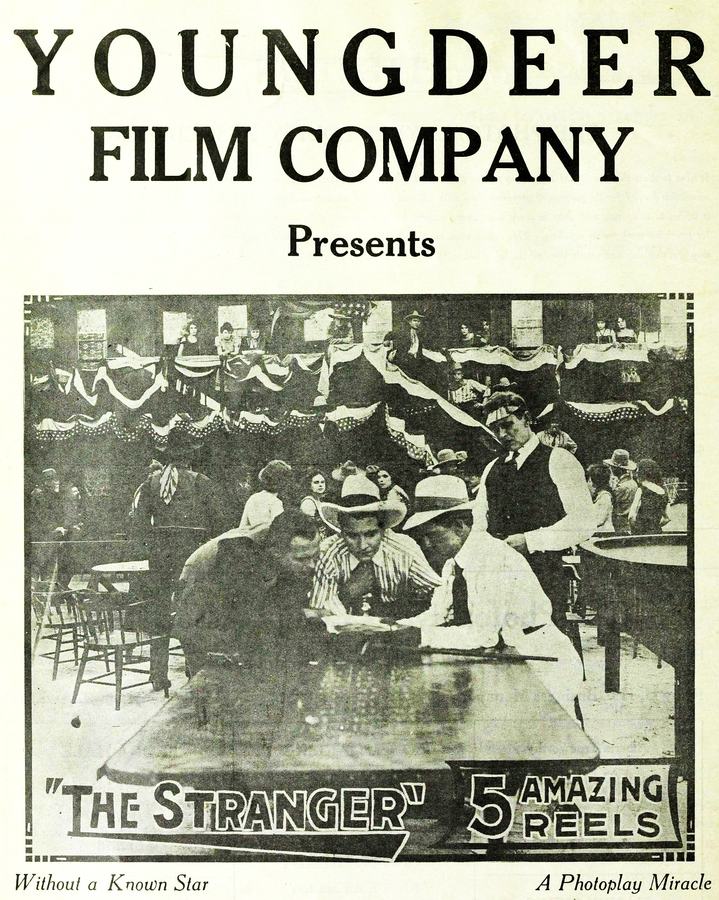
The Western genre provided an early canvas for the 'Maverick' archetype. In 3 Gold Coins (1920), Bob Fleming is the 'happy-go-lucky' cowboy whose prowess with a pistol makes him a legend. Yet, the cult element enters through the 'impression' he makes—the charisma that transcends the plot. Cult films are often built around the singular magnetism of a lead performer, someone whose screen presence overrides the limitations of the script. Roarin' Dan (1920) follows a similar path, featuring a hero who is 'wild' and 'addicted to gambling' but possesses 'good intentions.' This 'flawed hero' is a staple of cult cinema, providing a more relatable, human alternative to the perfect, polished protagonists of mainstream blockbusters.
Even the more obscure entries like Come and Get Me (1911) highlight the darker side of these archetypes, where the 'straw boss' forces a kiss upon the heroine. These moments of grit and unvarnished human behavior are what give early cinema its 'cult' edge. They represent a world that is messy, violent, and unpredictable—a stark contrast to the sanitized narratives that would later dominate the Hays Code era.
The Experimental Frontier: Sound and Form
Cult cinema is also defined by its willingness to experiment with the medium itself. A Few Moments with Eddie Cantor (1923) was an experimental talking short that brought vaudeville to the screen. For audiences of the time, this was a radical departure from the silent norm. This 'technological deviance'—using new tools to capture old forms of entertainment—is a direct ancestor to the DIY aesthetic of modern cult film. It is about the thrill of the new, the 'glitch in the system' that creates a unique viewing experience.
Furthermore, the international exchange of ideas, as seen in the Swedish film Vingarne (1916), brought complex psychological themes to the forefront. An adaptation of a novel about a sculptor and his model, it dealt with themes of artistic obsession and jealousy that were far more sophisticated than the standard fare of the day. This 'intellectual cultism'—films that require deep analysis and multiple viewings—began here, in the silent era's attempt to translate literature into a visual language of shadows and light.
The Legacy of the Forgotten
Why do we still look back at films like The Chechahcos (1924) or The Prince of Avenue A (1920)? It is because they represent the 'unmapped vault' of cinematic history. The cult devotee is, at heart, an archaeologist. They seek out the Broken Fetters (1916) and the Damaged Goods (1918) not because they are perfect, but because they are authentic. They are the 'resonant relics' of a time when the language of film was still being written by rebels, misfits, and visionaries.
The 'midnight mindset' is not a product of the 1970s; it is a fundamental human attraction to the fringe. Whether it is the slapstick anarchy of Peck's Bad Boy (1921) or the wild melodrama of Night Life in Hollywood (1922), these films remind us that cinema has always been a place for the deviant. They are the 'flickering heretics' that paved the way for every cult classic that followed. By studying these early genre mutants, we gain a deeper understanding of our own obsession with the unconventional. We see that the 'renegade’s reel' has been spinning since the very beginning, capturing the primal anarchy of the human spirit in every frame.
In the end, cult cinema is a testament to the enduring power of the unseen and the uncelebrated. It is a celebration of the Maverick’s Melodrama and the Rogue’s Revelation. As we move further into the digital age, the lessons of the silent era’s forgotten fringe remain more relevant than ever: the most powerful stories are often found in the shadows, waiting for a devoted audience to bring them back into the light.
Community
Comments
Log in to comment.
Loading comments…