
Cult Cinema
The Forbidden Cipher of the Fringe: Decoding the Primal Magnetism of Cinema's First Misfit Masterpieces

“Journey into the shadows of early cinematic history to discover how social outcasts, mystical golems, and genre-defying rebels birthed the modern cult movie obsession.”
To understand the modern cult film, one must look beyond the neon-soaked midnight screenings of the 1970s and dive deep into the nitrate shadows of the early 20th century. Long before the term 'cult' was a marketing buzzword, cinema was already birthing its first generation of misfits, rebels, and narrative mutants. These were films that didn't just entertain; they challenged social norms, explored the occult, and presented visions of the world that were too strange, too transgressive, or too niche for the polite society of the nickelodeon era.
The Architecture of Social Exile: The Shunning as a Cult Catalyst
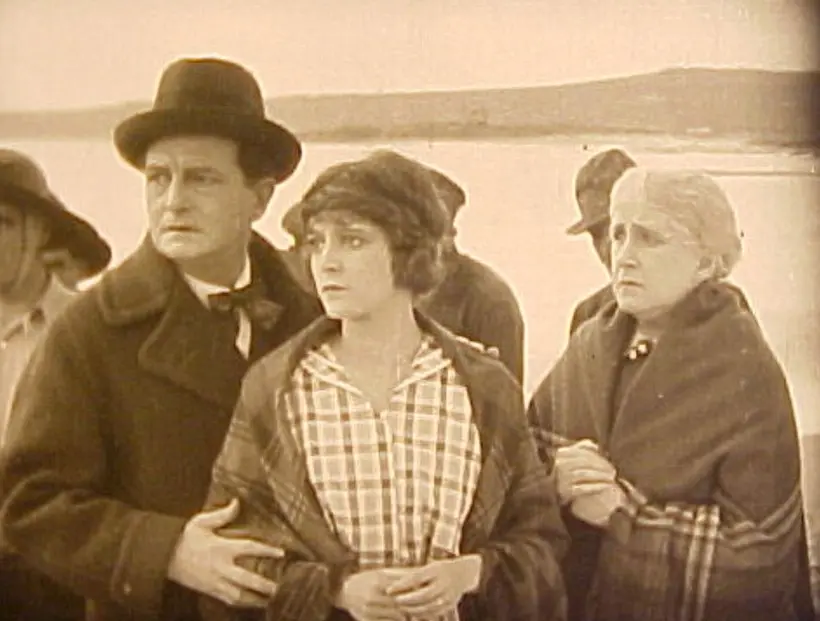
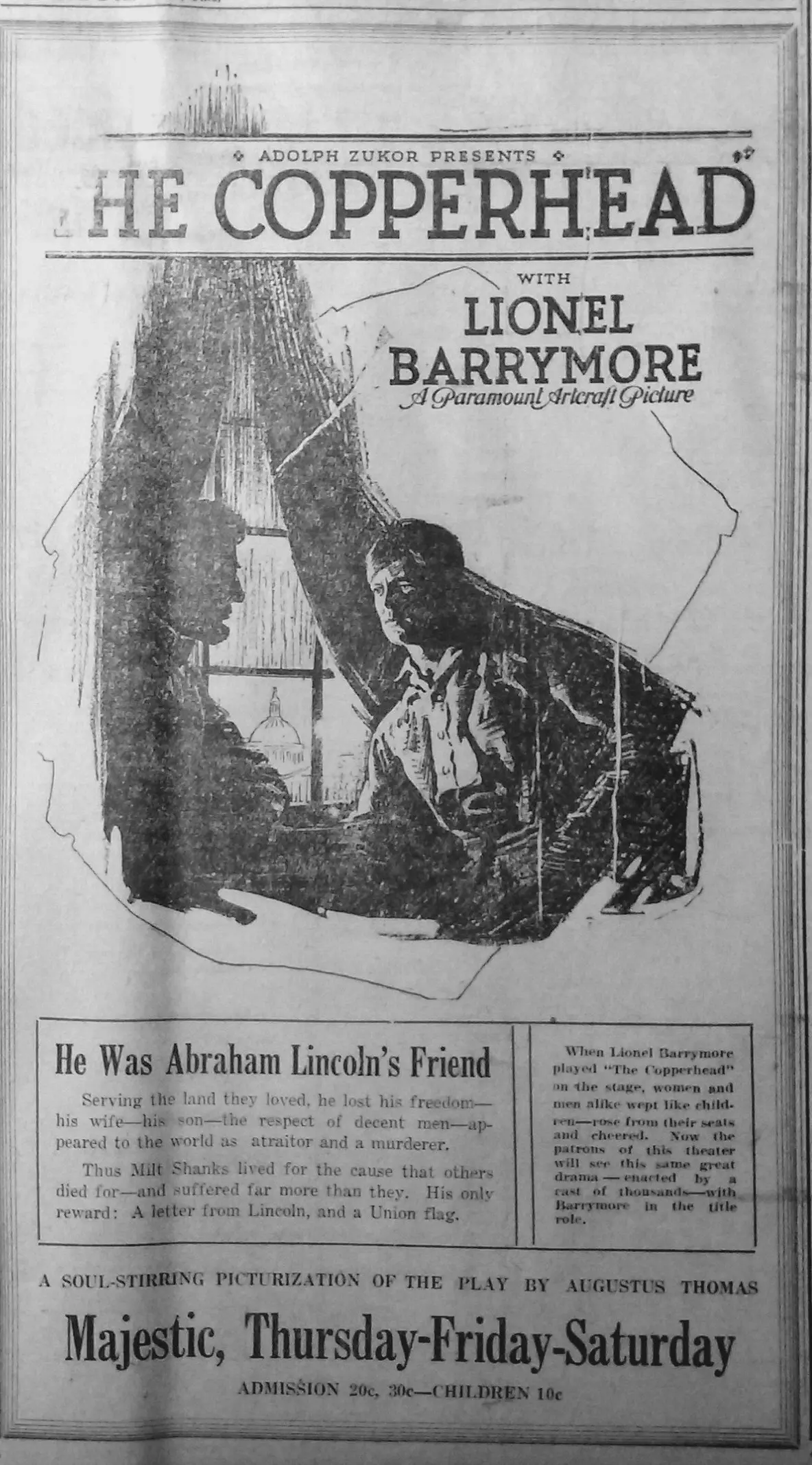
At the heart of every cult obsession is a sense of shared exile. We gravitate toward films that mirror our own feelings of being misunderstood or cast out. This theme was profoundly present in the silent era. Consider the 1920 drama The Copperhead. The protagonist, Milt Shanks, lives a life of profound shame, hated by his neighbors for being a supposed traitor. The 'secret' he carries—a promise to Abraham Lincoln—creates a narrative tension that mirrors the experience of the cult fan: possessing a hidden truth that the world at large rejects. When we watch Shanks endure his isolation, we aren't just watching a Western; we are witnessing the birth of the cinematic martyr.

This magnetism of the shunned is further explored in The White Moll (1920). Rhoda, the 'White Moll,' is forced into a life of crime by a wealthy man’s cruelty, eventually finding herself robbing a church poor box—an act she finds abhorrent. This conflict between external perception and internal morality is a cornerstone of cult appeal. We don't just root for the hero; we root for the misunderstood outlaw. Cult cinema thrives in these gray zones, where the 'villain' is actually a victim of circumstance, and the 'hero' is a social pariah.

Mysticism, Magic, and the Occult Roots of Niche Devotion
Cult cinema has always had a flirtation with the arcane. The 1915 version of The Golem, though largely lost to time, remains a foundational text in the history of the weird. The story of an antiques dealer resurrecting a four-century-old clay protector through Kabbalist magic speaks to a primal human desire to touch the supernatural. This 'lost film' status itself contributes to its cult mystique—the idea of a forbidden or hidden masterpiece that only the initiated know about.
Similarly, Fanchon, the Cricket (1915) presents us with a wild girl living in the forest with a grandmother accused of witchcraft. Fanchon is the archetypal 'weird girl' of cinema, a predecessor to the counter-culture icons of the 1960s. Her rejection of village norms and her connection to the 'unconventional' make her a figure of fascination. When a film embraces the esoteric—whether it’s the prophesied death in the Indian classic Satyavan Savitri (1914) or the spiritual allegories of The Greatest of These—it creates a space for a specific kind of devotion that goes beyond mere spectatorship. It becomes a ritual.
Genre Anarchy: When Cinema Defies Definition
Mainstream cinema loves boxes, but cult cinema loves to break them. In the early 1900s, the boundaries between comedy, drama, and horror were far more porous. The Breath of a Nation (1919) used the onset of Prohibition to craft a biting, surreal satire that feels remarkably modern in its cynicism. Meanwhile, Flip's Circus (1918) pushed the boundaries of early animation, blending the physical reality of a circus with the limitless potential of the drawn frame. This narrative anarchy is what keeps a film alive decades after its release. It is the refusal to play by the rules that ensures a movie will eventually find its tribe.
Look at The City of Masks (1920), where European nobles work as common laborers in America, meeting once a week to maintain their 'Continental style.' This blend of social commentary and theatrical artifice is exactly the kind of 'high-concept' weirdness that defines the cult experience. It asks the audience to participate in a secret world, a masquerade that exists just beneath the surface of the mundane.

The Secret Blueprint: Technology and the Fear of the Future
Cult cinema often acts as a mirror to our anxieties about progress. In The Devil at His Elbow (1916), John Ashton is a mechanical engineer obsessed with his submarine plans. The government’s interest and the looming deadline create a techno-thriller atmosphere that predates the Cold War noir of the 1950s. This obsession with clandestine technology and the 'secret blueprint' is a recurring motif in films that attract a dedicated following. We are drawn to the idea of the lone genius—the man with the plan that could change the world, or destroy it.
This theme of the 'hidden mechanism' extends to the social engineering found in Saving Sister Susie (1921). The plot involves a mother and elder sister literally dressing a younger, attractive sister in rompers to stop her from 'pirating' admirers. It is a bizarre, comedic exploration of social manipulation that feels like a proto-feminist critique wrapped in a slapstick wrapper. Cult fans love these tonal dissonances—where a simple comedy hides a deeper, weirder social observation.
The Global Fringe: From the Jungle to the Steppes
The cult impulse is not limited by geography. The early 20th century saw a explosion of global narratives that challenged Western-centric perspectives. Ubirajara (1919) brought Brazilian indigenous themes to the screen, while Moondyne (1913) explored the rugged, convict-haunted landscape of Australia. These films provided a window into worlds that felt 'alien' to many viewers, yet they shared a common thread: the struggle for identity in a harsh, unforgiving world.
In The Legion of Death (1918), we see the intersection of American education and Russian revolution, involving secret services and the looming shadow of Rasputin. This kind of international intrigue, combined with the 'larger-than-life' historical figures, creates a cinematic mythos that is ripe for cult rediscovery. It’s the feeling of watching a history that is being written in real-time, but with the added layer of melodramatic intensity that only the silent era could provide.
The Reclamation of the Misfit Wife
Class struggle and the 'unconventional' woman are themes that never go out of style in the cult canon. The Misfit Wife (1920) tells the story of Katie Malloy, a manicurist who rehabilitates a wealthy gambler only to find herself rejected by his high-society family. Katie is the ultimate cult heroine—resilient, grounded, and utterly out of place in the ivory towers of the elite. Her story is mirrored in The Soul of Satan (1917), where Miriam Lee is drawn into the ruthless world of professional gambling. These films explore the moral compromises women had to make to survive, turning them into symbols of rebellion against a patriarchal status quo.
When we look at Kohlhiesel's Daughters (1920), we see a similar dynamic in a comedic setting. The 'brutal' elder sister who must be married off before the younger one can find happiness is a trope that subverts traditional notions of femininity. It is the 'difficult' woman, the one who refuses to be silent or submissive, who often becomes the focal point of cult adoration. We love the characters who refuse to fit in, even when the plot tries to force them to.
Conclusion: The Eternal Nitrate Flame
The films of 1910-1921 were the pioneers of the cinematic fringe. They experimented with form, tone, and subject matter in ways that the later, more rigid studio system would often suppress. From the mystical transformations of The Golem to the social shunning of The Copperhead, these early masterpieces established the DNA of the cult film. They taught us that a movie doesn't need a massive audience to be meaningful; it only needs a devoted one.
As we look back at these forgotten reels—the comedies like Beware of Boarders, the dramas like The Inner Shrine, and the adventures like Overland Red—we see a reflection of our own desire for the unconventional. Cult cinema is a sanctuary for the weird, a place where the 'misfit' is the star and the 'anarchy' of the narrative is the highest form of art. The flame that was lit in the nitrate era continues to burn in the hearts of every cinephile who seeks out the strange, the hidden, and the magnificently meddlesome.
Whether it is the secret promise of a senator in A Gentleman from Mississippi or the desperate robbery in The White Moll, these stories remind us that the most enduring films are often the ones that start on the outside looking in. They are the forbidden ciphers of the fringe, waiting for the next generation of devotees to unlock their secrets and keep the spirit of cinematic rebellion alive.
Community
Comments
Log in to comment.
Loading comments…