
DbcultAccessing Vault...
Cult Cinema
Archivist John
Senior Editor
When we speak of cult cinema, the mind often drifts to the neon-soaked midnight screenings of the 1970s or the transgressive underground movements of the 1990s. We think of The Rocky Horror Picture Show or Eraserhead. However, the genetic material of cult devotion—the specific alchemy of the weird, the marginalized, and the visually daring—was actually sequenced much earlier. Long before the term "midnight movie" entered the lexicon, the silent era and the early days of talkies were already producing works that defied the mainstream, inviting a specialized, almost religious form of viewership. This "forgotten fever" is the bedrock upon which modern niche fandom is built.
At the heart of any cult phenomenon lies the figure of the outsider. Modern audiences worship the misunderstood anti-hero, but this archetype was perfected in the early 20th century. Consider Charlie Chaplin's The Kid (1921). While widely popular, its blend of slapstick comedy and heart-wrenching drama created a template for the "lovable misfit" that cult audiences would later adopt in more extreme forms. The Tramp’s struggle to care for an abandoned child in a world that views him as a nuisance resonates with the same frequency as the marginalized protagonists in modern indie cult hits.
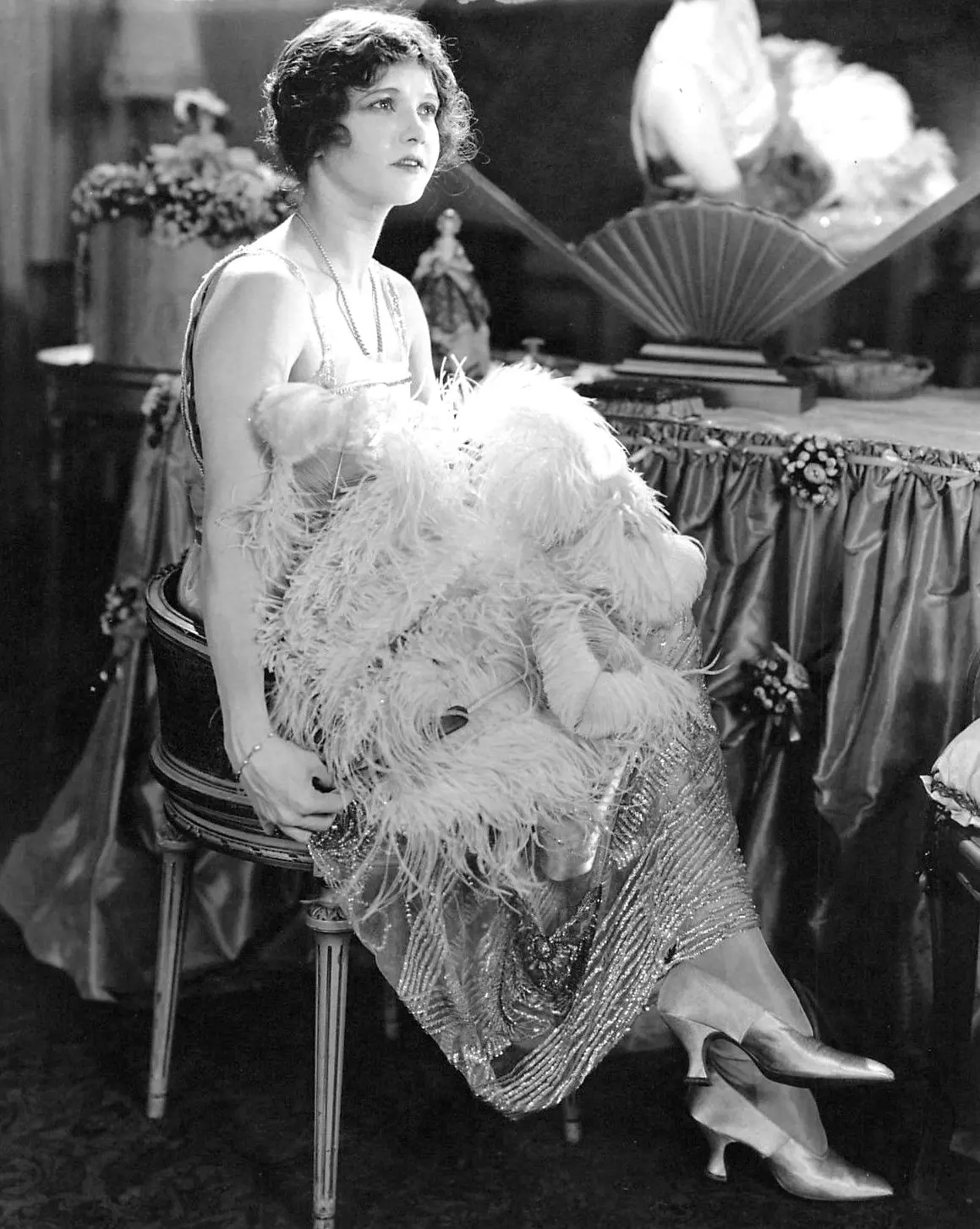
Similarly, Stranded presents H. Ulysses Watts, a traveling Shakespearean actor whose career is on the decline because audiences are pivoting toward cinema and vaudeville. This meta-narrative of an artist clinging to a dying medium is pure cult fuel. It speaks to the "obsolescence" that many cult film fans cherish—the idea of loving something that the rest of the world has moved past. Watts is a precursor to the aging icons we see in later cult classics, representing a stubborn adherence to a fading aesthetic.
Cult cinema thrives on the "taboo" or the morally ambiguous. Before the strict enforcement of the Hays Code, cinema was a wild frontier where filmmakers could explore darker themes with surprising frankness. The Beautiful Gambler, where Mark Hanlon gambles away his daughter’s future, or The Money Master, featuring an oil king whose unscrupulous methods lead to his wife’s hatred, showcases a level of domestic and social grit that feels modern. These films didn't always offer the neat, moralistic endings required by later studio standards.
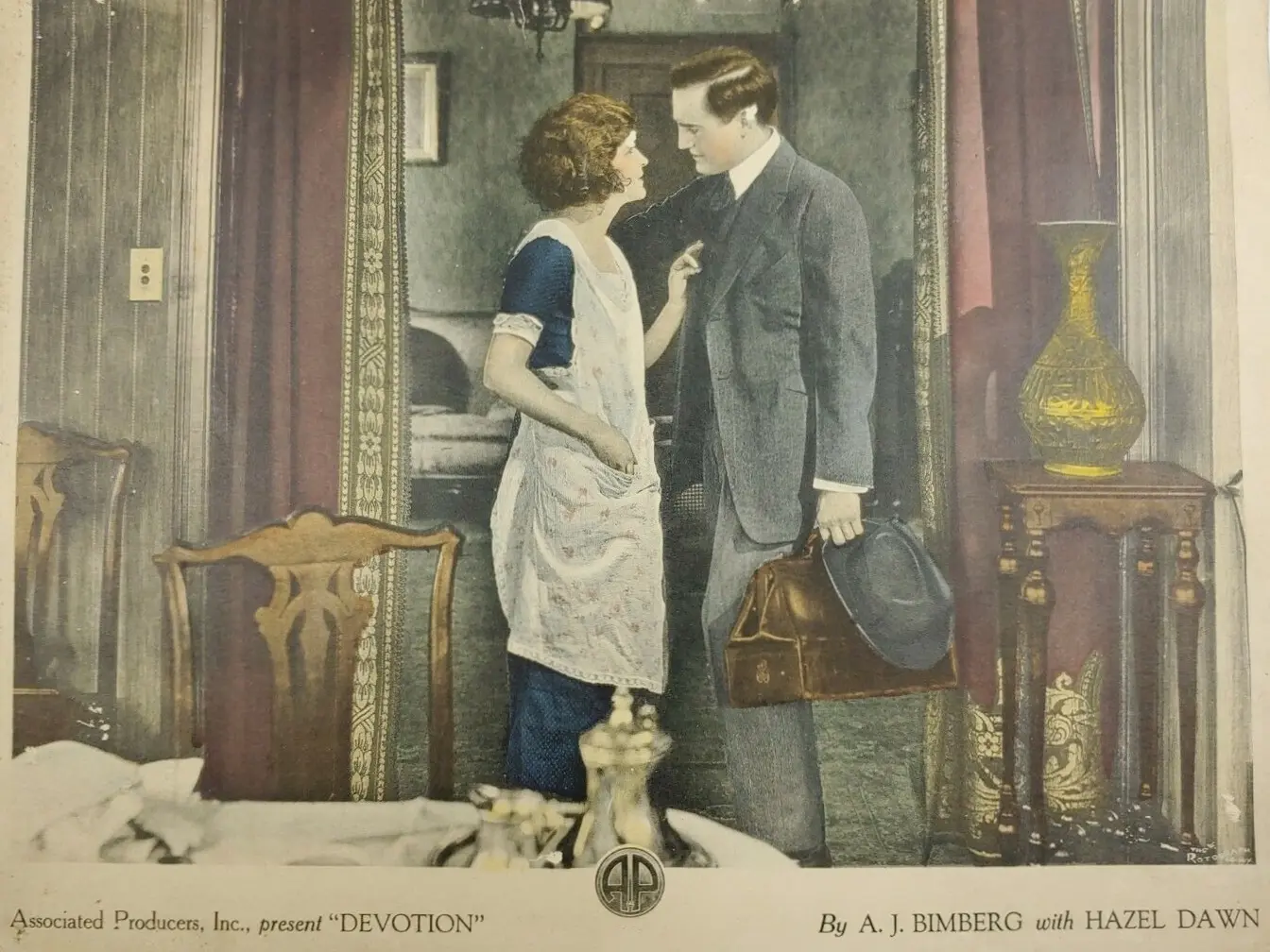
We see this further in Flare-Up Sal, where a young woman’s quest for revenge drives her to allow no one to stand in her way, and The Triumph of the Weak, which follows a paroled woman desperately trying to reclaim her child from an institution. These narratives of social friction and female agency in the face of systemic oppression are exactly the kinds of stories that modern cult historians excavate to understand the evolution of the "subversive" screen. They represent a refusal to adhere to the "Winning Girl" or "Speed Girl" archetypes of the era, opting instead for a more complex, often painful reality.
Visual innovation is perhaps the most visible marker of a cult film. When a director breaks the fourth wall or experiments with the medium itself, they invite the audience into a secret pact. Invisible Ink is a landmark in this regard. The meta-narrative of a hand-drawn clown interrupting his own animator's work is a surrealist masterstroke. It anticipates the reality-bending antics of later cult animation and the self-referential humor that defines modern meta-cinema. It transforms the screen from a window into a playground where the rules of logic are suspended.

Visual storytelling reached epic proportions in The Iron Horse, where the dream of a transcontinental railway is depicted with a historical grandeur that borders on the mythic. Yet, for the cult enthusiast, it is the smaller, weirder moments—like the dog-assisted sabotage in the short comedy Aladdin—that stick in the memory. The image of a tailor employing a dog to tear men's clothes to drum up business is the kind of absurd, dark-tinged humor that would later define the works of directors like John Waters or the Coen Brothers.
Cult films often succeed by being "unclassifiable" or by pushing a genre to its absolute limit. The early Westerns like The Santa Fe Trail and Robbery Under Arms (1920) were not just action films; they were examinations of lawlessness and the rugged individualism that cult audiences find so magnetic. In Robbery Under Arms, the romance and eventual capture of the bushranger Captain Starlight provides a tragic, outlaw allure that predates the "cool" criminals of 1970s New Hollywood.

On the other end of the spectrum, The Dark Star introduces the "MacGuffin" in the form of a stolen fabulous jewel, pulling a pastor's daughter into a web of international espionage and war plans. This transition from domestic innocence to global peril is a staple of the cult thriller. It creates a sense of "secret knowledge"—the idea that beneath the surface of everyday life, there are dark stars and hidden agendas. This theme of the "unseen world" is a recurring motif in cult fandom, where the viewer is the only one who knows the "truth" of the narrative.
Part of the cult experience is the discovery of the "Other." Early cinema was fascinated by far-off lands and secret societies, often through a lens that was both problematic and undeniably captivating. For the Freedom of the East, set in World War I China, features Princess Tsu and a secret group dedicated to eradicating German influence. Films like this, or the German production Die Pagode, offered audiences a glimpse into worlds they would never visit, filtered through the dramatic sensibilities of the time. For modern viewers, these films are "found objects"—artifacts of a specific historical gaze that demand a specialized context to appreciate.

Even the documentary format was not immune to the cult impulse. Southward on the Quest, the record of Sir Ernest Shackleton's 1921 Antarctic expedition, serves as a proto-cult documentary. It isn't just about the facts; it’s about the *adventure*, the isolation, and the human spirit pushed to the brink. Cult fans often gravitate toward these "extreme" records of reality, where the stakes are life and death and the environment is as alien as a science fiction landscape.
In the digital age, where everything is available at the click of a button, the "lost" film has become the ultimate cult prize. Many of the films mentioned, such as Un romance argentino or Blandt byens børn, exist in the periphery of cinematic history. The scarcity of these reels creates a "forbidden fruit" effect. To watch Colomba—with its elegant femme fatale and romantic fantasies—is to engage in a form of cinematic archaeology. You aren't just watching a movie; you are resurrecting a ghost.
This ritual of resurrection is what separates a casual fan from a cult devotee. Whether it's tracking down a rare print of The Shell Game to see a New York confidence man in action or analyzing the slapstick rhythms of A Studio Rube, the effort required to find and watch these films adds to their value. The cult film is a reward for the persistent seeker.
As we look back at the 1910s and 20s, we see the blueprints for everything we love about cult cinema today. The "shell game" of Gates of Brass—the promoter of phony land deals—is the spiritual ancestor of the charismatic grifters in modern crime cults. The "remodeling" of a husband in Remodeling Her Husband (directed by Lillian Gish) offers a proto-feminist critique of marriage that feels surprisingly sharp. Even the simple joy of Our Gang, with children stepping in to save a store from an unethical merchant, speaks to the "us versus them" mentality that defines so many cult communities.
The silent era was not a primitive precursor to "real" movies; it was a laboratory of pure visual and narrative experimentation. The films were bold, often weird, and deeply invested in the human condition, even when that condition was messy or "unconventional." From the high-powered roadsters of The Speed Girl to the tragic drowning of Max in Der fremde Vogel, these stories captured a spectrum of emotion that transcended the technical limitations of the time.
To understand cult cinema is to understand that the "midnight mindset" is timeless. It is a desire for the authentic, the unusual, and the transgressive. It is the fever that drives us to look into the shadows of the archive and find the flickers that still burn with a rebellious light. As long as there are filmmakers willing to take a chance on a "strange" idea—like a tailor and his dog or an animator and his clown—there will be a cult audience waiting in the dark to worship at the altar of the unconventional. The reels of The Iron Horse may have laid the tracks for the industry, but it was the "misfit reels" that gave cinema its soul.
Ultimately, the transition from The Winning Girl to the modern cult icon is a straight line. It is a journey of defining oneself against the grain, of finding beauty in the "weak" and the "stranded," and of recognizing that the most enduring stories are often the ones that the mainstream tried to forget. The forgotten fever isn't just a part of history; it is the heartbeat of every niche obsession that keeps cinema alive and unpredictable in the 21st century.