
Cult Cinema
The Genetic Blueprint of Midnight: How Early Cinema’s Genre Anomalies Invented the Cult Soul

“Explore the forgotten roots of cult obsession, from silent-era transgressions to the weird genre hybrids that paved the way for the midnight movie phenomenon.”
The history of cult cinema is often told as a post-1960s phenomenon, a story that begins with the midnight screenings of the 1970s and the transgressive energy of the New Hollywood. However, the true DNA of the cult movie—the DNA of the outcast, the weird, and the socially subversive—was synthesized decades earlier. Long before the term "midnight movie" was coined, early cinema was already producing a gallery of genre anomalies and narrative misfits that challenged the status quo and invited a specific kind of obsessive devotion. To understand the modern cult landscape, we must look back at the flickering shadows of the silent era, where the seeds of cinematic rebellion were first sown.
The Early Architecture of Transgression
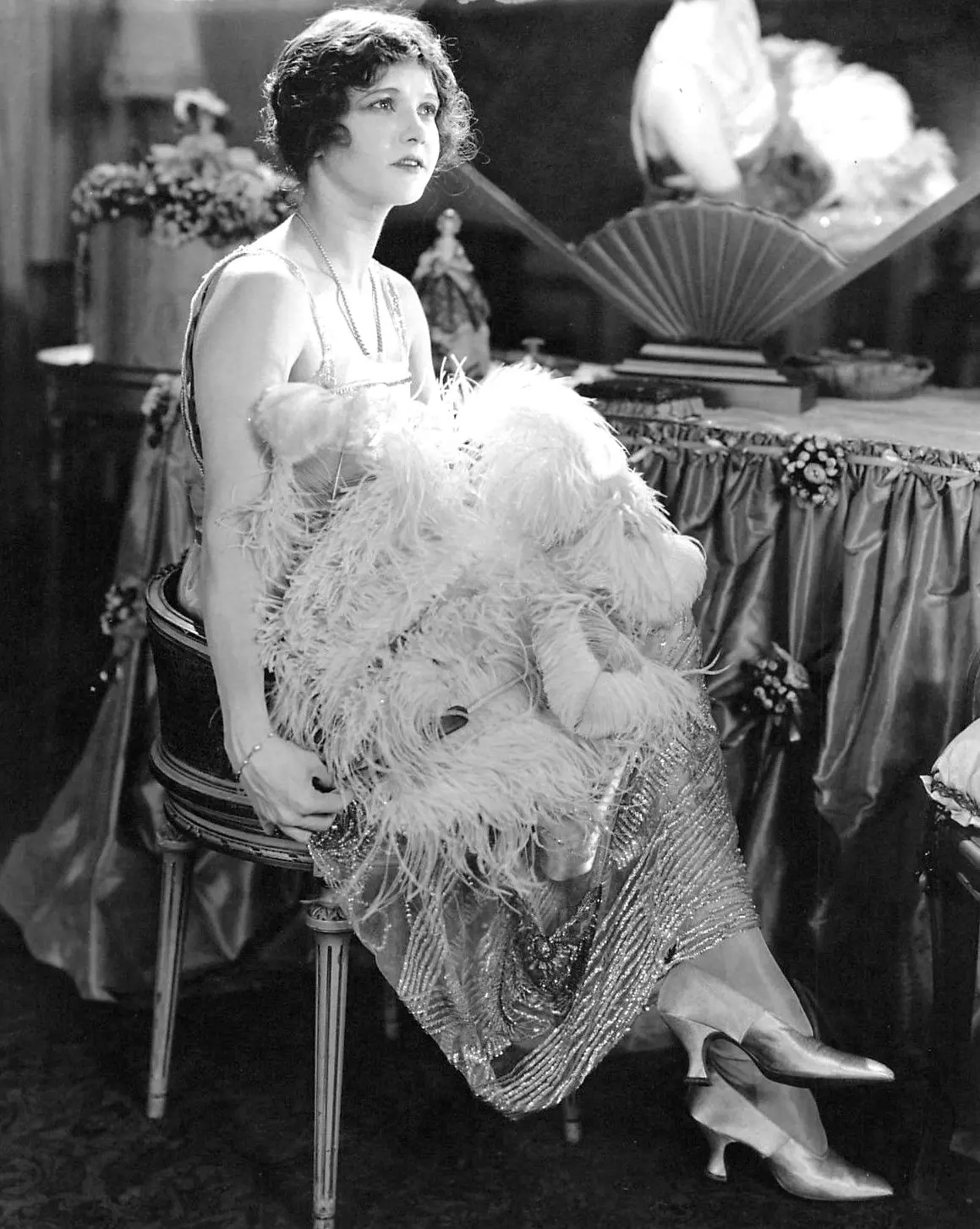
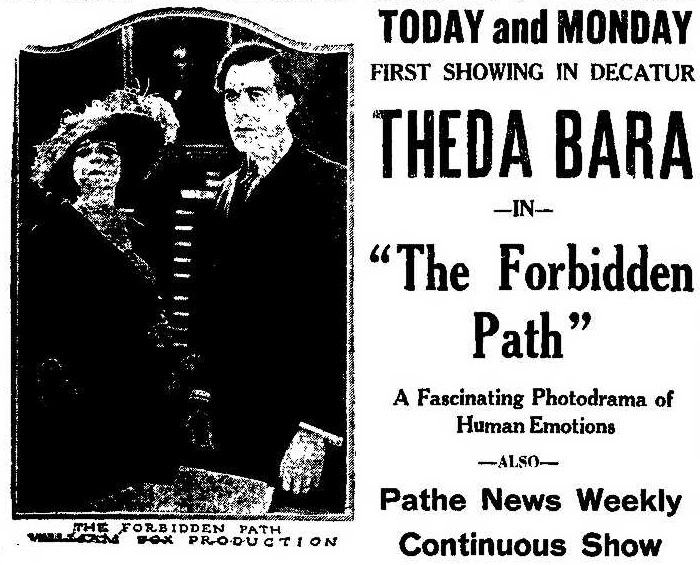
Cult cinema thrives on the "forbidden," and few figures embodied this better than the original "Vamp," Theda Bara. In films like The Forbidden Path (1918), the screen was set ablaze with themes of seduction, ruin, and social exile. Bara’s portrayal of Mary Lynde—an innocent girl transformed into a vengeful force after being discarded by society—offered a blueprint for the transgressive female lead that would later define the works of John Waters or the noir-inflected cult hits of the 80s. This was not just melodrama; it was a visceral exploration of the moral boundaries of the time, inviting the audience to sympathize with the "fallen" woman.
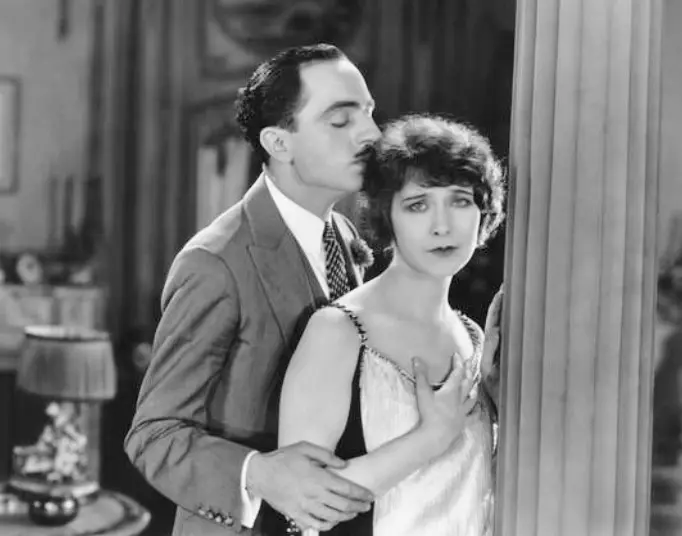
Similarly, the 1920 Swedish masterpiece Erotikon pushed the boundaries of acceptable screen behavior. By focusing on the bored wife of an entomologist pursuing a womanizing aviator, the film introduced a sophisticated, almost cynical view of sexuality that predated the Hays Code's restrictions. It is this willingness to flirt with the taboo that creates a cult following. When a film like Erotikon or Stella Maris (1918) explores the complexities of love, disability, and class through a lens of stark realism or heightened drama, it carves out a space for viewers who find the mainstream narratives of the era too sanitized.
The Rise of the Weird and the Wonderful
Genre Hybrids and Absurdist Visions
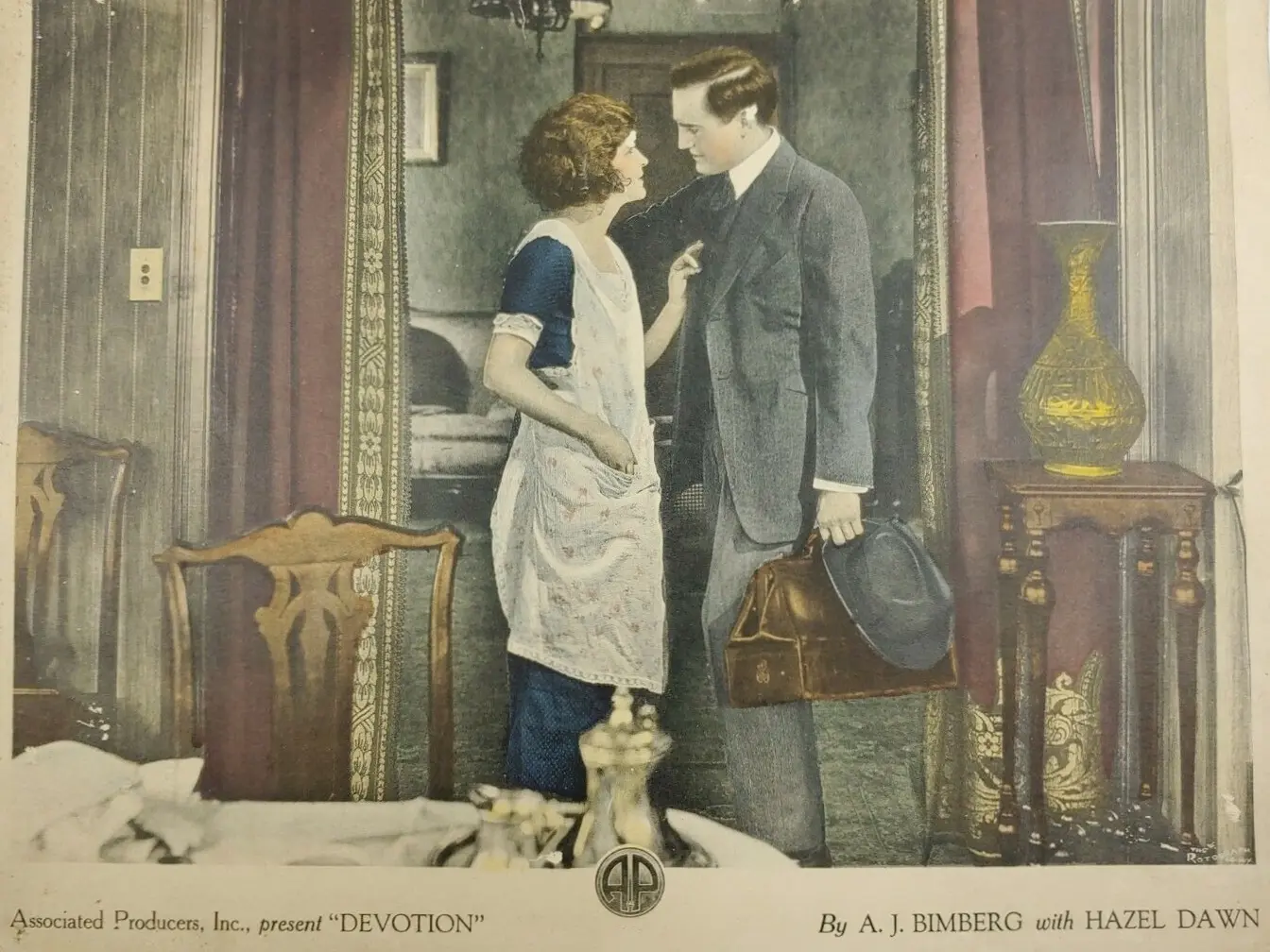
If cult cinema is defined by its weirdness, then the early century was a goldmine of the bizarre. Consider the plot of Hurricane Hutch (1921), an adventure serial that revolves around a desperate struggle to obtain a lost formula for making paper from seaweed. This level of specific, almost surreal plot focus is a hallmark of the cult aesthetic—a narrative so idiosyncratic that it demands a specialized audience. These films didn't just tell stories; they built entire worlds around strange obsessions.
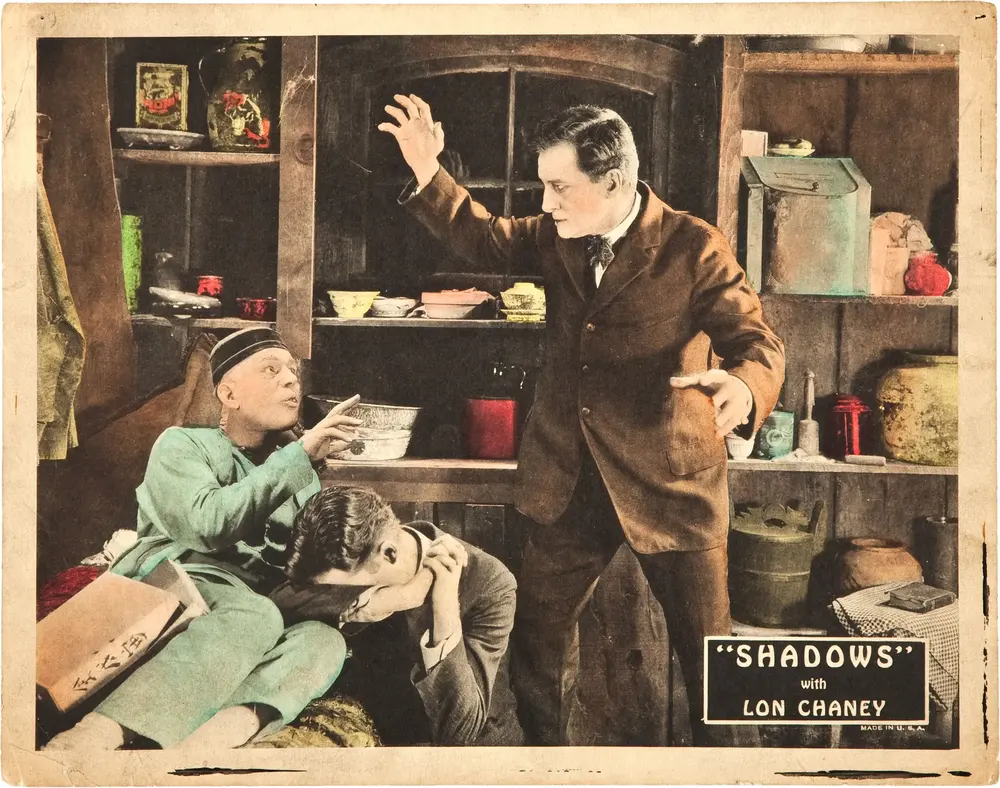
Even the early animation and short comedy sectors contributed to this burgeoning "cult of the curious." In Sweet Papa (1923), the iconic duo Mutt and Jeff deal with a patent for a "squall stopper" to quiet crying children. This kind of absurdist invention mirrors the "gadget-heavy" cult films of the later 20th century, where the technology of the world is as much a character as the actors themselves. Meanwhile, Walt Disney’s early Jack the Giant Killer (1922) used meta-storytelling—Jack telling a story to Susie—to explore the power of the narrative itself, a technique that would later become a staple of cult classics that break the fourth wall.
The Magnetism of the Outcast
The "misfit" is the patron saint of cult cinema. In the early 1900s, this was often explored through the figure of the "Blacksheep" or the "Gypsy." Films like A Black Sheep (1895) and Kilmeny (1915) centered on characters who existed on the fringes of polite society. In Kilmeny, a wealthy girl is taken in by a gypsy band, only to return years later as an outsider to her own bloodline. This theme of the "displaced soul" resonates deeply with cult audiences, who often feel like outsiders themselves.
The exploration of indigenous identity and the "other" also provided a proto-cult foundation. Lone Star (1916) followed an Indian lad who marvels at white medical methods but ultimately seeks to educate his tribe, while The Adorable Savage (1920) took audiences to Fiji to witness a struggle over rubber crops. These films, while often products of their time's biases, nonetheless introduced a fascination with the "exotic" and the "unfamiliar" that would eventually evolve into the global cult cinema movement, where audiences seek out films that offer a window into cultures and perspectives far removed from the Hollywood machine.
The Documentary as Cult Artifact: Nanook of the North
Perhaps the most significant "cult" precursor in the documentary space is Nanook of the North (1922). Robert J. Flaherty’s study of Inuit life is legendary not just for its pioneering cinematography, but for the controversy surrounding its "staged" reality. This tension between truth and artifice is a central pillar of cult fandom. Cultists love to deconstruct the making of a film, and the mythos surrounding Nanook—the idea of the filmmaker as a visionary/manipulator—paved the way for the obsessive analysis of films like *Cannibal Holocaust* or *The Blair Witch Project*. Nanook proved that a film could become a legend based as much on its production history as its on-screen content.
Social Rebellion and Marital Anarchy
Cult cinema frequently serves as a pressure valve for social frustrations. In Petticoats and Politics (1918), we see a lawless mining town where women attempt to oust corrupt politicians. This early spark of feminist rebellion is a direct ancestor to the "rebel" cult films of the 70s. Similarly, The Floor Below (1918) features a "henpecked husband" who joins another unhappy man to rebel against their wives. While played for comedy, the theme of domestic revolt and the subversion of traditional family roles is a recurring motif in cult works that seek to dismantle the "perfect" societal image.
The darker side of social ambition was explored in A Man and His Money (1919), where Harry Lathrop indulges in wild wine parties and extravagant spending before seeking redemption. This portrayal of decadence and the subsequent fall from grace is a narrative arc that cult audiences have always found magnetic. It mirrors the "cautionary tale" energy of films like *Reefer Madness*, but with a more earnest attempt at character study.
The Mystery of the Hidden Hand
The serial format of the early 20th century, such as The Hidden Hand (1917) or The Veiled Mystery (1920), laid the groundwork for the episodic devotion seen in modern fandom. These films relied on cliffhangers, secret identities, and a sense of pervasive mystery. The "cult" of the serial was built on anticipation and communal discussion—the exact same ingredients that fuel today's Reddit threads and fan conventions. When A Study in Scarlet (1914) brought Sherlock Holmes to the screen to solve a murder rooted in a Mormon trek, it wasn't just a mystery; it was the birth of an icon that would be reimagined and worshipped for over a century.
Identity and the Doppelgänger
Identity theft and the doppelgänger motif, seen in The Man Who Lost Himself (1920), where an American replaces an English Earl, tap into a primal human anxiety. This theme of "the stranger in the mirror" is a staple of psychological cult thrillers. It forces the audience to question the nature of the self, a philosophical depth that elevates a simple drama into the realm of the cult classic. By exploring the "accidental" life, these early films spoke to the anxieties of a rapidly changing world.
Redefining the Hero: From Cowboys to Criminals
The "anti-hero" is a cornerstone of the cult ethos. In A Woman's Fool (1918), we see a restless cowboy whose enamoration with a waitress leads him into emotional turmoil. This isn't the stoic, invincible hero of mainstream Westerns; it’s a man driven by a "foolish" passion. Similarly, the criminal organizations in Den grønne Bille (1918) showed a fascination with the ruthless efficiency of the underworld. Cult cinema has always been enamored with the villain, the thief, and the rogue, finding beauty in the "broken law" (as seen in the 1915 film The Broken Law).
Conclusion: The Eternal Flicker
Cult cinema is not a modern invention; it is a timeless impulse. It is the desire to see the world as it truly is—messy, weird, transgressive, and beautiful in its imperfections. From the "Adorable Savage" in Fiji to the "Blacksheep" in Tombstone, early cinema provided a refuge for the unconventional. These films, often forgotten by the mainstream, continue to pulse with a subversive energy that informs every midnight movie screening today.
By revisiting the works of the early 20th century, we find that the "cult" was always there, waiting in the shadows. Whether it was the seaweed paper of Hurricane Hutch or the gypsy curses of Madame de Thebes (1915), these stories were the first to teach us that the most interesting things happen on the fringe of the frame. As we continue to celebrate the mavericks and misfits of the screen, we owe a debt to these early pioneers who first dared to be different.
Community
Comments
Log in to comment.
Loading comments…