
Cult Cinema
The Indigo Insurrection: Unearthing the Primal Deviance and Genre Mutations of Cinema’s Earliest Midnight Rebels
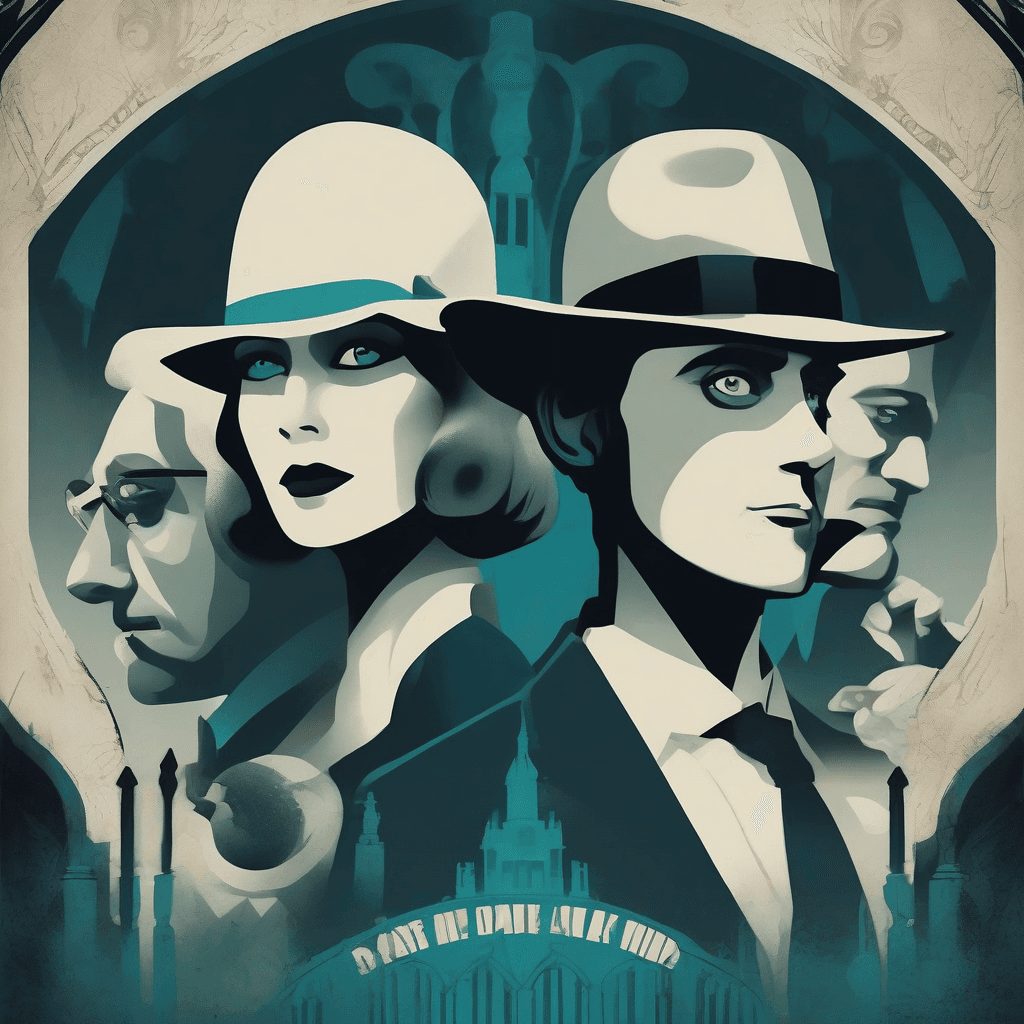
“Explore the transgressive roots of cult cinema through a deep dive into the silent era's most eccentric, moralistic, and genre-defying masterpieces.”
To understand the modern midnight movie—that peculiar cocktail of obsession, transgression, and community—one must look beyond the neon-soaked 1970s and into the flickering shadows of the silent era. Cult cinema is often defined as a film that has acquired a dedicated following, often characterized by its unconventional nature, its rejection of mainstream sensibilities, and its ability to provoke intense personal devotion. Long before The Rocky Horror Picture Show or Eraserhead, the seeds of this Indigo Insurrection were sown in the nitrate soil of the 1910s and 1920s. These were the years when the rules of narrative were still being written, and the fringe was where the most daring experiments occurred.
The Genesis of the Transgressive Lens
The very essence of cult cinema lies in its willingness to confront the taboo. Consider the 1922 masterpiece Häxan. Part documentary, part horror-fantasy, Benjamin Christensen’s exploration of witchcraft and hysteria remains one of the most visually arresting and disturbing films of the silent period. By blending historical research with surrealist imagery of demons and sabbaths, Häxan bypassed the traditional genre boundaries of its time. It didn't just tell a story; it created an immersive, terrifying world that challenged the audience's understanding of religion and mental health. This is the primal weirdness that defines the cult experience—the feeling of seeing something that shouldn't exist, yet demands your absolute attention.
Similarly, the 1917 documentary Birth Control, based on the work of Margaret Sanger, represents a different kind of transgression. In an era of strict censorship and moral rigidity, Sanger’s film was a radical act of social defiance. It used the medium of film not for escapism, but for political and social upheaval. Cult cinema has always been a sanctuary for these outlier narratives, providing a platform for voices that the mainstream sought to silence. When we watch these films today, we aren't just seeing history; we are witnessing the birth of the cinematic rebel.
The Architecture of Moral Anarchy
In the silent era, the struggle between virtue and vice was often depicted with a surreal intensity that prefigures the psychodramas of modern cult directors. The Struggle Everlasting (1918) is a fascinating example, where Mind, Body, and Soul are personified as characters. The story of a college student (Mind) becoming infatuated with a local barmaid (Body) while ignoring his brother (Soul) is more than a simple morality play; it is a bizarre, allegorical descent into the human psyche. This kind of genre mutation—turning abstract concepts into physical protagonists—is a hallmark of the unconventional storytelling that cult audiences crave.
We see a similar exploration of obsession in the German film Menschen im Rausch. The story of Professor Munk, a respected composer who loses everything for the "unscrupulous whore" Asta, mirrors the destructive passions found in later cult classics like Blue Velvet. The film’s focus on the loss of social standing and the all-consuming nature of lust provides a dark, intoxicating atmosphere that separates it from the more wholesome fare of the time. It is in these shadowed corners of human experience that cult cinema finds its most devoted disciples.
The Comedy of the Grotesque and the Absurd
Cult cinema isn't always grim; it often finds its soul in the absurd and the surreal. Take A Prohibition Monkey, a short that imagines a town called Beer Bottle Bend where babies chew tobacco and the local saloon owner runs the show. This kind of hyper-stylized, exaggerated reality is a precursor to the camp sensibilities of John Waters or the Coen Brothers. It takes a familiar setting and pushes it to a point of visual anarchy.
Even the more traditional comedies of the era, such as Grandma's Boy or An Old Fashioned Boy, often featured protagonists who were social misfits. David Harrington in An Old Fashioned Boy, with his rigid adherence to suburban ideals in the face of an "ultra-modern" world, creates a friction that feels surprisingly contemporary. The cult hero is almost always an outsider, someone whose internal logic doesn't quite match the world around them. Whether it's the meek man in Grandma's Boy finding courage to face a rogue tramp or the misadventures in My Mistake where a black-eye must be explained to a violent wife, these films celebrate the struggle of the individual against an often-hostile environment.
Technical Marvels and Fantastic Voyages
The early 20th century was a time of rapid technological advancement, and cinema was the primary medium through which the public processed these changes. Films like The Submarine Eye (1917) captured the imagination by showcasing a "special inverted periscope" to view the ocean floor. This fascination with the unseen and the hidden is a core component of the cult aesthetic. It’s about the joy of discovery—the feeling of being let in on a secret that the rest of the world has missed.
In Marvelous Maciste, we see an early example of meta-cinema. A girl, fleeing gangsters, enters a theater to watch the film Cabiria and becomes convinced that the hero, Maciste, can save her in real life. This blurring of the lines between the screen and reality is exactly what happens in modern cult fandom. The audience doesn't just watch the film; they inhabit it. They look to the screen for heroes who can solve their real-world problems, creating a sacred bond between the viewer and the icon.
The Melodramatic Rebel and the Social Outcast
Melodrama in the silent era often pushed emotional boundaries to their breaking point. Camille (1921), starring the legendary Alla Nazimova, brought a stylized, almost avant-garde aesthetic to the story of a courtesan's tragic love. Nazimova herself was a figure of cult devotion, known for her eccentricities and her refusal to conform to Hollywood's star system. Her performance in Camille is a masterclass in the kind of heightened reality that defines the cult experience.
Other films of the period, like The Foundling, Yankee Pluck, and Dust Flower, dealt with themes of class struggle, abandonment, and the search for identity. In Dust Flower, a millionaire marries a woman who just attempted suicide merely to spite his fiancée. This kind of moral deviance—using another human being as a tool for revenge—creates a narrative tension that is both uncomfortable and fascinating. Cult cinema thrives on these moral gray areas, where the line between hero and villain is perpetually blurred.
Decoding the Genetic Blueprint of Obsession
Why do we return to these films? Why does a century-old short like The Ouija Board, featuring Koko the Clown being haunted by ghosts, still resonate? It’s because these films contain the genetic blueprint of the strange. They represent a time when the cinematic language was fluid, and the possibilities were endless. From the gritty realism of The Apaches of Paris to the swashbuckling adventure of Jack Chanty, the silent era was a laboratory for the themes that would eventually define the midnight movie.
Consider The Talk of the Town (1918), where a girl raised in a strict environment rebels after reading a book titled "How to Attract the Opposite Sex." This narrative of sexual awakening and rebellion is a timeless cult trope. It speaks to the universal desire for freedom and the rejection of societal constraints. Whether it’s the "old-fashioned" David Harrington or the rebellious Genevra French, these characters are the ancestors of the misfits and outlaws we celebrate today.
The Indigo Insurrection is not just a look back at history; it’s an acknowledgment of the enduring power of the fringe. These films—often lost, forgotten, or relegated to the archives—are the true foundation of our cinematic culture. They remind us that the most important stories are often the ones that the world tried to ignore. By unearthing these misfit masterpieces, we don't just rediscover the past; we find the keys to our own modern obsessions.
A Legacy of Shadows
As we look at the diverse array of films from this period—the wartime documentaries like The Retreat of the Germans, the romantic tangles of Head Over Heels, and the exoticism of Alma, Where Do You Live?—we see a medium in a state of constant evolution. Each film, no matter how small, contributed to the transgressive DNA of the moving image. They taught us how to watch, how to feel, and how to devote ourselves to the flickering light on the screen.
The silent era’s midnight soul is still alive. It’s in the way we gather in dark theaters to watch the unconventional. It’s in the way we quote lines from films that most people have never heard of. It’s in the way we find beauty in the bizarre and the broken. The Indigo Insurrection continues, and its echoes can be heard in every frame of cult cinema produced today. We are the inheritors of this legacy, the devoted disciples of the celluloid outlaw, forever seeking the next masterpiece in the shadows of the unknown.
Community
Comments
Log in to comment.
Loading comments…