
Cult Cinema
The Magnetic Anomalies: Unraveling Cult Cinema's Enduring Spell from the Silent Era's Depths
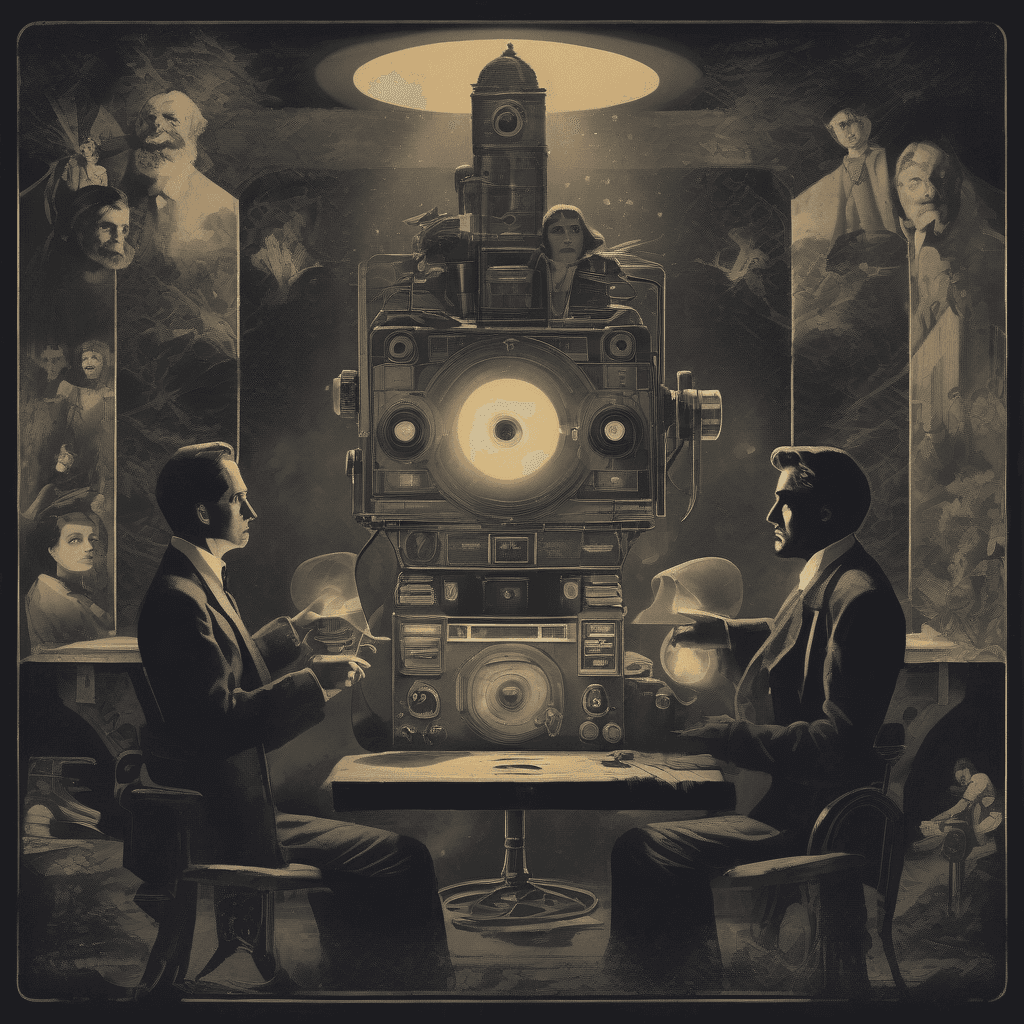
“Cult cinema isn't merely a modern phenomenon of midnight screenings; its enduring allure traces back to the silent era's bold, often overlooked films that dared to be different, challenging norms and forging deep connections with niche audiences.”
In the vast, shimmering tapestry of cinematic history, certain threads refuse to blend seamlessly. They are the vibrant, often unsettling, and undeniably unique strands that form the phenomenon we affectionately term cult cinema. Far from being a mere modern invention of VHS-era oddities or late-night cable programming, the roots of cult film run astonishingly deep, burrowing into the very nascent years of motion pictures. Before the term 'midnight movie' was coined, before counter-culture adopted the genre-bending and transgressive narratives of the 1970s, there were films that, by their very nature, were destined for a different kind of devotion. These were the cinematic anomalies, the forgotten gems, and the accidental masterpieces that, despite initial obscurity or critical indifference, cultivated an intense, almost spiritual, following.

To truly understand the enduring allure of cult cinema, we must journey beyond the familiar landmarks of the mainstream and delve into the fringe, the independent, and the downright bizarre. It's a journey that reveals how the spirit of rebellion and unconventional storytelling has always pulsed beneath the surface of the film industry. The silent era, in particular, with its less rigid genre definitions and burgeoning narrative experimentation, provided fertile ground for works that would later be re-evaluated, celebrated, and enshrined in the pantheon of the peculiar.
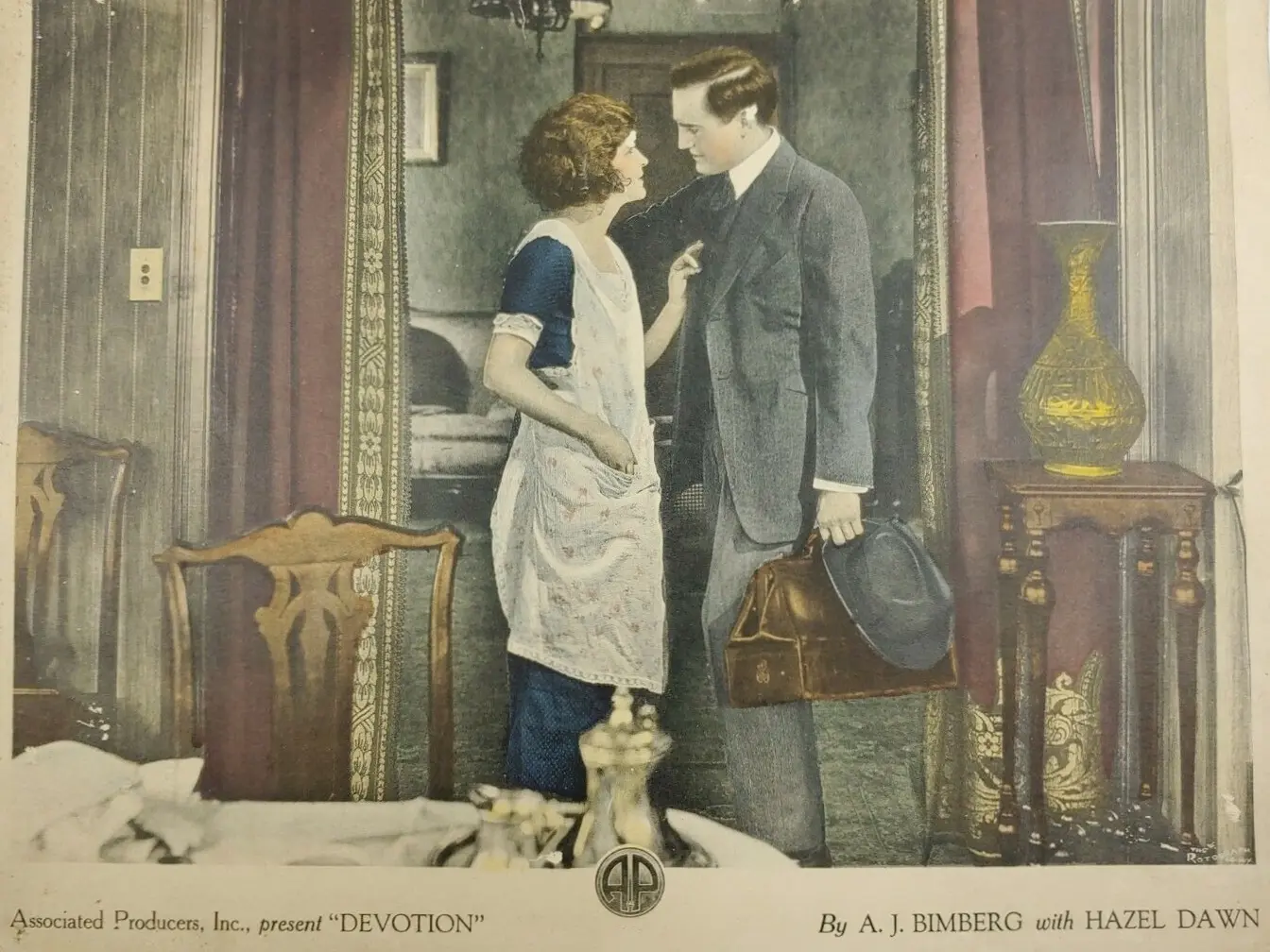
The Genesis of the Unconventional: Sparks in the Silent Era
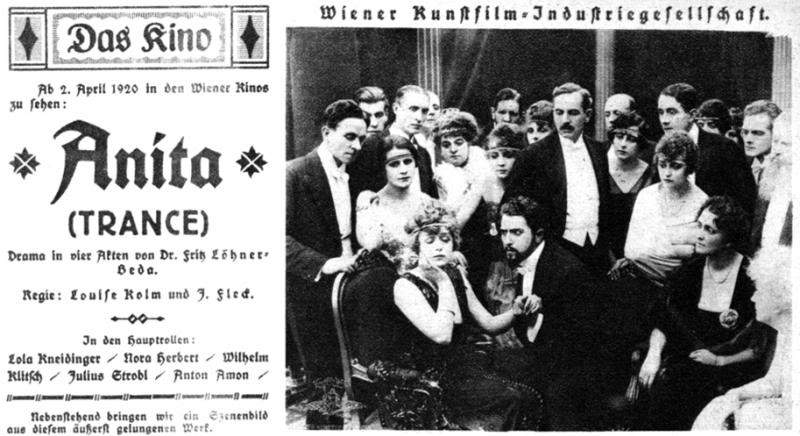
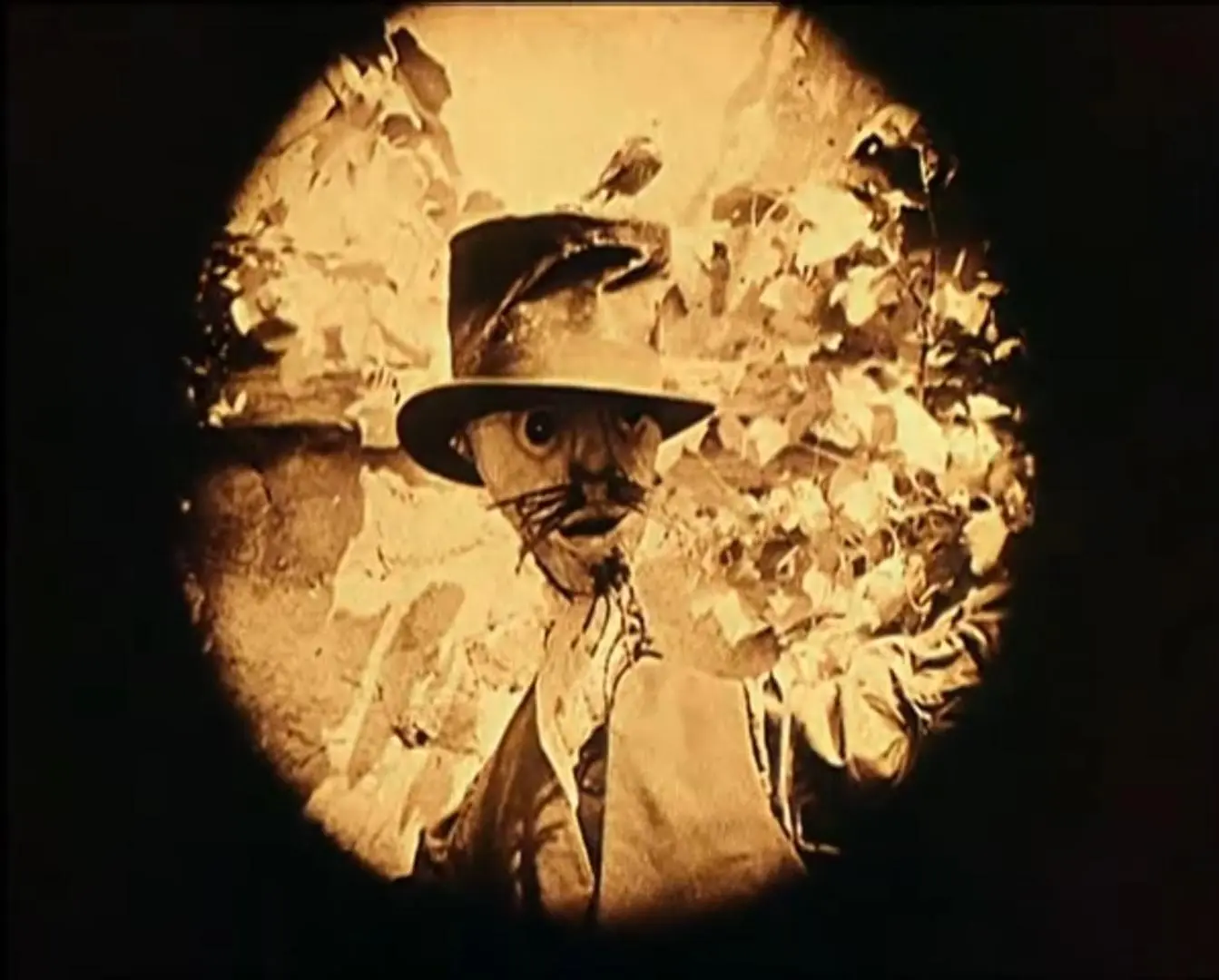
The early 20th century was a wild west for filmmakers, a landscape where rules were still being written, and innovation was often born of necessity and boundless imagination. It was in this crucible that the first maverick visions took shape, often without the explicit intention of becoming 'cult' objects. Consider films like Anita, an early German horror that delved into the unsettling world of hypnotism, or The Scarecrow, a short from 1921 that boldly depicted agents of the Devil and scenes in Hades. These weren't just entertainment; they were forays into the unknown, pushing the boundaries of what audiences expected from a cinematic experience. They were, in essence, proto-cult films, laying the groundwork for future generations of transgressive cinema.

The nascent film industry, less constrained by formulaic genre expectations and big-budget commercial pressures, allowed for a greater degree of creative freedom. Directors and writers could explore themes and narratives that might later be deemed too niche or controversial for widespread release. Films like The Birth of Character, which pondered alchemical teachings and human transformation, or The Eternal Question, a philosophical debate on the nature of woman, exemplify this early willingness to engage with abstract or profound concepts. These were not always box office titans, but their unique perspectives ensured their longevity in the minds of those who encountered them.
Narratives of the Outcast and the Other: Resonating with the Fringe
A recurring motif in cult films, from any era, is a focus on characters and stories that exist outside the societal norm. The celluloid outcasts, the misfits, and the morally ambiguous often become the unlikely heroes or compelling figures around whom niche fandoms coalesce. The silent era provided a rich tableau for such narratives. Drankersken, a Danish film about a woman relapsing into alcohol abuse, or The Slave, depicting a woman trapped in a vicious marriage, offered stark, often uncomfortable, reflections of societal struggles. These were not always uplifting tales, but their raw honesty and unflinching portrayal of human frailty resonated deeply with audiences seeking more than escapism.
Then there are the films that dared to challenge the social fabric directly. Common Property, a Russian film about the nationalization of women, must have been utterly shocking and subversive for its time, guaranteed to provoke strong reactions and spark intense discussion among its viewers. Even melodramas like Sowing the Wind, featuring a notorious gambling house queen, or A Woman's Honor, delving into themes of reputation and betrayal, pushed against the conservative sensibilities of the day. These films, by exploring taboo subjects or presenting transgressive rhythms, naturally found an audience that appreciated their audacity and willingness to tackle difficult truths.
Beyond social commentary, early cinema also embraced characters on the literal fringes of society. The Wharf Rat, with its orphan protagonist and themes of familial hatred, or He Comes Up Smiling, following a bank clerk who falls in with hobos and becomes a 'king of the market,' presented alternative lifestyles and subcultures. These characters, often struggling against overwhelming odds or societal judgment, became emblematic of the rebel heart that beats at the core of cult appreciation. Viewers who felt alienated or misunderstood often found solace and recognition in these cinematic outposts.

Aesthetics of the Anomalous: The Unforgettable Look and Feel
What often distinguishes a cult film is not just its story, but its unique aesthetic, its distinctive visual language, or its peculiar tone. Early cinema, in its quest to define its own artistic identity, produced numerous works that, intentionally or not, developed an unconventional charm. From the dramatic chiaroscuro of German Expressionism to the bold, theatrical performances characteristic of the era, films often possessed a raw, unfiltered quality that stands in stark contrast to later, more polished productions.
Consider the sheer variety of early films that, though perhaps not immediately recognized as cult classics, certainly possessed the ingredients. Adventures like Maciste und die Javanerin, featuring the iconic strongman, or action-packed crime dramas such as The Jaguar's Claws and Border Raiders, with their thrilling plots of bandits and smuggling, offered a certain heightened reality. These films, often characterized by over-the-top performances, dramatic lighting, and intricate set pieces, created worlds that were both captivating and slightly off-kilter, fostering an immediate sense of wonder and otherworldliness. This visual and narrative anarchy, a hallmark of the early cinematic landscape, paved the way for the genre mutations that would become central to cult film identity.
Even comedies, like the Greek short O Villar eis ta gynaikeia loutra tou Falirou or the slapstick of Swat the Fly, could develop a niche appeal through their sheer eccentricity. The experimental animation of I'm Ringing Your Party suggests an early embrace of unconventional forms that would later define much of experimental and avant-garde cinema, often a precursor to cult status. It's this willingness to step outside the prescribed cinematic grammar, to embrace the sacred weirdness, that allows films to carve out a special place in the hearts of discerning viewers.
The Ritual of Rediscovery: From Obscurity to Iconography
Perhaps one of the most compelling aspects of cult cinema is its capacity for reappraisal and rediscovery. Many films, initially dismissed, misunderstood, or simply lost to time, find their true audience decades later. The silent era is particularly rich in these stories. Imagine a film like The Mystery of the Black Pearl or The Yellow Traffic, perhaps considered B-movies or disposable entertainment in their day, now being unearthed and appreciated for their unique qualities, historical significance, or unintentional camp value. This phenomenon highlights that cult status isn't always immediate; it's often a slow burn, a gradual accumulation of whispers and shared experiences that eventually ignite a fervent fan devotion.
The idea of the 'midnight movie,' while typically associated with the counter-cultural screenings of the 1970s, has a spiritual predecessor in these early films. Audiences, then as now, sought out experiences that deviated from the norm, whether it was the thrilling adventure of The Man o' War's Man or the period drama of To Have and to Hold, which might have resonated with a specific demographic seeking historical escapism or narratives of strong female characters. These were the films that, for whatever reason, transcended their initial context, becoming objects of fascination and repeated viewing for a dedicated few. The act of sharing these unseen narratives, of introducing them to new converts, becomes a ritual, solidifying their place in the cinematic underground.
Beyond the Screen: The Cult Community and Its Unyielding Legacy
Ultimately, what truly defines a cult film is not just the film itself, but the community that forms around it. It's the shared language, the inside jokes, the collective memory, and the passionate advocacy that elevates a mere motion picture into something akin to a sacred object. From the intricate plots of crime thrillers like Jim the Penman or Black Roses to the more whimsical fare of The Country Flapper or The Million Dollar Dollies, any film, given the right set of circumstances and a receptive audience, can become a catalyst for communal obsession.
The enduring power of cult cinema lies in its ability to forge unbreakable bonds between viewers. These films often speak to a particular sensibility, a shared worldview, or a desire for something beyond the blandishments of mass-produced entertainment. They offer a sense of belonging, a secret handshake among those who 'get it.' Whether it's the melodrama of Life's Whirlpool, the moral quandaries of The Unwelcome Wife, or the adventurous spirit of The Silent Call, each film, however obscure, contributes to a larger narrative of cinematic rebellion and unorthodox devotion. The audiences become curators, historians, and evangelists, ensuring that these maverick reels continue to flicker, captivating new generations.
In an era dominated by algorithms and homogenized content, the pursuit of cult films remains a deeply personal and enriching experience. It's a testament to the fact that true cinematic artistry often thrives in the margins, away from the glare of the spotlight. The forgotten films of the silent era, with their raw energy, experimental narratives, and often shocking themes, remind us that the spirit of the cult has always been an integral part of cinema’s DNA. They are the magnetic anomalies, pulling us into their orbit, inviting us to look closer, and challenging us to redefine what makes a film truly unforgettable.
From the earliest days of moving pictures, certain works possessed an intrinsic, almost alchemical quality that resonated with a specific, often passionate, audience. These films, whether intentionally provocative or accidentally profound, laid the groundwork for what we now recognize as cult cinema. They are the whispered legends, the treasured secrets, and the enduring testaments to the power of unique vision and dedicated viewership. Their legacy is not just in their narratives or their visual style, but in the communities they foster and the enduring passion they ignite, proving that some stories are simply too vital, too strange, or too beautiful to ever truly fade away.
Community
Comments
Log in to comment.
Loading comments…