
Film History
The Masquerade of the Damned: How the 1920s Cult of Identity Erasure Scripted the Modern Anti-Hero
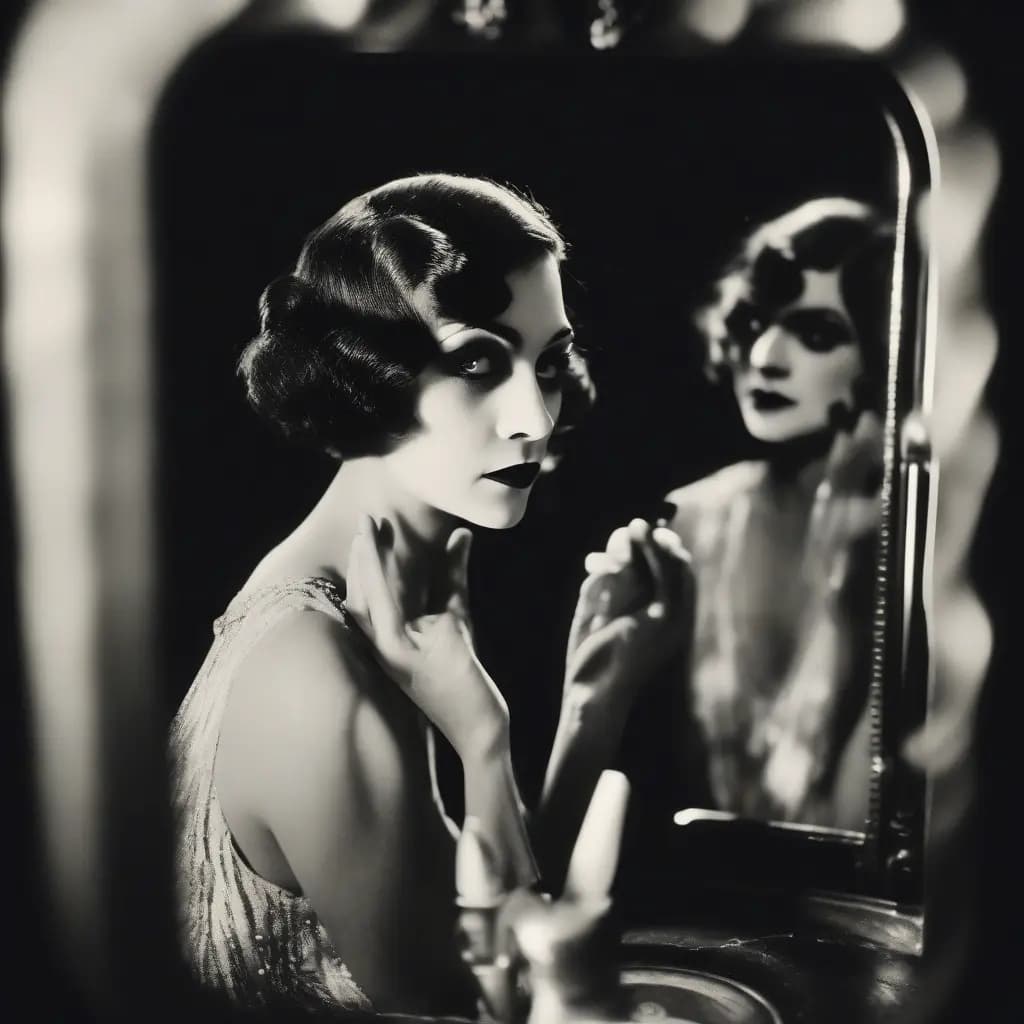
“Explore how the silent era's obsession with amnesia, social climbing, and moral dualism birthed the transgressive identity-shifting archetypes of modern cult cinema.”
There is a specific, haunting quality to the nitrate flicker of the early 1920s—a period where the world was collectively reeling from the psychic shrapnel of the Great War. It wasn't just the politics that were fractured; it was the human soul. In the dark, smoke-filled theaters of the era, a new kind of protagonist began to emerge: the ghost in the machine of society. These weren't the square-jawed heroes of Victorian morality, but rather figures of profound instability. They were amnesiacs, social climbers with forged pedigrees, and 'vamps' who wore their morality like a discarded silk wrap. This was the birth of the cult of identity erasure, a cinematic movement that suggested the self was nothing more than a costume that could be traded, stolen, or violently stripped away.
Modern cult cinema owes everything to this era of the 'fluid self.' Before we had the fractured protagonists of David Lynch or the identity-thieving anti-heroes of noir, we had films that treated the human mind as a fragile vessel prone to cracking under the slightest pressure. To understand why we are still obsessed with the 'broken' character today, we must look back at the 1920s, where the line between the aristocrat and the outlaw was often just a well-timed blow to the head or a carefully crafted lie.
The Amnesiac Outlaw: Liberation Through Forgetting
Few tropes have been as enduring in the cult lexicon as the man who forgets himself. In the 1916 film The Lost Bridegroom, we see a foundational example of this psychological horror masquerading as drama. A man, conked on the head, loses his memory (aphasia) and is immediately coerced into a life of crime, specifically robbing the home of his own fiancée. This isn't just a plot device; it’s a terrifying meditation on how easily the 'civilized' man can be rewired into a predator once his history is erased.
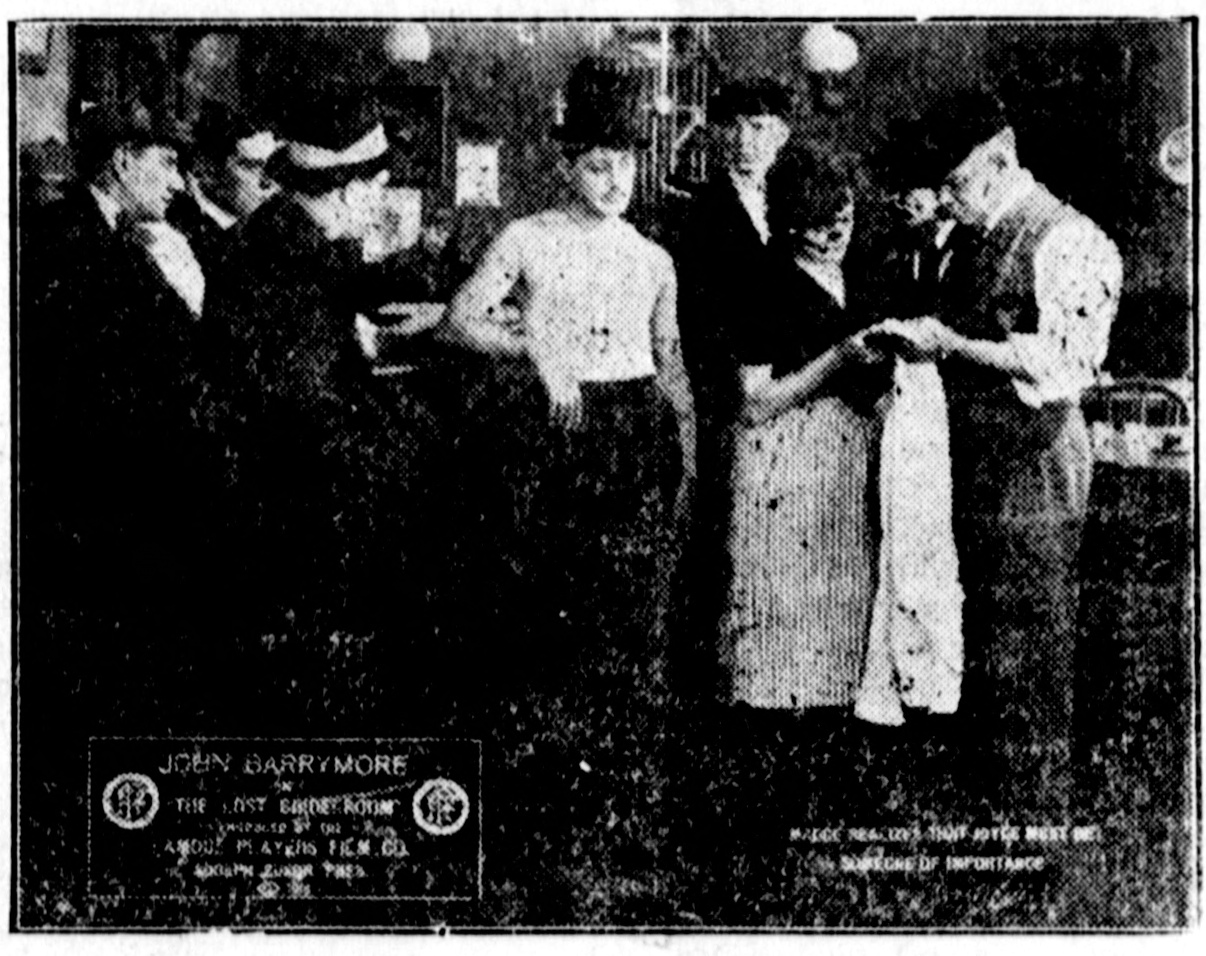
The cult appeal here lies in the subversion of agency. If a man can be forced to rob his own life, does the 'self' even exist? This theme resonates through decades of cinema, from the brainwashed assassins of the Cold War era to the memory-wiped residents of Dark City. In The Lost Bridegroom, the tragedy is the loss of the social contract. The protagonist becomes a blank slate upon which the underworld can write its own dark directives. It suggests that our morality is not innate, but merely a collection of memories we are one accident away from losing.
The Vamp and the Adventuress: Weaponizing the Mask
While the men of the era were losing their identities to trauma, the women were often shown actively discarding theirs to survive. The 'Adventuress' became a staple of the transgressive silent film, a figure who navigated the high-stakes world of the elite through sheer force of will and deception. Take Trifling Women (1922), directed by the visionary Rex Ingram. The film is a masterclass in the 'story-within-a-story' technique, used to warn a young woman about the dangers of faithlessness. But for the cult viewer, the real draw is the character of Zareda, a Parisian adventuress who manipulates the desires of men with surgical precision.
Zareda and her ilk represent a radical departure from the 'maiden in distress.' They are the architects of their own personas. In A Modern Salome, we see Virginia Hastins, a woman driven by the fear of poverty to break her engagement and marry for money, only to spiral into a life of lavish, empty spectacle. These films weren't just cautionary tales; they were blueprints for the 'femme fatale.' They explored the idea that identity for women in a patriarchal society was a performance—one that could be used to seize power, even if it led to ultimate destruction.
- The use of elaborate costumes as armor in Trifling Women.
- The psychological toll of the social masquerade in A Modern Salome.
- The recurring motif of the 'fallen' woman who finds more freedom in the gutter than the parlor.
The Scullery Maid’s Delusion: Class Warfare and the Fluid Self
If identity could be lost or weaponized, it could also be stolen. The 1920s were obsessed with the 'Cinderella' narrative, but in the hands of more subversive filmmakers, this was less about magic and more about the desperation of class warfare. Cinderella's Twin (1920) gives us Connie McGill, a scullery maid who dreams of a 'Prince Charming' but is trapped by her social standing. The 'cult' element here is the fixation on the double—the twin—the idea that the only difference between the servant and the socialite is the lighting and the fabric of the dress.
"In the silent era, the face was the only landscape that mattered. When that face was masked by a lie, the cinema became a cathedral of the uncanny."
This obsession with social mobility through deception reached its gritty peak in films like Hungry Hearts (1922). Based on the stories of Anzia Yazierska, it brought the raw, unvarnished reality of the Jewish immigrant experience to the screen. Here, identity isn't a game; it's a battle. The characters are caught between their heritage and the crushing pressure to assimilate—to become 'American,' which in this context meant erasing the self to fit into a new, unforgiving mold. This tension between the authentic self and the projected persona is the heartbeat of cult cinema's fascination with the 'outsider.'
The Sacred and the Profane: Divine Identity and Anarchy
Perhaps the most daring exploration of identity in this period involved the blurring of the divine and the deviant. Crown of Thorns (1923), directed by Robert Wiene of The Cabinet of Dr. Caligari fame, is a startling example. It embeds the Passion of Christ within a contemporary story of an anarchist jailed for an assassination attempt. By juxtaposing the ultimate sacred figure with the ultimate social pariah, Wiene suggests a terrifying fluidity between the savior and the destroyer.
This is where the cult mindset truly takes root. It’s the rejection of binary identities. A man can be a murderer and a martyr simultaneously. This same energy is found in The Monkey's Paw (1923), where the identity of the 'son' returned from the grave is left in a state of horrific ambiguity. Is it the boy they loved, or a shell inhabited by something else? The 1920s didn't just give us monsters; it gave us the 'uncanny self'—the person who looks like someone you know but is fundamentally, terrifyingly different.
The Legacy of the Fractured Frame
We see the echoes of these films in every modern cult classic that deals with the fragmentation of the ego. When we watch the psychological unraveling of characters in the works of Cronenberg or the identity-swapping games of Fight Club, we are seeing the seeds planted by the amnesiacs and adventuresses of the silent era. They taught us that the camera is the ultimate tool for deconstructing the human facade.
The 1920s were a time of 'Masks and Masquerades' because the world had seen too much truth. The Great War had shown what lay beneath the skin, and it was mostly bone and blood. Cinema responded by creating a playground where identity was as ephemeral as the light passing through the film strip. Whether it was the counterfeiter in The Breaker exchanging suitcases of fake money for a new life, or the daughter in Reputation (1921) discovering the mother who deserted her in an orphanage, these stories were about the desperate search for a 'real' self in a world of shadows.
Ultimately, the cult of identity erasure in the 1920s wasn't just about entertainment; it was a survival strategy. It allowed audiences to process the fact that their world had changed forever, and that they might have to change with it—even if that meant becoming someone they no longer recognized. It is this core of existential dread, wrapped in the glamorous trappings of the silent screen, that continues to draw us back to these flickering relics. We aren't just watching ghosts; we are watching the birth of the modern, fractured soul.
Community
Comments
Log in to comment.
Loading comments…