
Cult Cinema Deep Dive
The Maverick’s Monolith: Decoding the Transgressive Soul of Cinema’s Silent Underground
“A deep dive into how the forgotten misfits and narrative rebels of the early 20th century forged the genetic blueprint for modern cult cinema.”
When we speak of cult cinema, the mind often drifts to the midnight movie craze of the 1970s, to the neon-soaked transgressions of the 80s, or the gritty independent boom of the 90s. Yet, the true soul of the cult phenomenon—the obsession with the marginalized, the unconventional, and the subversive—was born much earlier. It was forged in the flickering shadows of the silent era, where early filmmakers experimented with narrative anarchy and moral ambiguity long before the industry developed its rigid codes of conduct. To understand the modern cult obsession, we must look back at the cinematic outliers that dared to challenge the status quo when the medium was still in its infancy.
The Obsessive Lens: Art, Madness, and the Transgressive Gaze
At the heart of many cult films lies a deep, often uncomfortable exploration of obsession. This is perhaps most vividly realized in the 1917 masterpiece Umirayushchiy lebed (The Dying Swan). In this film, a grief-stricken ballerina becomes the focal point for an artist whose devotion to his craft spirals into a terrifying, unhinged fixation. This narrative of the "mad artist" is a foundational trope of cult cinema, reflecting the audience’s own obsessive relationship with the screen. The visual poetry of the ballerina’s demise, juxtaposed with the artist’s mental collapse, creates a haunting aesthetic that resonates with the dark romanticism found in later cult classics.
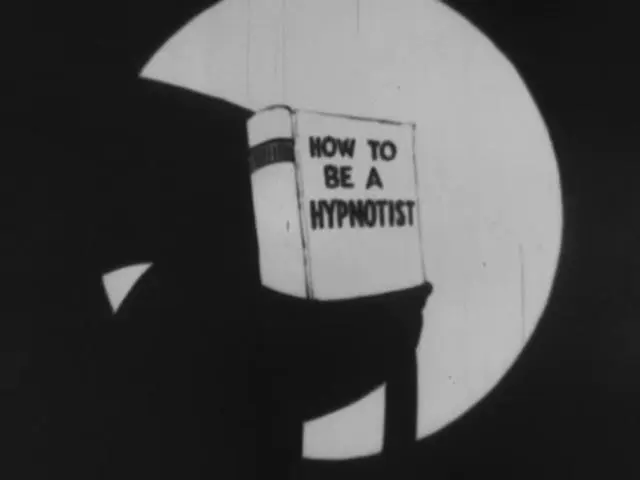
Similarly, the 1917 version of Trilby introduces us to the figure of the hypnotist—a character who exerts a supernatural level of control over his subject. The dynamic between the master and the model, where love cannot be forced despite the total subjugation of the will, speaks to the themes of power and autonomy that frequently populate the cult genre. These films didn't just tell stories; they explored the psychological undercurrents of human behavior, often leaning into the grotesque and the uncanny. The "hypnotic gaze" of the silent screen was the first step toward the immersive, almost religious experience of the midnight movie screening.
The Law and the Lawless: Social Subversion in Early Noir
Cult cinema has always been a sanctuary for stories that expose the rot beneath the surface of polite society. Long before the term "noir" was popularized, films like The Third Degree (1919) were already pulling back the curtain on institutional corruption. By exposing the brutal methods used by police departments to extract confessions, the film positioned itself as a radical critique of the justice system. It championed the innocent member who breaks under pressure, creating a narrative of the individual against the machine—a theme that remains a cornerstone of cult fandom.
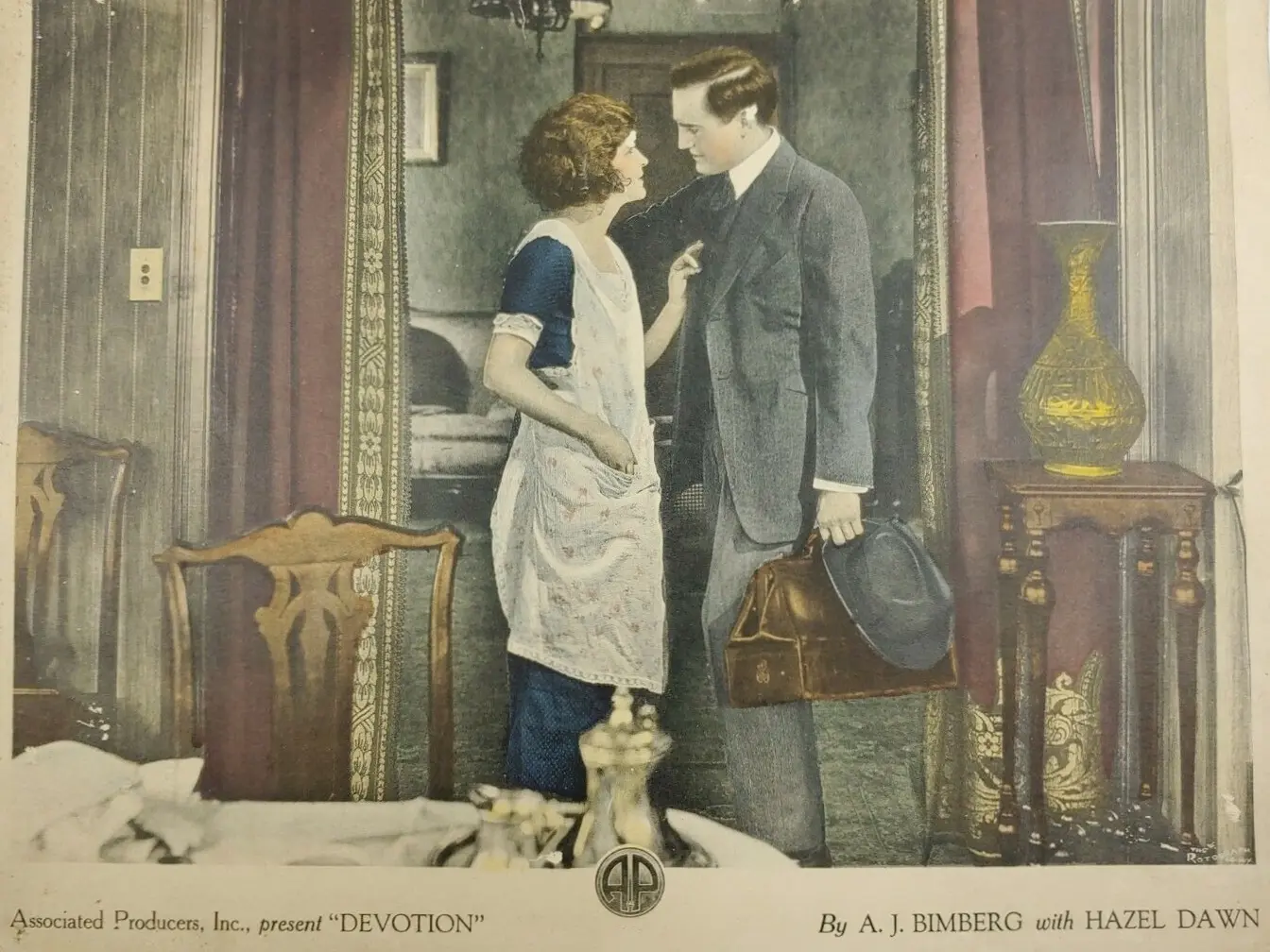
This defiance of authority is further explored in The Hidden Truth, where the rough-and-tumble environment of Nugget City provides the backdrop for a story of domestic abuse and revenge. When Helen Merrill befriends the abused Myrtle Cadby, the film shifts from a simple Western drama into a poignant exploration of female solidarity against male cruelty. This early focus on the marginalized voice is exactly what draws modern audiences to forgotten gems. Whether it is the ex-con in The Wonderful Chance who finds himself embroiled in a kidnapping plot involving a British aristocrat, or the struggling protagonist of Parted Curtains who is forced into crime by a society that refuses to hire an ex-convict, these films humanize the "outlaw" in a way that early mainstream cinema rarely dared.
Urban Despair and the Allure of the Forbidden
The transition from rural innocence to urban decadence is another recurring motif that early cinema utilized to great effect. In Broadway Love, we see the classic tale of a small-town girl lured by the bright lights of New York, only to find herself trapped in the "fast" crowd of party girls and chorus lines. This descent into the urban labyrinth mirrors the gritty realism found in Luciella, a Neapolitan story that dives into the world of prostitution, poetry, and passion. These films were the ancestors of the "urban grit" subgenre, capturing the visceral reality of the streets with a frankness that was both shocking and alluring to contemporary audiences.
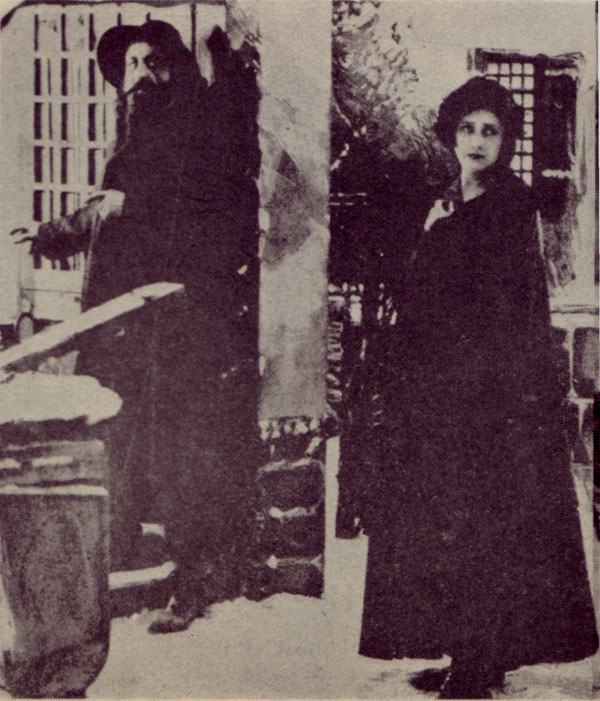
Even in the realm of the short film, the sense of urban chaos was palpable. The Top of New York took viewers into the tenements, focusing on the fragile health of a young boy living in poverty. By grounding their stories in the tenement life and the struggles of the working class, these filmmakers were creating a cinema of the people, for the people—a far cry from the escapist fantasies that would later dominate the Hollywood Golden Age. This commitment to truth, however ugly, is what gives these films their enduring cult magnetism.
Farce as a Weapon: The Anarchy of Early Comedy
While drama provided the emotional weight, the early silent comedies provided the anarchic spirit that would eventually define the more eccentric side of cult cinema. Take The Bullshevicks, a "Bolsheviki" burlesque that turned political upheaval into a laughable crime spree involving newspaper reporters and a vamping Russian countess. This kind of irreverent satire was a way for filmmakers to process the chaotic world around them, using absurdity to dismantle serious political ideologies. It was the 1920s equivalent of the counter-culture satires that would emerge in the 1960s.
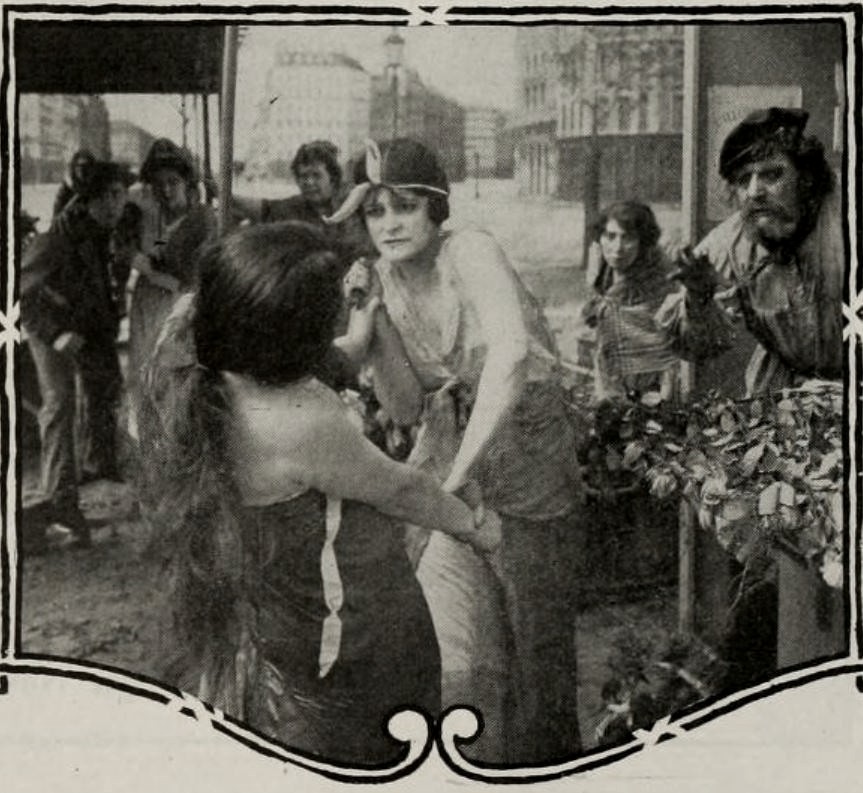
Shorts like Choose Your Weapons and Chicken à la Cabaret utilized physical comedy to poke fun at social institutions like the military and the police. In Choose Your Weapons, a humble protagonist is sucked into farcical post-combat politics, while Chicken à la Cabaret turns a policeman's benefit into a chaotic magical mishap. This narrative irreverence—the willingness to let a story dissolve into pure, unadulterated chaos—is a key ingredient in the cult movie recipe. It’s the same energy found in Jungle Jumble or Scenic Succotash, where the very titles suggest a rejection of traditional structure in favor of a more experimental, "jumbled" experience.
Domestic Horrors and the Architecture of Boredom
Cult cinema often thrives in the claustrophobic spaces of the home, where suppressed emotions eventually boil over into tragedy. Carl Theodor Dreyer’s The Master of the House is a masterclass in this kind of domestic tension. The story of a husband bored by his "old-fashioned" wife who becomes enamored with a young governess is a biting critique of patriarchal boredom and the fragility of the family unit. It treats the home not as a sanctuary, but as a theater of psychological warfare.
This theme is echoed in The Family Cupboard, where a self-made man's fortune leads to a family absorbed in society and vanity, eventually leading to a moral collapse. Even the melodrama Law of the Land explores the sacrifices made within marriage to save a family's reputation, showing the domestic sphere as a place of quiet desperation and hidden disgrace. These films predate the "suburban gothic" by decades, proving that the cult fascination with the dark side of the American (or European) dream has very old roots. When we watch a film like The Marriage of William Ashe, which deals with radical literature and convent school rebellion, we see the early sparks of the rebel heart that would later define the cult icon.
The Intellectual Fringe: Shakespeare and the Baconian Theory
One of the most fascinating aspects of early cult-adjacent cinema is its willingness to engage with niche intellectual debates. Master Shakespeare, Strolling Player (1916) is a perfect example. The film centers on a disagreement over the true authorship of Shakespeare's plays, with characters favoring Francis Bacon over the Bard. This kind of meta-narrative and obsession with secret histories is a hallmark of cult fandom. It invites the audience to become a detective, to look beyond the surface of history and find the "hidden truth." This intellectual curiosity—the desire to find the esoteric in the mundane—is what drives the most dedicated film historians and cult enthusiasts today.
The Eternal Allure of the Outcast
From the religious allegories of The Devil (1921), which asks if Truth can be overcome by Evil, to the groundbreaking biopic Deliverance, which chronicled Helen Keller’s triumph over disability, early cinema was a vast laboratory of human experience. It was a place where The Yosemite Trail could blend Western action with a bitter rivalry over affection, and where A Prince of India could explore the cultural clash of an Indian rajah in an American university. These films did not fit neatly into the boxes that would later be constructed by the studio system.
They were, in every sense, cinematic anomalies. Whether it was the scandalous reputation of The Cheat or the poetic tragedy of Le rêve, these films captured a specific kind of raw, unfiltered emotion that modern mainstream movies often lack. They were the original "misfit reels," the films that didn't just entertain but challenged, disturbed, and provoked. The cult of the silent era isn't just about the absence of sound; it’s about the presence of a transgressive spirit that refused to be silenced.
As we continue to unearth these forgotten treasures—from the Neapolitan grit of 'A Santanotte to the farcical dodging of A Ripping Time—we realize that the history of cinema is not a straight line, but a complex web of maverick visions. Every time we champion a misunderstood masterpiece or gather for a midnight screening of a bizarre genre hybrid, we are participating in a tradition that began over a century ago. The Outsider’s Odyssey is far from over; it is merely waiting for the next generation of devotees to hit the play button and step into the flickering dark.
Ultimately, the power of cult cinema lies in its ability to forge a sacred bond between the film and its audience. It is a secret language, a shared recognition of the weird, the wild, and the wonderful. By looking back at films like Præsten i Vejlby or The Conscience of John David, we see the early blueprints of this devotion. We see that the rebel soul of cinema has always been there, waiting in the shadows, ready to ignite the passion of those who dare to look closer.
Community
Comments
Log in to comment.
Loading comments…