
Cult Cinema
The Midnight Blueprint: Tracing the Ancestry of Cult Obsession in Early Film
“An exploration of how the silent era's narrative risks and genre-defying experiments laid the foundation for modern cult cinema's rebel heart.”
The term "cult cinema" often conjures images of midnight screenings in the 1970s, the smell of popcorn mixing with the scent of rebellion, and the flickering light of 35mm prints that have been seen a thousand times by the same hundred people. However, the genetic code of the cult movie—the DNA of the misfit, the transgressive, and the aesthetically radical—was written long before the era of The Rocky Horror Picture Show or Eraserhead. To understand the modern obsession with the cinematic outlier, we must turn our gaze back to the early 20th century, an era where the rules of storytelling were still being forged in the fires of nitrate and ambition.
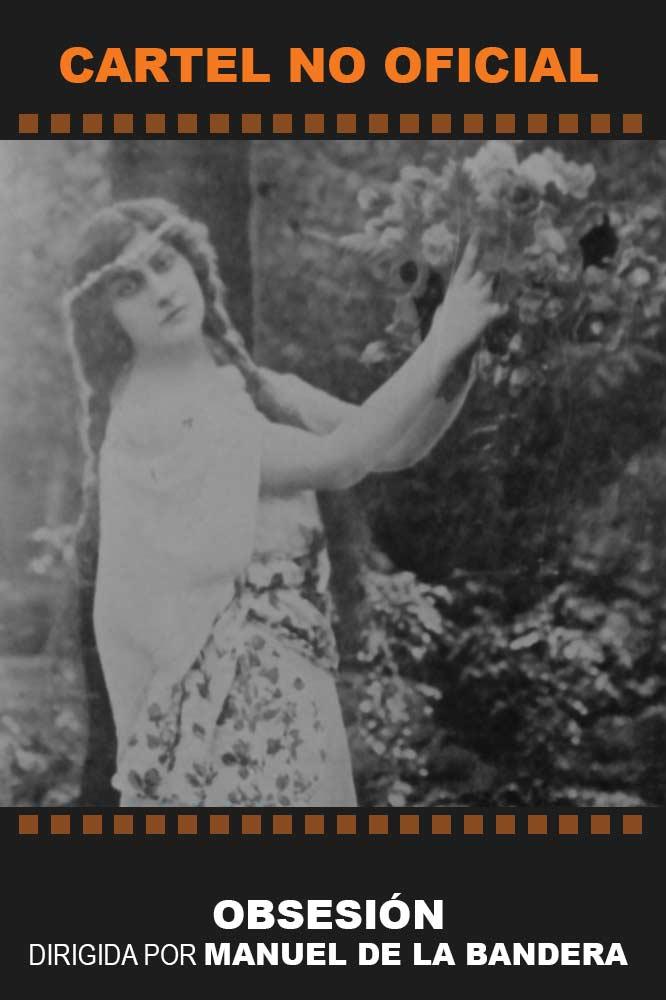
The Genesis of the Cinematic Misfit
In the 1910s and 20s, cinema was a wild frontier. Directors and writers were not yet shackled by the rigid formulas of the studio system's golden age. This period birthed films that, while perhaps forgotten by the mainstream, carry the exact subversive energy that defines today’s cult classics. Take, for instance, the 1917 film The Wax Model. In its narrative of a neglected daughter of a Parisian dancer, we find a thematic precursor to the noir and the psychological thriller. The warning given to the protagonist—not to trust men—sets a tone of cynical survivalism that resonates with the hard-boiled cult narratives of later decades.
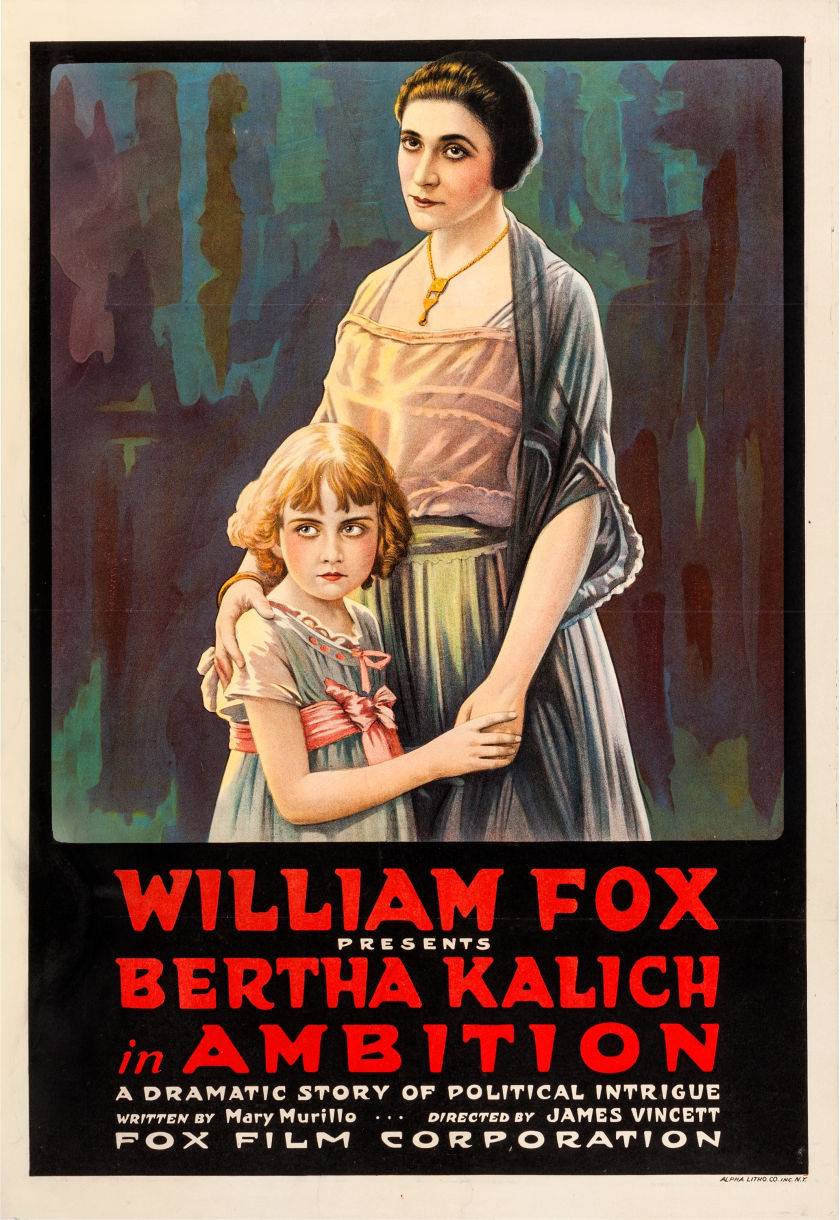
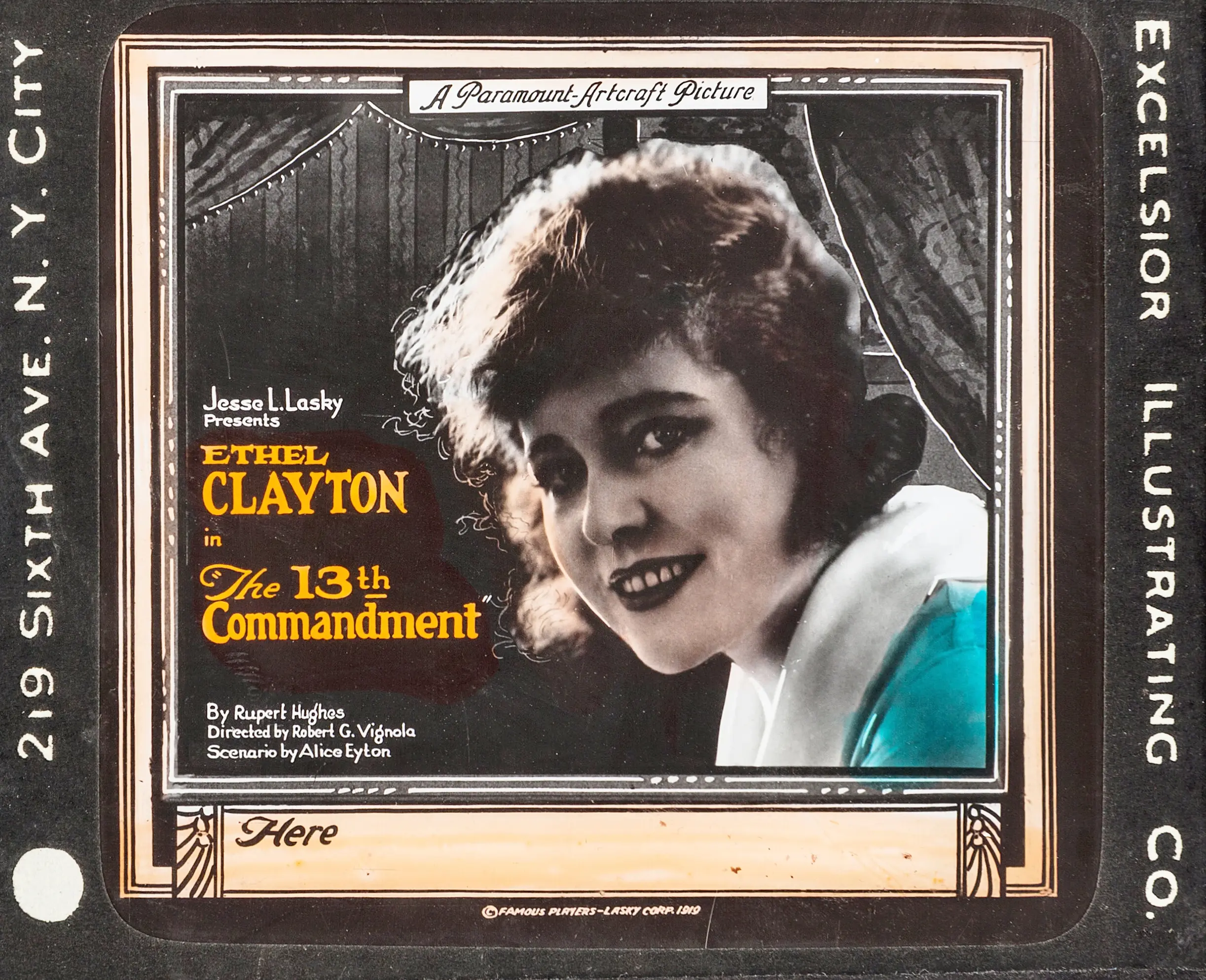
Similarly, The 13th Commandment (1917) offered a biting critique of the transience of wealth and the hollowness of social standing. When a family’s posh lifestyle collapses, the film dives into the disillusionment that often fuels cult fandom: the recognition that the world is not as stable or as moral as the authorities claim. This sense of narrative dissidence is a cornerstone of the cult experience, providing a mirror to those who feel alienated by the status quo.
Genre Mutation and the Proto-Antihero
Cult cinema thrives on the blurring of genre lines. One of the most fascinating examples of early genre-bending is Zigomar contre Nick Carter (1912). By pitting a famous detective against a master criminal gang, the film introduced a level of serialised anarchy and thorny moral situations that would eventually evolve into the high-octane pulp and grindhouse features of the mid-century. The character of Zigomar himself—a villain who commands the screen—prefigures the cult obsession with the charismatic antagonist.
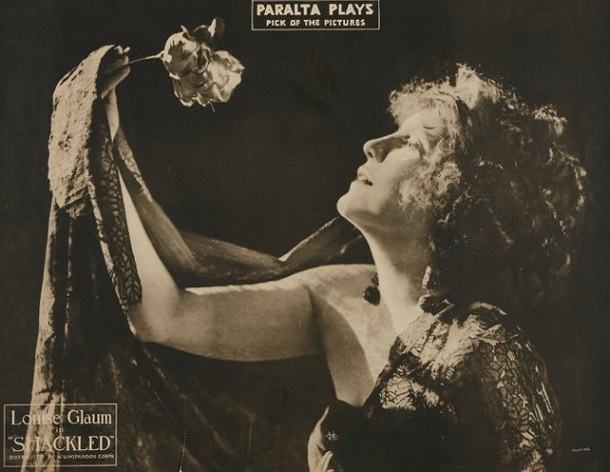
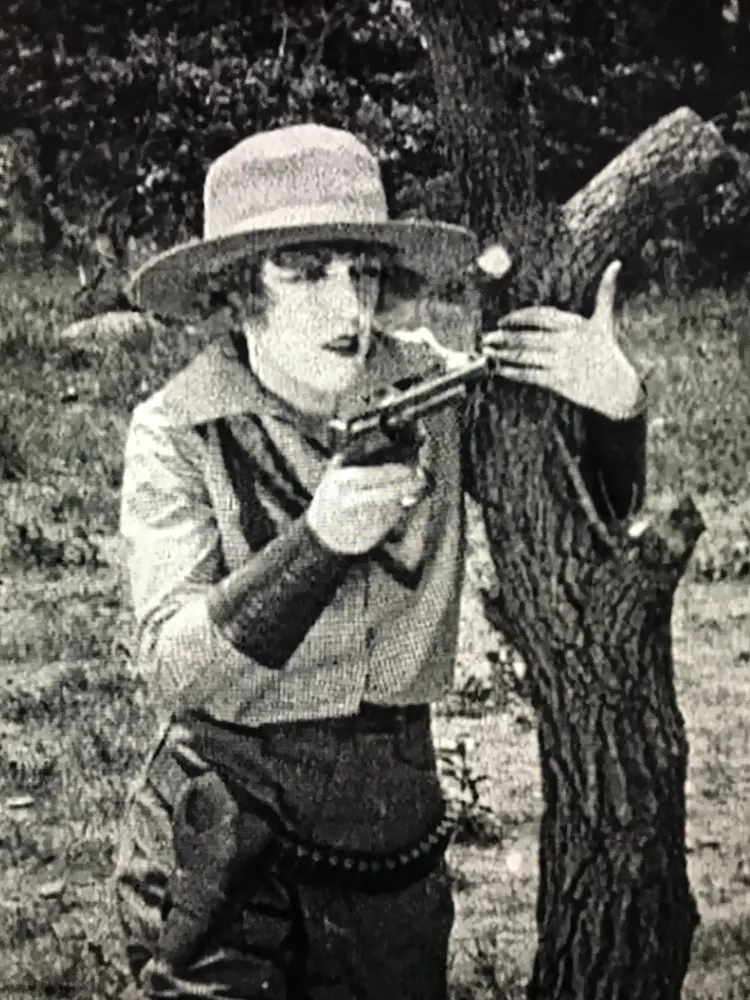
We see another layer of this in Bare-Fisted Gallagher (1919), where the protagonist’s arrival at the Eagle Mine leads to a romance with a woman who defies traditional gender norms by dressing like a man. This subversion of expectation is precisely what draws a cult audience; it is the celebration of the "other," the refusal to adhere to the visual and social shorthand of the era. These films were not just entertainment; they were experiments in identity.
The Uncanny and the Psychological Edge
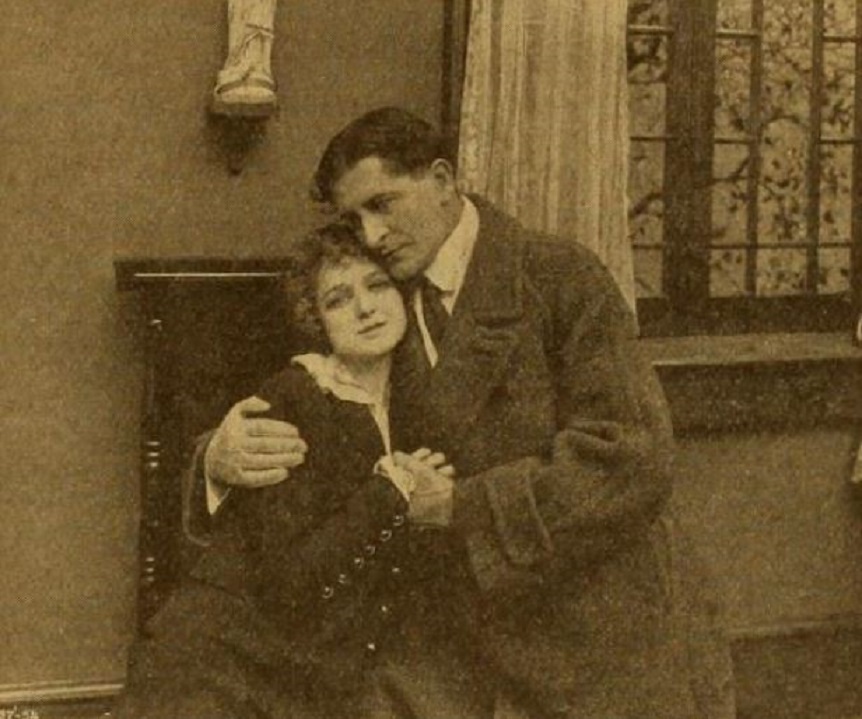
The "uncanny" is a recurring motif in cult cinema, and early films like The Yellow Typhoon (1920) mastered this through the use of the double. By featuring identical sisters with opposite temperaments, the film explored the duality of the human psyche—a theme that would later be explored by cult masters like David Lynch. This psychological depth, often hidden behind the veneer of a standard drama, provides the "slow-burn" realization that keeps audiences coming back to analyze every frame.
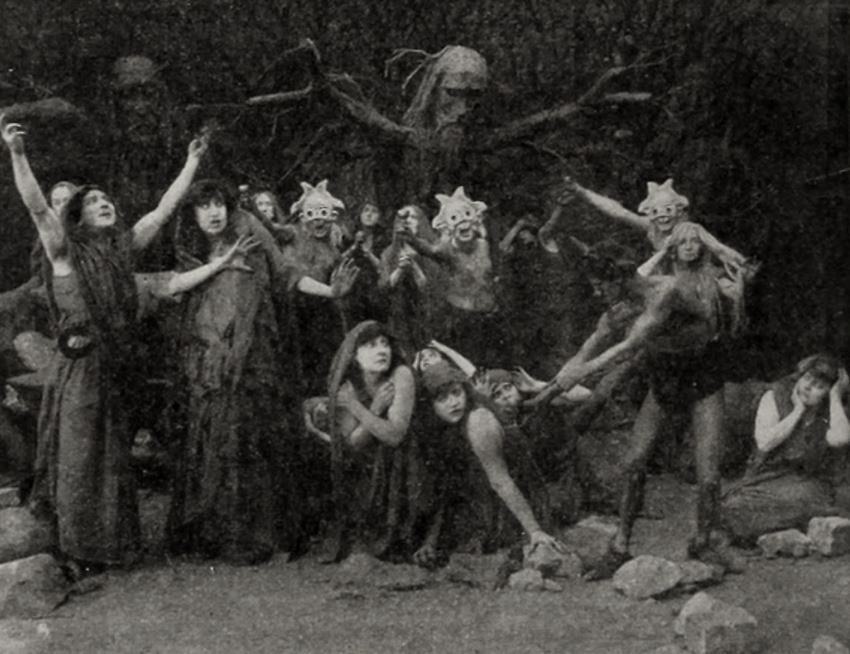
Furthermore, The Seed of the Fathers (1913) tackled the concept of inherited corruption, a heavy, almost gothic theme that suggests our fates are sealed by the sins of our ancestors. This fatalistic approach to storytelling is a far cry from the "happily ever after" endings of mainstream silent comedies, carving out a space for a more mature, cynical, and ultimately more devoted audience.
Global Shadows: Cult Roots Beyond Borders
The cult phenomenon is not limited to Hollywood. Early international works like the Argentinian Nobleza gaucha (1915) used the medium to highlight social injustice and the corruption of the elite. By showing a gaucho fighting against a licentious patron and a corrupt legal system, the film tapped into a primal desire for justice that transcends cultural boundaries. This transgressive spirit—the underdog fighting against an insurmountable system—is the heartbeat of cult cinema, from the Spaghetti Westerns to the dystopian sci-fi of the 80s.

In Europe, films like Theodor Herzl, der Bannerträger des jüdischen Volkes (1921) and Puppchen (1917) showed the diversity of the early cinematic landscape. While one dealt with the weight of history and political Zionism, the other used a lighthearted, almost surrealist premise—a girl taking the place of a broken mannequin—to comment on the artifice of fashion and social roles. Both, in their own way, represent the niche appeal that defines the cult experience: films made for a specific soul, rather than a general demographic.
The Aesthetic of the Outcast
Cult movies are often defined by their visual style as much as their narrative. The early silent era was a masterclass in using limited technology to create haunting, indelible images. The Silent Man (1917) and White Eagle (1922) utilized the stark landscapes of the American West to create a sense of isolation and moral struggle. The visual of a pool of molten gold in White Eagle serves as a powerful, almost alchemical symbol of greed and obsession, a precursor to the symbolic maximalism found in many cult classics.
Even shorter works and comedies like Raindrops (1913) or The Paper Hanger (1915) contributed to this aesthetic. Raindrops, with its personification of a water drop as a "saucy imp," showed an early fascination with the surreal and the anthropomorphic, elements that would later become staples of experimental and cult animation. These films proved that cinema could be more than just a recording of reality; it could be a manipulation of the senses.
Morality and the Pre-Code Underground
Before the Hays Code strictly enforced moral guidelines, early cinema was surprisingly frank about human failings. Dorian's Divorce (1916) and The Cost (1920) dealt with the complexities of marriage, infidelity, and the failure of reform. The Cost, in particular, with its story of a woman marrying a philanderer only to be betrayed again, avoids the easy redemption arcs of contemporary blockbusters. This raw honesty is what modern cult fans seek—a cinematic experience that doesn't sugarcoat the human condition.
The 1918 version of Uncle Tom's Cabin also represents a pivotal moment in how cinema handled difficult, often transgressive social material. While viewed through the lens of its time, the film’s focus on Eliza’s escape and the cruelty of the slave trade forced audiences to confront the darker aspects of history, much like how modern cult documentaries or social-horror films use the medium to provoke and challenge the viewer.
The Enduring Power of the Forgotten Reel
Why do we continue to obsess over these early flickers? It is because they represent the purest form of cinematic exploration. Films like The Microscope Mystery (1917) or Without Hope (1914) were not trying to be part of a multi-billion dollar franchise. They were singular visions, often born from the specific interests of their creators—whether it was the dangers of medical quackery or the invention of noiseless gunpowder. This specificity is the key to cult devotion. A film that is for everyone is rarely loved by anyone with the intensity that a cult fan loves a "forgotten" masterpiece.
The cult film is an act of discovery. When an audience unearths a film like The Dark Road (1917), with its unscrupulous protagonist using sexual allure as a weapon, they are not just watching a movie; they are participating in a cultural archaeology. They are finding the roots of the femme fatale, the origins of the anti-hero, and the first breaths of the cinematic rebellion.
Conclusion: The Eternal Flame of the Fringe
From the icy river crossings of Uncle Tom's Cabin to the fashion-house masquerades of Puppchen, the early 20th century provided a blueprint for everything we love about cult cinema today. It taught us that the most interesting stories are often found on the margins, that the most compelling characters are the ones who don't fit in, and that the most enduring films are the ones that dare to be different.
As we move further into the digital age, the importance of these nitrate ancestors only grows. They remind us that cinema is a medium of infinite possibility, and that as long as there are filmmakers willing to take a risk and audiences willing to look into the shadows, the spirit of cult cinema will never die. The midnight movie was not born in a vacuum; it was born in the silent, flickering dreams of the early 1900s, waiting for us to find it and bring it back into the light.
Whether it is the action-packed dog races of The Northern Trail (1921) or the dramatic tension of The Lash of Destiny (1916), these films are more than just historical curiosities. They are the sacred texts of a religion of the reel, a testament to the power of the moving image to captivate, subvert, and endure. Long live the misfits, the mavericks, and the magnificent outliers of the silent screen.
Community
Comments
Log in to comment.
Loading comments…