
Cult Cinema
The Midnight Cartography: Mapping the Subversive Soul of Early Cinema’s Forgotten Fringes

“Before the midnight movie became a counter-culture staple, the silent era was already forging a legacy of transgressive narratives and genre-defying oddities that defined the cult ethos.”
The history of cult cinema is often told as a post-1960s phenomenon, a story of midnight screenings, counter-culture rebellion, and the rise of the video store. However, the true genetic markers of the cult movie were etched into celluloid decades earlier. Long before the term was coined, the silent era and the early talkies were producing a subterranean stream of films that challenged moral codes, experimented with fractured identities, and embraced the grotesque. These were the original misfits, the cinematic outliers that refused to fit into the burgeoning Hollywood machine or the rigid expectations of early 20th-century society.
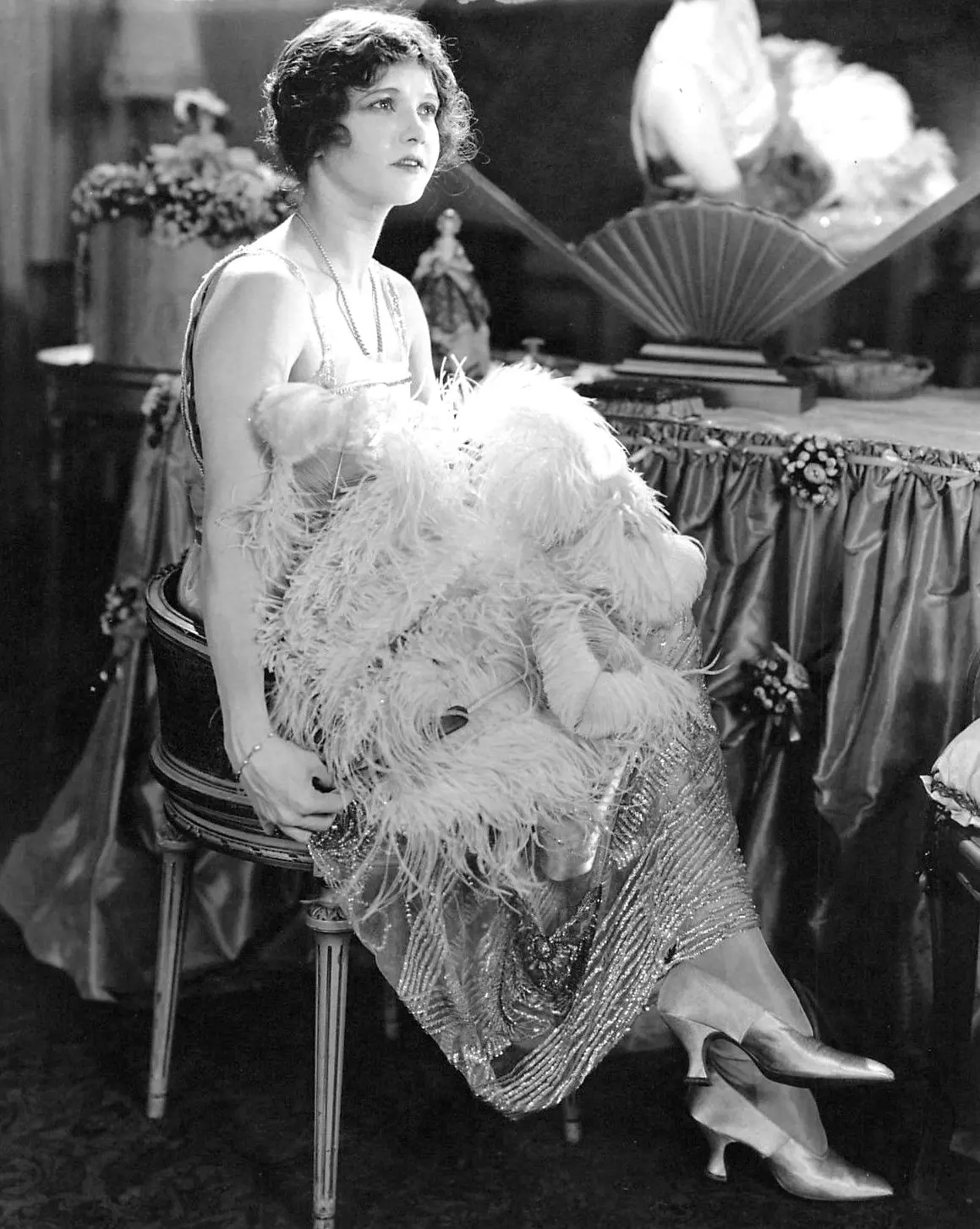
The Body Horror of the Silent Era: Lon Chaney and the Architecture of Pain
Perhaps no film captures the primal deviance of early cult cinema better than The Penalty (1920). In a performance that remains harrowing a century later, Lon Chaney portrays Blizzard, a criminal mastermind who seeks revenge on the medical establishment after a botched operation left him a double amputee. Chaney’s commitment to the role—strapping his legs back in a painful harness to simulate the loss of limbs—prefigures the extreme physical transformations of modern body horror. The Penalty isn't just a crime drama; it is a psychological deep dive into trauma and the obsession with bodily autonomy, themes that would later become staples of the cult canon.
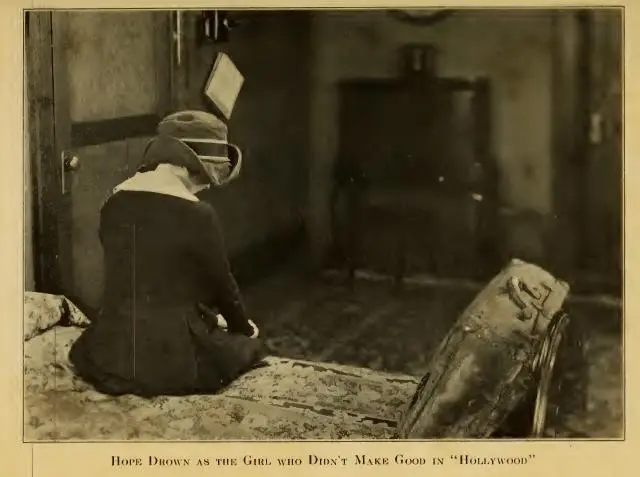
The Criminal Mind as a Subversive Tool
While Blizzard is ostensibly the villain, the film forces the audience to confront the systemic failures of the elite. This inversion of sympathy is a hallmark of cult narratives. We see similar threads in The Mysterious Mr. Tiller, where a series of high-stakes robberies and a stolen necklace lead detectives into a world governed by Ramo, a master thief. These films explored the allure of the underground, presenting criminals not merely as caricatures of evil, but as architects of their own dark reality. They provided a space for the audience to indulge in the thrill of transgression, a ritual that remains at the heart of the midnight movie experience.
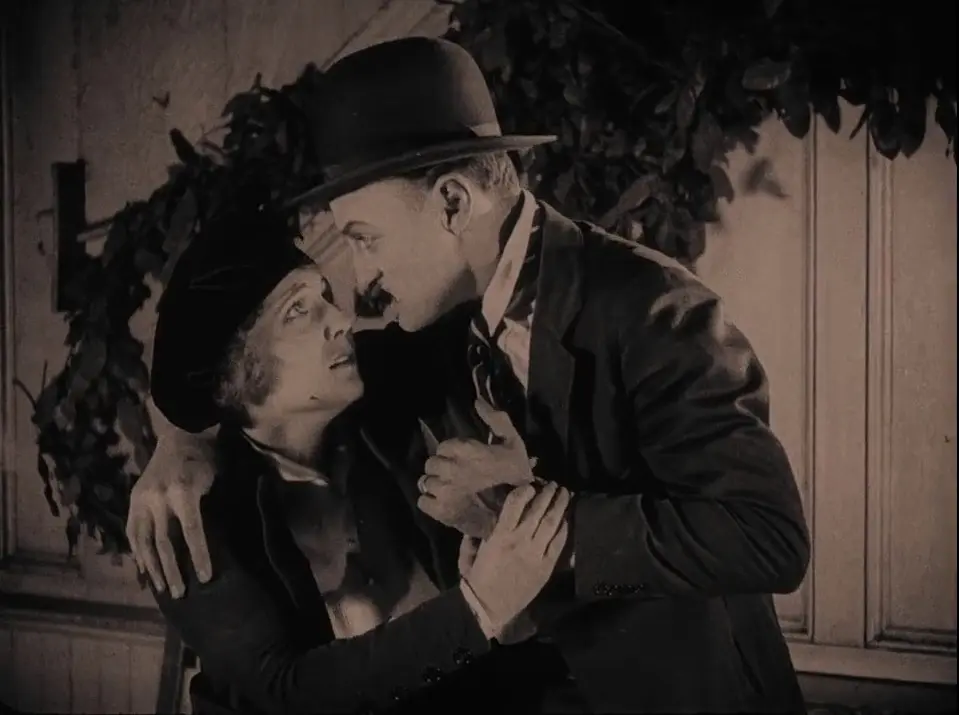
Eroticism, Taboo, and the Femme Fatale
Early cinema was surprisingly frank in its exploration of desire and the subversion of traditional gender roles. Films like Salome (1923) and Thais (1917) brought ancient legends of seductive power to the screen with a visual opulence that felt dangerously avant-garde. In Thais, the wealthy Alexandrian Paphnutius is lured away from his burgeoning faith by the sheer magnetic force of a courtesan. This clash between the sacred and the profane is a recurring motif in films that attract a devoted, niche following. It challenges the viewer to choose between the safety of dogma and the danger of the aesthetic.
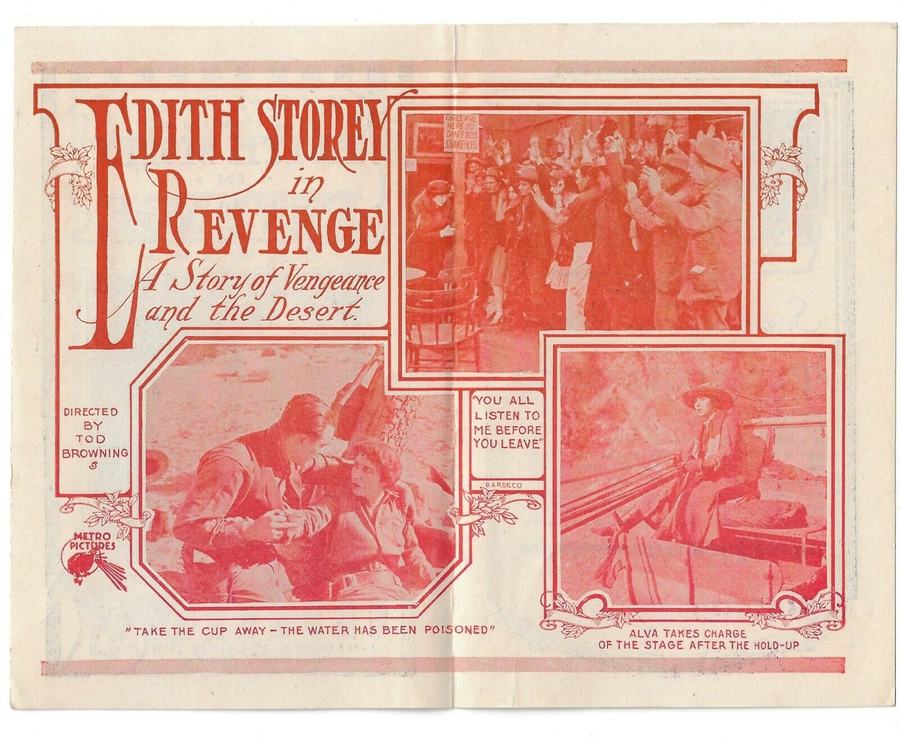
The Outlaw Woman of the Frontier
The cult spirit also found a home in the reimagining of the Western genre. In As the Sun Went Down, we are introduced to "Colonel Billy," a female gunfighter feared by the men of a mining camp. She is an outcast twice over: rejected by the women of the town for her perceived immorality and respected by the men only through the threat of violence. This character archetype—the woman who exists outside the reach of conventional law and social grace—resonates with the rebel heart of cult cinema. It is a precursor to the radical heroines of 1970s exploitation cinema, proving that the roots of cinematic feminism were often planted in the soil of the fringe.
Social Fractures and the Tenement Vision
Cult cinema often acts as a mirror to the societal cracks that the mainstream chooses to ignore. Sadie Goes to Heaven (1917) uses the perspective of a six-year-old child in a tenement district to highlight the vast gulf between the impoverished and the wealthy. When Sadie sees a limousine, she views it through the lens of a religious vision, a poignant and surreal commentary on class aspiration. Similarly, Who's Your Neighbor? took a direct stand against the hypocrisy of urban reform, documenting the displacement of women from the Red Light District. These films were not mere entertainment; they were social provocations that invited the audience to look at the grime beneath the city's polished surface.
The Neglected and the Forgotten
The domestic sphere was also a site of early cinematic experimentation. The Neglected Wife and Her Second Husband delved into the dissolution of marriage with a cynicism that predated the noir era. In Her Second Husband, the constant parade of business associates and their mistresses creates an atmosphere of moral decay that the protagonist, Helen, finds unbearable. These stories of domestic entrapment and the search for escape provided a blueprint for the psychological thrillers that would later dominate the cult landscape.
The Surreal, the Absurd, and the Animalistic
No exploration of the cult aesthetic is complete without a nod to the surreal. The early 20th century was a playground for visual tricks and narrative absurdity. Felix in the Swim features a mouse negotiating with a cat to facilitate a swimming trip, a bizarre logic that would eventually influence the psychedelic animation of the 1960s. Even more physical was Hold Your Breath (1924), where a female reporter’s quest for a story leads to a chaotic encounter with an agile monkey and stolen jewelry. These films embraced a sense of 'anything can happen' that is the lifeblood of cult devotion.
The Dual Identity and the Fractured Self
Before Dr. Jekyll and Mr. Hyde became a cinematic trope, Der Andere (1913) explored the terror of the split personality. After a horse-riding accident, a man discovers that his alter ego is actively assisting a criminal in robbing his own home. This theme of the enemy within—the idea that our own psyche is a stranger to us—is a foundational element of the cult horror genre. It taps into a universal anxiety about identity and control, presenting the human mind as a labyrinth of dark corridors and hidden rooms.
Global Oddities: Transcending Borders
The cult impulse was never confined to Hollywood. In Hungary, Egri csillagok and Szent Péter esernyöje brought national legends to life with a specific cultural texture that made them exotic to international audiences. These films, along with the Russian Smerch lyubovnyy and the German Das rote Plakat, demonstrated that the appetite for the unusual was a global phenomenon. Whether it was the gothic atmosphere of a German crime procedural or the historical grandeur of a Hungarian epic, these films offered a window into worlds that felt distinctly 'other' to the average viewer.
The Legacy of the Early Misfits
As we look back at films like The Blue Bonnet, where a Salvation Army worker discovers her true parentage through a pawnbroker, or The New South, which navigated the treacherous waters of post-war politics, we see a medium in its most radical state. These films were not yet bound by the strict codes of the 1930s. They were free to be messy, strange, and uncomfortably honest. They were the first to understand that a movie could be more than a story; it could be a sacrament for the strange, a gathering place for those who saw the world differently.
Conclusion: The Enduring Power of the Fringe
The allure of cult cinema lies in its ability to transform the overlooked into the iconic. From the slapstick chaos of Just Neighbors and Rookies to the high-stakes drama of The Marriage Market and Fate, the early era of film was a laboratory for the unconventional. These films did not need massive marketing budgets or universal acclaim; they needed only a few dedicated viewers who recognized their unique spark. Today, as we rediscover these forgotten reels, we are not just watching old movies. We are witnessing the birth of a rebellious spirit that continues to drive cinema forward. The midnight cartography of the silent era remains our most reliable guide to the beautiful, the bizarre, and the profoundly human.
Community
Comments
Log in to comment.
Loading comments…