
DbcultAccessing Vault...
Cult Cinema
Archivist John
Senior Editor
In the vast, ever-expanding universe of cinema, there exists a peculiar constellation of films that defy easy categorization, reject mainstream appeal, and yet command an almost religious devotion from their followers. These are the cult films, cinematic anomalies that operate outside the conventional wisdom of critical acclaim or box office success, carving out their own indelible niche in the hearts and minds of dedicated audiences. What is it about these unconventional treasures that fosters such intense loyalty? From the early, often obscure, works that first dared to push boundaries to the modern midnight movie phenomena, the journey of cult cinema is a testament to the power of artistic rebellion and communal discovery.
Cult cinema is more than just a genre; it's a dynamic relationship between a film and its audience, a secret handshake among those who recognize something profoundly resonant in the unconventional. It’s a space where the marginalized, the bizarre, and the brilliant find their lasting home, often long after their initial theatrical runs. These films, initially dismissed or misunderstood, gain a second life through word-of-mouth, repeated viewings, and the passionate advocacy of their burgeoning fanbases. They become cultural touchstones, rites of passage for cinephiles seeking something beyond the predictable.
To understand the enduring allure of cult cinema, one must look back to its earliest, often unacknowledged, roots. Even in the nascent days of filmmaking, long before the term 'cult film' existed, certain works exhibited a transgressive spirit or an idiosyncratic vision that set them apart. These were the proto-cult films, the cinematic outliers that hinted at the magnetic pull of narratives that defied simple classification or challenged prevailing moral codes. Consider the ambitious, sprawling crime epics of the early 20th century, like the intricate German Expressionist masterpiece Dr. Mabuse, the Gambler. Its complex portrayal of a criminal mastermind, delving into themes of hypnosis, manipulation, and societal decay, was a far cry from typical entertainment. Such films, with their lengthy runtimes and challenging subject matter, demanded a dedicated audience, rewarding repeat viewings with new layers of understanding.

Other early works dared to tackle subjects considered taboo or unsettling for their time. Films exploring social ills or moral ambiguities, such as the German Es werde Licht! 3. Teil, which unflinchingly addressed the societal impact of syphilis, or the provocative docudrama The Scarlet Trail, aimed at venereal disease prevention, pushed the boundaries of what was acceptable on screen. These weren't designed for mass appeal; rather, they were intended to shock, educate, or provoke thought, finding their most receptive audiences among those willing to confront uncomfortable truths. Similarly, the visually striking Pest in Florenz, with its dark tale of an evil seductress, patricide, and torture, presented a morally ambiguous and violent narrative that would have been profoundly unsettling to contemporary audiences, leaving a lasting impression on those who dared to witness its macabre beauty.
Even within seemingly innocuous genres, early cinema offered glimpses of the unconventional. The melodramatic intensity of films like The Branding Iron, where a husband's insane jealousy leads him to literally mark his wife as property, explored extremes of human emotion that could resonate deeply with a select few. The stark social commentary in Marta of the Lowlands, depicting a beggar child victimized by a wealthy landowner, presented a grim reality that challenged the escapist fantasies often prevalent in cinema. These were not simply stories; they were experiences designed to elicit strong reactions, to linger in the mind, and to spark discussion among those who encountered them.
The heart of cult cinema lies in its maverick spirit—a deliberate or accidental defiance of conventional filmmaking norms. This can manifest as narrative anarchy, where plots twist unpredictably, logic is often secondary to mood or theme, or genre boundaries are gleefully blurred. Films like The Mysterious Lady, with its intricate plot of criminal collaboration and revolutionary engine designs, or The Silk-Lined Burglar, featuring a gentleman crook with a moral compass, presented protagonists and scenarios that were far from the clear-cut heroes and villains of popular fare. These complex characterizations and morally ambiguous narratives invited viewers to engage on a deeper, more analytical level, fostering a sense of intellectual discovery.

Sometimes, the cult appeal stems from sheer stylistic audacity or a unique aesthetic vision. Early Westerns, like The Last Trail, might have been initially dismissed as genre fare but later rediscovered for their distinctive visual storytelling or their unconventional take on the lone bandit archetype. Similarly, romantic dramas that challenged societal expectations, such as Nurse Marjorie, where an aristocratic woman falls for a commoner labor leader, or The Woman He Married, about an artist's model deemed an 'unsuitable match' for a wealthy heir, resonated with audiences who longed for narratives that broke free from rigid class structures and romantic clichés. These films, by daring to portray relationships and social dynamics that went against the grain, cultivated a dedicated following among those who appreciated their progressive (for the time) outlook.
Even comedies could contribute to this burgeoning cult sensibility. The slapstick antics of Ambrose's Day Off or The Sportsman, with its exaggerated scenarios, might have offered a form of escapism that, while not overtly transgressive, provided a distinct flavor of humor that appealed to a specific taste. More profoundly, films like Suds, starring Mary Pickford as a London laundress attempting to rise above her station, or Boys Will Be Boys, depicting a man raised in poverty suddenly indulging in riotous living, offered social commentary wrapped in comedic or dramatic packaging. These narratives, exploring class mobility and personal transformation, could strike a chord with viewers looking for stories that reflected or challenged their own experiences, creating a bond that transcended simple entertainment.
A significant characteristic of cult cinema is its initial struggle for mainstream recognition. Many cult classics were box office failures or critical flops upon release, only to be rediscovered and championed years, even decades, later. This journey from obscurity to iconography is often fueled by a core group of enthusiasts who see something profound, revolutionary, or simply captivating that others missed. The idea of uncovering a hidden gem, of being part of an exclusive club that 'gets' a particular film, is a powerful draw.
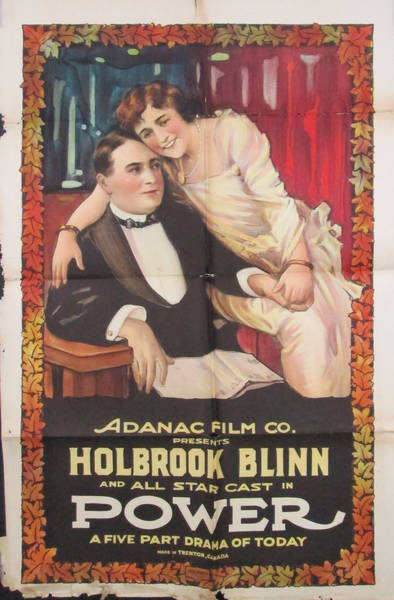
This sense of discovery is evident in the enduring appeal of films that, even in their day, might have been considered niche or experimental. The early Mexican historical drama 1810 o Los libertadores de México, or the French adventure Une histoire de brigands, might not have crossed international borders to widespread acclaim, but within their cultural contexts, they could have fostered intense local followings, appreciated for their historical significance, dramatic flair, or unique storytelling. Similarly, serials like Who Is Number One? or Go Get 'Em Hutch, with their episodic narratives and cliffhanger endings, cultivated a dedicated audience who returned week after week, building a collective experience around the unfolding drama. This communal anticipation, even in early cinema, laid the groundwork for the ritualistic viewing habits associated with later cult phenomena.
A film doesn't become a cult classic in a vacuum; it is the audience that bestows this status upon it. The shared experience, the repeated viewings, the deciphering of hidden meanings, and the communal rituals all contribute to a film's elevation from obscurity to iconography. The 'midnight movie' phenomenon, where films found their true home in late-night screenings, is perhaps the most iconic manifestation of this audience-driven cult formation. Fans would gather, often dressed as characters, reciting lines, and actively participating in the cinematic experience, transforming passive consumption into an immersive, interactive event.
This devotion isn't limited to the overtly bizarre or transgressive. Sometimes, it's the sheer emotional intensity or the unique characterizations that resonate. Films like Lahoma, a Western drama about an outlaw rescuing a child, or The Ragged Princess, where an orphan disguises herself as a boy, presented narratives of resilience, unconventional love, and identity that could forge deep emotional connections with viewers. These were stories that, perhaps, spoke to a sense of otherness or a longing for escape, creating a powerful bond with those who felt seen or understood by their characters.

The enduring power of cult films often lies in their ability to evoke strong, often complex, emotional responses. Whether it’s the unsettling psychological drama of A Phantom Husband, where a shy woman invents a suitor, or the moral quandaries presented in For the Defense, involving accidental death and hidden identities, these films delve into the darker, more ambiguous aspects of the human condition. They don't offer easy answers or neat resolutions, instead inviting prolonged reflection and discussion, which in turn deepens the audience's engagement and fosters a sense of intellectual kinship.
Part of the cult experience is the development of an almost unspoken language among fans. Inside jokes, memorable quotes, and shared interpretations become markers of belonging. A film like The Bride-to-Be, a short comedy about a man losing his clothes before his wedding, might have been a simple laugh, but for a dedicated audience, its specific brand of humor or its memorable gags could become a shared cultural reference. Similarly, the dramatic intensity of The Lady Clare, a tale of a Lord marrying a village child disguised as a Lady, could generate passionate discussions about societal norms, identity, and love, cementing its place in the hearts of those who appreciated its intricate narrative.
The very act of watching a cult film often becomes a ritual. Whether it’s annual screenings, home viewing parties, or online forums dedicated to dissecting every frame, the film becomes a focal point for communal activity. This ritualistic engagement transforms the cinematic object into something more profound—a shared cultural artifact, a catalyst for social bonding, and a symbol of collective identity. The narratives, whether they are grand adventures like Do or Die or more intimate character studies like A Woman's Business, are not just consumed; they are celebrated, analyzed, and integrated into the fabric of the audience's lives.
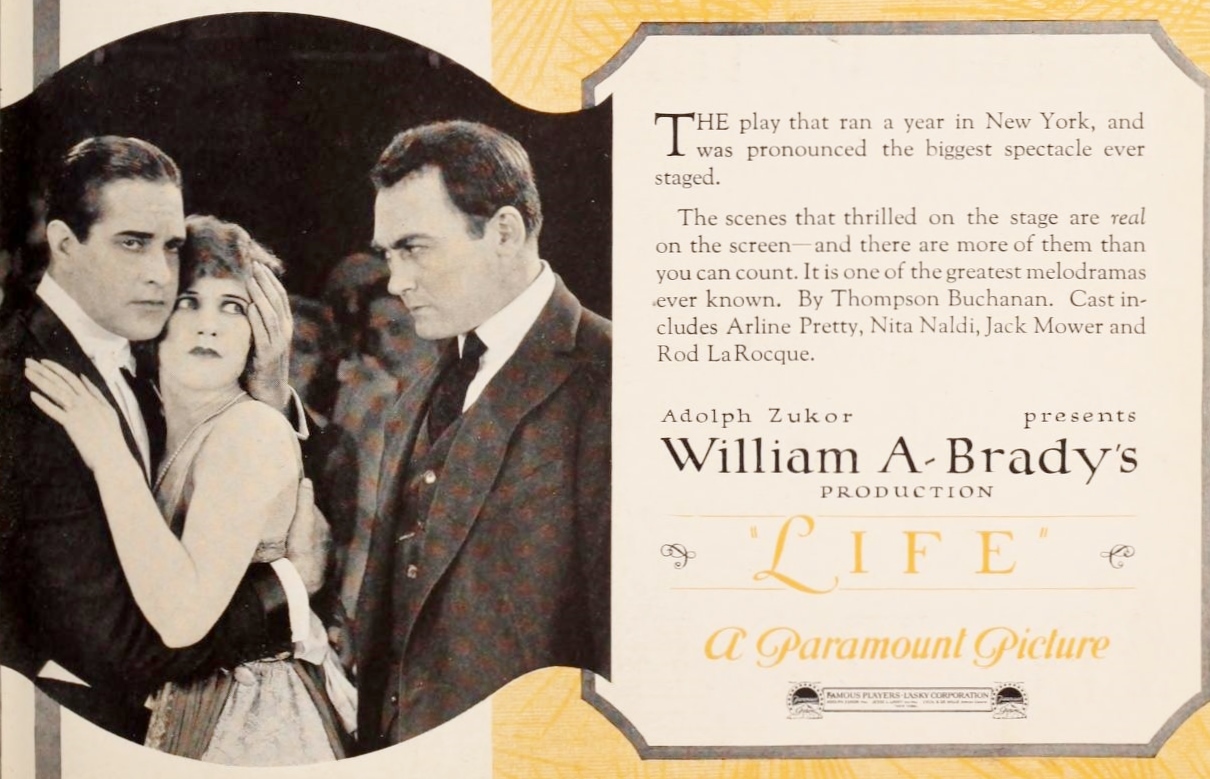
What is it that gives cult films their enduring power? It's a complex interplay of factors: their willingness to challenge, their unique aesthetics, their subversive messages, and their ability to forge deep, personal connections with viewers. These films often reflect or speak to anxieties, desires, or aspects of the human experience that mainstream cinema overlooks. They offer an alternative, a refuge for those who feel alienated by conventional narratives or commercial blockbusters.
Consider films that explore profound existential questions or spiritual journeys, however unconventional. While not explicitly religious, the dramatic narrative of A Branded Soul, with its prologue set in ancient Rome where a pagan is moved by spiritual beauty, hints at the capacity of cinema to explore themes of conversion, moral awakening, and the power of the transcendent. These narratives, whether overtly or subtly, tap into universal human concerns, giving them a timeless resonance.
The sheer spectacle or strangeness also plays a role. From the evocative title of Wild Waves and Angry Woman to the exotic setting of The Club of the Black Mask in India, these films promised something different, something outside the mundane. The allure of the unknown, the thrill of witnessing something genuinely unique, is a powerful motivator for cult fandom. Even early adaptations of literary classics, like the extensive German Hamlet, could be seen as cult objects for their ambitious scope and their specific interpretation of a universally known story, drawing those dedicated to literary and cinematic exploration.
Ultimately, the enduring allure of cult cinema is a testament to the diverse tapestry of human storytelling and the profound need for connection. These films, whether they are avant-garde experiments, genre-bending marvels, or simply misunderstood gems, provide a space for audiences to find their tribe, to engage with art on a deeply personal level, and to celebrate the unconventional. They are a reminder that cinema is not just about entertainment; it is a mirror, a window, and sometimes, a secret handshake between the screen and a devoted few.
From the silent era's bold narratives to the vibrant counter-culture movements of later decades, cult cinema has always been a beacon for the discerning viewer. It's a continuous, evolving conversation between filmmakers who dare to be different and audiences who crave that difference. The legacy of these films, once dismissed to the fringes, now stands as a powerful testament to the fact that true cinematic impact often lies not in widespread acceptance, but in profound, enduring devotion.