
Cult Cinema
The Midnight Specter: How Early Cinema’s Genre Rebels and Visual Pioneers Forged the Cult Movie Soul
“Journey into the shadows of film history to discover how the silent era's most daring experiments and forgotten outcasts laid the foundation for modern cult cinema devotion.”
The term "cult cinema" often conjures images of midnight screenings, costumed fans, and the rebellious energy of the 1970s. However, the genetic blueprint of the cult phenomenon was drafted decades earlier, in the flickering shadows of the silent era. Before the term was even coined, a collection of genre-defying experiments, moral outcasts, and visual radicals were already challenging the boundaries of the medium. These films, often misunderstood or relegated to the fringes upon their initial release, possessed a transgressive energy that would eventually become the lifeblood of niche fandom. To understand the modern obsession with the unconventional, we must conduct a cinematic archaeology, unearthing the relics of an era where the rules were still being written—and frequently broken.
The Visual Grotesque and the Birth of Epic Ambition
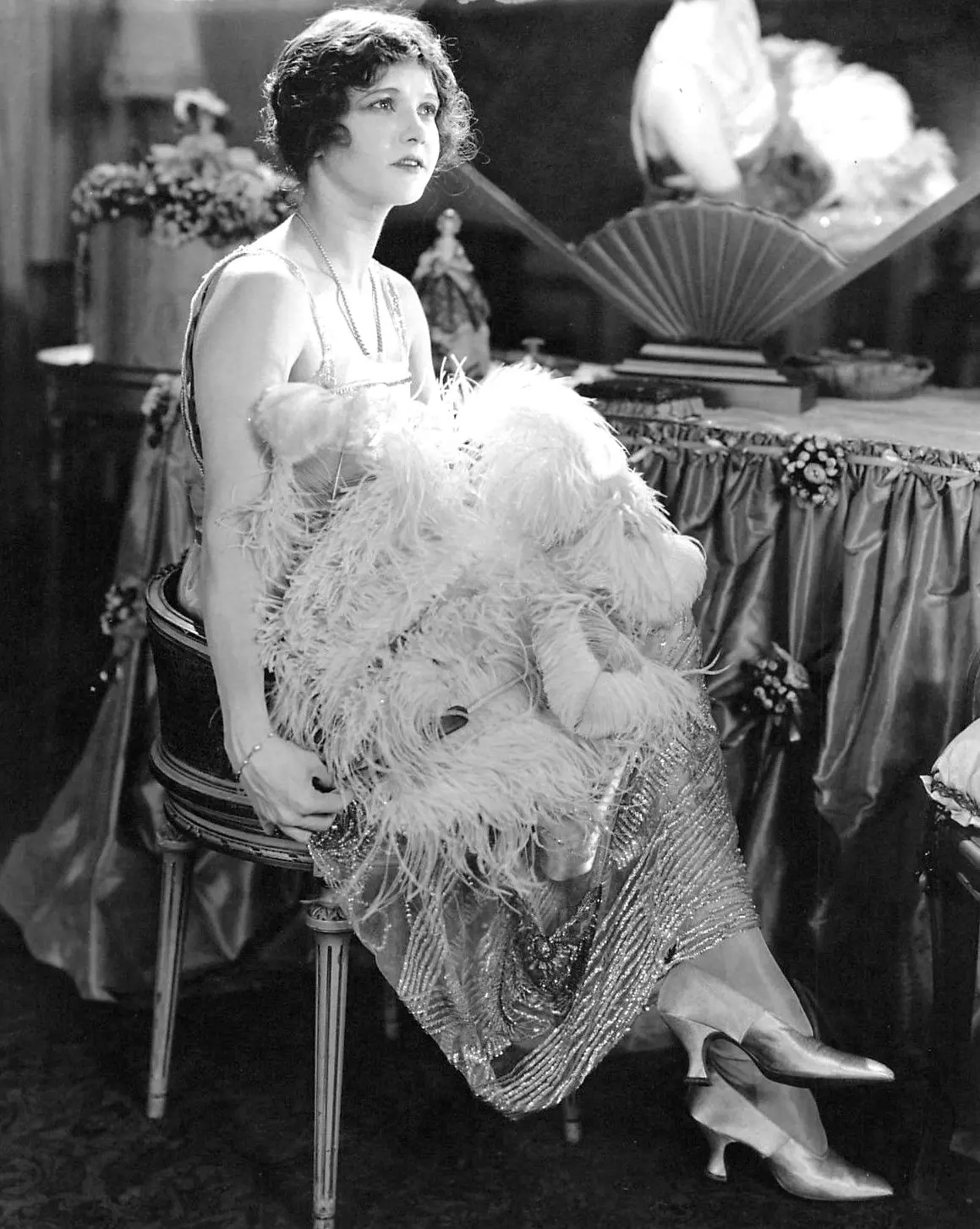
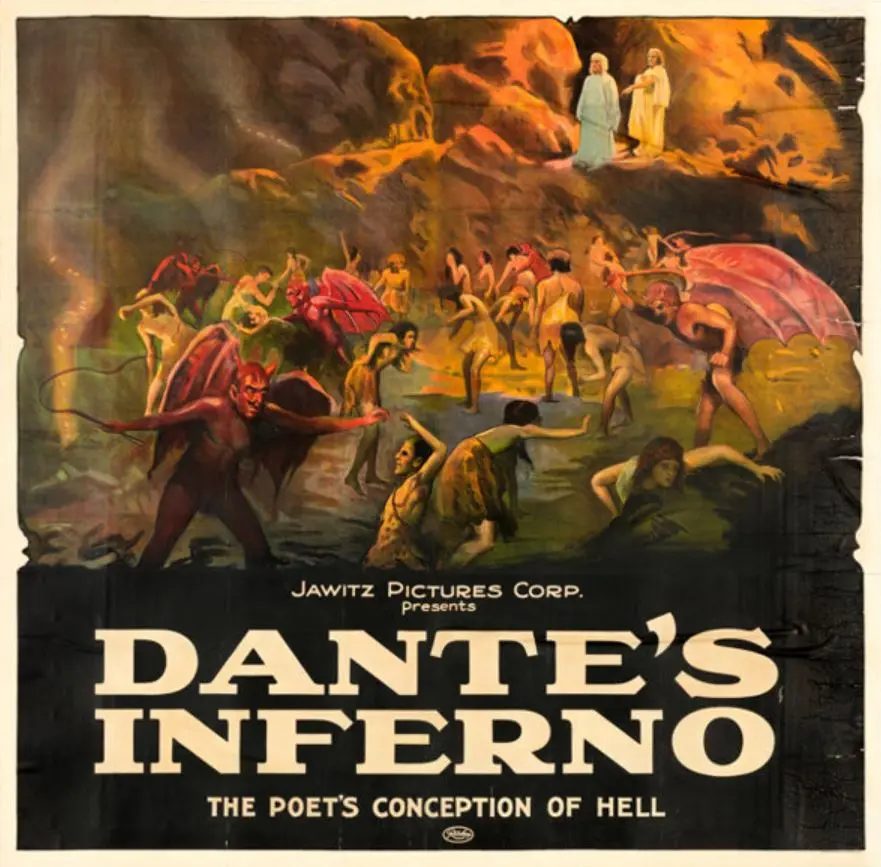
One cannot discuss the roots of the cult aesthetic without acknowledging the sheer visual audacity of early feature-length experiments. A prime example is the 1911 masterpiece Dante's Inferno. As Italy's first full-length feature, it didn't just adapt a literary classic; it created a visual vocabulary for the macabre and the surreal. Its depiction of the circles of hell provided a template for the phantasmagoric imagery that would later define the works of directors like Ken Russell or Alejandro Jodorowsky. The film’s willingness to embrace the grotesque and the grand scale of its narrative ambition made it a proto-cult classic—a film that demanded to be seen not just as entertainment, but as a visceral experience.
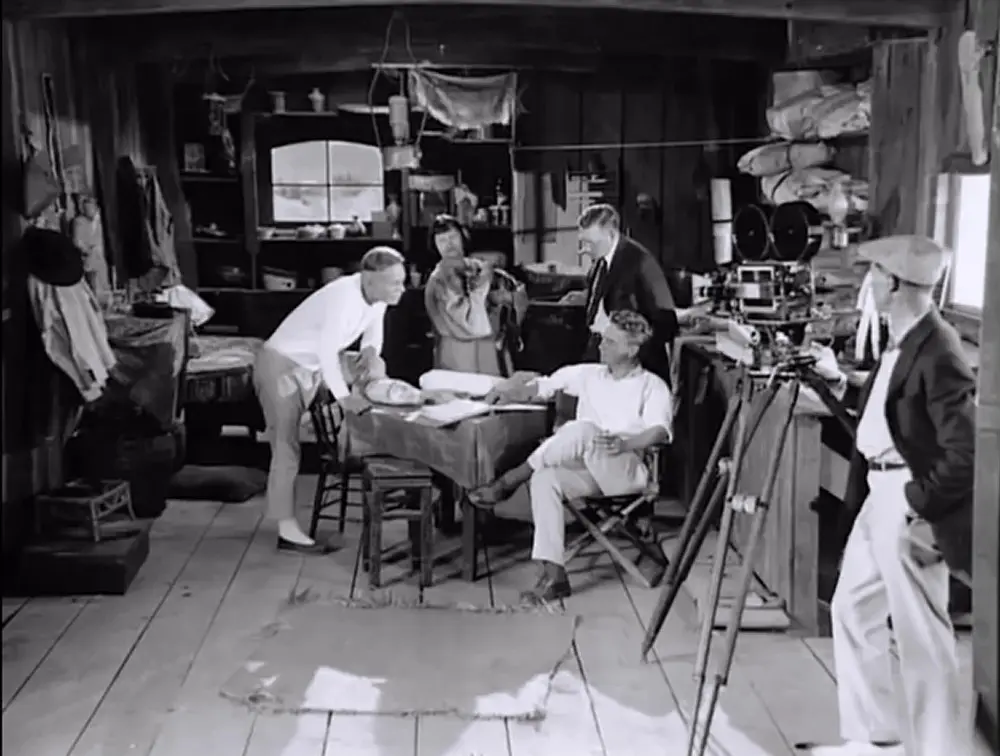
This tradition of visual daring continued in works like The Phantom Honeymoon, where the intersection of paranormal skepticism and mystical castle settings created an atmosphere of eerie wonder. By blending the supernatural with the mundane, these early filmmakers tapped into a primal curiosity that remains a cornerstone of the cult experience. They understood that the screen could be a portal to the impossible, a theme that resonates through the ages to the modern "midnight movie" mindset.
The Anti-Hero and the Morality of the Fringe
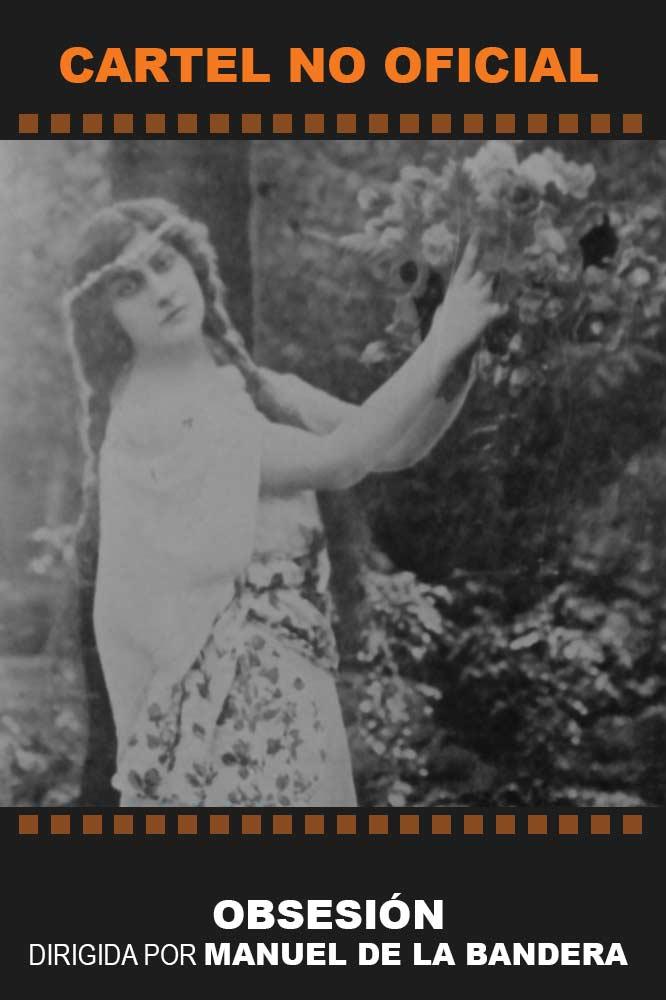
At the heart of many cult films lies a deep fascination with the renegade spirit—the character who exists outside the norms of polite society. This archetype was forged in the rugged landscapes of early Westerns and crime dramas. In Hell's Hinges, we see the prototypical "local tough guy" whose reformation through faith and the love of a good woman provides a complex study in moral ambiguity. The gritty realism of such films stood in stark contrast to the polished melodramas of the time, attracting an audience that craved something more authentic and challenging.

Similarly, The Mark of Cain explores themes of sacrifice and redemption that are far from black and white. Dick Temple’s decision to take the blame for his father’s crime introduces a narrative weight that transcends simple storytelling. This exploration of the "convict hero" or the misunderstood outcast is a recurring motif in cult cinema. Whether it is the wrongly accused in The People vs. John Doe or the blind girl navigating a world of crooks in Eyes of the Heart, these narratives prioritize the perspective of the marginalized. They invite the viewer to empathize with the "other," a fundamental aspect of how cult films build their devoted, often fiercely protective, communities.
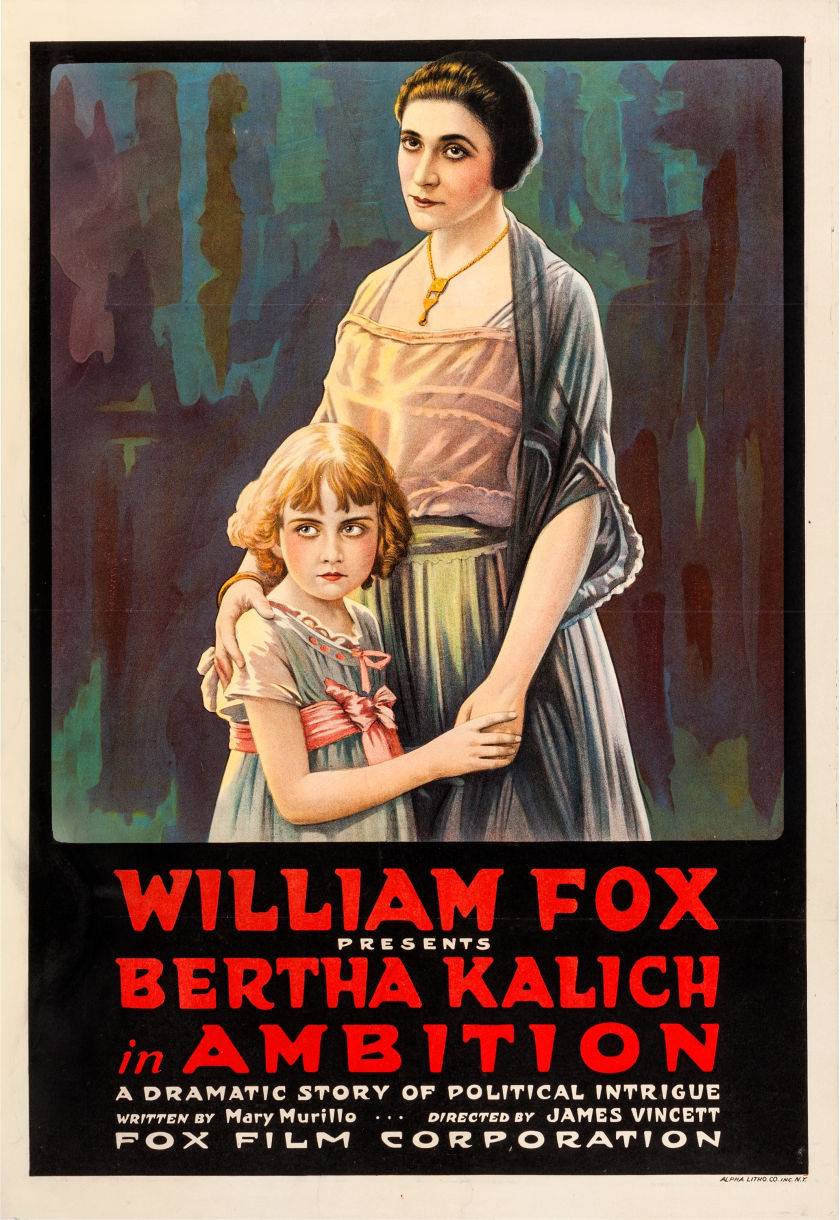
Transgression and the Social Taboo
Cult cinema has always been a sanctuary for the forbidden. In the early 20th century, filmmakers were already using the medium to dissect social ills and personal demons that the mainstream preferred to ignore. Das Laster (The Vice) offered a harrowing look at the cyclical nature of alcoholism, treating it not as a mere plot point but as a "terrible family tradition." This raw, uncompromising approach to social issues is a precursor to the transgressive cinema of the 1960s and 70s.
In Northern Europe, Anna-Liisa tackled the heavy burden of past crimes and the crushing weight of social expectation. The protagonist’s public confession of a hidden crime serves as a powerful climax that challenges the viewer’s own moral compass. These films did not offer easy answers; instead, they lingered in the discomfort of the human condition. This "uncomfortable" cinema is exactly what attracts the cult devotee—the seeker of truths that lie beneath the surface of conventional narrative.
Identity and the Labyrinth of the Mind
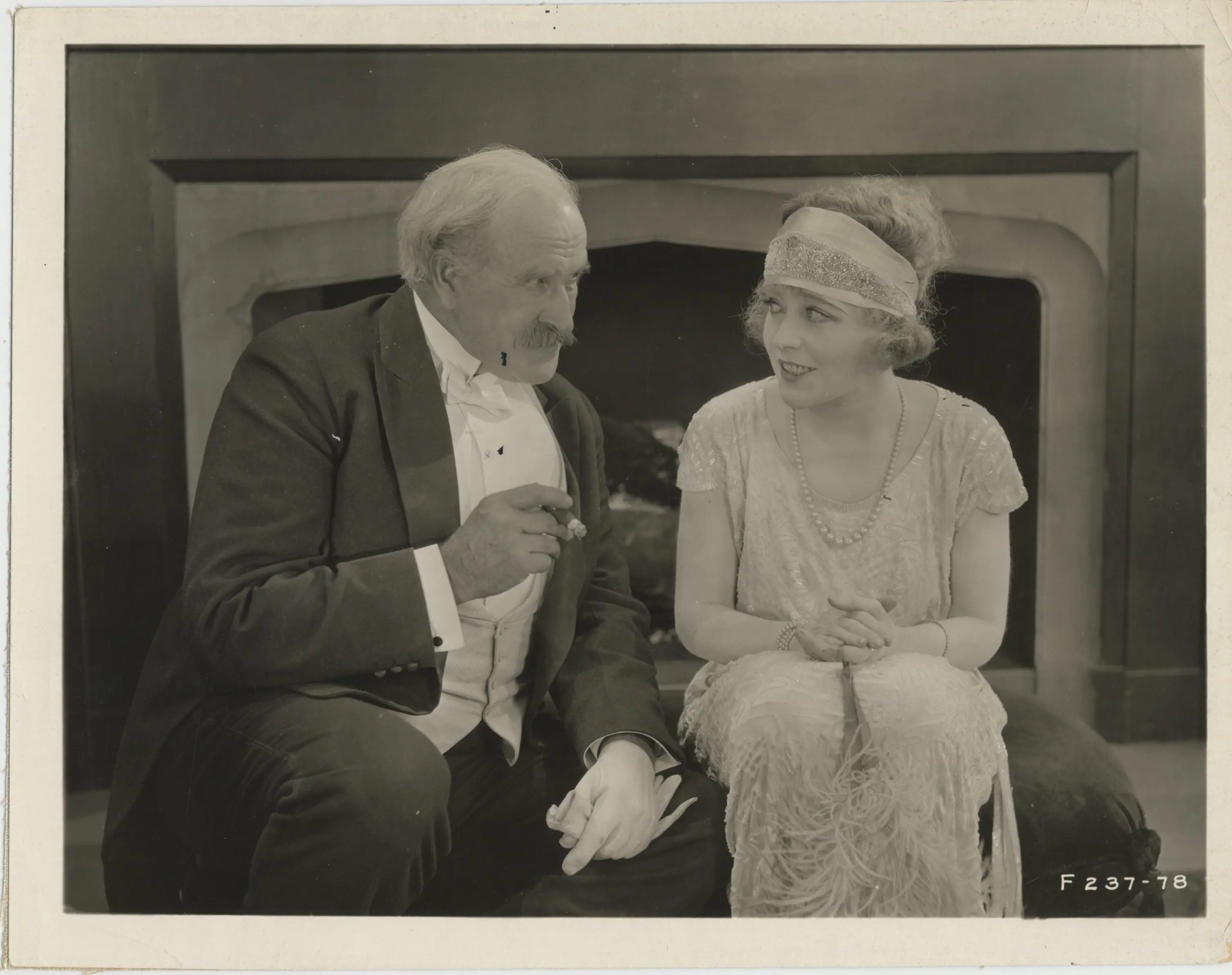
The cult film often plays with the fragility of identity, a theme explored with surprising depth in the silent era. The Net (1923) utilizes the trope of amnesia and exchanged identities to create a labyrinthine narrative of crime and romance. When a stranger wanders into a murder scene with no memory, the film enters a psychological space that anticipates the neo-noir and cult thrillers of later decades. This fascination with the "fractured self" is also evident in Midnight, where a wedding day becomes a gateway to embezzlement and international flight. These stories suggest that the lives we lead are often thin veils over a more chaotic, unpredictable reality.
The Absurd, the Comic, and the Escapist
While many cult favorites are dark and brooding, there is an equally strong tradition of the absurd and the whimsical. The cult of the "weird comedy" finds its roots in films like Mr. Billings Spends His Dime. The idea of a department store clerk falling in love with a woman on a cigar box and using a "lucky dime" to pursue his romance is the kind of quirky, high-concept premise that modern indie-cult directors adore. It celebrates the dreamer and the misfit, finding magic in the mundane.
Even early animation and short-form comedy contributed to this burgeoning aesthetic. Kapten Grogg bland vilda djur (Captain Grogg Among Wild Animals) presented a surreal "circle of life" in the jungle that was as bizarre as it was entertaining. Similarly, the chaotic energy of The Fire Chief and the satirical bite of Back from the Front—where a man who never left the ground is forced to pose as an "ace" pilot—demonstrate a willingness to poke fun at authority and societal structures. This irreverence is a key component of the cult film’s appeal; it offers a space where the "official" version of the world is dismantled and rebuilt with humor and irony.
Global Echoes: The Universal Language of the Fringe
Cult cinema is a global phenomenon, and the silent era proved that the desire for unconventional storytelling knew no borders. From the war-torn landscapes of Cud nad Wisla (The Miracle on the Vistula) to the historical epics of Pyotr i Alexei, filmmakers across the world were experimenting with how to capture the soul of a nation through the lens of individual struggle. These films often blended personal romance with massive historical shifts, creating a unique tension that resonated with audiences looking for something more substantial than simple escapism.
In Jamaica, Love's Redemption explored the descent into and recovery from "alcoholic debauchery," proving that the themes of struggle and salvation were universal. These international works contributed to a global "fringe" culture, where stories of the marginalized and the unconventional could find a home. This cross-pollination of ideas and aesthetics laid the groundwork for the international cult circuits we see today, where a film from one corner of the world can find a dedicated following in another.
Conclusion: The Eternal Flicker of the Misfit Reel
The endurance of cult cinema lies in its ability to provide a home for the "unconventional prophet" and the "genre mutant." By looking back at the silent era, we see that the impulse to create something different—something that speaks to the weirdness, the pain, and the wonder of existence—has always been present in the cinematic DNA. Films like One Wonderful Night, which compresses a lifetime of change into eight hours, or The Inner Ring, remind us that cinema is at its best when it is most daring.
As we continue to celebrate the "midnight movies" of the present, we must honor the silent subversives who paved the way. They were the original genre rebels, the first to realize that the screen could be a place of ritual, rebellion, and profound discovery. Their legacy is not just found in the archives of film history, but in every niche fandom that gathers to worship at the altar of the unusual. The midnight specter of the silent era still haunts our screens, reminding us that the most powerful stories are often the ones told from the shadows.
Community
Comments
Log in to comment.
Loading comments…