
Deep Dive
The Neon Aberration: Unearthing the Primal Rhythms and Moral Deviance of Cinema's First Cult Wave
“Explore the forgotten origins of cult cinema through the lens of silent-era genre mutants, doppelgängers, and social outcasts that defined the modern midnight movie DNA.”
When we speak of cult cinema, the mind often drifts toward the neon-soaked midnight screenings of the 1970s or the transgressive body horror of the 1980s. However, the genetic blueprint of the cinematic outlier was drafted much earlier, in the flickering shadows of the silent era. Long before the term 'cult movie' was codified by critics, there existed a parallel universe of narrative mutants—films that defied the burgeoning Hollywood hegemony with stories of doppelgängers, chemical monstrosities, and moral outcasts. These are the neon aberrations of the first misfit century, the primal rhythms that still beat within the heart of every modern niche obsession.
The Architecture of the Uncanny: Doppelgängers and Identity Anarchy
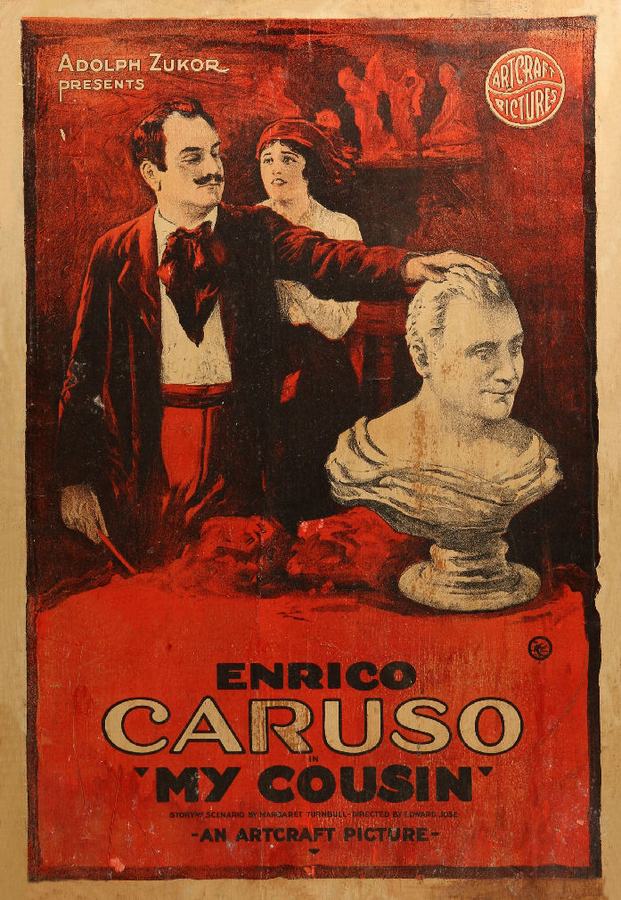
One of the most enduring hallmarks of the cult aesthetic is the exploration of the fractured self. In the 1920 masterpiece The Man Who Lost Himself, we see a foundational example of identity anarchy. When a young American named Victor Jones discovers he is a literal mirror image of an English Earl, the narrative doesn't merely settle for a comedy of errors; it dives into the unsettling territory of replacement and social subversion. This trope of the 'double' is a recurring fever dream in early cinema, perhaps best exemplified by the legendary Enrico Caruso in My Cousin. Here, the duality is metatextual: Caruso plays both a struggling sculptor and a world-famous opera star. The visual trickery of seeing one man occupy two social strata simultaneously created a sense of cinematic hypnosis that audiences found both jarring and irresistible.
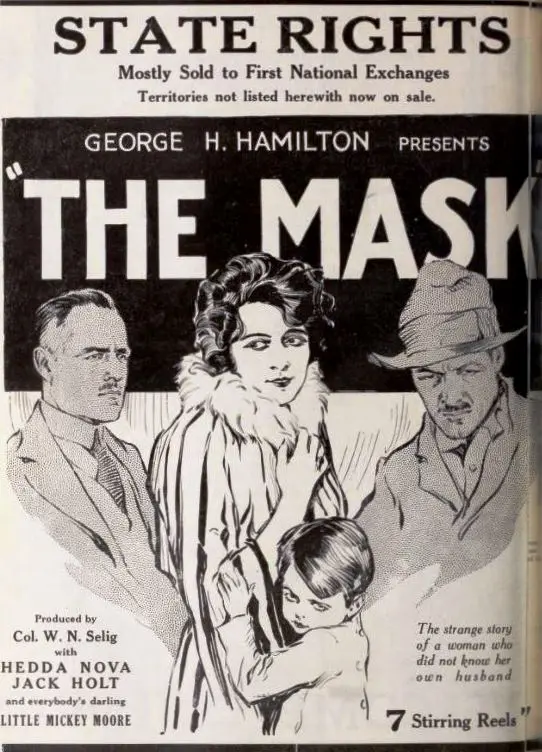
This fascination with the 'other' within ourselves is what binds the early audience to the modern cultist. Whether it is the literal lookalike or the spiritual transformation, these films asked a question that the mainstream often avoided: What happens when the mask becomes the man? In The Woman in the Case (1916), this theme takes a noir-ish turn as a wife adopts the persona of a 'vamp' to solve a murder, proving that in the world of the cult outlier, identity is a fluid, dangerous tool.
The Chemical Nightmare: Serials and the Birth of Body Horror
Before Cronenberg, there was Dr. Montrose. The 1916 serial The Crimson Stain Mystery serves as a terrifying precursor to the 'mad scientist' subgenre that would eventually fuel decades of midnight movie madness. The plot—involving a chemical meant to boost intelligence that instead births a league of 'hideous monsters'—is pure cult gold. It represents the first wave of narrative mutants, films that used the pseudo-science of the day to explore the anxieties of a rapidly changing world. These subjects, banding together to prey on humanity, are the spiritual ancestors of every cinematic 'other' that has ever graced a basement screen.
This penchant for the grotesque wasn't limited to American shores. The global reach of these weird narratives is seen in Grif starogo bortsa (The Vulture of the Old Wrestler), where old houses, vineyards, and deep, rotting basements provide the backdrop for a tale of extraordinary strength and hidden mysteries. The basement, as a metaphor for the subconscious or the 'underground' nature of the medium itself, becomes a recurring motif. These films weren't just entertainment; they were sacred anomalies that challenged the viewer to look into the dark corners of the frame.
The Blacksmith and the Pariah: Masculinity on the Fringe
The cult hero is rarely a traditional knight in shining armor. More often, he is a man forged in fire and social rejection. The figure of the blacksmith appears with startling frequency in this era, representing a primal, earthy strength that is often misunderstood by 'polite' society. In The Danger Signal, we meet Danny Canavan, a man whose physical prowess is mocked and abused by those closest to him. Similarly, in The Fighting Streak, Andy Lanning is a 'peace-loving blacksmith' forced into a life of outlawry by a single moment of perceived violence. These characters embody the maverick spirit: men who are fundamentally good but are cast out by a society that fears their raw power.
Perhaps the most poignant of these 'misfit' tales is The Kingdom Within (1922). Amos Deming, a man with a crippled arm and a 'talent for making toys,' is hated by his own father. His journey is not one of physical conquest but of spiritual insight. This elevation of the 'broken' or the 'different' is the very soul of cult cinema. It provides a sanctuary for the disenfranchised viewer, a place where the moral outcasts and the physically marginalized are the true protagonists of the story.
Narrative Anarchy: Dreams, Gas Leaks, and Artificial Grapes
If cult cinema is defined by its refusal to play by the rules, then the short comedies of the 1910s and 20s are its most anarchic ancestors. Take Prince Pistachio, where a plumber (played by Eddie Lyons) hunts for a gas leak with a lighted candle. The resulting explosion triggers a dream sequence where he becomes a prince in a distant province. This transition from the mundane to the surreal—often triggered by trauma or absurdity—is a hallmark of the fringe aesthetic. It suggests that reality is thin and that the 'true' world is found in the hallucinations of the common man.
In Keep Moving, the character Musty Suffer engages in a form of petty, surreal revenge by eating the artificial grapes off a customer's hat. This brand of cinematic deviance—small, nonsensical acts of rebellion—prefigures the Dadaist and Surrealist movements that would later be embraced by the cult canon. These films didn't just provide laughs; they provided a template for genre anarchy, proving that the screen could be a space for the illogical and the transgressive.
The Global Pulse: From Jamaica to the St. Lawrence Valley
The cult impulse was never localized. It was a global fever. From the alcoholic debauchery and redemption found in Jamaica’s Love's Redemption (1921) to the barren, hard-scrabble life in the St. Lawrence River Valley depicted in Silent Years, these films explored the edges of the map. They took audiences to places like the fashionable resorts of Princess Jones or the quaint Dutch villages of Hulda from Holland and Wooden Shoes. These settings weren't just backdrops; they were characters in their own right, imbuing the films with a sense of geographic mysticism.
In Die Herrin der Welt (The Mistress of the World), the narrative spans continents, involving African kings and European explorers, creating a sprawling, episodic experience that mirrors the 'binge' culture of modern cult fandom. These films were the original midnight fossils, preserved in nitrate, waiting to be unearthed by those who seek something deeper than the standard Hollywood fare.
The Legacy of the Forgotten: Why These Reels Still Matter
Why do we return to films like The Master Hand or The Serpent's Tooth? Why does the story of a man replacing an Earl or a woman pretending to be a vamp still resonate? It is because these films represent the primal flicker of human obsession. They are the unconventional roots of a tree that continues to bear strange fruit. When we watch The Roof Tree, a story of a man in hiding in a mountain community, we are seeing the prototype for the 'stranger in a strange land' trope that defines so much of independent cinema.
These films were often 'failures' in their time—overlooked, misunderstood, or simply too weird for the general public. But in the world of the celluloid sanctuary, failure is merely a precursor to immortality. The slow-burn revelation of these early masterpieces is that they were never meant for the masses; they were meant for the tribe. They are the secret language of the cinema, a code written in shadow and light that only the devoted can truly decrypt.
As we navigate the vast, digital landscape of modern film, it is essential to remember the maverick soul of the silent era. From the 'sawdust doll' that takes the place of a mother in The Sawdust Doll to the 'fighting streak' that defines a blacksmith's life, these stories are the genetic rebellion that allows cinema to remain a vibrant, dangerous, and deeply personal medium. They are the neon relics of our shared subconscious, and as long as there are audiences who crave the unconventional, their light will never truly fade.
In conclusion, the cult cinema cultus was not born in a vacuum. It was forged in the midnight crucible of the early 20th century, by directors and actors who weren't afraid to embrace the primal weirdness of the human condition. Whether it’s the mystery of The Invisible Web or the historical drama of Anna Karenina (1920), these films remind us that the most enduring stories are often those that exist on the fringe. They are the unseen sacrament of the screen, a testament to the power of the maverick vision and the enduring allure of the rebel heart.
Community
Comments
Log in to comment.
Loading comments…