
Cult Cinema
The Neon Cipher of the Silent Era: Decoding the Genetic Rebellion of Cinema’s First Cult Wave
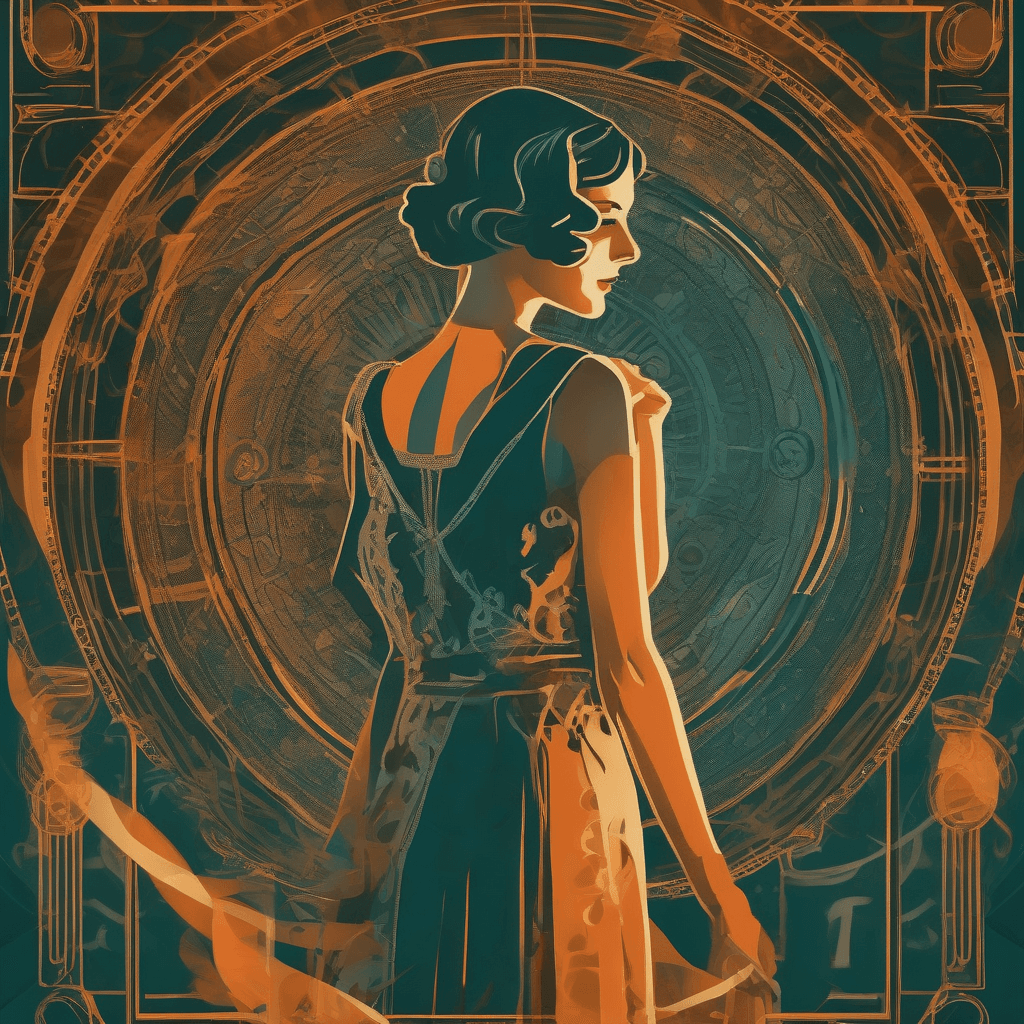
“Journey into the shadows of film history to uncover how early 20th-century anomalies and transgressive masterpieces birthed the modern cult cinema obsession.”
The concept of the cult film is often associated with the midnight movie madness of the 1970s—the era of acid westerns and transgressive performance art. However, the genetic blueprint for cinematic obsession was actually drafted decades earlier, in the flickering shadows of the silent era. Before the term was ever coined, films like The Cheat (1915) and Hungry Hearts were already challenging the moral and visual status quo, creating a secret language for the disenfranchised. To understand the modern cult phenomenon, we must perform a forensic analysis of the phosphorescent fringe of early cinema, where genre-bending and narrative anarchy first took root.
The Survival of the Strange: Lost Reels and Found Obsessions
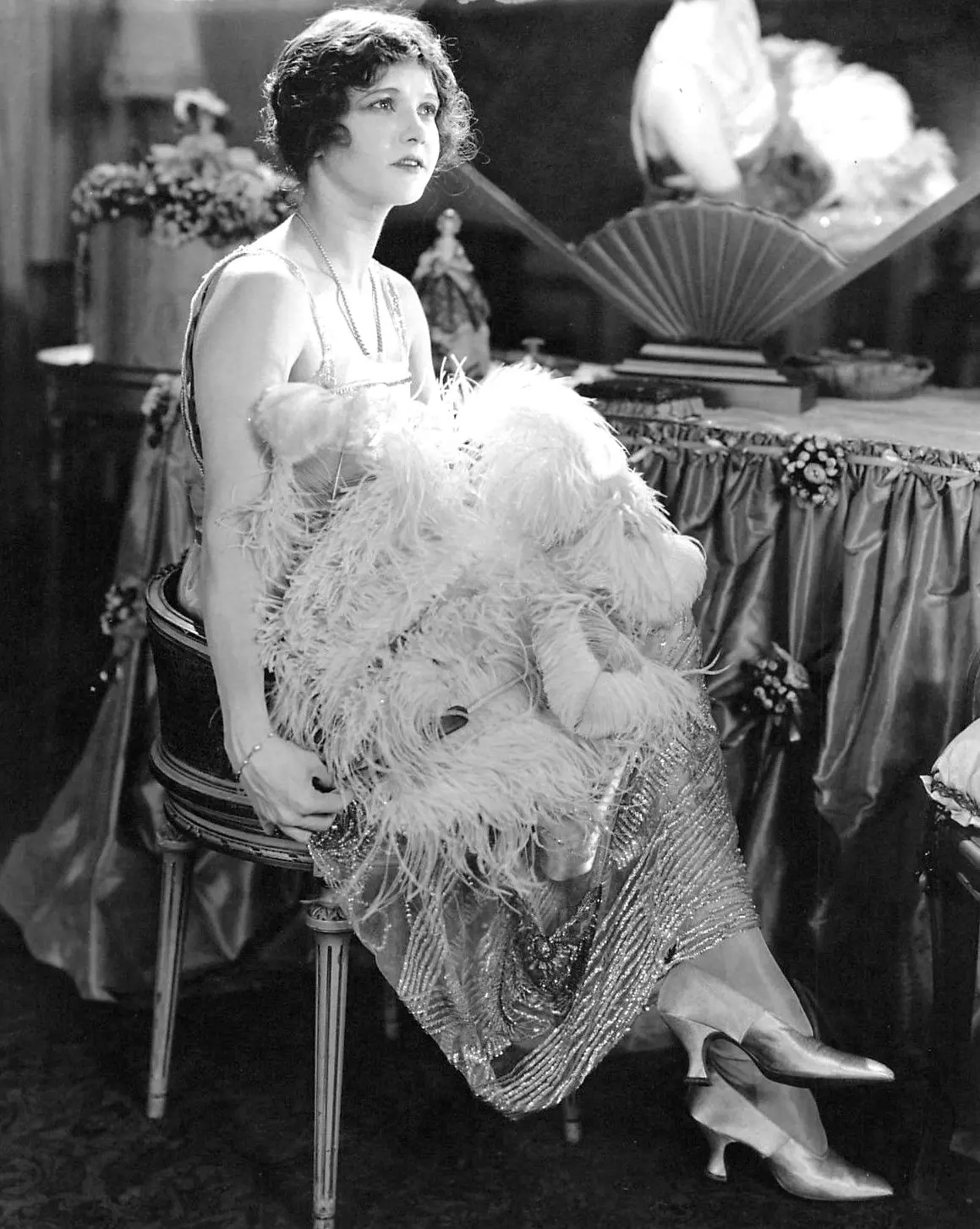
One of the most defining characteristics of cult cinema is its rarity—the sense that you are watching something that shouldn't exist. Consider the case of Joan of Plattsburg (1918). Classified as a lost film, its status as an unknown quantity creates a void that fans fill with myth. This inherent scarcity is what drives the cultist’s devotion. When a film like Mary Lawson's Secret or Sea Sirens exists only as a fragment or a memory, it ceases to be a mere product and becomes a relic. The mystery of Mary Lawson's Secret, involving a trial and a village doctor’s inroads, mirrors the way cult audiences obsess over the 'untold' backstory of their favorite niche masterpieces.
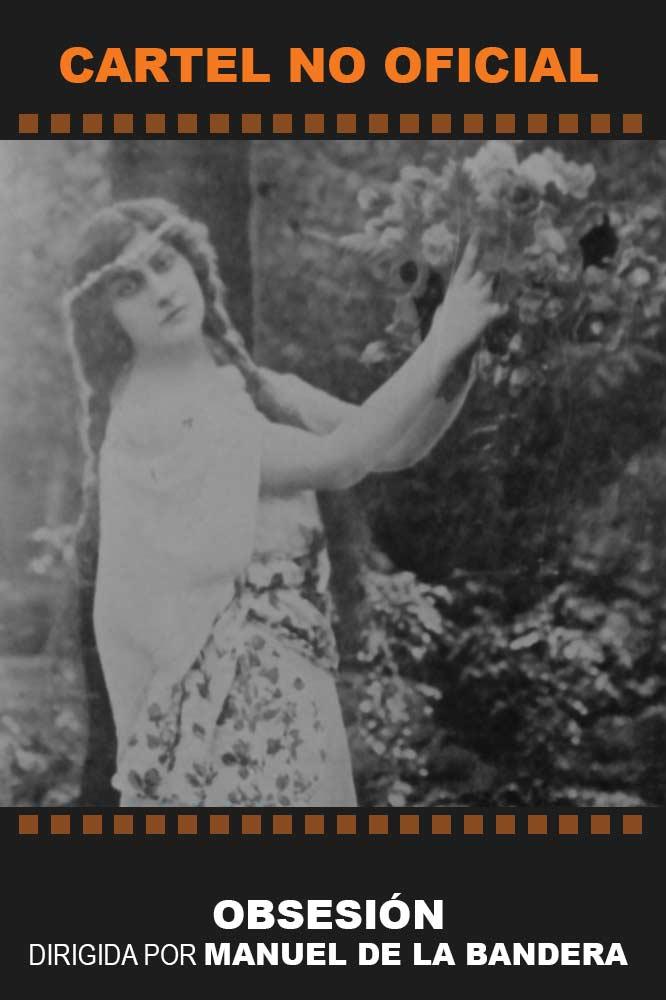
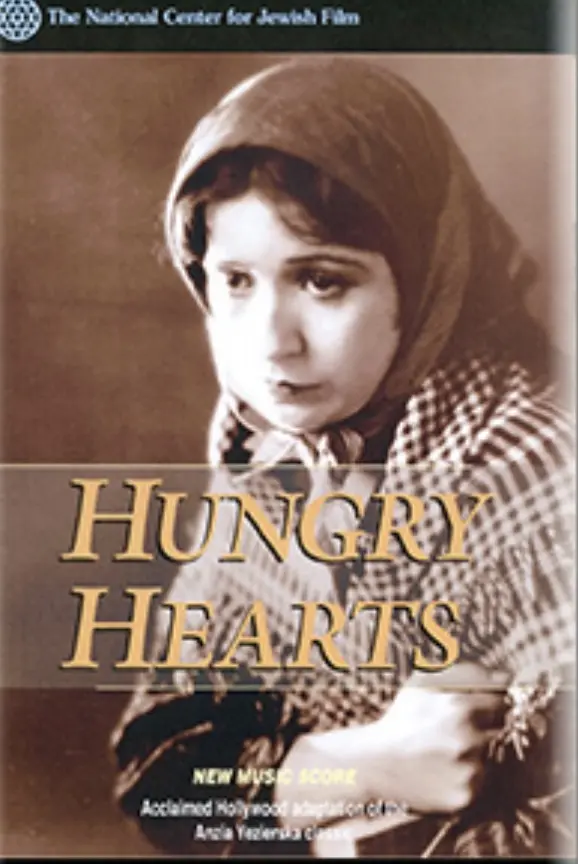
This obsession with the obscure extends to films that survived by the skin of their teeth. Hungry Hearts, for instance, brought the raw, unvarnished reality of American Jewish women to the screen. It wasn't just a romance; it was a subversive act of representation. In the world of cult cinema, being 'first' or 'different' is more valuable than being 'perfect.' The rough edges of early 1920s dramas are the very things that invite a specialized, deep-seated loyalty.
Visual Transgression and the Altar of the Image
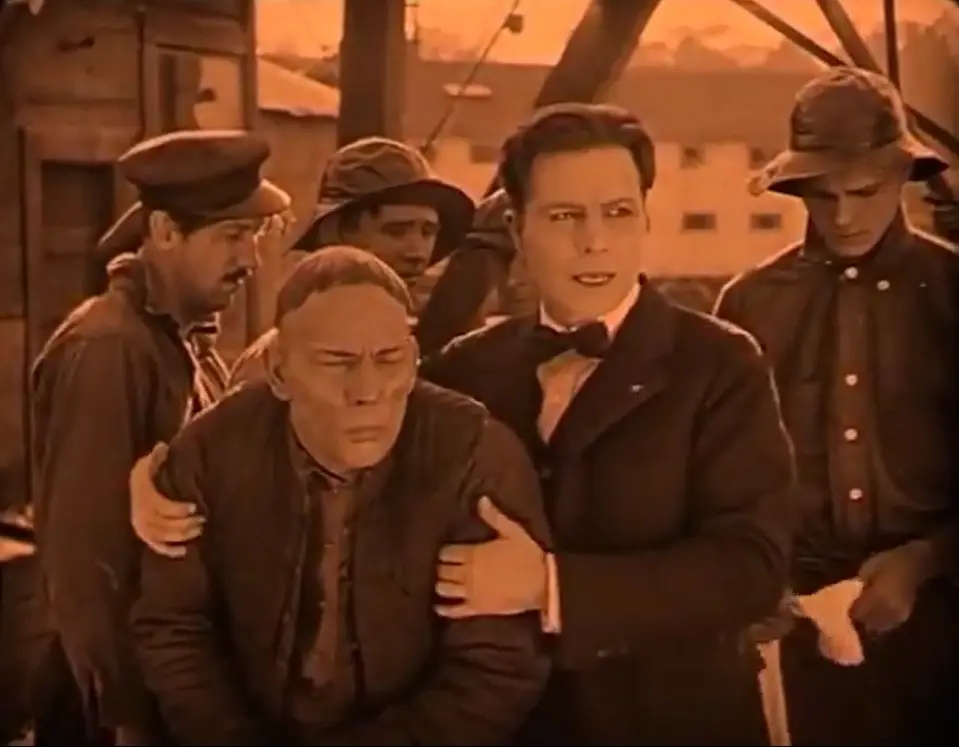
Cult cinema is often defined by a visual style that defies the mainstream. In the 1915 masterpiece The Cheat, the use of lighting and the shocking branding scene created a visceral reaction that signaled a departure from standard Victorian morality. This film didn't just tell a story; it seared an image into the collective subconscious. Similarly, the short film Raindrops, which personifies a drop of water as a 'saucy imp,' showcases the visual playfulness that would later define avant-garde cult classics. These films were the original 'midnight movies,' offering a sensory experience that transcended traditional plot structures.
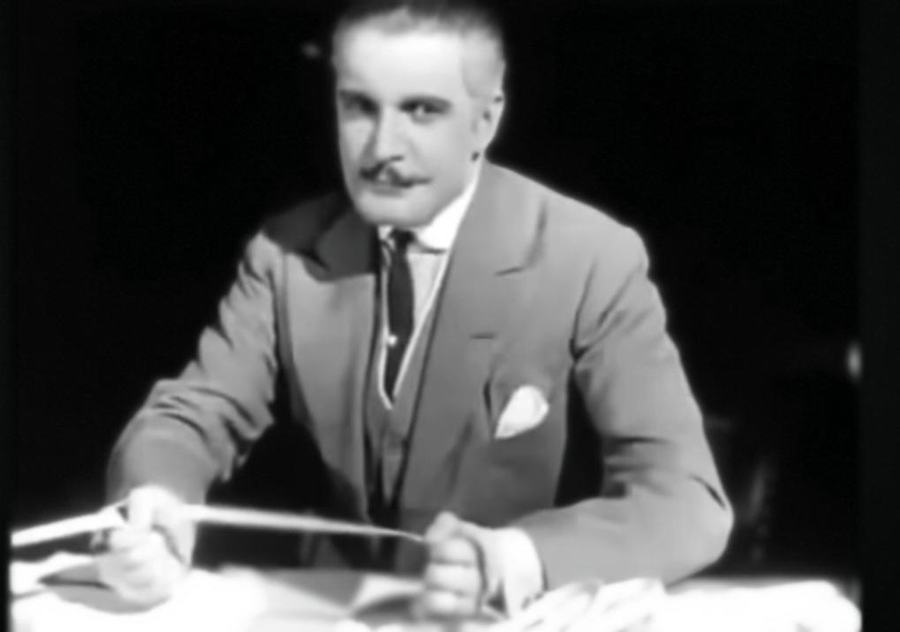
We see this visual experimentation in The Arab as well. By focusing on the exoticism of the Christian missionary Mary Hilbert and the sheikh’s son Jamil, the film utilized the 'otherness' of its setting to create a dreamlike atmosphere. This aesthetic of the exotic is a cornerstone of cult appeal—the feeling of being transported to a world that operates by its own internal logic, far removed from the mundane reality of the viewer.
The Morality of the Misfit: Proto-Cult Protagonists
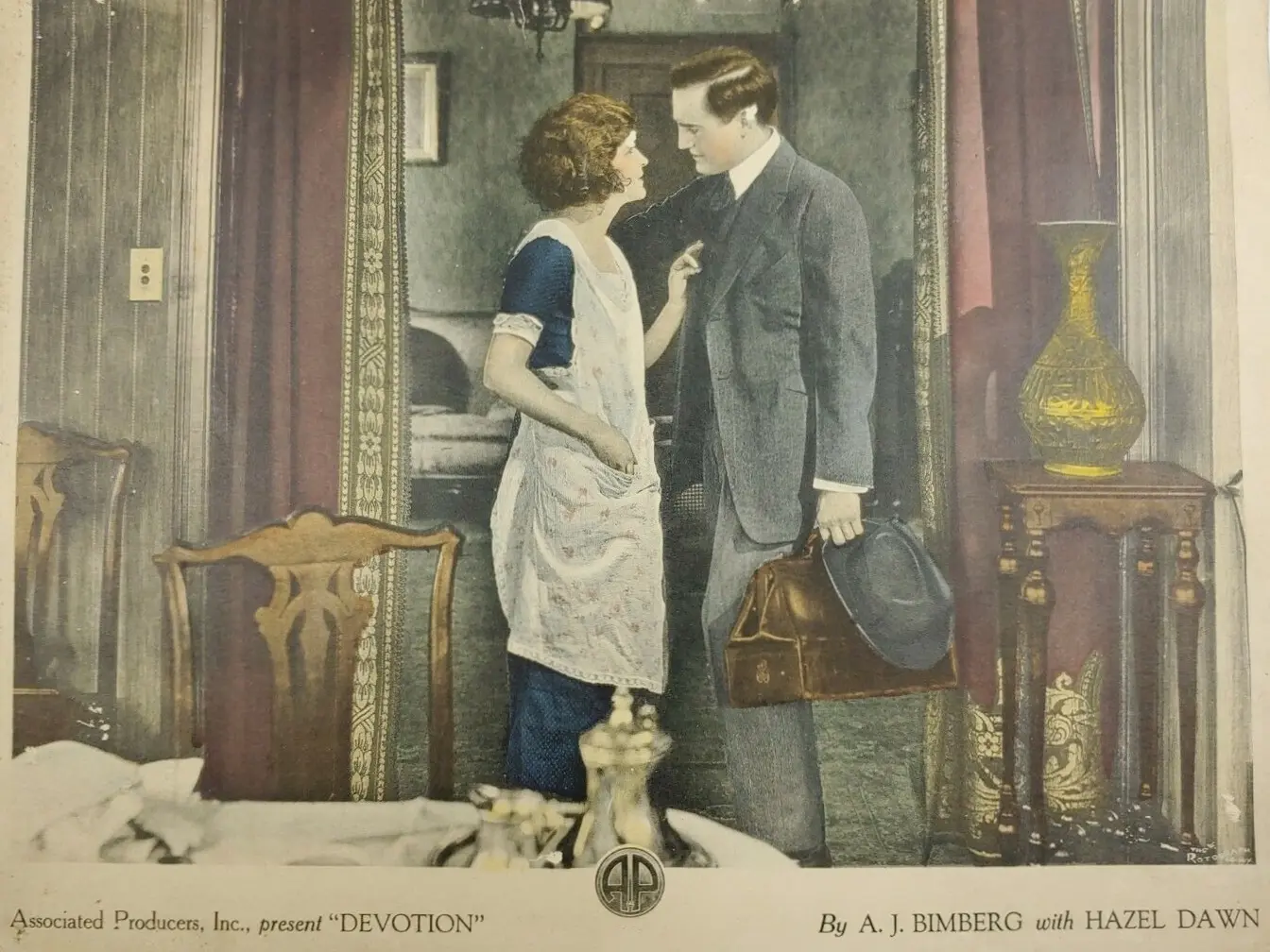
At the heart of every cult film is a protagonist who doesn't quite fit. Whether it's the professional safecracker Peggy in Blindfolded, who decides to reform after reading Ralph Waldo Emerson, or the 'Imp' in When We Were 21, these characters represent a defiance of social norms. In Blindfolded, the juxtaposition of criminal expertise with transcendentalist philosophy is exactly the kind of narrative weirdness that attracts a dedicated following. Cult audiences don't want a hero; they want a mutant—a character whose internal contradictions reflect their own.

Consider The Last of the Ingrams, where Jules Ingram seeks solace in drink to forget the weight of his Puritan lineage. This theme of the 'fallen' aristocrat or the 'moral outlier' is a recurring motif. In Modern Husbands, the neglect and philandering within a wealthy Wall Street circle provide a cynical look at the elite, a theme that resonates with the subversive spirit of cult cinema. These films didn't just entertain; they acted as a mirror for the social anxieties of their time, reflecting back a distorted, more interesting version of reality.
Genre Anarchy: When Westerns Meet Racers
Cult cinema thrives on the 'mutation' of genres. The Road Demon is a perfect example, blending the desert cowhand aesthetic with the burgeoning world of automobile racing. When Hap Higgins trades his horse for a 'broken-down automobile,' he is literally trading the old world for the new. This genre-clash—Western meets Action—is the ancestor of modern 'genre-mashup' cult hits. It refuses to stay in its lane, much like A Western Adventurer, which combines the grit of a ranch inheritance with the slapstick of a horse following an automobile.
Even the shorts of the era, such as Village Cutups and High Power, displayed a frantic energy that defied the slower pacing of mainstream features. These 'frenzied films'—a term literally used in the title of the 1915 burlesque Frenzied Film—poked fun at the industry itself. This meta-commentary is a hallmark of cult fandom. To be a cult fan is to be 'in on the joke,' to understand the artifice of the medium and celebrate it anyway.
The Darker Rhythms: Mystery and Mystery Identity
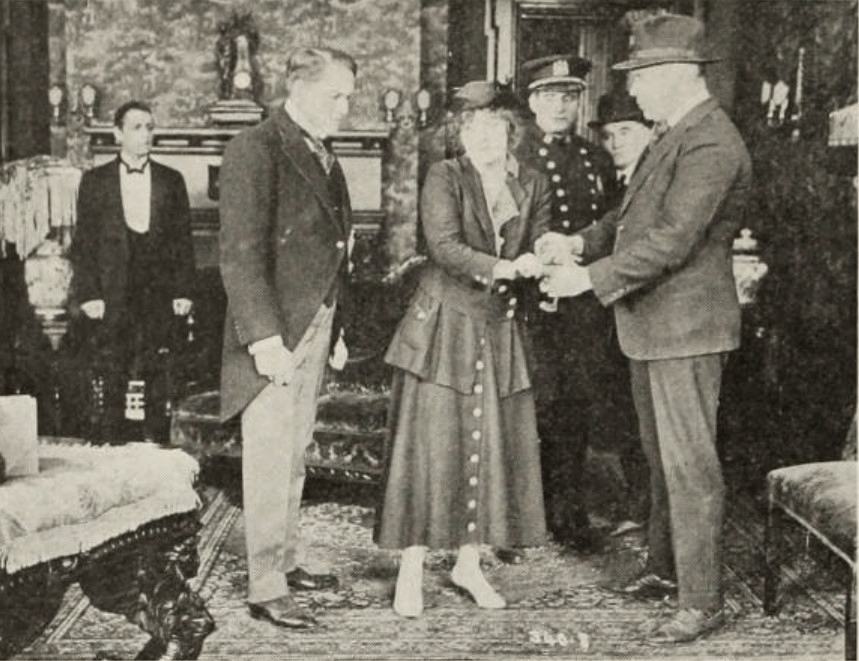
Mystery and the 'double life' are essential ingredients in the cult cauldron. In Not Guilty (1921), Paul Ellison exchanges identities with his twin brother to assume guilt for a murder. This exploration of the shadow self is a primal theme that cult cinema excels at. Similarly, The Revolutionist features a baron posing as a prince to elope with an anarchist's sister—a plot thick with deception and class rebellion. These narratives suggest that identity is fluid and that the truth is always buried under layers of performance.
This theme is echoed in Under Two Flags (1922), where a nobleman joins the French Foreign Legion as a private, hiding his true self. The character of Cigarette, the French-Arab girl who loves him, became a cult icon of her time, representing a wild, uncontained passion that contrasted with the rigid social structures of the early 20th century. These are the stories that linger in the mind long after the credits roll, because they tap into a universal desire to escape the confines of one's own identity.
The Legacy of the Forgotten: Why Early Cinema Matters
Why do we still look back at films like The Sins of Rosanne or The Plaything of Broadway? It’s because they represent the 'wild west' of cinematic storytelling. Before the Hays Code and the homogenization of Hollywood, filmmakers were experimenting with themes of addiction, seduction, and social ruin. In The Sins of the Mothers, we see an inherited tendency to gambling, a dark exploration of genetic destiny that feels remarkably modern. In Tess of the D'Urbervilles, the tragedy of seduction and ancestral claims provides a heavy, gothic atmosphere that has inspired countless cult adaptations.
Even the lighter fare, like Petticoats and Pants, where a college 'cut-up' poses as a farmhand, or Remodeling Her Husband, directed by Lillian Gish, shows a preoccupation with gender roles and social masquerade. These films were the training ground for the transgressive themes that would later explode in the 1960s and 70s. They taught us that the screen is not just a place for stories, but a place for rebellion.
The Alchemical Connection: From Silent to Midnight
The transition from the silent era's 'misfits' to the modern cult classic is a direct line of descent. The maverick spirit found in The Sky Pilot—a Western about a preacher helping a girl walk again—shares the same DNA as the 'outsider' narratives of today. The obsession with the 'Golden Goal' or the 'White Man's Chance' (as seen in The Golden Goal and A White Man's Chance) speaks to the human condition’s struggle against overwhelming odds.
Cult cinema is, ultimately, a communal ritual. We gather to watch Richard the Brazen or The Love Special not because they are the greatest films ever made, but because they speak to a specific part of our soul that craves the unconventional. They are the 'broken bubbles' of our imagination—fragile, beautiful, and fleeting. By unearthing these forgotten reels, we are not just practicing film history; we are participating in a sacred séance, bringing the original outcasts of the screen back to life for a new generation of rebels.
In conclusion, the neon cipher of cult cinema is written in the ink of the silent era. From the safecracker reading Emerson in Blindfolded to the personified raindrop in Raindrops, the roots of our cinematic obsession are deep and diverse. As we continue to explore the unconventional canon, we find that the first century of cinema was not just a prelude, but a full-blown revolution that is still flickering in the dark of every midnight screening.
Community
Comments
Log in to comment.
Loading comments…