Cult Cinema
The Outlaw Optic: How the 1910s Silent Underground Prefigured the Modern Cult Psyche
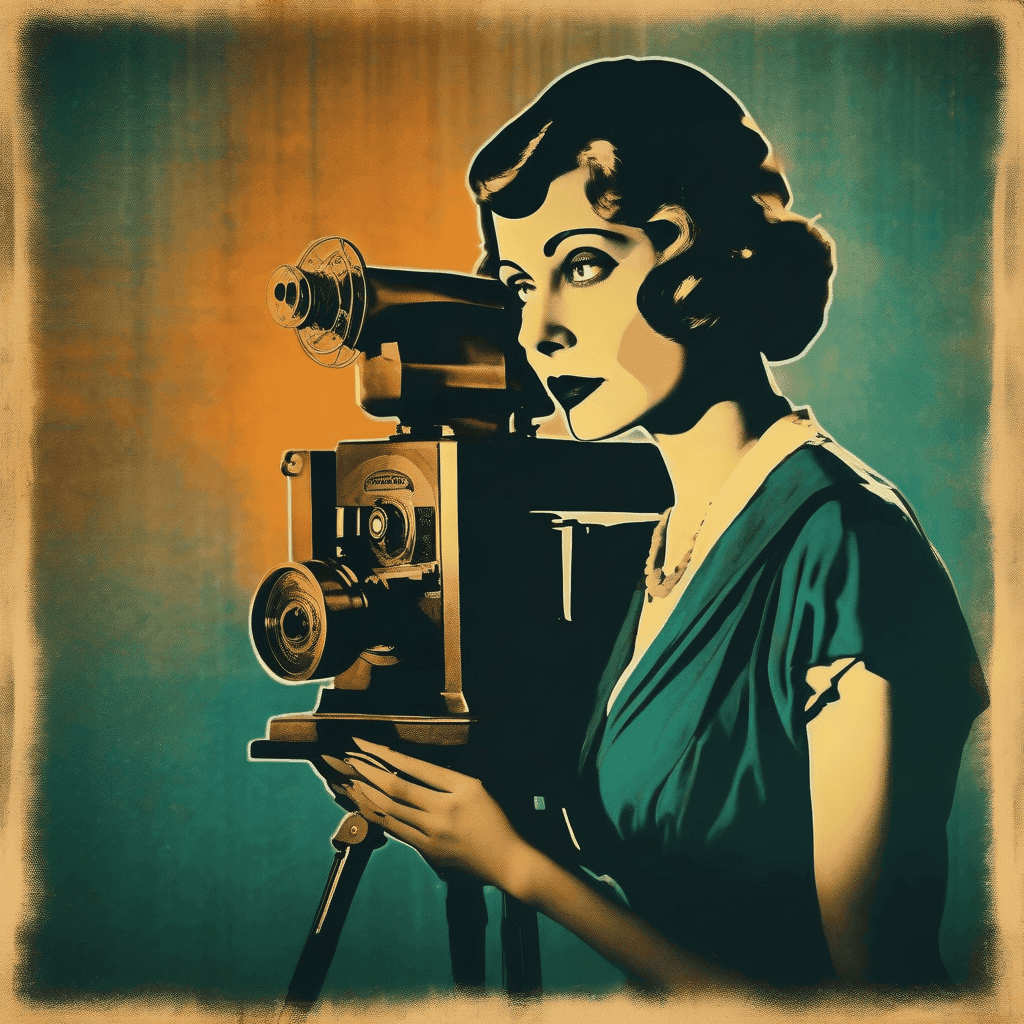
“An exploration of how the transgressive, genre-bending, and forgotten reels of the 1910s laid the foundation for modern cult cinema and niche devotion.”
The history of cinema is often written by the victors—the massive studios, the blockbuster franchises, and the Oscar-winning epics that define mainstream culture. However, beneath the surface of this polished narrative lies a darker, more eccentric current: cult cinema. While many associate the birth of the cult film with the midnight movie madness of the 1970s or the transgressive VHS era of the 1980s, the true genetic code of the cult gaze was written much earlier. To understand the modern obsession with the 'weird,' the 'lost,' and the 'subversive,' we must look back to the 1910s—a decade of cinematic experimentation where the rules of storytelling were still being forged in the heat of nitrate rebellion.
The Genesis of the Transgressive Lens
In the early 20th century, cinema was a lawless frontier. Before the implementation of strict censorship codes, filmmakers were free to explore the darker corners of the human condition. One of the most significant precursors to modern cult devotion is the 1919 masterpiece Different from the Others. This film, a courageous exploration of LGBTQ+ themes in a time of intense social repression, represents the quintessential cult object: a film that was banned, burned, and nearly lost to time, only to be resurrected by a devoted community of historians and activists. Its status as a 'forbidden' text is exactly what fuels the cult engine—the sense that by watching it, one is participating in an act of political and social defiance.
Similarly, films like The Woman Who Gave (1918) introduced audiences to the concept of the 'femme fatale' and the obsessive nature of the artist. The story of Colette, a model caught between two brothers—one of whom is a hunchback artist—prefigures the gothic melodrama and obsession with physical deformity that would later characterize the works of cult icons like Tod Browning. These films weren't just entertainment; they were explorations of the 'other,' providing a voice for the marginalized and the eccentric long before the term 'counter-culture' existed.
Genre-Bending and the Birth of the Bizarre
Cult cinema thrives on the blurring of boundaries, and the 1910s were a hotbed for genre-defying experiments. Take, for instance, The Fairylogue and Radio-Plays (1908-1910). This lost film, which adapted L. Frank Baum’s Oz books, was a multimedia spectacle that combined live narration, theater, and film. Its disappearance has only added to its mystique, making it a holy grail for collectors and Oz enthusiasts. This 'lost film' phenomenon is a cornerstone of cult worship; the absence of the object creates a vacuum filled by myth and fanatical research.
Then there is Cleopatra (1917), starring the original 'Vamp,' Theda Bara. While most of the film is lost, the surviving stills of Bara in her provocative costumes have sustained a century-long obsession. She was the first true cult icon—a manufactured mystery whose persona was as important as her performance. This cult of personality is reflected in modern fandoms that revolve around singular, charismatic figures who exist outside the Hollywood norm.
The Aesthetic of the Outlier
The 1910s also gave us the 'gentleman burglar' and the 'noble outlaw,' archetypes that would become staples of cult genre films. Come Through (1917) features a protagonist who is a society dancer by day and a burglar by night, a duality that appeals to the cult fan’s love for characters with secret lives and moral ambiguity. Similarly, The Kelly Gang (1906/1910s) birthed the 'bushranger' genre, a raw, gritty style of crime drama that felt more authentic and dangerous than the sanitized westerns of the era.
Even the comedies of the era had a surreal, almost transgressive edge. Ambrose's Bungled Bungalow and The Kick in High Life utilized a brand of slapstick that was often violent, chaotic, and socially irreverent. These shorts weren't just about laughs; they were about the disruption of order, a theme that resonates deeply with the cult ethos of challenging the status quo.
The Ritual of the Shared Secret
What truly defines a cult film is not just the content on the screen, but the community that forms around it. In the 1910s, this was evidenced by the unique serial Our Mutual Girl (1914). Part newsreel, part drama, and part advertisement, it created a weekly ritual for audiences, fostering a sense of connection and shared experience that mirrors modern episodic fandoms. It was a proto-influencer model, where the protagonist's life was followed with a religious fervor.
Films like The Silent Master (1917) and The Club of the Black Mask (1916) tapped into the public's fascination with secret societies and underground justice. These narratives provided a blueprint for the 'secret world' tropes found in everything from noir to superhero cinema. By engaging with these stories, audiences felt like they were part of an exclusive club, privy to knowledge that the average person lacked.
The Shadow of the Great War
The trauma of World War I also left an indelible mark on the cinema of the late 1910s, producing films that were both propaganda and deeply personal explorations of loss. Allies' Official War Review, No. 27 and A Romance of the Air (1918) showed the reality of the skies and the trenches, but they also introduced a sense of fatalism and 'lost generation' angst that would later define the darker side of cult cinema. The figure of the 'wounded hero' or the 'disillusioned veteran' in films like The Grouch (1918) prefigures the loner protagonists of 1970s cult classics.
The Enduring Legacy of the Misfit Reel
As we look at the landscape of modern cinema, it is impossible to ignore the influence of these early anomalies. The cult film is, at its heart, a celebration of the 'misfit'—the film that doesn't fit into a neat box, the performance that is too intense for the mainstream, and the story that dares to be different. Whether it is the racial and cultural tensions explored in The Last Egyptian (1914), based on a novel by L. Frank Baum, or the domestic tragedies of The Second Mrs. Tanqueray (1916), the 1910s provided the raw materials for every cult subgenre we know today.
The 'cult gaze' is an act of reclamation. It is the process of taking a 'failed' or 'forgotten' film like Rose de Nice or Through the Back Door and finding within it a profound truth or an aesthetic beauty that the original audience missed. It is the realization that a film like Man and His Soul (1916), with its allegorical explorations of conscience, can be just as moving and relevant as any modern blockbuster.
Conclusion: The Eternal Flame of the Underground
The 1910s were not just the 'early days' of film; they were the foundation of cinema's soul. The rebels, the misfits, and the mavericks of that era—from the creators of The Three Black Trumps to the stars of Mickey (1918)—understood that the power of the moving image lies in its ability to provoke, to challenge, and to unite. As long as there are viewers who seek out the strange, the forbidden, and the beautiful, the spirit of the 1910s underground will continue to flicker in the dark, guiding us toward the next great cult obsession.
In the end, the history of cult cinema is a history of survival. It is the story of films like Das Geheimnis der Lüfte and The Shepherd of the Southern Cross, which exist now as fragments of a larger, more complex puzzle. By studying these early works, we aren't just looking at the past; we are decoding the future of cinematic devotion. The outlaw optic is forever open, watching the shadows for the next reel of celluloid gold.
Community
Comments
Log in to comment.
Loading comments…