
Cult Cinema
The Outlaw’s Altar: Uncovering the Forgotten Roots of Cult Devotion in Early Cinema

“A deep dive into how the transgressive narratives and forgotten misfits of the silent era laid the foundation for modern cult cinema obsession.”
The history of cult cinema is often framed as a post-1960s phenomenon, a product of the midnight movie circuit and the rise of the counterculture. However, to truly understand the DNA of cinematic obsession, one must look further back into the shadows of the early 20th century. Long before the term 'cult' was codified, the fringes of the silent era were already producing works that defied mainstream sensibilities, challenged moral authorities, and spoke to the disenfranchised. These films, ranging from social critiques to pulp adventures, formed what we might call the Outlaw’s Altar—a sacred space for the weird, the transgressive, and the overlooked.

The Social Pariah as a Cinematic Icon
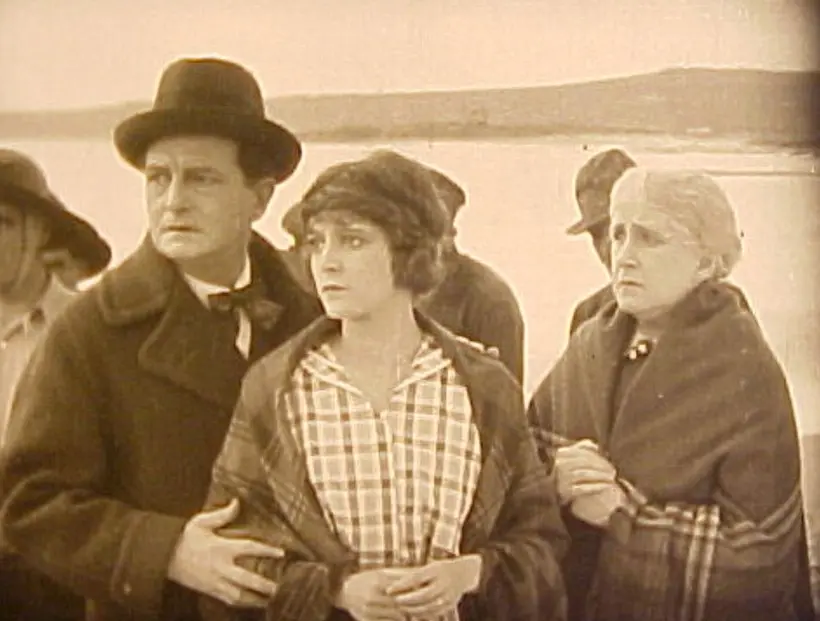
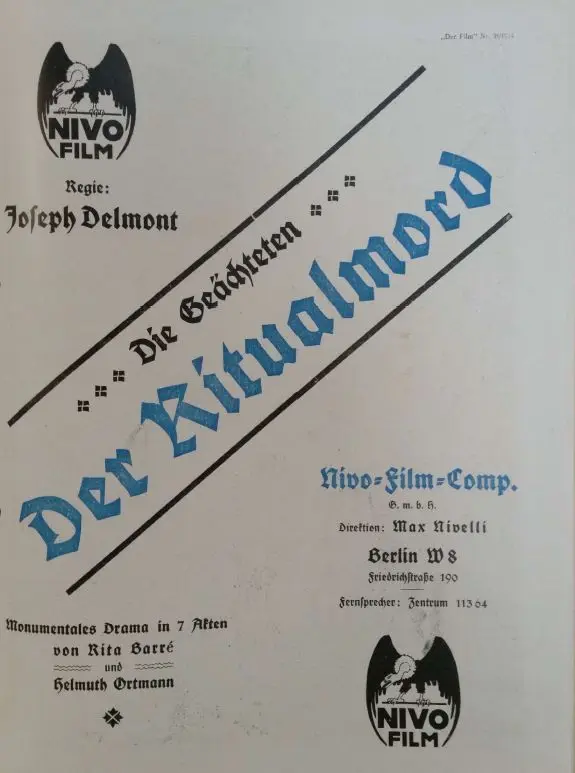
One of the primary drivers of cult devotion is the representation of the outcast. In the early 1920s, films like Die Geächteten (1921) explored the terrifying power of superstition and hate. By depicting the disappearance of a little girl and the subsequent ritual murder rumors that ignited attacks against Jewish communities, the film tapped into a primal societal fear. This narrative of a young student trying to protect the innocent against a tide of ignorance is a precursor to the modern 'lone hero against the mob' trope found in many cult classics. Similarly, Ingeborg Holm (1913) provided a harrowing look at financial struggle and the separation of a mother from her children, offering a social critique that resonated with those living on the margins of the industrial world.
The Moral Grey Zones of the Silent Screen
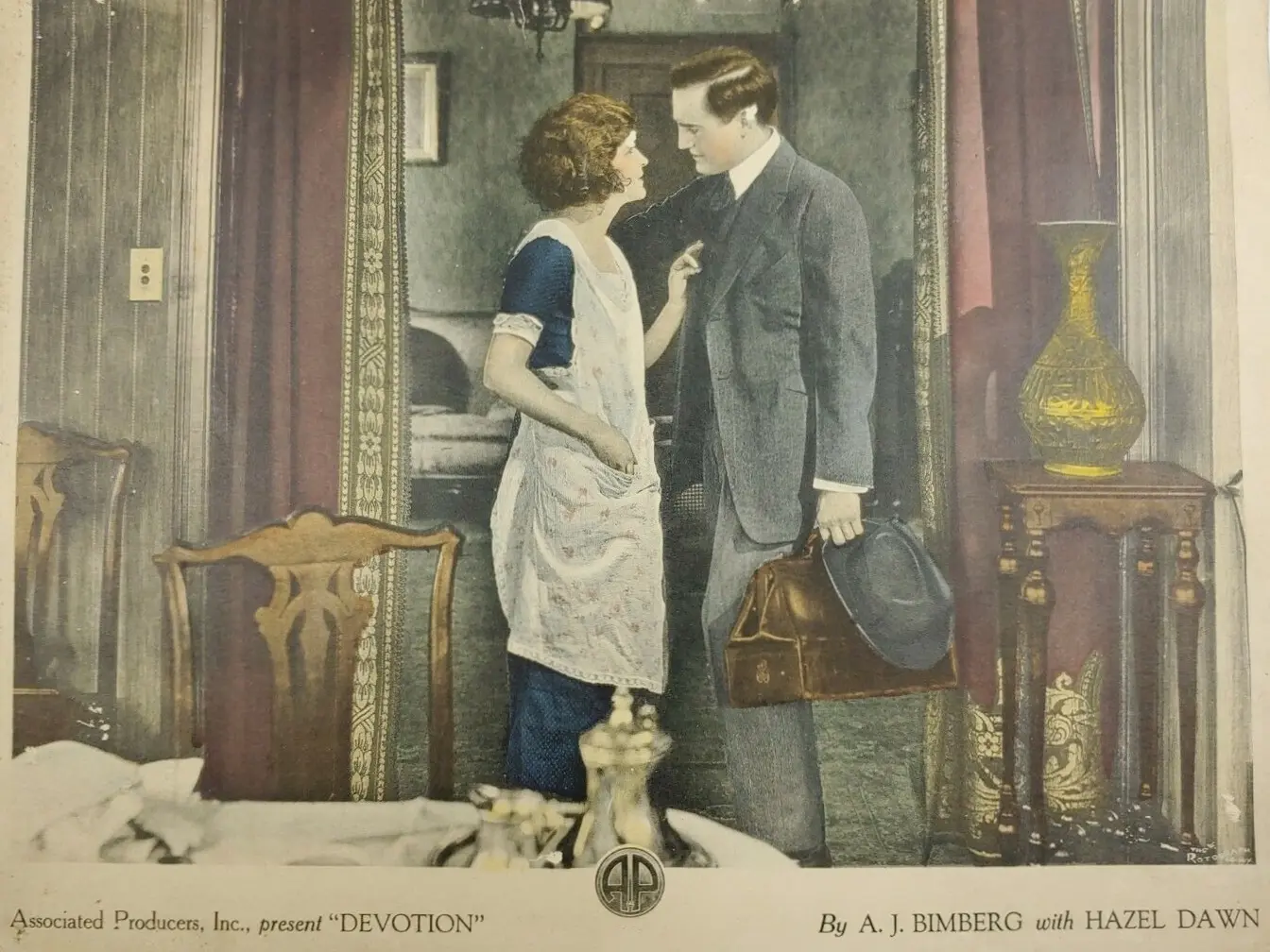
Cult cinema thrives in the grey zones of morality. Consider The Red Lane (1919), where a young woman returns from a convent only to find her father leading a band of smugglers. The tension between her religious upbringing and her father’s criminal enterprise creates a narrative friction that is inherently 'cult.' It challenges the audience to sympathize with the lawless. We see this again in Cupid's Brand (1921), where an ex-convict and counterfeiters set up shop in a desert town, forcing the local sheriff to navigate a web of corruption. These films didn't just tell stories; they explored the transgressive soul of humanity, a key ingredient for any film destined for niche worship.
Genre Mutations and the Birth of Pulp
The early era was a laboratory for genre experimentation. Adventures of Tarzan (1921) brought the pulp energy of Edgar Rice Burroughs to the screen, featuring Jane’s abduction by Arab slave traders and the mysterious Queen La of Opar. This blend of action, adventure, and the exotic provided the escapism that would later define B-movie culture. Meanwhile, The Island of Desire (1917) took audiences to a pearl lagoon in the South Sea Islands, featuring a 'degenerate Australian' and a quest for untold treasures. These films weren't aiming for high art; they were aiming for the visceral thrill, creating a template for the adventure cults of the 1970s and 80s.

The Vamp and the Performance of the Macabre
Performance art and cinema have always been intertwined in the cult world. Vampyrdanserinden (1912) is a quintessential example. When a dance partner falls ill, the search for a replacement for the 'Vampire Dance' becomes a central plot point. This focus on a specific, stylized performance—often with macabre or erotic undertones—prefigures the obsession with musical numbers and performance-based cult films like The Rocky Horror Picture Show. It is the spectacle of the 'Vamp' that draws the eye, a figure of dangerous femininity that appeared again in A Nine O'Clock Town (1918), where a city vamp attempts to seduce and blackmail a small-town man.
The Western: A Frontier for the Misfit
The Western genre provided fertile ground for cult archetypes. In The Trouble Shooter (1924) and The Mysterious Rider (1921), we see the emergence of the 'mysterious stranger' and the 'noble outlaw.' In The Mysterious Rider, the protagonist Wilson Moore must navigate the complex gratitude and loyalties of a ranch-owning family, while Lochinvar o' the Line (1921) brought the grit of the frontier to life. These films often dealt with frontier justice and the clash between civilization and the wild, a theme that remains a cornerstone of cult cinema. Even the short-form Westerns, such as Fatherhood (1915), where a rancher saves a baby from an Indian raid only to fall in love with her years later, pushed the boundaries of traditional narrative structure and moral comfort.
Comedy as a Subversive Tool
Cult cinema isn't always grim; it is often hilariously subversive. The Sweet Dry and Dry (1919) mocked the prohibition era by showing characters improvising a still to make liquor at home, only to have the arresting officer charge the 'Dry Committee' with the same crime. This kind of anti-authoritarian humor is the lifeblood of cult fandom. La La Lucille (1920) took it a step further with a plot about a man who must divorce his vaudeville-performer wife to inherit two million dollars. The absurdity of the situation and the critique of wealth and social standing are hallmarks of the maverick spirit that defines the genre.
The Lies We Tell: Miss George Washington
Character studies of the flawed and the eccentric often find a home in the cult canon. Miss George Washington (1916) features Berenice Somers, a chronic liar who skips school to see a matinee. Her inability to tell the truth leads to a comedic spiral of deception. Audiences have always been drawn to characters who are 'relatably bad,' and Berenice’s antics provide a blueprint for the charmingly deceptive protagonists of later cult comedies. Similarly, Humdrum Brown (1918) explores the life of a man nicknamed 'Humdrum' because his life is so monotonous—until it isn't. The transformation from the mundane to the extraordinary is a classic cult narrative arc.
Lost Narratives and the Power of the Archive
Many of the films from this era, such as Das Rätsel von Bangalor (1918) or Prinzessin Tatjanah (1923), exist now primarily as fragments or titles in an archive. This 'lost' status only adds to their cult allure. The search for the unseen reel is a primary motivator for film historians and cult enthusiasts alike. Films like The Island of Desire or the documentary short An Eskimotion Picture (1920) represent a time when the camera was a tool of discovery, capturing worlds that were largely unknown to the general public. This sense of cinematic archeology is what keeps the cult flame burning.
The Orphan’s Journey
The recurring theme of the orphan—seen in Child of M'sieu (1919), where a little girl brings happiness to a tavern, and The Deciding Kiss (1918), where an orphan is adopted by wealthy New Yorkers who don't love her—speaks to the universal feeling of being 'unwanted.' Cult cinema often becomes a home for these 'orphaned' stories, films that didn't fit the studio mold or were rejected by the critics of their time. Parentage (1917) explicitly compared the lives of two boys—one raised with love and the other by an avaricious father—highlighting how environment shapes the soul. This focus on formative trauma and social conditioning is a deep well that cult directors continue to draw from today.
Conclusion: The Eternal Flicker of the Fringe
From the high-stakes drama of The Climbers (1919), where social climbing leads to financial ruin, to the simple, heart-wrenching story of The Hired Man (1918), early cinema was far more diverse and daring than it is often given credit for. Whether it was the slapstick rebellion of Shine 'em Up! (1922) or the dark mysteries of The Hindu Nemesis (1919), these films were the first to plant the seeds of niche devotion. They proved that cinema didn't need a massive budget or a moralistic ending to be meaningful; it just needed a maverick vision. As we continue to unearth these forgotten gems, we find that the Outlaw’s Altar is not a relic of the past, but a living, breathing part of our cinematic future. The flicker of the nitrate may be fragile, but the spirit of the cult is indestructible.
Community
Comments
Log in to comment.
Loading comments…