
Cult Cinema Deep Dive
The Phosphorescent Fringe: Decoding the Subversive Spirit of Cinema’s Earliest Genre Outcasts
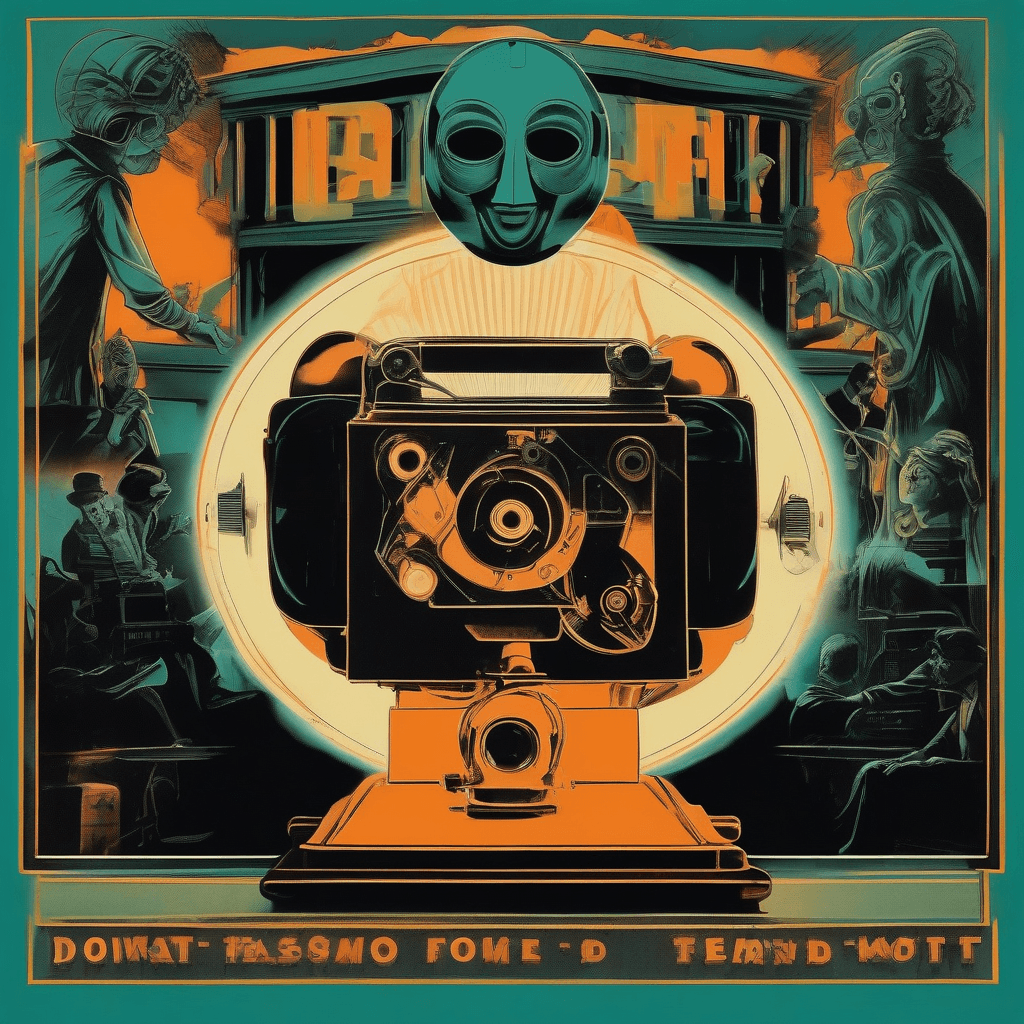
“A deep dive into the primal roots of cult cinema, exploring how the silent era's genre-defying outliers and moral rebels established the blueprint for modern niche obsession.”
When we speak of cult cinema, the mind often drifts to the neon-soaked midnight screenings of the 1970s or the transgressive VHS underground of the 1980s. Yet, the genetic markers of the cult phenomenon—the obsession with the outsider, the embrace of the bizarre, and the rejection of mainstream narrative safety—were forged much earlier. Long before the term "cult movie" entered the lexicon, a collection of silent-era anomalies was already laying the groundwork for what would become a global subculture of cinematic worship. These films, often relegated to the dusty corners of archives, represent a phosphorescent fringe that continues to glow in the subconscious of modern cinephiles.
The Architecture of the Abnormal: Why Early Cinema Defied Definition
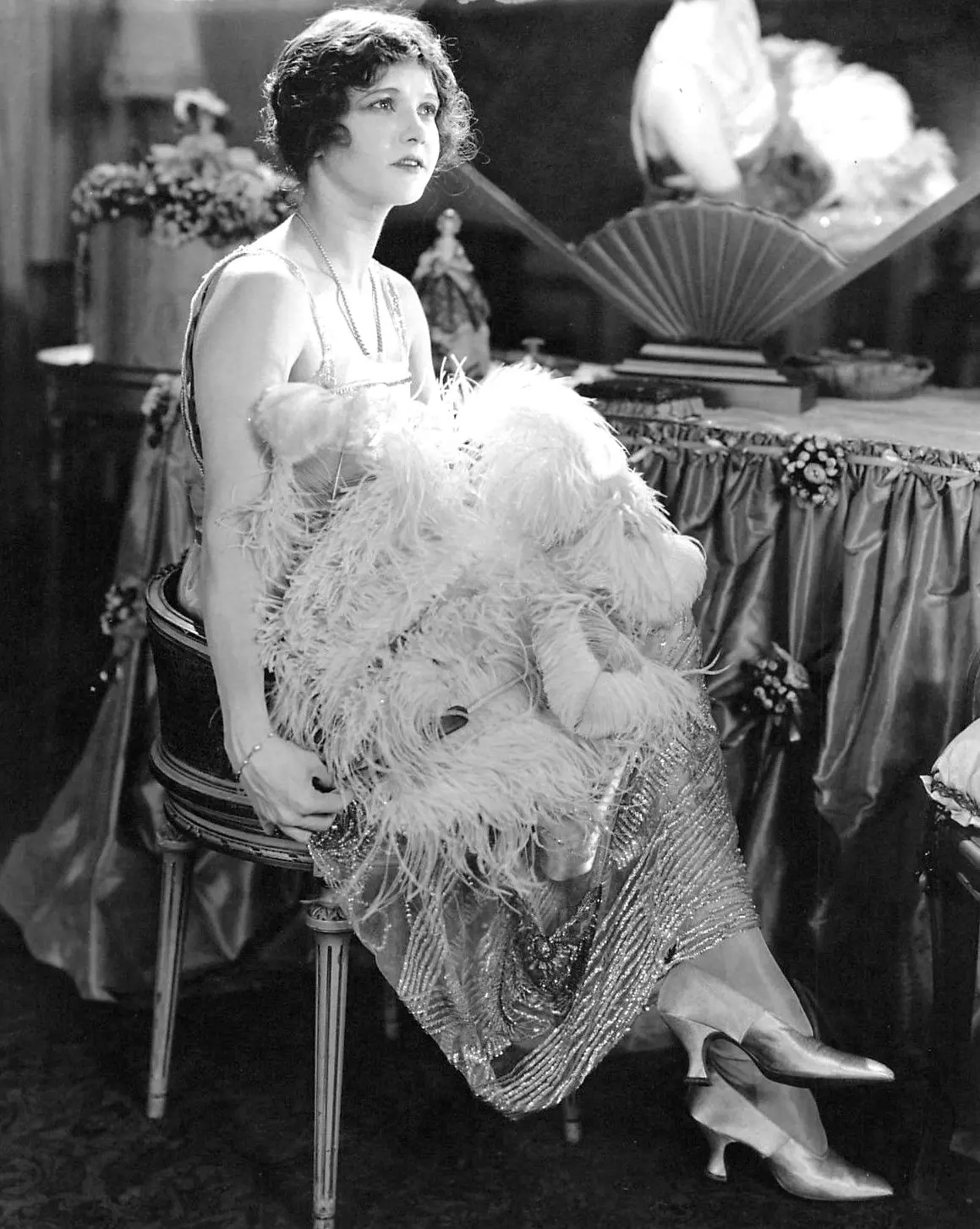
The birth of cinema was an era of lawlessness. Without the rigid structures of the Hays Code or the formulaic demands of modern blockbuster economics, early filmmakers were free to explore the darker, more eccentric impulses of the human condition. This was the era of the "proto-cult" film, where works like The Mad Lover could present a protagonist like Robert Hyde, a bachelor so committed to his isolation that he defies the spiritual and legal pleas of his community until a literal automobile accident forces a collision with romance. It is this specific brand of character—the stubborn outlier—that defines the cult archetype.
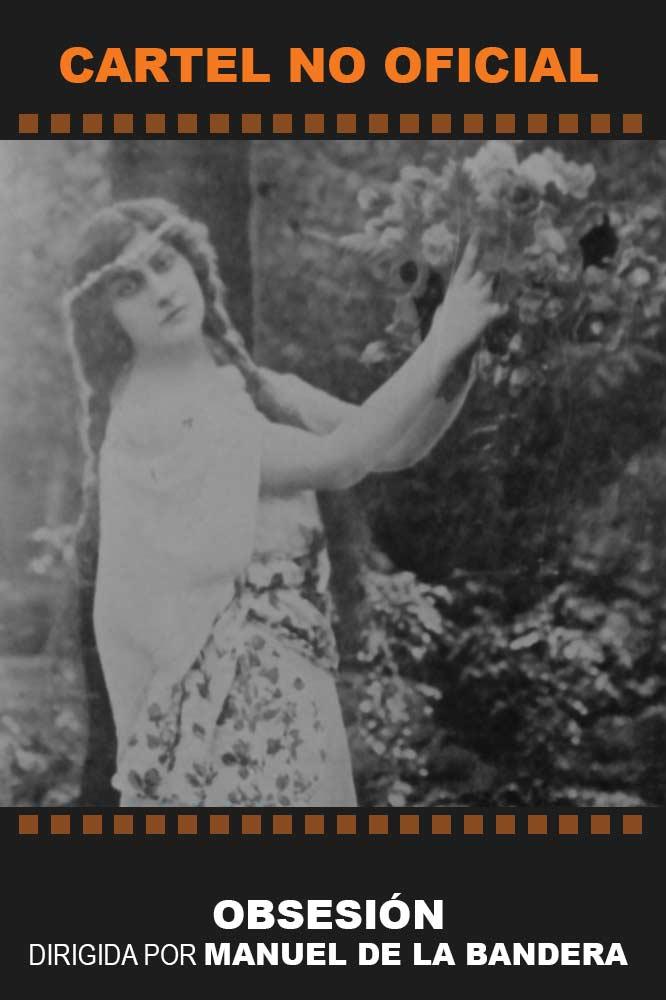
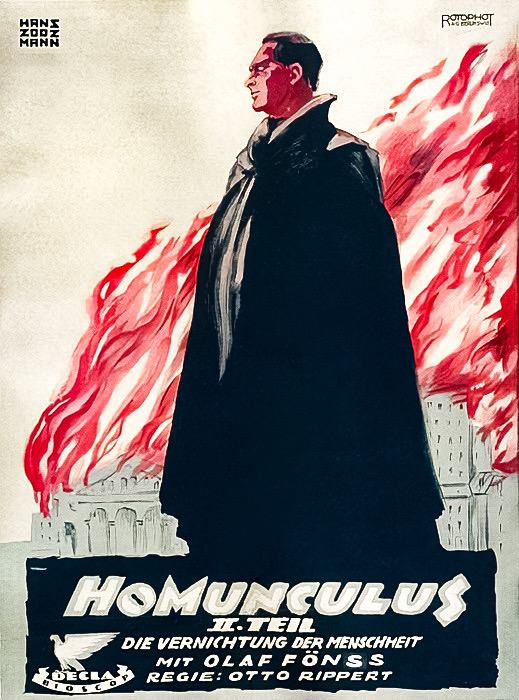
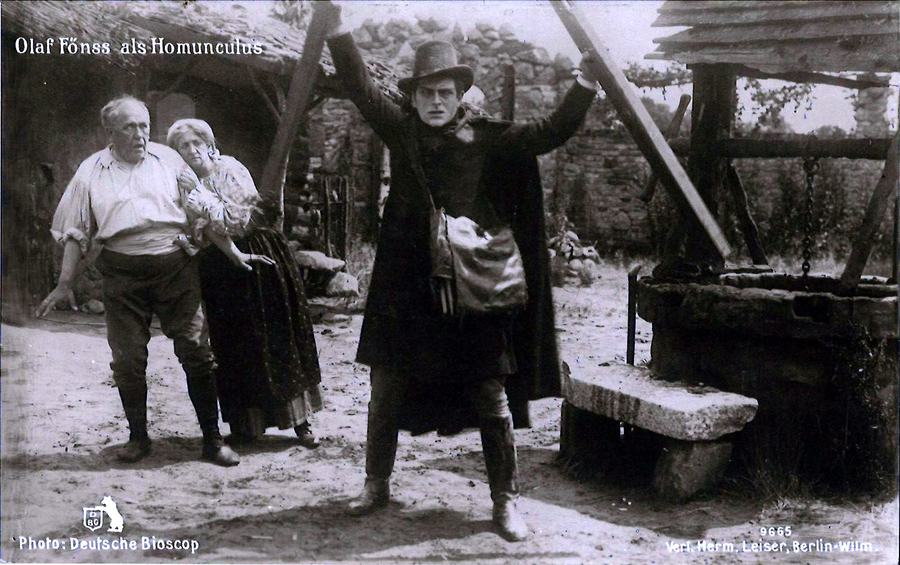
Cult cinema thrives on the unconventional rhythm of storytelling. Consider the narrative complexity found in Homunculus, 2. Teil - Das geheimnisvolle Buch. As an early exploration of the artificial man, it tapped into a primal anxiety about science and soul that would later resonate in cult classics like Blade Runner or The Rocky Horror Picture Show. The Homunculus is the ultimate cinematic outcast, a being created in a lab who seeks a place in a world that views him as a monster. This theme of "The Other" is the bedrock of cult devotion.
Moral Mutants and the Rebellion Against Convention
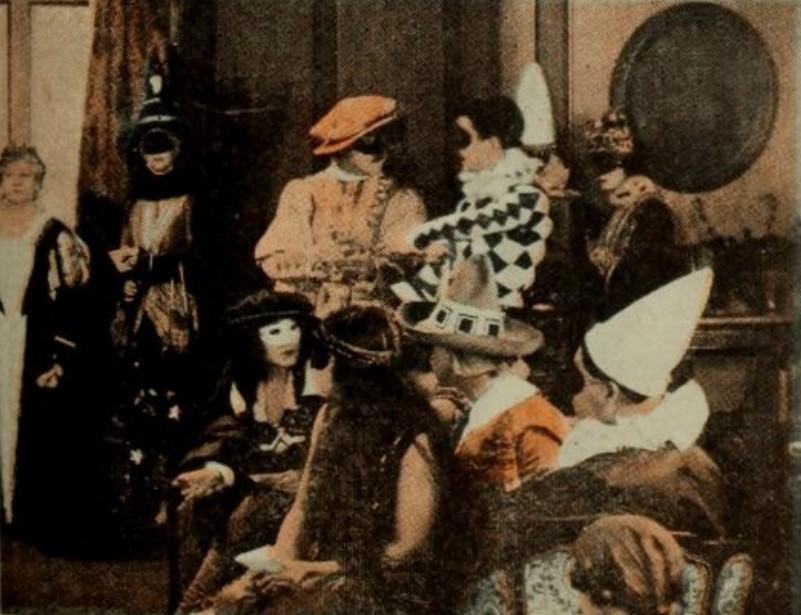
One of the defining characteristics of a cult film is its willingness to challenge the moral status quo. In the early 20th century, films like The Mystery of Room 13 and Unjustly Accused presented audiences with moral gray areas that mainstream melodrama often avoided. In The Mystery of Room 13, we see a cynical marriage of convenience between Count Giuseppe Rizzo and an heiress, complicated by the sudden appearance of a former mistress. This isn't just a story of romance; it is a story of debt, deception, and the messy reality of social climbing.

Similarly, Unjustly Accused explores the sacrifices of the artist. When the dancer Odette Blant is forced to choose between her passion for the stage and her marriage to a Count, the film touches on a transgressive tension. Cult audiences have always been drawn to characters who are forced to suppress their true selves to fit into polite society, only to have those passions erupt in dramatic, often tragic ways. This rebellion against the "normal" life is a recurring motif in the films that define the fringe.

The Cinema of Identity: A Tale of Two Worlds
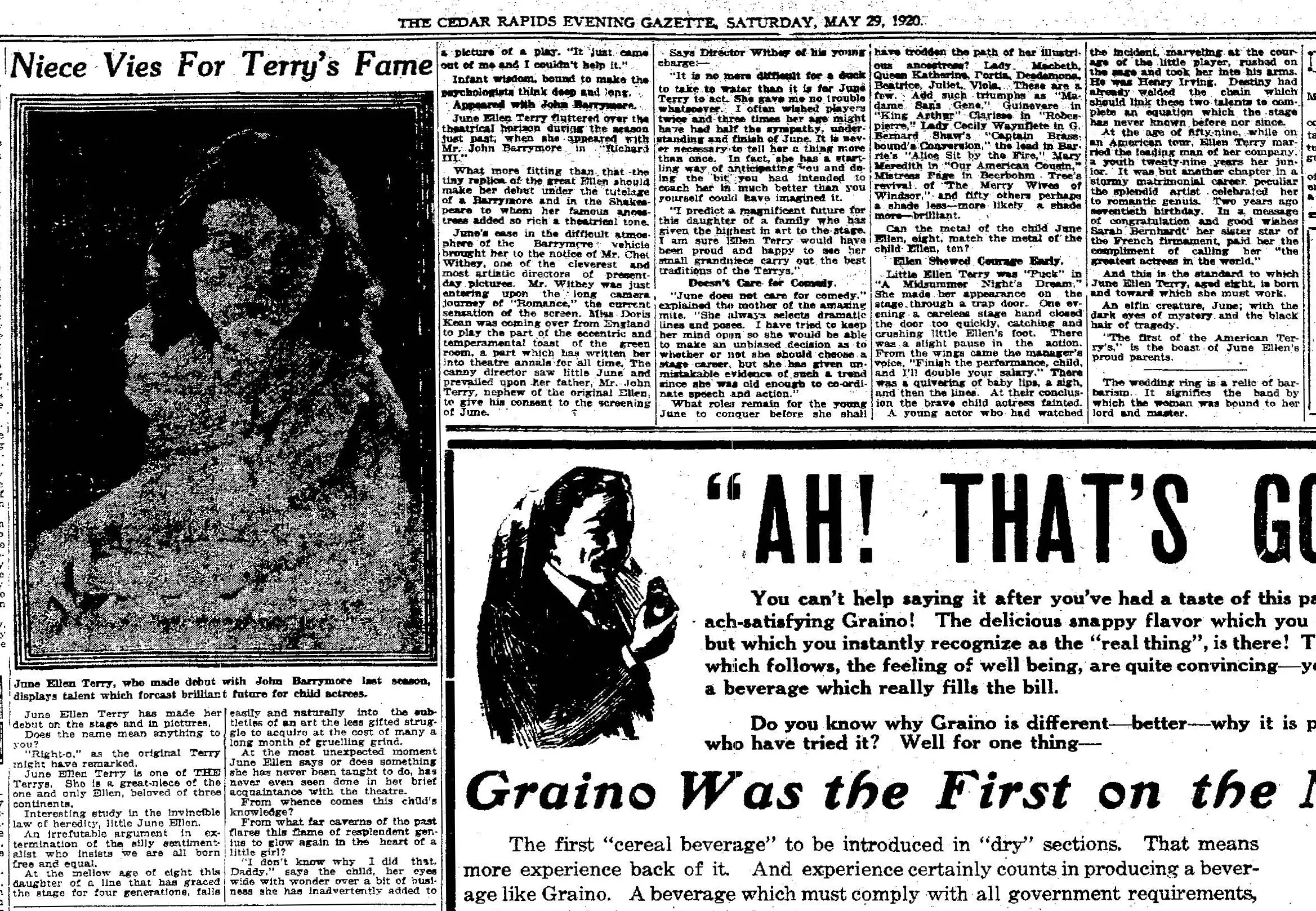
Cult cinema often provides a sanctuary for stories of displaced identity. A Tale of Two Worlds is a fascinating example of this, featuring a white child raised in China who eventually navigates the cultural divide of San Francisco. While the execution of such themes in 1921 may differ from modern sensibilities, the core interest in the "hidden identity" and the "stranger in a strange land" remains a powerful draw for cult enthusiasts. This fascination with the mask—the persona we project versus the truth of our origin—is also seen in The Head of Janus, F.W. Murnau’s lost take on the Jekyll and Hyde myth. The duality of man, the internal conflict between the gentleman and the monster, is a foundational pillar of the cult psyche.
Genre Anarchy: From Smugglers to Sentient Monkeys
What separates a standard film from a cult gem is often its refusal to stay within the lines of a single genre. The silent era was rife with this kind of "genre anarchy." Take A Penny Reward, a short film where a clever monkey becomes the primary agent of justice, stealing a dollar to help a sick woman. It is absurd, charming, and utterly unique—exactly the kind of "high-concept, low-budget" creativity that fuels midnight movie fandom. Or look at Hello, Mars!, an early animated short that combined comedy with the era’s burgeoning fascination with space travel. These films didn't just entertain; they expanded the boundaries of what was possible on screen.
In the realm of high-stakes adventure, The Ship of Doom and The Bottom of the Well offered audiences a glimpse into the gritty underworld of smuggling and maritime justice. These weren't polished epics; they were visceral, often dark tales of survival. In The Ship of Doom, the protagonist Martin Shaw is a fisherman forced into a life of violence to protect his fiancée’s honor. The cult appeal here lies in the desperation of the hero—a man pushed to the edge by a society that offers him no other choice.
The Comedy of the Grotesque: Sleepyheads and Country Cousins
Comedy in the silent era often veered into the surreal, a precursor to the "weird comedy" that would later define the works of John Waters or the Coen Brothers. The Sleepyhead, set in a sanitarium where an assistant fires "homely" nurses to hire showgirls, is a prime example of the irreverent, slightly transgressive humor that cult fans adore. It mocks authority, plays with social taboos, and prioritizes spectacle over "proper" decorum.

Even the more grounded comedies like Edgar's Country Cousin play with the clash of cultures—the city boy versus the country gang—in a way that highlights the performative nature of masculinity and social status. This interest in the "performance" of life is central to cult cinema, which often celebrates the artifice and the "camp" elements of filmmaking. When we watch The Upper Crust, where a housekeeper is mistaken for a wealthy socialite, we are witnessing the early iterations of the "fake it till you make it" narrative that has become a staple of niche cinema.
The Darkness of the Human Soul: Man and His Soul
Perhaps the most potent ingredient in the cult cauldron is the exploration of the spiritual and the allegorical. Man and His Soul presents a world before creation, where Conscience is born from the elements. This kind of high-concept allegory is rare in mainstream cinema because it demands a level of intellectual engagement and symbolic interpretation that general audiences often find off-putting. However, for the cult viewer, this complexity is the draw. It is a puzzle to be solved, a vision to be contemplated.
This same darkness permeates The Bigamist, a romance that turns into a psychological trap when a wife discovers her husband's second life. The domestic horror of discovering the person you love is a stranger is a theme that has been revisited in countless cult thrillers. It taps into a universal fear of the unknown that lurks within the familiar.
From Obscurity to Immortality: The Legacy of the Silent Outlier
Why do we continue to look back at these films? Why do titles like Blind Man's Luck or Daring Danger matter in an age of digital effects and 4K resolution? The answer lies in the purity of their rebellion. These films were made at a time when the language of cinema was still being written, and their "mistakes," their eccentricities, and their daring narrative choices are what make them immortal.
A film like The Dawn Maker, with its story of a "half-breed" Indian Joe Elk navigating the racial and social hierarchies of a fur trading post, offers a raw, unfiltered look at the tensions of the era. It is a "difficult" film, one that doesn't offer easy answers, and that difficulty is precisely what allows it to survive in the cult canon. Cult cinema is not about ease; it is about the challenge of the vision.
As we look at the vast landscape of early film—from the shipwrecked adventure of David and Jonathan to the tragic romance of The Chimney Sweeps of the Valley of Aosta—we see a recurring pattern of the "unseen." These are stories of people on the margins: the outlaws of Cavanaugh of the Forest Rangers, the "runaway bride" of Runaway June, and the impoverished Cockney girl of The Heart of a Child. They are the voices that the mainstream tried to silence, but which found a permanent home in the celluloid underground.
The Final Flicker: Why the Fringe Endures
The enduring allure of cult cinema is its ability to build a community around the "misfit." When we watch The Right to Be Happy, a retelling of Dickens, we aren't just looking for a holiday story; we are looking for the transformation of the soul. When we dive into the political conflicts of Livets konflikter or the desperate escape in A Debtor to the Law, we are connecting with a primal human need to see the world as it truly is: chaotic, unfair, but occasionally capable of profound beauty.
The Phosphorescent Fringe of silent cinema is not a relic of the past; it is a living, breathing influence on the present. Every time a filmmaker chooses a strange camera angle, every time a writer creates an unlikable but fascinating protagonist, and every time an audience gathers in the dark to watch a film that no one else understands, they are honoring the legacy of these early pioneers. The cult starts here, in the flickering shadows of the silent era, where the outcasts were the first to truly see the light.
In the end, cinema is a medium of ghosts. But in the world of cult film, those ghosts—the dancers of Sadounah, the gamblers of Grafters, and the janitors of Billy the Janitor—never truly fade. They wait in the archives, waiting for the next generation of seekers to find them, to obsess over them, and to keep the flame of the unconventional burning bright.
Community
Comments
Log in to comment.
Loading comments…