
Cult Cinema
The Primal Flicker: Unearthing the Radical Roots of Cult Devotion in Cinema's First Century
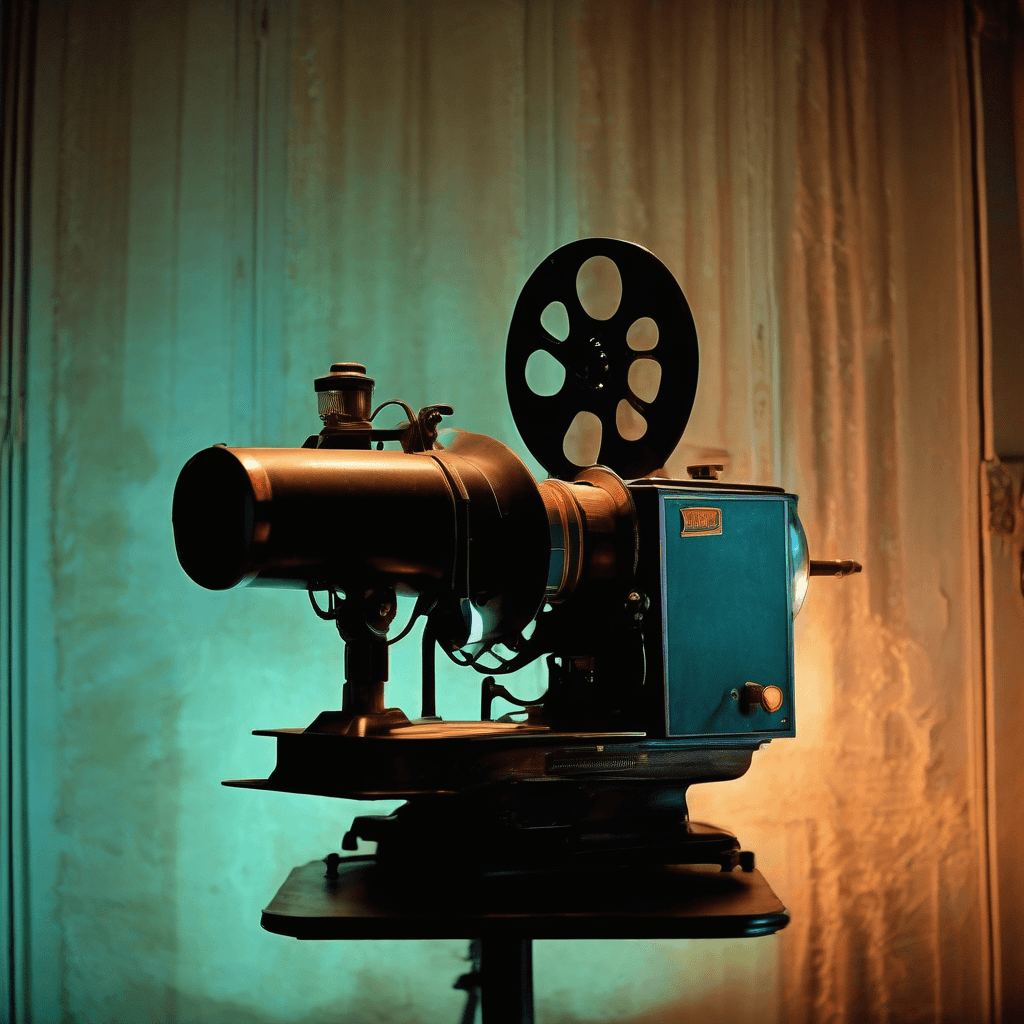
“A deep dive into the transgressive, experimental, and rebellious films of the early 1900s that birthed the modern cult movie phenomenon.”
Cult cinema is often discussed as a phenomenon of the late 20th century—a product of midnight screenings, grindhouse theaters, and the VHS revolution. However, the genetic blueprint of the cult movie was drafted long before the 1970s. It was forged in the flickering shadows of the silent era and the early talkies, where misfit directors and rebellious storytellers experimented with themes that the mainstream was too timid to touch. To understand the modern obsession with the transgressive and the unconventional, we must look back at the Primal Flicker: those early cinematic oddities that prioritized vision over commercial viability.
The Architect of Rebellion: Social Critique as Genre Anarchy
Long before the political thrillers of the 1970s, films like The White Terror (1915) were already dismantling the facade of corporate respectability. In an era where cinema was still finding its moral compass, this film dared to portray Emerson Boyd not as a captain of industry, but as a relentless, scheming villain who exploited child labor and ignored sanitation laws. This spirit of social rebellion is a cornerstone of cult cinema—the desire to expose the rot beneath the surface of the status quo.
Similarly, A Prince in a Pawnshop offered a dualistic look at morality, presenting a banker who was merciless to the rich but a savior to the poor. These narratives didn't just entertain; they challenged the viewer's ethical boundaries. They were the ancestors of the 'rebel' films that would eventually define the cult ethos. When we watch a modern cult classic that skewers the elite, we are seeing the ghost of these early socio-political experiments.
Gothic Shadows and the Labyrinth of the Mind
Cult cinema has always had a home in the dark, the surreal, and the horrific. The 1920s provided a fertile ground for psychological exploration. Take, for instance, Labyrinth of Horror. Even the title suggests the kind of immersive, unsettling experience that modern horror aficionados crave. By blending industrial class struggle with personal obsession, it paved the way for the 'elevated horror' of today. These films understood that the most terrifying monsters aren't always external; they are the obsessions that drive us into the labyrinth.
The dreamscape was another frontier. Hello, Mars (1922) took the audience on a journey through the subconscious of a crashed aviator. This lean toward the surreal—the idea that the screen is a portal to another dimension—is exactly what draws fans to the works of Lynch or Jodorowsky. Early experiments in science fiction and fantasy, often dismissed as mere novelties, were actually the first steps toward a cinematic language that prioritized the logic of the dream over the logic of the everyday.
The Transgressive Feminine: Breaking the Victorian Mold
One of the most potent elements of cult cinema is its willingness to portray characters who exist outside of traditional moral boxes. The 'fallen woman' or the 'rebel debutante' was a recurring figure in early fringe cinema. In Die lebende Tote (The Living Dead), we see a woman descend into a world of vaudeville and drug addiction after fleeing a stifling marriage. It is a raw, unflinching look at the consequences of seeking freedom in a world that demands conformity.
Then there is The Wildcat, featuring Bethesda Carewe, a spoiled heiress who refuses to be traded like a commodity by her father. These films—alongside others like A Woman of Pleasure and The Woman Who Walked Alone—presented female protagonists who were complicated, flawed, and fiercely independent. They were the proto-icons for the feminist cult cinema of the 70s and 80s, providing a template for characters who refuse to be victims of their circumstances.
The Outlaw Identity and the Allure of the Fringe
The figure of the outlaw is central to the cult mythology. Whether it is the Australian bushranger in The Life and Adventures of John Vane or the mysterious forest ranger in Headin' South, these characters operate in the 'open places' of the world, far from the reach of conventional law. Cult fans have always been drawn to the outsider, the person who creates their own code of conduct.
This fascination with the deviant extends to the criminal mastermind. The Lone Wolf introduced us to Marcel, a waif turned master thief, while The Stranglers of Paris delved into the dark underworld of a peasant-turned-murderer. These films didn't just tell stories about crime; they romanticized the shadow, inviting the audience to sympathize with the very people society told them to fear. This inversion of morality is a hallmark of the cult experience.
Modernity’s Anxiety: Drugs, Scams, and the City
As the world moved toward the mid-20th century, cinema began to reflect the anxieties of a rapidly changing society. Drugged Waters explored the exploitation of the sick through fraudulent 'mineral springs,' a precursor to the many cult films about medical malpractice and corporate conspiracy. Beautifully Trimmed tackled the world of swindlers and worthless stocks, highlighting the vulnerability of the individual in the face of urban deception.
These 'moral panic' films often had a double life. While they were ostensibly designed as warnings, their lurid depictions of vice—like those in Men, Women, and Money—often became the primary draw for audiences. This 'exploitation' element is a key ingredient in the cult cauldron. We see it again in the way Giving Becky a Chance or Ungdomssynd (Youthful Sin) teased audiences with the promise of forbidden knowledge and scandalous behavior.
The Global Perspective: Cult as a Universal Language
Cult cinema is not a Western monolith. The early 20th century saw radical experiments across the globe. From Germany’s Jagd nach dem Glück to the documentary-style explorations of A Trip Through China, directors were using the camera to capture the world in ways that felt alien and exotic to the average viewer. Even the early animation of The Ants and the Grasshopper or the slapstick of The Hayseed and Ship Ahoy contributed to a visual vocabulary that favored the absurd and the kinetic over the static and the theatrical.
These films, often produced on the fringes of emerging industries, weren't bound by the strict genre conventions that would later dominate Hollywood. A film could be a comedy and a tragedy, a documentary and a dream, all within the same reel. This fluidity is what modern cult fans seek out—the sense that anything can happen, and that the rules of cinema are meant to be broken.
Conclusion: The Eternal Return of the Misfit
The enduring power of cult cinema lies in its ability to provide a sanctuary for the unusual. Whether it is the silent melodrama of Heart Strings or the mysterious intrigue of The House of a Thousand Candles, these films remind us that there has always been a demand for stories that don't fit the mold. They are the 'millstones' around the neck of the mainstream, pulling the art form toward deeper, darker, and more interesting waters.
As we look at the vast landscape of film history, we see that the 'cult' was never a subgenre—it was the original impulse of the medium. Before there were blockbusters, there were experiments. Before there were franchises, there were visions. By revisiting the likes of Mrs. Tutti Frutti or Gar el Hama V, we aren't just looking at old movies; we are looking at the foundational texts of a religion of the unconventional. The Primal Flicker continues to burn in the hearts of every cinephile who seeks out the strange, the forbidden, and the forgotten.
Community
Comments
Log in to comment.
Loading comments…