
Cult Cinema
The Renegade’s Reel: Decoding the Proto-Cult DNA of Cinema’s Early Genre Anarchy
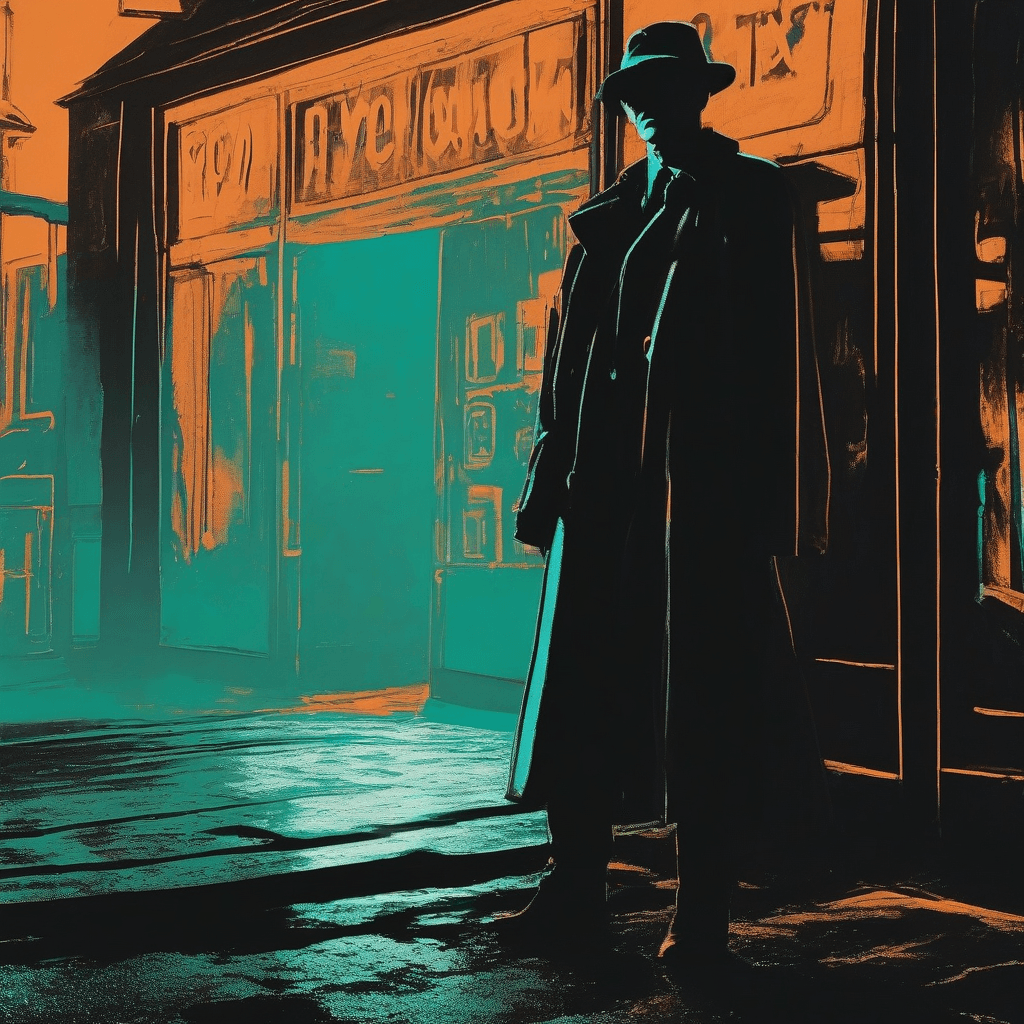
“Explore the hidden origins of cult cinema through the forgotten misfits and transgressive narratives of the early 20th century, where genre boundaries first began to blur.”
When we think of cult cinema, our minds often drift to the neon-soaked midnight screenings of the 1970s or the transgressive body horror of the 1980s. However, the true genetic rebellion of the medium began much earlier, in the flickering shadows of the silent era and the early talkies. This was a period of frantic experimentation, where the lack of a rigid studio system allowed for narrative anomalies that would later become the blueprint for the cult movie soul. To understand the modern obsession with the 'weird' and the 'other,' we must look back at the genre outcasts of the early 20th century—films that defied the status quo and spoke to the disenfranchised long before the term 'fandom' was ever coined.
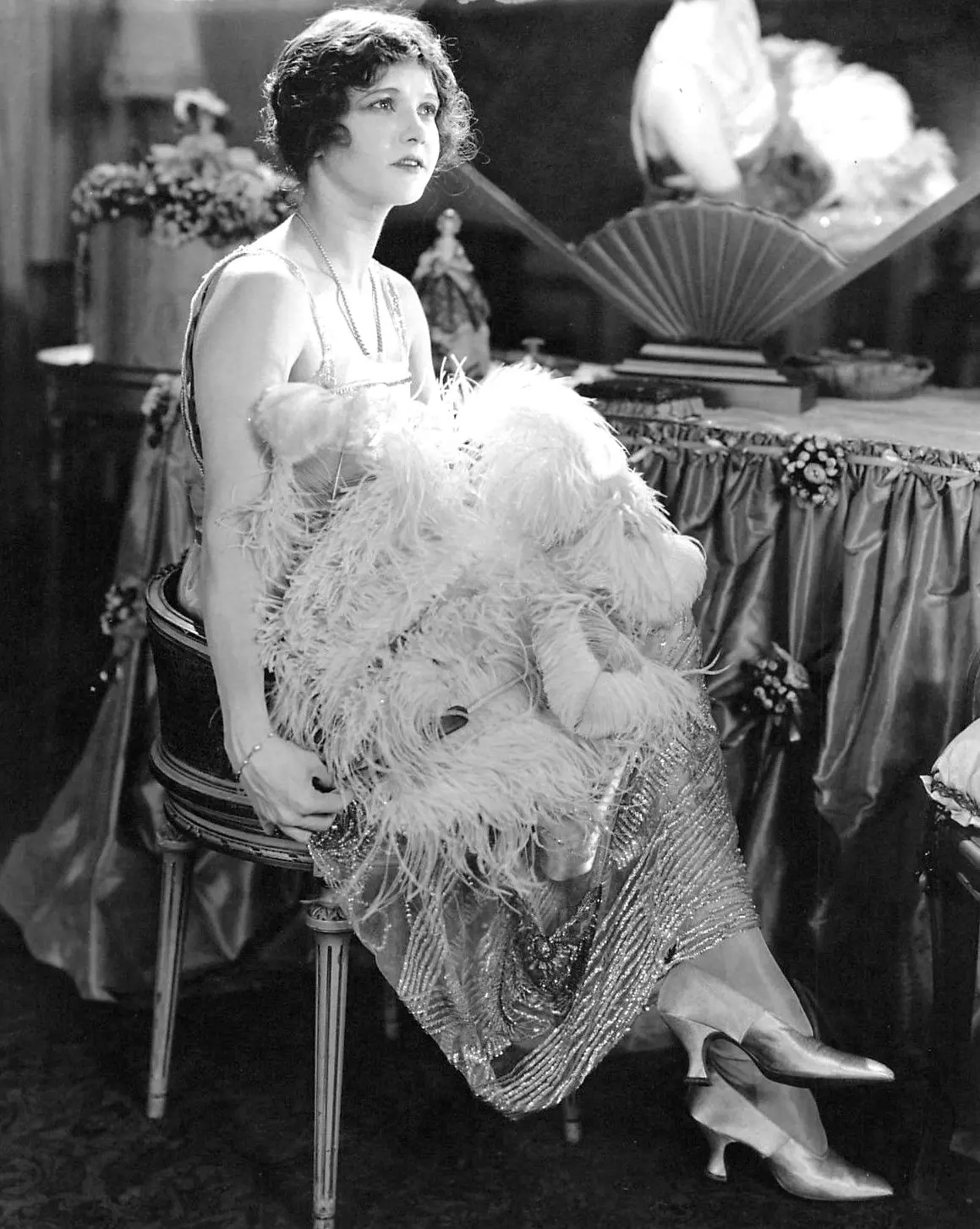
The Existential Outlaw and the Birth of the Anti-Hero
One of the defining characteristics of cult cinema is the protagonist who exists on the periphery of society, driven by motivations that are often opaque or nihilistic. We see an early prototype of this in the 1915 film Simon, the Jester. The story of a wealthy man who, upon learning he has only six months to live, decides to spend his fortune madly and abandon his social obligations, resonates with the existential dread found in later cult classics. This 'nothing to lose' mentality is a cornerstone of the cult ethos, representing a break from the moralistic 'happily ever after' endings of mainstream Victorian-era storytelling.
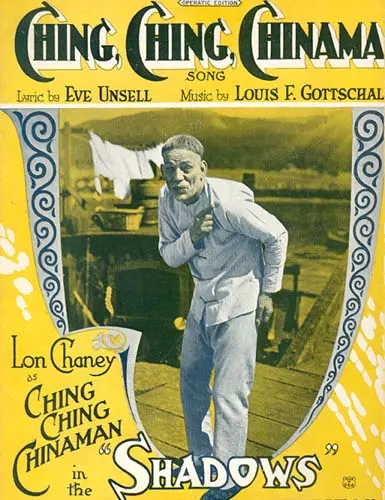
Similarly, the figure of the chivalrous yet dangerous outsider in The Virginian (1914) provided a template for the lone wolf archetype. While often categorized as a standard Western, its focus on a posse bringing a best friend to justice introduced a level of moral ambiguity that challenged the audience's sympathies. This blurring of right and wrong is what attracts the cult viewer—the person who looks for the subversive pulse beneath the surface of a simple genre exercise.

Duality and the Dark Side of the Soul
The obsession with the 'Double' or the 'Other' is a recurring theme in cult film history, from *Persona* to *Fight Club*. Early cinema explored this through films like The Snarl (1917), which featured identical twins with vastly different temperaments—one self-sacrificing and the other vain and heartless. This narrative device allowed filmmakers to externalize the internal struggle of the human psyche, a technique that remains a staple of psychological cult thrillers today. The use of twins or doubles, also seen in The Royal Imposter (1914), where a prince uses his servant as a double to indulge in dissipations, highlights the early cinematic fascination with identity and the mask we wear for society.

Transgressive Narratives and Social Taboos
Cult cinema often finds its home in the exploration of subjects that the mainstream is too timid to touch. In the early 1900s, this meant tackling issues of race, class, and social hypocrisy with a raw, sometimes clumsy, but always daring energy. Broken Ties (1918) stands as a significant, though often overlooked, example. By featuring a protagonist who is half-black and raised in a white household, the film stepped into a minefield of social taboos. While it may not have been intentionally revolutionary in its time, its existence as an outlier—a film that forces the audience to confront the transgressive reality of racial identity—marks it as a proto-cult artifact.
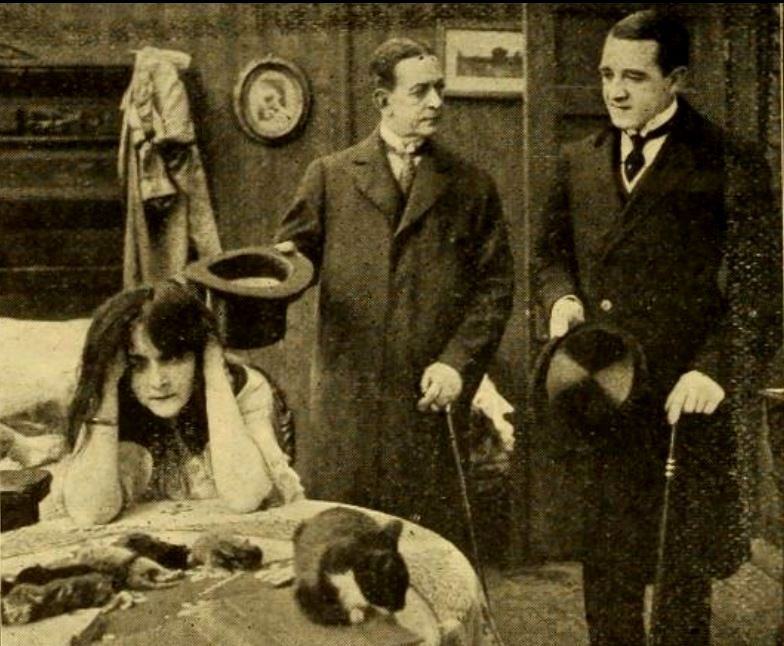
Class warfare also played a role in shaping the cult sensibility. Alfred Hitchcock’s lost film, Number 13 (1922), focused on the low-income residents of a building designed for the needy. The very fact that this film is 'lost' has contributed to its cult status, creating a void of information that fans fill with speculation and reverence. The focus on the 'low-income' and 'needy' in a medium that was increasingly becoming a playground for the wealthy was a radical choice that echoed through the decades in the gritty realism of independent cult cinema.

The Spectacle of the Macabre
Before the CGI-heavy blockbusters of today, cult audiences were drawn to the visceral reality of physical danger and the macabre. The Great Circus Catastrophe (1912) offered a melodrama of desperation, featuring a destitute count forced to perform high-wire acts. This fascination with the 'circus' and the 'freak show' is a recurring motif in the cult canon, representing the spectacle of the marginalized. The high stakes and the looming threat of death in these early melodramas provided the same adrenaline rush that modern viewers find in the extreme cinema of the 21st century.
Experimental Rhythms and Visual Anarchy
Sometimes, the cult appeal of a film lies not in its story, but in its formal audacity. Uneasy Feet (1922) is a fascinating short film where all the action is performed solely by legs and feet. This kind of formal restriction is the hallmark of the avant-garde, yet its comedic execution makes it accessible to a wider, albeit weirder, audience. It is an example of the visual mutiny that occurred when directors decided to throw out the rulebook and see what the camera could do when it wasn't focused on faces.
The desert, too, became a canvas for existential exploration. In The Long Arm of Mannister (1919) and White Hands (1922), the vast, unforgiving landscape of the Sahara or the American West serves as a backdrop for characters pushed to the brink of madness by thirst, hunger, and revenge. These films utilized the environment as a character in itself, a technique later perfected by cult directors like Werner Herzog. The desert represents a liminal space where the rules of civilization no longer apply, and the true, often ugly, nature of the soul is revealed.
Satire as a Weapon of the Fringe
Cult cinema has always been a vehicle for political and social satire, often using humor to mask a deep-seated dissatisfaction with the status quo. The Bullshevicks (1921) and Blue Sunday (1921) are prime examples of early satire. The former used a 'burlesque' style to poke fun at the political anxieties of the era, while the latter satirized the 'Blue Sunday Laws' and the absurdity of government intervention in personal lives. These films didn't just aim to entertain; they aimed to provoke, using the medium of comedy to highlight the narrative anarchy of the modern world.
The Architecture of Obsession: Why These Films Matter
Why do we continue to look back at these obscure titles? Because they represent the 'flicker' of the fringe—the moment when cinema was still trying to find its voice and, in doing so, accidentally spoke the language of the outcast. Films like A Rich Man's Darling (1917) or The House of Mirth (1918) might seem like standard dramas on the surface, but their focus on social isolation, the corruption of wealth, and the tragedy of the 'unpainted' woman (as seen in The Unpainted Woman, 1919) provided the emotional scaffolding for the cult movie movement.
The cult movie fan is, by nature, an archaeologist. They dig through the 'worthless land' (much like the protagonist of The White Horseman, 1921) to find the hidden mines of meaning and the 'treasures hidden by extinct bands.' The early cinema era is full of these treasures—films like The Stain (1914), where a bank clerk’s ambition leads to a desperate study of law, or Money Madness (1917), which explored the psychological weight of financial collapse. These are not just old movies; they are the primordial pulse of a genre that refuses to die.
The Legacy of the Maverick
The maverick spirit of early cinema is most evident in the works that were misunderstood or 'pitied' in their time. More to Be Pitied Than Scorned (1922) captures this sentiment in its very title. Cult cinema is the sanctuary for the scorned, the misunderstood, and the bizarre. It is where the 'kid who is clever' (The Kid Is Clever, 1918) goes to find a director who speaks his language, even if that language is a burlesque of reality.
As we move further into the digital age, the allure of the analogue, the grainy, and the forgotten only grows. The 'neon heretics' of today are the direct descendants of the silent rebels who first pointed a camera at a 'wildflower' or a 'captain kidd' and saw something more than just a story. They saw a way to capture the subversive soul of humanity. Whether it is the 'bungalow troubles' of a domestic comedy or the 'thunderbolts of fate' in a political thriller, the roots of cult cinema are deep, tangled, and infinitely fascinating.
Conclusion: The Eternal Midnight
In conclusion, the cult cinema canon is not a static list of films but a living, breathing lineage of rebellion. By decoding the proto-cult DNA found in the genre anarchy of the early 1900s, we gain a deeper appreciation for the films that continue to haunt our midnight screenings. These early works, with their 'uneasy feet' and 'white hands,' paved the way for every transgression that followed. They taught us that cinema is at its best when it is at its most unruly, and that the most enduring legacies are often forged in the flames of cinematic anarchy. So the next time you find yourself at a screening of a modern cult classic, remember the silent outcasts who first dared to step into the light and show us the beauty in the breakdown.
Community
Comments
Log in to comment.
Loading comments…