
Deep Dive
The Renegade’s Relic: How Cinema’s Early Outcasts Forged the Cult Movie Soul

“An exploration of how early cinematic anomalies and social outcasts laid the groundwork for modern cult devotion, transforming forgotten reels into sacred texts for the fringe.”
The birth of cult cinema was not a televised event, nor was it a coordinated marketing campaign. It was a slow, flickering burn in the dark, fueled by the debris of the mainstream. To understand the modern obsession with midnight movies, one must look past the neon-soaked 1980s and the grindhouse 1970s, back into the primordial soup of early celluloid. Here, in the shadows of the silent and early sound eras, we find the renegade DNA that would eventually define the cult experience: a fierce devotion to the unconventional, the transgressive, and the beautifully broken.

The Architecture of the Outcast: Defining the Cult Ethos
What makes a film a "cult" object? It is rarely about technical perfection. Instead, it is about a specific type of narrative friction—the moment a film rubs against the grain of societal expectations. Consider the early work of Cassidy (1917). This is not a triumphant story of American success; it is a grim, tubercular journey of a derelict seeking a final return to New York. It is a film about the inevitability of death and the desperation of the marginalized. This sense of the "doomed hero" is a cornerstone of cult cinema, a precursor to the noir losers and counter-culture icons that would follow decades later.

Cult cinema thrives on the liminal space between genres. Early experiments like Luring Shadows (1920) blended mystery with a gothic sense of dread, centering on a financier murdered in his library and a necklace gone missing. It wasn't just a whodunit; it was an exploration of the rot within the gilded cages of New York high society. This subversion of the upper class, often found in films like Her Better Self (1917), where a debutante finds more meaning in the work of a doctor for the poor than in her engagement to a Count, resonates with the cult audience’s inherent distrust of the establishment.
The Gendered Rebel: Subverting the Lens
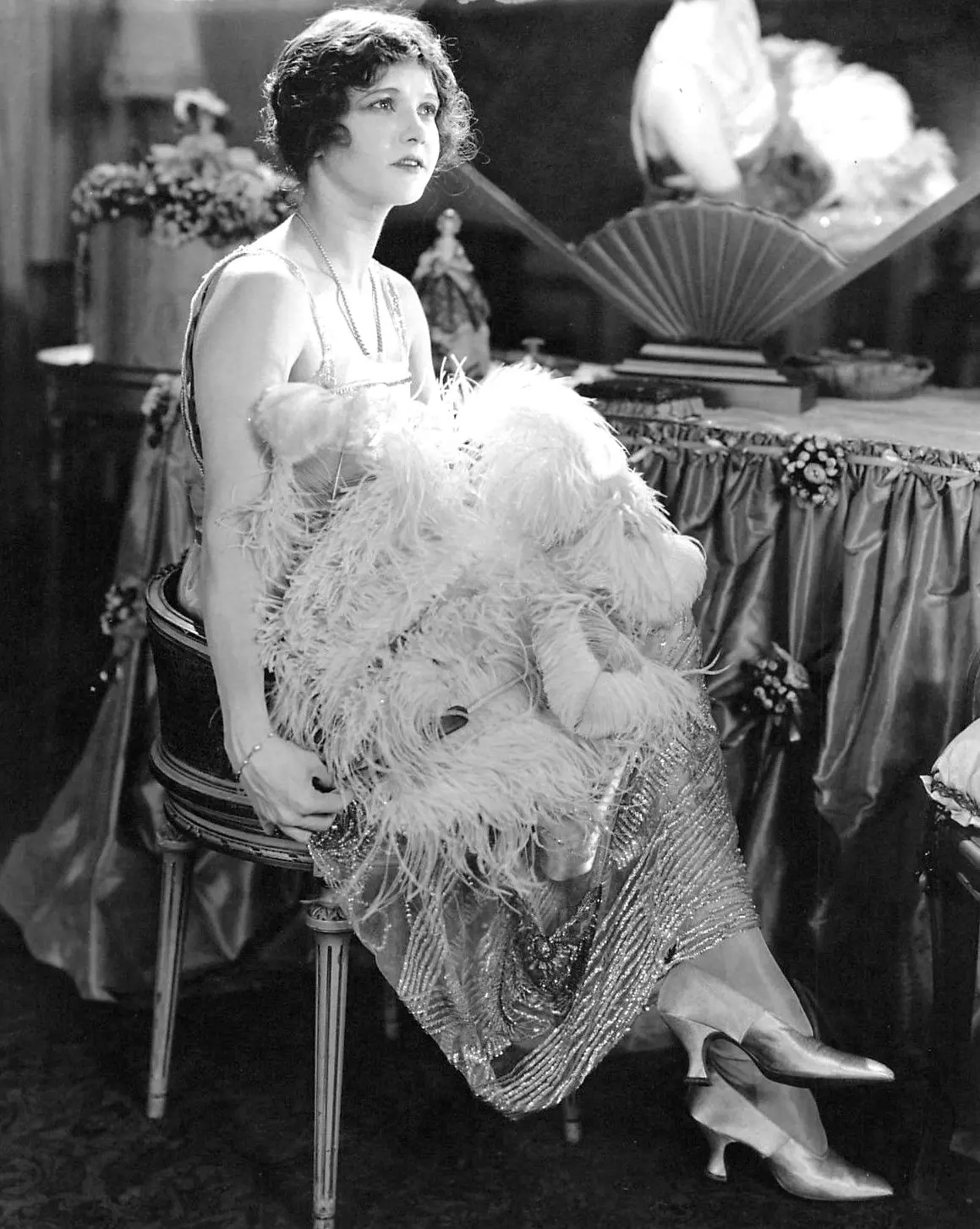
Long before modern queer cinema or feminist critiques dominated the discourse, early filmmakers were playing with gender roles in ways that were profoundly subversive. Exzellenz Unterrock (1920), a product of the Weimar Republic, featured women in "trouser roles," challenging the rigid binary of the era. This type of gender-bending is a hallmark of cult magnetism, inviting a disenfranchised audience to see themselves reflected in the "other."
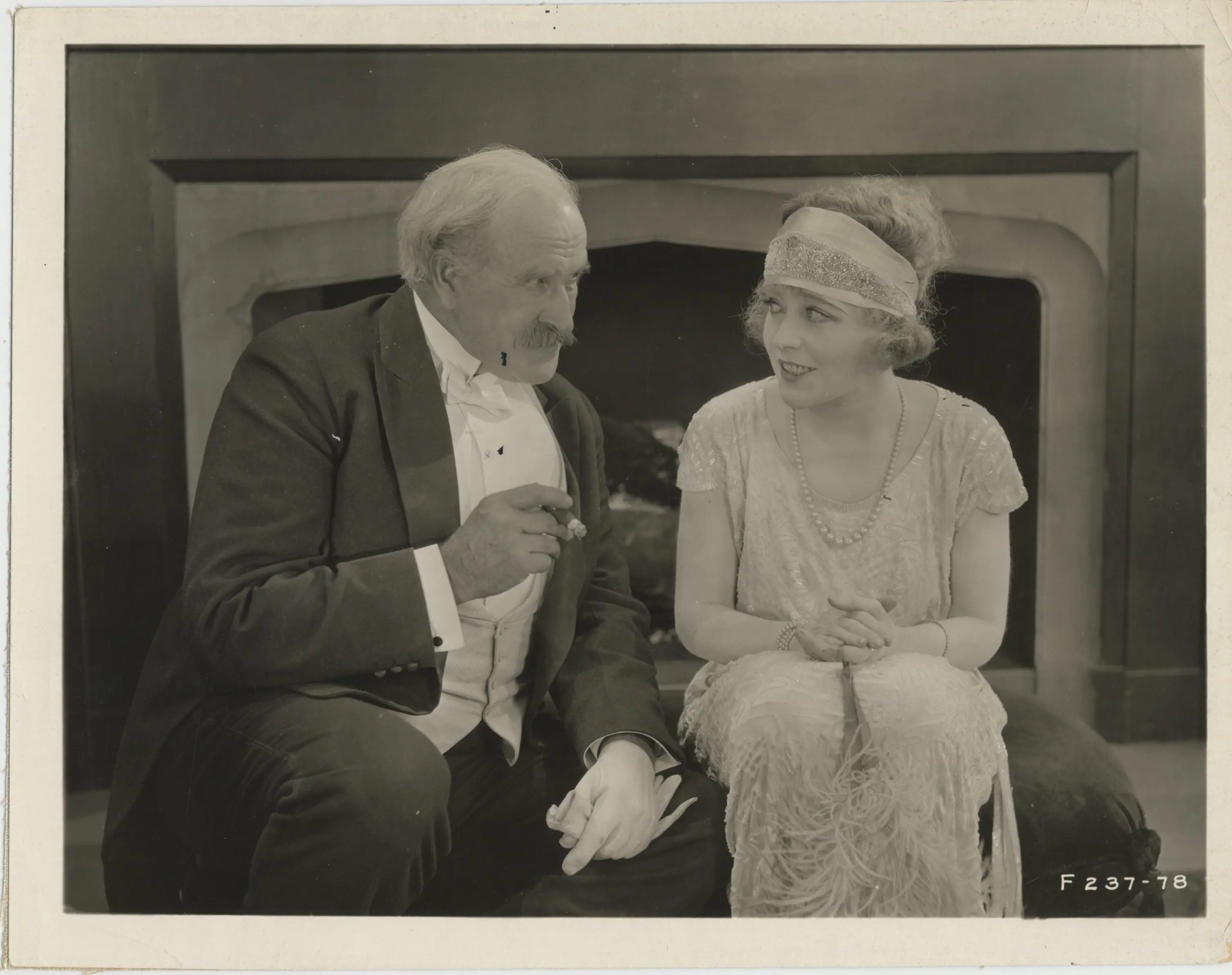
Similarly, the figure of the "Flame" in The Flame of the Yukon (1917) offers a blueprint for the cult anti-heroine. As a dance hall girl who rules the Midas Café, she is notorious, powerful, and unashamed. She isn't a damsel in distress; she is a power player in a lawless land. This archetype of the strong-willed outcast is mirrored in Vanina (1922), where the protagonist risks everything to save a rebel leader. These films didn't just tell stories; they built icons for those who felt restricted by the domestic melodramas of the mainstream.
The Wood Nymph and the Call of the Wild
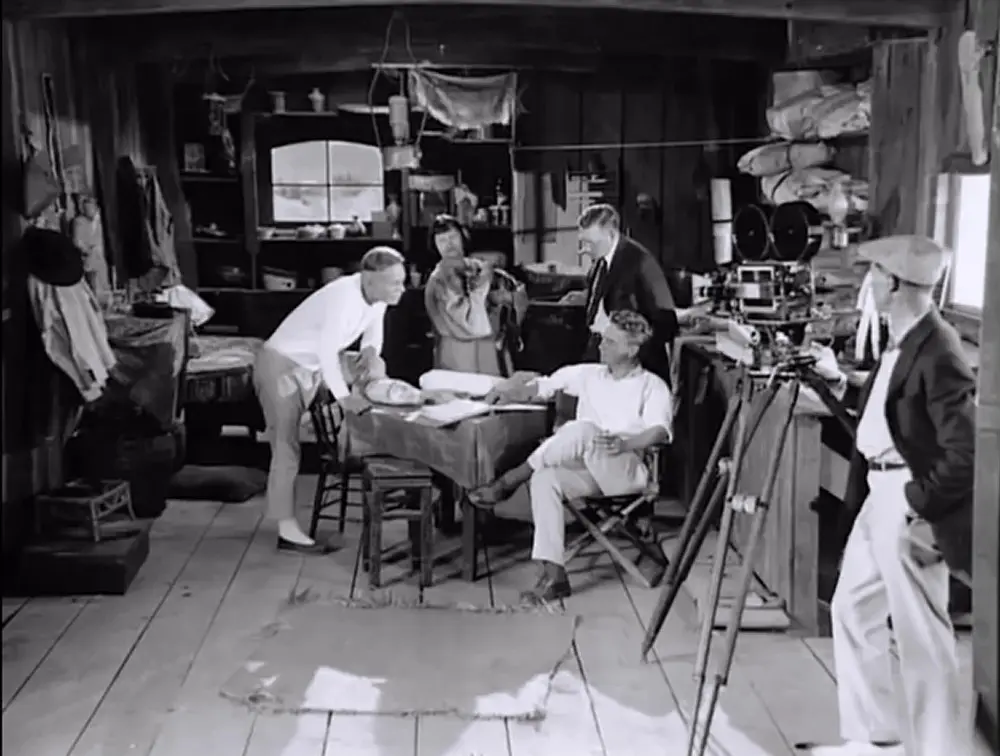
In The Wood Nymph (1916), we see a rejection of civilization itself. Set among the redwoods of California, the film follows a woman who has forsaken the modern world for a log house in the timber. This primal escapism is a recurring theme in cult cinema—the idea that the truth is found in the wilderness, away from the prying eyes of a judgmental society. It is a sentiment that echoes through the decades, from the hippy-traploitation films of the 60s to the folk horror revival of the 21st century.
Social Realism and the Urban Nightmare
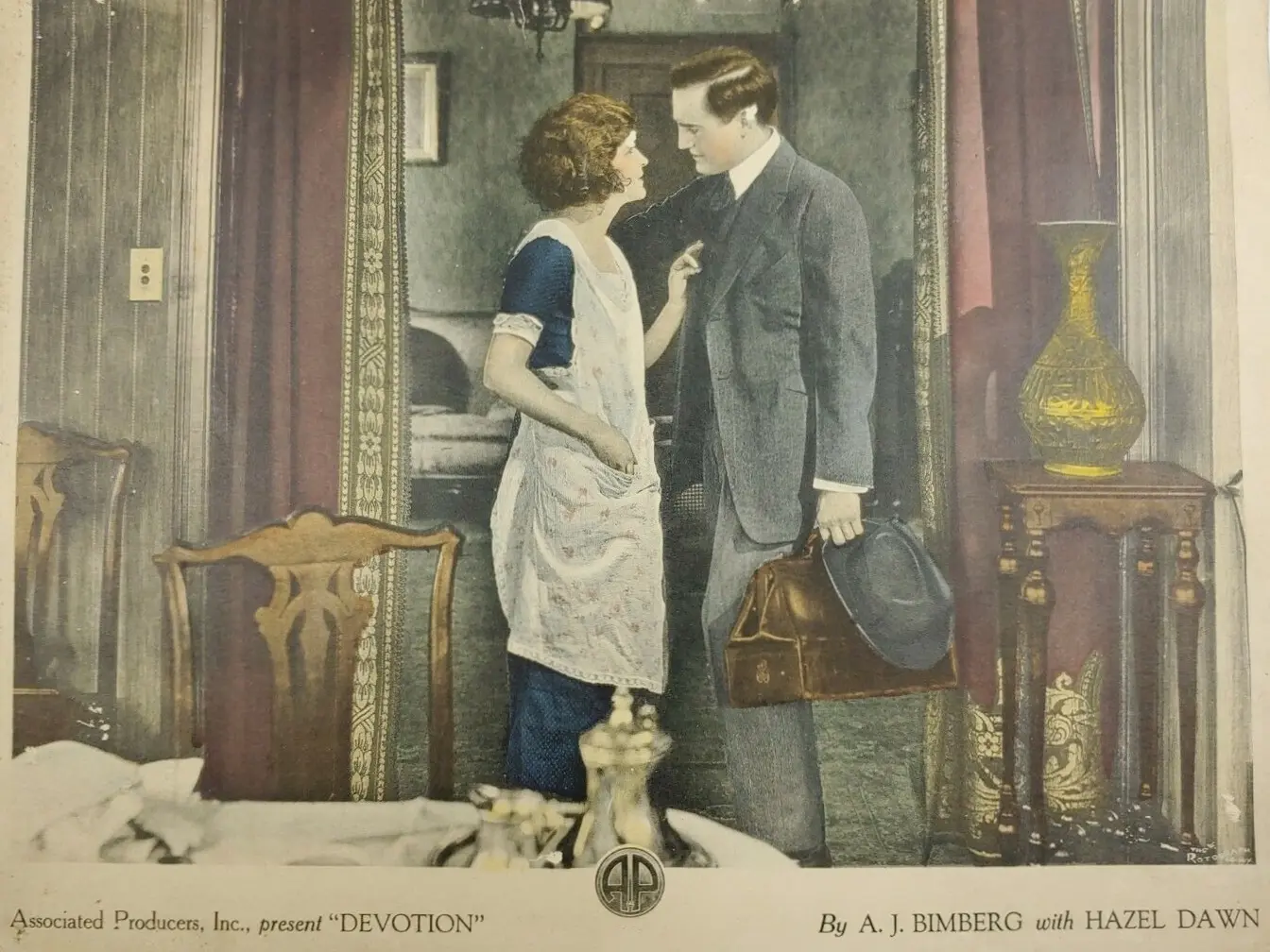
Cult cinema has always had a dark, symbiotic relationship with the urban jungle. The Jungle (1914), based on Upton Sinclair’s harrowing novel, brought the financial hardship and systemic failures of Chicago to the screen. It was a film that didn't look away from the grit. This unflinching gaze into the mouth of the beast is what draws cult followers; they seek the "unvarnished truth" that polished studio productions often obscure.

The struggle of the immigrant, the bank clerk in A Zero Hero (1919) fighting his own internal demons for a chance at a vacation, or the ex-con in The Wonderful Chance (1920) trying to go straight while being pulled back into the underworld—these are the stories of the perpetual underdog. Cult cinema is the sanctuary for the loser, the place where the "wonderful chance" is often a poisoned chalice. When we watch The Scarlet Woman (1916), a tale of embezzlement and murder within the banking system, we are seeing the early cracks in the American Dream that cult films would eventually widen into a canyon.
Physicality, Danger, and the Spectacle of the Real
Before the era of CGI, the "thrill" in cinema was literal. Hold Your Breath (1924) featured characters clambering over the roofs of buildings, high above busy streets. This visceral danger is a key component of the cult experience. The audience isn't just watching a story; they are witnessing a feat. Whether it’s the travelogue beauty of Frozen Thrills (1921) capturing the treacherous wilderness of Mount Rainier or the vaudeville-gone-wrong energy of The Song and the Sergeant (1924), there is a sense of the "unpredictable" that mainstream film often lacks.
The cult audience craves the authentic anomaly. They want the film that feels like it shouldn't exist. A Jungle Gentleman (1914), with its bizarre premise of a doctor using baseball to revive his business, or Call for Mr. Caveman (1919), featuring a giant kidnapper in a cave clan, represent the "weird for the sake of weird" that would eventually blossom into the surrealism of filmmakers like David Lynch or Alejandro Jodorowsky.
The Moral Grey Zone
Cult cinema often lives in the moral grey zone. In The Parson of Panamint (1916), a tough preacher tries to reform a gold town, only to face disaster. It’s a story about the failure of virtue in the face of raw human nature. Similarly, Love's Penalty (1921) and The Sorrows of Love (1916) deal with betrayal, revenge, and the heavy toll of romantic obsession. These aren't simple "happily ever after" stories; they are explorations of the scars we carry.
The Legacy of the Forgotten Reel
Why do we return to these forgotten artifacts? Because they contain the unfiltered soul of a medium in its infancy. When we watch Arrah-Na-Pogue (1911), we are witnessing the cinematic birth of political rebellion. When we view Is Prohibition a Dry Subject? (1924), we are seeing a documentary attempt to capture a social upheaval in real-time. These films were the pioneers of the "niche," the first reels to speak to a specific, perhaps even unruly, audience.
The cult film is a communal experience. It is the "midnight congregation" gathering to witness the strange, the forbidden, and the overlooked. From the silent comedy of The Tail of a Cat (1924) to the dramatic weight of Mortal Clay (1922), these films remind us that cinema was never just one thing. It was always a sprawling, chaotic, and often transgressive art form that belonged as much to the outcasts as it did to the moguls.
As we look back at the genetic blueprint of the midnight movie, we see that the rebellion was there from the start. It was in the eyes of the Wood Nymph, the desperation of Cassidy, and the defiant stride of The Flame of the Yukon. These were the original renegades, the films that refused to be forgotten, even as the world moved on to bigger and louder spectacles. They are the relics of a lost world, and for the cult devotee, they are the most precious treasures of all.
Conclusion: The Enduring Power of the Fringe
In the end, cult cinema is an act of reclamation. It is the audience choosing what matters, rather than being told by a studio. The early 20th century provided the raw materials—the stories of The Jungle, the mysteries of Luring Shadows, and the social defiance of Exzellenz Unterrock. By studying these films, we don't just learn about the past; we find the roots of our own obsession with the unconventional. We find the rebel heartbeat that continues to pulse in every basement screening and every late-night film festival around the world. The renegade’s relic is not just a piece of film; it is an invitation to see the world through a different, more daring lens.
Community
Comments
Log in to comment.
Loading comments…