
DbcultAccessing Vault...
Cult Cinema
Archivist John
Senior Editor
The history of cult cinema is often erroneously traced back to the midnight movie craze of the 1970s, a time of glitter, gore, and transgressive rock operas. However, the true DNA of the cult phenomenon—the obsession with the marginalized, the bizarre, and the narrative outlier—was woven into the very fabric of the silent era. Long before The Rocky Horror Picture Show or Pink Flamingos, a cadre of filmmakers and actors were experimenting with themes of insanity, moral ambiguity, and visual surrealism that would later define the "cult" experience. These are the films that didn't just entertain; they challenged the nascent status quo of the moving image.
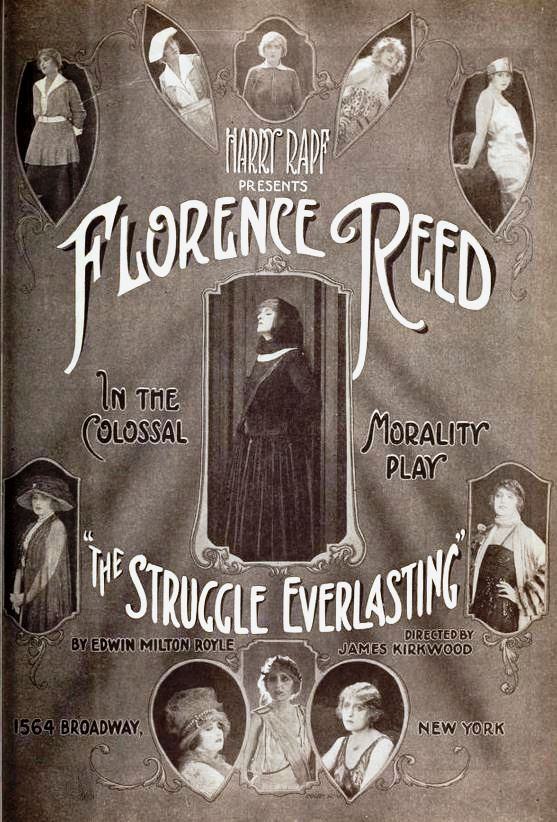
One of the primary hallmarks of cult cinema is its willingness to embrace the abstract, often at the expense of commercial viability. Consider the 1918 film The Struggle Everlasting. This isn't just a story; it is a visceral personification of human conflict. By casting actors as Mind, Body, and Soul, the film created a psychedelic moral landscape that predates the avant-garde movements of the mid-20th century. The narrative of Mind becoming infatuated with Body, a local barmaid, while neglecting Soul, provides a template for the psychological depth and symbolic excess that modern cult audiences crave.
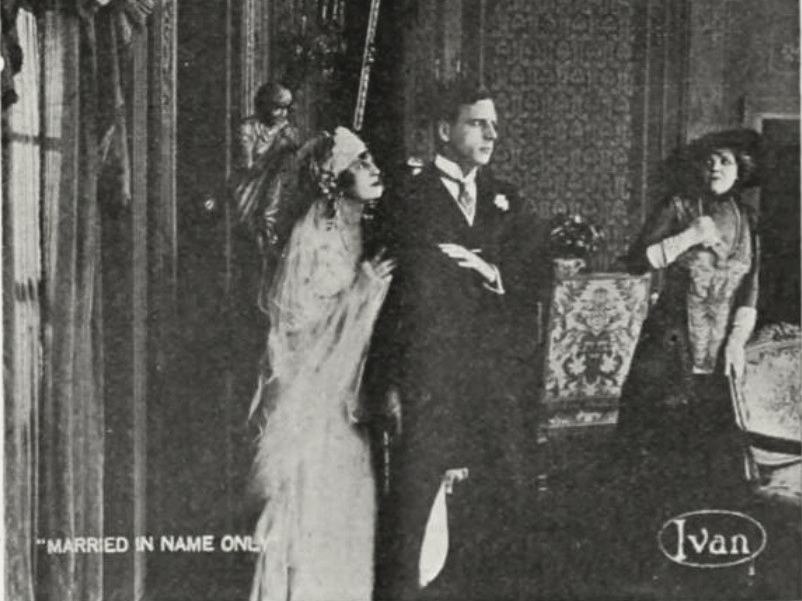
Similarly, the film Married in Name Only (1917) delved into the dark waters of eugenics and hereditary insanity. In this narrative, a wedding is ruined by a mother’s revelation of "tainted genes." This focus on the biological and mental decay of the family unit is a precursor to the Southern Gothic and psychological horror genres that have long been staples of the cult canon. It represents a moment where cinema moved away from the "sunnybrook" optimism of the era and into the shadows of human frailty.
Cult cinema has always had a love affair with the anti-hero, the charismatic outlaw who operates on the fringes of polite society. In 1919, A Rogue's Romance introduced audiences to Monsieur Picard, a master thief who baffles the Parisian police while being a welcome guest of the aristocracy. The inclusion of an Apache dance—a violent, highly stylized street dance from the Parisian underworld—highlights the film’s interest in subcultures. This fascination with the gritty, the rhythmic, and the dangerous is exactly what draws modern viewers to the works of Tarantino or Jodorowsky.
The criminal underworld was further explored in She Couldn't Help It (1920), where Nance Olden is plucked from an orphanage only to be raised in a boarding house for crooks. This subversion of the "orphan find a home" trope replaces the traditional family with a syndicate of thieves, creating a narrative that celebrates the resourceful misfit over the law-abiding citizen. These films established a tradition of the "lovable rogue" that would evolve into the counter-culture icons of the 1960s.
Another pillar of cult devotion is the "mega-spectacle"—films that are so ambitious, so grand, or so culturally specific that they command a specialized following. Nala Damayanti (1920) is a prime example. As a big-budget depiction of an episode from the Mahabharata, it utilized early special effects to show the transformation of gods in the clouds. For Western audiences of the time, and for film historians today, this represents a "cult of the exotic," where the visual language is so distinct from the Hollywood norm that it becomes a point of obsessive study.
Then there are the historical epics like Cleopatra (1917) and Marc'Antonio e Cleopatra (1913). These films focused on the disastrous, world-altering passion of the Egyptian queen. The sheer scale of these productions, combined with the tragic, almost operatic endings, created a sense of "cinematic worship." Cult audiences often gravitate toward these moments of high drama where the stakes are life, death, and the fall of empires. The visual opulence of these films, often lost to time or preserved only in fragments, adds a layer of "forbidden history" that fuels the fire of film preservationists and niche fans alike.
The cult aesthetic often thrives in the space between reality and delusion. In Broken Threads (1917), we see a woman presumed drowned who escapes a lighthouse keeper only to find her husband insane and framed for murder. This kind of convoluted, high-stakes melodrama is the bread and butter of cult cinema. It relies on a sense of heightened reality where every coincidence is a stroke of fate and every emotion is dialed up to eleven.
Similarly, Blind Love (1920) and The Folly of Desire (1915) explore the darker side of romance. In the latter, a fanatical Boer farmer mistreats his young wife, presenting a bleak view of domestic life that stood in stark contrast to the romantic comedies of the day. Cult cinema is defined by this willingness to look at the "unpleasant" aspects of the human condition—the jealousy, the fanaticism, and the obsession that more mainstream fare often glosses over.
Many cult films gain their status by refusing to fit into a single box. The silent era was a laboratory for genre-bending. Spooky Spooks (1917) blended comedy with the supernatural, creating a proto-horror-comedy that paved the way for films like Evil Dead II. The Speed Maniac (1919) combined the high-octane thrills of the nascent automobile industry with a story of urban corruption and revenge, essentially creating an early version of the "car cult" movie.
Even the propaganda films of the era, such as Rose-France (1918), have achieved a form of cult status due to their extreme stylistic choices and historical context. Made during the Great War, its chauvinistic fervor and dream-like imagery make it a fascinating artifact of a specific cultural moment. Cult cinema is often about these "time capsules"—films that capture a very specific, often radical, mindset that feels alien to modern sensibilities.
The theme of the social outcast is perhaps the most enduring element of the cult film. Whether it is the young girl in Rebecca of Sunnybrook Farm (1917) struggling against her unfeeling aunts, or the man known as "The Weakling" in Fighting Back (1917), these characters represent the audience's own feelings of alienation. In Fighting Back, a man cashiered out of the army wanders the desert, eventually finding redemption among cowboys. This narrative of the "broken man" finding a new tribe is a foundational myth in cult cinema, resonating with anyone who has ever felt like an outsider.
We also see this in The Soul of a Child (1920), where a young man is corrupted by the "high life" of the big city before being forced to confront tragedy. The morality play aspect of these films, while seemingly straightforward, often contains a subtext of rebellion against the crushing weight of societal expectations. The "misfit" isn't just a character; they are a symbol of the film's own status as a piece of art that doesn't quite fit in.
As we look back at films like The $5,000,000 Counterfeiting Plot (1914) or the religious epic Christus (1916), we see a medium in its infancy but already possessing a rebellious spirit. These films experimented with non-linear storytelling, complex moralities, and visual metaphors that would take decades for the mainstream to fully adopt. The "cult" of the silent era was born from a necessity to innovate and a desire to explore the boundaries of what could be shown on screen.
The enduring power of these films lies in their unconventionality. They remind us that cinema was once a wild, unregulated frontier where a film about a member of a counterfeiting gang giving a forged note to his daughter could be just as compelling as a grand religious epic. This spirit of narrative anarchy is what connects the silent pioneers to the cult directors of today. They are all part of a long, flickering tradition of the "maverick lens"—a way of seeing the world that prioritizes the strange, the beautiful, and the transgressive over the safe and the predictable.
In conclusion, the foundations of cult cinema were laid in the dark theaters of the early 20th century. By championing the outcast, embracing the allegorical, and flirting with the forbidden, the silent era created a blueprint for every midnight movie that followed. To understand the cult films of today, we must first pay homage to the silent subversives who dared to dream in shadows and light, long before the world knew what to call them.