
DbcultAccessing Vault...
Film History
Archivist John
Senior Editor
There is a specific, pungent scent associated with decaying nitrate film—a mix of vinegar and ancient dust that carries the weight of a century. For the cult cinema historian, this isn't just the smell of rot; it is the scent of a lost underworld. While modern audiences often look to the 1960s counter-culture or the 1970s grindhouse for the birth of the 'cult' aesthetic, the true blueprint was drafted decades earlier. It was etched into the flickering frames of the late 1910s and early 1920s, a period obsessed with the logistics of transgression: smuggling, infiltration, and the moral rot of the secret service. These films didn't just tell stories of crime; they pioneered a visual language of the clandestine that remains the backbone of devotional film culture today.
To understand the modern obsession with the cinematic outsider, we must look at how early directors handled the 'smuggler' and the 'undercover agent.' These were not the square-jawed heroes of Victorian melodrama. They were liminal figures, moving between the respectable world and the subterranean grit of the docks, the gold fields, and the opium dens. They represented a break from the status quo, and in that rebellion, the first seeds of the cult mindset were sown.
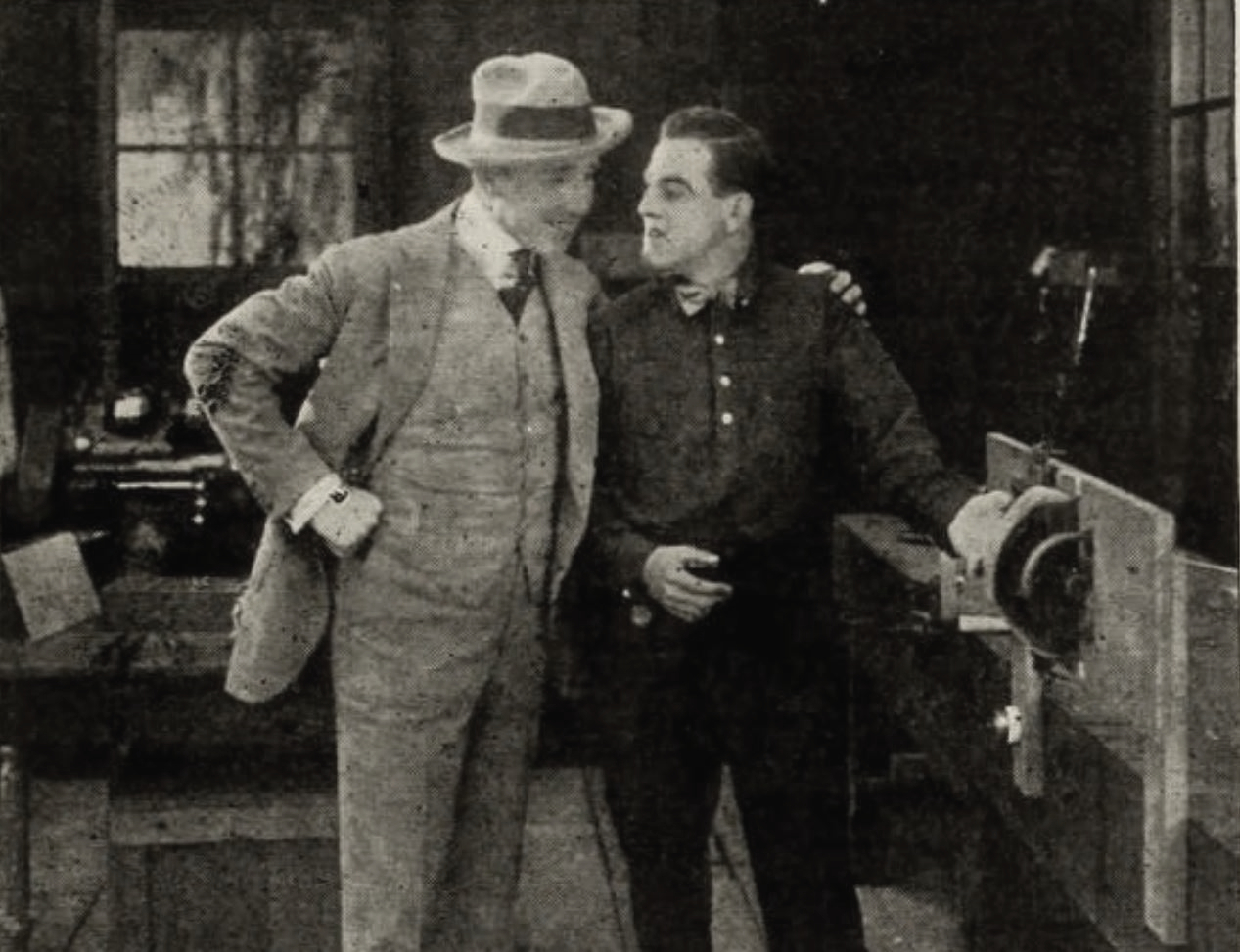
The 1916 film Pidgin Island serves as a startlingly early example of what we might call 'smuggler’s noir.' Starring Harold Lockwood and May Allison, the film focuses on John Cranford, a United States Customs agent unearthing a massive smuggling ring. The commodities of choice—opium and diamonds—weren't just plot devices; they were the forbidden fruit of the era. The film’s focus on the mechanics of the trade, the range of operations from the Mexican border to the high seas, provided a visceral thrill that transcended simple law-and-order narratives.
This fascination with the 'logistics of the illegal' continued in Thou Art the Man (1920). Set against the backdrop of African diamond mines, it follows Myles Calthrope, a soldier-of-fortune who quits his job upon realizing his employers are smugglers. Here, the 'cult' element emerges in the protagonist’s rejection of a corrupt corporate structure. Calthrope is a man of the fringe, a precursor to the disillusioned anti-heroes of Jean-Pierre Melville or Michael Mann. The film’s exploration of the diamond trade’s dark underbelly suggests a world where the law is a mere suggestion, and survival depends on one’s ability to navigate the shadows.
If the smuggler provided the thrill of the trade, the undercover agent provided the psychological depth that cult audiences crave. The concept of 'the double life' is a cornerstone of transgressive cinema, and The Love Burglar (1919) is a fascinating early exploration of this trope. Wallace Reid plays a young man who infiltrates the underworld by pretending to be a convicted burglar. The tension of the film doesn't just come from the risk of being caught; it comes from the fluid nature of identity in the criminal world.
"To enter the underworld is to shed the skin of the citizen; it is a ritual of erasure that early cinema captured with haunting precision."
This theme of the 'erased self' is what makes these early films feel so modern. In Blackbirds (1920), we see the detective’s son stranded in Algiers, hunting a gang of smugglers. The exoticism of the setting combined with the high-stakes game of cat-and-mouse creates a proto-spy atmosphere. The 'cult' appeal here lies in the alienation of the protagonist—a man out of his element, forced to adopt the tactics of his enemies to survive. This is the genetic material that would eventually evolve into the 'undercover' masterpieces like Deep Cover or Infernal Affairs.
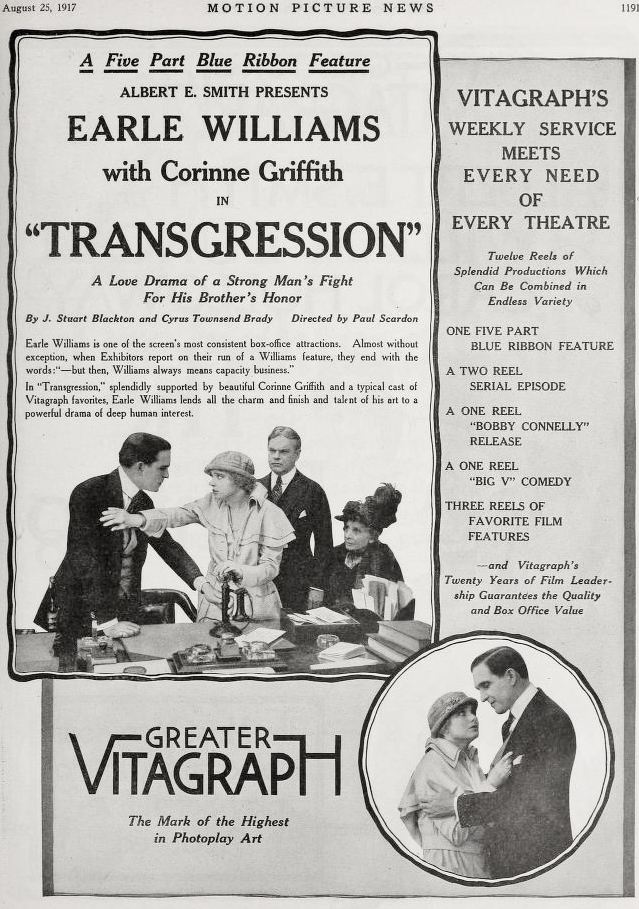
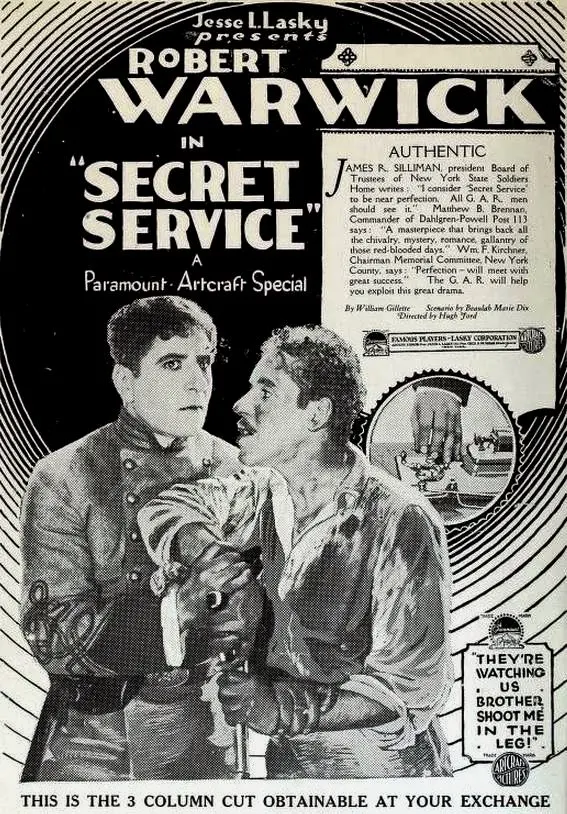
Cult cinema often thrives on the 'secret history'—the idea that there are hidden forces moving behind the curtain of world events. The 1917 serial Perils of the Secret Service tapped into this beautifully. Specifically, in the episode 'The Last Cigarette,' we are taken into the 'Bergenschloss,' where the heads of Saxonia's secret service decide the fate of a failed operative. The imagery of high-ranking officials in shadowy rooms, debating life and death with cold bureaucratic efficiency, is pure cult gold.
This isn't the heroic espionage of James Bond; it’s the grimy, cynical world of John le Carré, imagined forty years early. The 'Saxonia' of the film is a fictionalized stand-in for the crumbling empires of World War I, and the film captures the sense of a world in transition, where old loyalties are being traded for new, darker allegiances. The 'peril' in the title isn't just physical; it’s moral. This sense of impending doom and systemic corruption is a hallmark of the cult sensibility, which prefers the messy reality of the fringe to the sanitized narratives of the center.
While Hollywood was refining its crime formulas, international cinema was pushing the boundaries of the 'underworld' aesthetic. The Czechoslovakian drama White Paradise (Bílý ráj, 1924) offers a stark contrast to the American smuggler films. It tells the story of a young man arrested for a crime he didn't commit and the woman who must rescue him. The film’s atmosphere is thick with a European gloom—a 'white paradise' that is anything but. This blend of social realism and crime drama is what would eventually lead to the gritty, 'street-level' cult films of the 1970s.
What connects a 1919 silent film about a 'love burglar' to the midnight movies of the 1970s? It is the rejection of the moral binary. In the 1923 version of The Cheat, we see a socialite who embezzled money and is forced to borrow from a foreign 'prince' who expects sexual favors in return. This is a story of debt, degradation, and the dark side of the American dream. It’s transgressive, uncomfortable, and deeply human—the three pillars of cult cinema.
These early films proved that audiences were hungry for stories that didn't end with a clean moral lesson. They wanted to see the smuggler outwit the customs agent; they wanted to see the undercover man lose himself in the role; they wanted to see the secret service operate in the shadows of the Bergenschloss. By focusing on the 'how' of the crime rather than just the 'why,' these films invented the procedural logic that would later define the heist movie, the spy thriller, and the neo-noir.
The 'cult' of cinema is often a cult of the forgotten, and many of these titles—Pidgin Island, The Love Burglar, Blackbirds—are now rare artifacts. But their influence is everywhere. Every time we watch a film about a man caught between two worlds, or a smuggling operation gone wrong, we are watching the ghosts of the silent era. They were the original outlaws of the screen, and they built the underworld we still love to inhabit from the safety of the dark.
Ultimately, the silent era’s underworld films were not just entertainment; they were exercises in empathy for the deviant. They asked the audience to look at the smuggler, the thief, and the spy, and see not just a villain, but a person navigating a world that was increasingly complex and morally gray. In that shift of perspective, the modern cult movie was born—not in a burst of 1960s rebellion, but in the flickering, nitrate shadows of a century ago.