
Cult Cinema
The Cult of the Unseen: Why Fringe Films Forge Unbreakable Bonds and Enduring Legacies

“Cult cinema transcends mainstream appeal, forging deep connections with audiences through its subversive narratives and unique aesthetics. This article explores how these often-overlooked films cultivate fervent, lifelong fandoms and leave an indelible mark on cinematic history.”
In the vast, ever-expanding universe of cinema, there exists a peculiar gravitational pull exerted by films that defy easy categorization, reject commercial compromise, and often, initially, fail to find their audience. These are the cult films – cinematic anomalies that, over time, develop a fervent, almost religious following. Far from being mere entertainment, cult cinema represents a profound, often transformative, experience for its devotees, forging unbreakable bonds between viewers and the unconventional narratives they embrace. It's a realm where the strange is celebrated, the transgressive is revered, and the obscure becomes an object of intense, shared obsession. This deep dive into the essence of cult cinema will unravel the threads that weave these films into the very fabric of our cinematic history, exploring their unique allure, their subversive power, and their enduring legacy.
The journey into cult status often begins with an act of rebellion. These are films that, whether intentionally or accidentally, push boundaries – be they narrative, aesthetic, or thematic. They challenge societal norms, experiment with form, or simply tell stories that the mainstream isn't ready for. This inherent maverick spirit is precisely what draws in audiences looking for something more, something different, something that speaks to their own sense of otherness. From the silent era's bold experiments to modern independent masterpieces, the underground cinema has always been a fertile ground for these fascinating artifacts, proving that true cinematic resonance isn't always found in box office receipts, but in the hearts and minds of a devoted few.

The Genesis of Subversion: Proto-Cult Echoes from Early Cinema
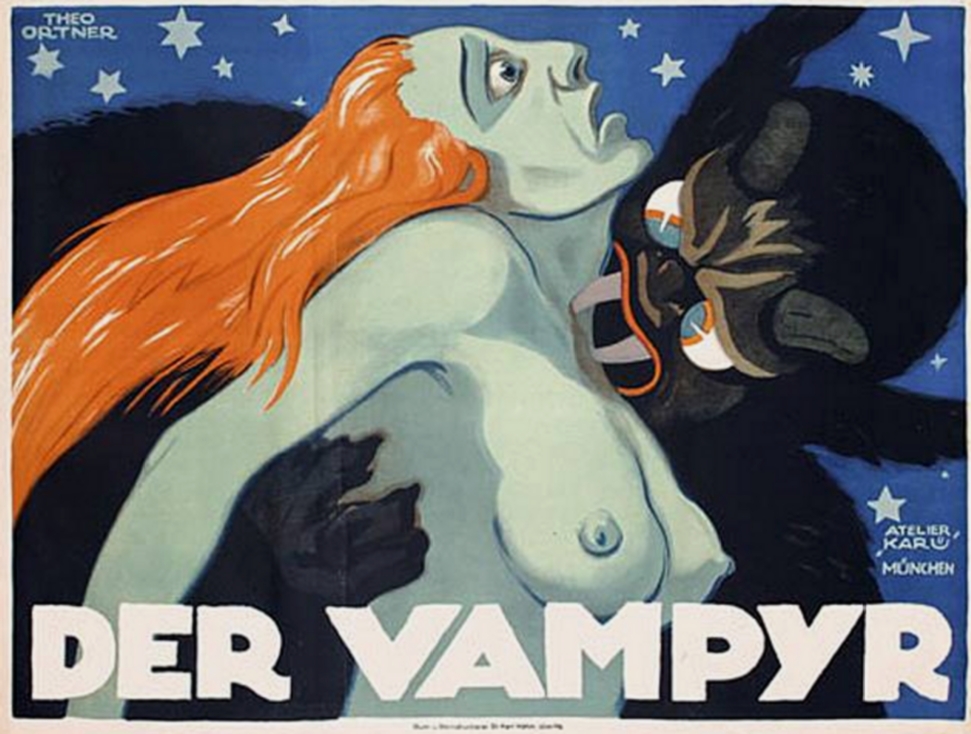
While the term 'cult film' gained prominence in the latter half of the 20th century, the seeds of this phenomenon were sown much earlier, in the nascent days of filmmaking. Even in the silent era, films emerged that, for various reasons, captivated niche audiences or contained elements that would later define cult classics. Consider the early forays into horror and the macabre, like the German production Der Vampyr. Its atmospheric dread and unsettling themes, though perhaps shocking to general audiences, would have undoubtedly found a captivated following among those drawn to the darker side of human experience, laying groundwork for future transgressive cinema.
Beyond overt genre, some films simply offered a different perspective, a glimpse into worlds less seen. The Curse of Iku, with its exotic setting and dramatic conflict, might have appealed to viewers seeking escapism into unfamiliar cultures and thrilling narratives, a precursor to the global curiosities that often become cult favorites. Similarly, the morbid fascination surrounding true crime, as exemplified by a film like Life Story of John Lee, or The Man They Could Not Hang, speaks to a timeless human interest in the extraordinary and the macabre, themes that resonate deeply within cult film culture. These films, while perhaps not 'cult' in the modern sense, certainly tapped into desires for unique, often challenging, viewing experiences.

Even seemingly straightforward dramas or comedies could harbor elements that fostered a unique connection. A film like The Explosion of Fort B 2, with its focus on invention and high-stakes action, could have been a thrilling spectacle that garnered fervent discussion. Short, experimental pieces, or those with unusual comedic sensibilities, like Bécassotte à la mer (an early animation with an absurd premise) or Ain't Love Grand?, might have resonated with specific groups for their sheer oddity or unconventional humor. Even documentary-style features such as The Corbett-Fitzsimmons Fight, capturing a raw, visceral event, likely built an intense, dedicated audience eager to relive and discuss every punch, demonstrating that devoted fandom is not a new phenomenon.
These early examples illustrate that the desire for films that existed outside the immediate commercial imperative, films that offered something distinct, has always been present. They were the maverick films of their day, laying the conceptual groundwork for what would evolve into the rich, diverse landscape of cult cinema.
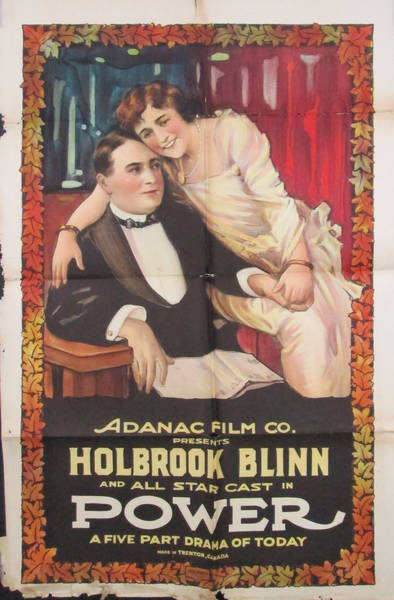
Themes of Transgression and Rebellion: The Cult Ethos
What truly defines a cult film often boils down to its willingness to transgress, to rebel against established norms. This can manifest in various ways, from moral ambiguity to outright defiance of narrative conventions. Films that delve into complex ethical dilemmas, challenging viewers to confront uncomfortable truths, frequently find a home in the cult canon. Think of narratives that explore societal hypocrisy or personal struggles against overwhelming odds.
For instance, a film like Broken Ties, which likely dealt with themes of race and social standing, would have been provocative in its era, forcing audiences to confront uncomfortable realities. Similarly, The Price Woman Pays, examining moral choices and their consequences, would have resonated deeply with audiences grappling with similar societal pressures. These films, by tackling sensitive subjects, often become touchstones for discussions that extend far beyond the cinema hall, fostering a sense of shared understanding among their viewers.

The outlaw spirit is another recurrent theme. Characters who defy authority, challenge the status quo, or simply exist outside the confines of respectable society often become iconic figures within cult cinema. A Western serial like The Masked Rider, with its vigilante justice and borderland conflicts, or a political drama such as The Reform Candidate, exposing corruption, tap into a universal desire for justice and rebellion. Even a strong female protagonist, as seen in The She Wolf, who takes on a crooked sheriff, embodies a defiant spirit that resonates with audiences seeking empowering narratives.
Cult films also frequently blur or outright reject traditional genre boundaries. They might fuse horror with comedy, drama with surrealism, or action with philosophical introspection, creating something wholly unique. While not all early films were intentional genre-benders, the inherent experimentation of the era meant that many productions, such as Leaves From Satan's Book, with its episodic, allegorical exploration of human suffering across different historical periods, offered a complex narrative structure that transcended simple classification. This willingness to experiment and innovate, to create something truly unconventional, is a hallmark of films that eventually earn cult status.

The Power of the Unconventional Narrative: Drawing in the Devoted
Beyond transgressive themes, the way a story is told is paramount in securing a film's place in the cult pantheon. Unconventional narratives, whether through their structure, pacing, or sheer imaginative scope, captivate audiences who are often weary of formulaic storytelling. These films don't just present a plot; they invite viewers into a distinct world, often demanding active participation to fully appreciate their intricacies. This intellectual and emotional investment is a cornerstone of cult film appeal.
Consider films that dared to be different in their storytelling. Pro domo, das Geheimnis einer Nacht, a German silent film, likely employed the expressionistic aesthetics and psychological depth that defined its era, creating a unique, immersive experience. Such films, with their evocative imagery and symbolic narratives, offer layers of interpretation that reward repeat viewings and foster deep discussion among fans. Similarly, the ambition of a multi-part narrative like Leaves From Satan's Book, spanning centuries and philosophical questions, showcases a bold approach to storytelling that inherently attracts an audience seeking intellectual engagement over passive consumption.
Even seemingly simpler narratives can possess an irresistible pull through their unique characterizations or memorable moments. The escapism offered by an adventure like The Mystery Girl, with its tale of royalty in hiding and spy intrigue, or the dramatic twists of a Western romance such as On the Level, could create a lasting impression. These films, regardless of their initial reception, provide a distinct flavor that sets them apart, allowing them to linger in the collective consciousness of certain viewers.
The cult film often thrives on its ability to create a sense of discovery. When an audience uncovers a film that speaks to them on a profound level, a film that feels tailor-made for their sensibilities, it transforms from a mere movie into a personal revelation. This sense of ownership and personal connection is vital. It's not just about what happens on screen, but how the film makes you feel, what it makes you think, and how it connects you to others who share that same unique experience. This is the transformative power of cult cinema.

Building a Community: The Fandom Phenomenon
Perhaps the most defining characteristic of cult cinema is the fandom it inspires. These aren't just viewers; they are devotees, forming communities around their shared passion. Cult films often thrive on rewatchability, with fans returning to them repeatedly, discovering new details, nuances, and layers of meaning with each viewing. This repeated engagement transforms a passive activity into an active ritual, a shared experience that strengthens the bonds between admirers.
The history of cult films is replete with stories of movies initially dismissed by critics or ignored by the public, only to find their true audience years, even decades, later. These films often gain traction through word-of-mouth, underground screenings, or the dedication of passionate cinephiles. The phenomenon of midnight movies, where audiences would gather late at night to celebrate films like The Rocky Horror Picture Show (a later example, but illustrative of the ritual), actively participating with call-backs and costumes, epitomizes this communal aspect. Even in earlier times, the fervent discussion and repeated attendance for films like The Scuttlers, with its dramatic intrigue, or Fighting Odds, featuring a determined heroine, could foster a similar, albeit less overt, sense of shared devotion.

This sense of belonging is crucial. For many, cult cinema offers a tribe, a place where their unconventional tastes are not just accepted but celebrated. It's a refuge for those who feel alienated by mainstream culture, providing a sense of validation and connection. The shared language of quotes, inside jokes, and collective memories forms a powerful bond, uniting strangers under the banner of a beloved, often obscure, film. Even short, quirky comedies like Cash Customers or Innocent Ambrose, if they hit a particular comedic nerve, could inspire a small but loyal group of enthusiasts who found their humor uniquely appealing.
The transition from a mere film to a cultural phenomenon is often slow, organic, and driven entirely by the audience. It's a testament to the power of authentic connection, proving that art's true value isn't always immediately apparent but can be cultivated over time through the unwavering dedication of its admirers. These cinematic deviations, once overlooked, become vital cultural touchstones for their dedicated followers.

The Enduring Legacy: Why Cult Films Persist
The true measure of a cult film's impact lies not just in its immediate fandom, but in its enduring legacy. These films, often operating on the fringes, have a remarkable ability to influence future generations of filmmakers, artists, and thinkers. Their unconventional approaches and bold thematic explorations often pave the way for new forms of cinematic expression, demonstrating that what is considered radical today may become foundational tomorrow. The aesthetic choices in films like Der Vampyr, for instance, undoubtedly influenced the visual language of horror for decades to come.
Cult films also contribute significantly to the broader film culture by expanding the definition of what constitutes 'good' or 'important' cinema. They challenge the established canon, forcing a re-evaluation of films that might have been misunderstood or dismissed in their time. This constant re-evaluation ensures that cinematic history remains dynamic and inclusive, recognizing the value in diversity of expression. Even seemingly simple films like Getting a Polish, a documentary short, contribute to the vast tapestry of film that allows for such nuanced appreciation and niche devotion.

Their relevance across generations is another key factor. A film like Me and Captain Kidd, with its timeless themes of treasure hunts and adventure, can capture the imagination of audiences decades after its release. The underlying messages, the unique aesthetics, or the sheer audacity of these films continue to resonate, finding new audiences who connect with their distinct voice. This resilience in the face of changing trends speaks to an inherent artistic integrity that transcends fleeting popular tastes. They become cinematic touchstones, passed down through generations of film lovers.
Ultimately, cult cinema reminds us that art is not always about universal appeal, but about profound connection. It's about films that dare to be different, that challenge, provoke, and inspire. Their stories, characters, and worlds become ingrained in the cultural consciousness of their followers, creating a lasting impact that far outstrips their initial commercial success. This maverick soul of cult cinema ensures its continued vitality and relevance in the ever-evolving landscape of film.
Conclusion: The Unseen Power of the Fringe
Cult cinema is more than a genre; it's a testament to the enduring power of unique storytelling and the human desire for connection. From the early silent films that dared to be different, to modern masterpieces that continue to push boundaries, these films carve out a special place in the hearts of their audiences. They represent a rebellion against the ordinary, a celebration of the strange, and a powerful force for community building. The unseen reels and unconventional narratives of cult cinema don't just entertain; they transform, unite, and inspire, ensuring their enduring legacy in the annals of film history. As long as there are stories to be told outside the mainstream, and audiences eager to discover them, the cult of the unseen will continue to thrive, forging unbreakable bonds and leaving an indelible mark on the cinematic soul.
Community
Comments
Log in to comment.
Loading comments…