
Cult Cinema Deep Dive
The Flicker’s Forbidden Archive: Unearthing the Primal Transgressions of Early Cinema’s Forgotten Misfits
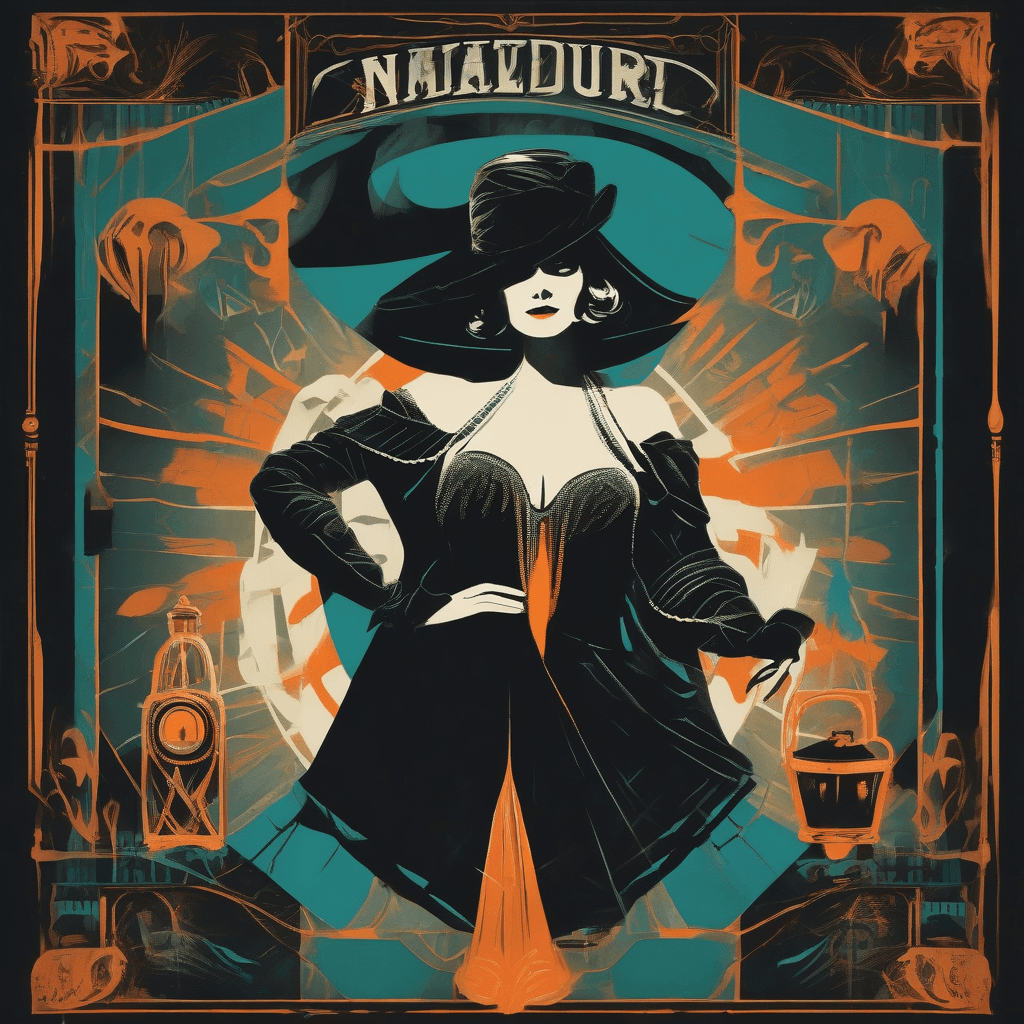
“A deep dive into the silent era roots of cult film, exploring how early 20th-century misfits and melodramas birthed the modern midnight movie obsession.”
Cult cinema is often whispered about as if it were a mid-century mutation, a product of 1970s midnight movie houses and the counter-cultural explosion of the VHS era. However, to truly understand the DNA of the cinematic deviant, we must look further back into the grain of history. Long before the term 'cult' was codified, the flickering screens of the 1910s and 1920s were already hosting a menagerie of moral outcasts, genre mutants, and narrative rebels. This era, often dismissed as merely 'primitive,' actually contains the primal blueprints for everything we now worship in the fringe. From the exotic spectacle of Cleopatra (1917) to the gritty revenge of The Brand of Lopez (1920), early cinema was a laboratory of the strange.
The Melodramatic Roots of Obsession
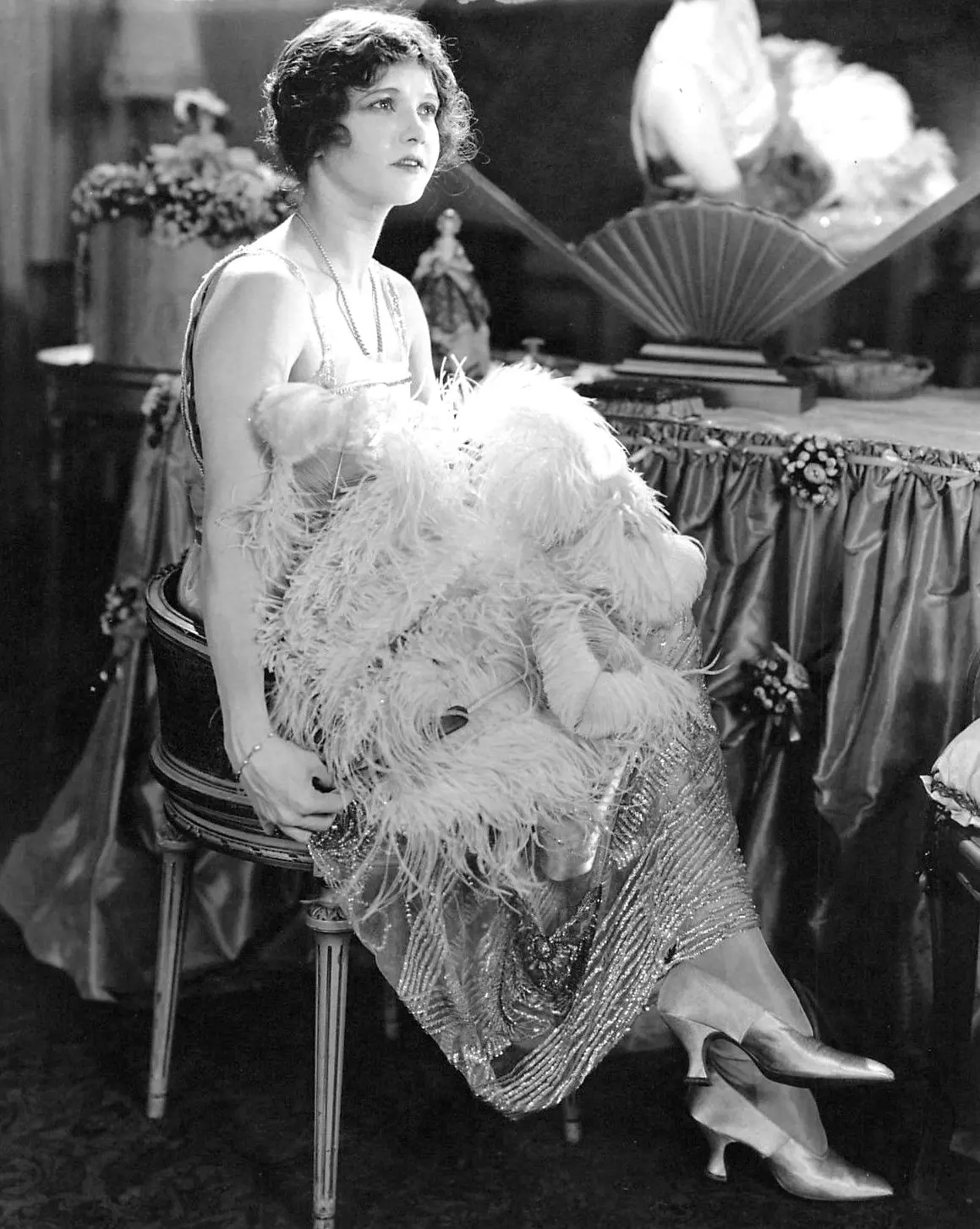
The foundation of cult devotion often lies in the extreme. In the silent era, this extremity was found in the heightened emotionality of melodrama. Consider The Soul of a Magdalen (1917), where Heloise Broulette is forced into a life of moral compromise to save her family. This 'saintly sinner' archetype resonates deeply with the cult ethos—the idea of a protagonist who exists on the fringes of polite society, making impossible choices. Similarly, Should a Husband Forgive? (1919) explored the devastating social consequences of infidelity, pushing the audience toward a radical empathy for the fallen woman, Mary Carroll. These films weren't just entertainment; they were explorations of the social 'other,' a theme that remains the beating heart of cult fandom today.

The darkness of these narratives often mirrored the harsh realities of the urban experience. In Sins of Great Cities (1919), we see the proprietor of the ill-famed 'Red Mouse' manipulating the innocent, a precursor to the gritty urban noirs that would later become midnight staples. The tension between the 'pure' and the 'corrupt' in Out of the Fog (1919), where a religious fanatic drives a woman to suicide, showcases the early cinema's willingness to confront the hypocrisy of mainstream institutions. This anti-establishment streak is precisely what draws modern viewers to these forgotten reels; they see the same rebellious spirit that would eventually define the works of Jodorowsky or Waters.
The Exotic Outlier and the Spectacle of the Other
Cult cinema thrives on the 'exotic'—the feeling of being transported to a world that is fundamentally different from our own. In the early 20th century, this was achieved through grand historical and international spectacles. Cleopatra (1917), featuring the fabled queen’s disastrous affair with Marc Antony, provided a visual feast that bordered on the surreal. The sheer scale of the production and the tragic, larger-than-life characters created a sense of awe that is the hallmark of the 'cult of the epic.' This same energy can be found in The Young Rajah (1922), where a man raised in the American South discovers his royal Indian heritage. The clash of identities and the usurped throne provide a narrative of displacement that speaks to anyone who has ever felt like an outsider in their own skin.

The Lure of the Forbidden and the Cursed
Nothing fuels a cult obsession quite like a mystery, especially one that carries a hint of the macabre. The Hope Diamond Mystery (1921) is a perfect example. By blending the 'true story' of Lord Francis Hope with the suspected curse of the diamond, the film created a meta-narrative that blurred the lines between reality and fiction. This 'cursed object' trope is a staple of horror and adventure cults, inviting the audience to participate in the superstition. Similarly, The Footsteps of Capt. Kidd (1921) took audiences on a real-life expedition to Central and South America, tapping into a primal desire for discovery and the uncovering of lost secrets.
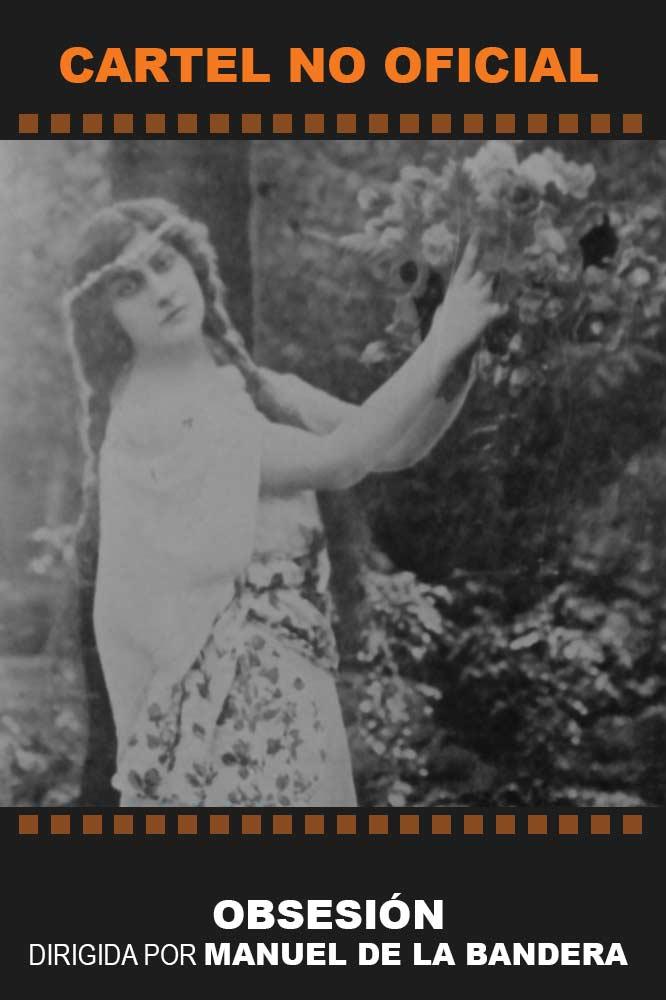
The allure of the forbidden also extended to the moral landscape of the time. Films like Sodom and Gomorrah (1918) used biblical allegory to explore themes of luxury, leisure, and the corruption of youth. When Mary is convinced by her mother to marry a multimillionaire for his wealth, the film critiques the very society it depicts. This subversion of the 'happy ending' and the focus on moral decay are the exact elements that cult audiences look for when they seek out films that challenge the status quo. Even in the short-form experiments like Marie chez les fauves, there was an attempt to capture the raw, untamed nature of the world, a visual anarchy that precedes the avant-garde movements of later decades.
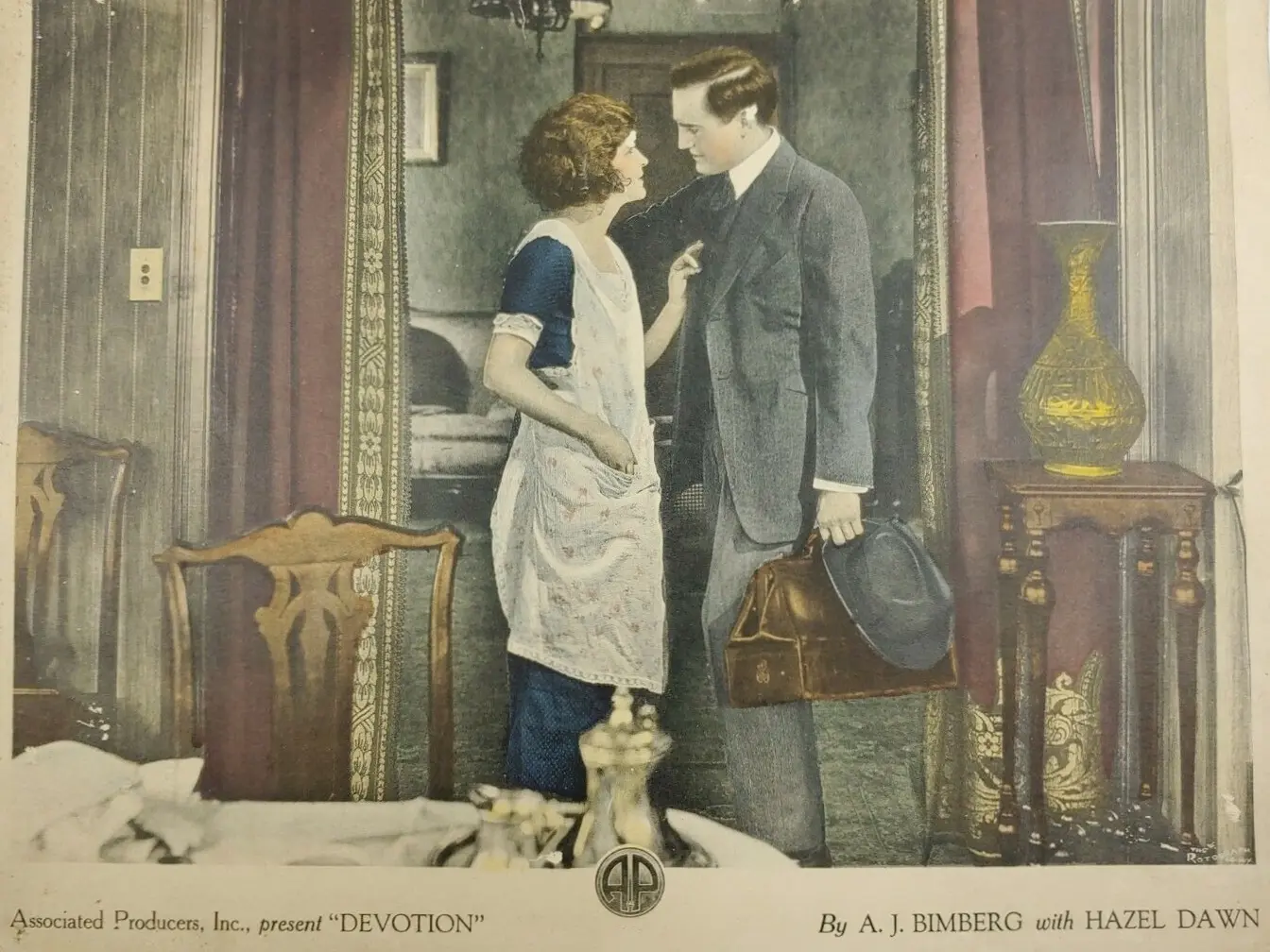
The Outlaw’s Creed: Revenge and Redemption
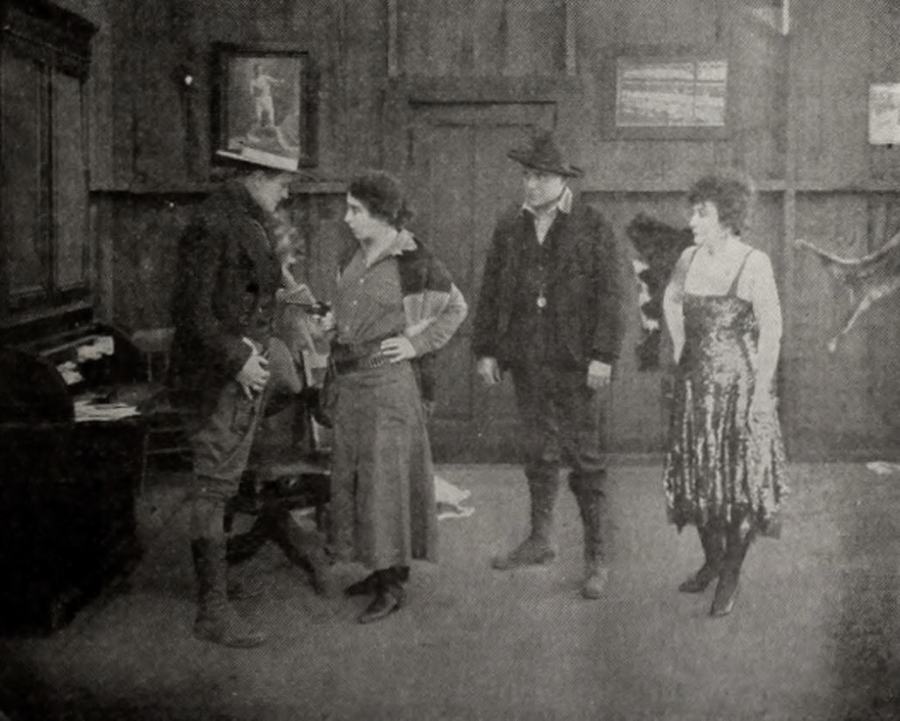
If the cult hero has a face, it is often that of the renegade. The Brand of Lopez (1920) gives us a matador forced into outlawry, seeking vengeance against the woman who betrayed him. This narrative of the 'honorable criminal' is a cornerstone of the cult western and the action flick. The visceral nature of his betrayal and his subsequent rebellion against the law creates a character who is both terrifying and sympathetic. We see a similar archetype in Man to Man (1922), where Steve Packard, a former South Pacific beach bum, must return to protect his father’s ranch. Steve is the quintessential cult protagonist: a ne'er-do-well who finds a sense of purpose through conflict and the defense of a legacy.
Maritime Rebellion and Frontier Justice
The sea and the frontier provided the perfect backdrops for these stories of upheaval. The Mutiny of the Elsinore (1920) explores the loyalties and betrayals aboard a ship in turmoil, a microcosm of societal collapse. The promise of the first mate to care for the captain's son, contrasted with the son's squandered life, creates a rich psychological drama that feels surprisingly modern. In the rugged landscapes of Rose of Nome (1920), the flight from an abusive husband into the harsh environment of the North highlights the resilience of the human spirit. These films don't just tell stories; they document the struggle for survival in worlds that are indifferent, if not outright hostile, to the individual.
Even the crime dramas of the era, such as Alias Ladyfingers (1921), played with the idea of influence and inheritance. When a young boy comes under the influence of a professional criminal, the film asks difficult questions about nature versus nurture. This exploration of the 'criminal mind' and the social forces that shape it is a recurring theme in cult cinema, from the gangster epics of the 1930s to the gritty indies of the 90s. The 'family honor' is often at stake, as seen in The Family Honor (1920), where a sister sacrifices everything to put her brother through college, only to find the weight of expectation nearly crushing them both.
The Comedic Grotesque and the Absurdist Fringe
Cult cinema isn't always dark; often, it is profoundly weird. The silent era was a goldmine of absurdist comedy that paved the way for the surrealists. Good-Bye, Bill (1918) features a German-American professor who invents a 'mustache fixer' that makes the wearer look fierce—a bizarre premise that feels like a sketch from a later comedy troupe. This embrace of the nonsensical is a key component of the cult experience. Similarly, Ambrose in Bad and Her Bargain Day utilized slapstick and situational irony to highlight the frustrations of modern life. These films captured a sense of visual chaos that is inherently transgressive, breaking the rules of logic and physics to achieve a laugh.
Consider the sheer ingenuity of Loose Change (1917), where a bank cashier uses a trap door to drop a robber into the floor. This kind of mechanical humor, where the environment itself becomes a character, is a precursor to the elaborate set pieces of later cult hits. The 'book agent' trope in The Book Agent (1921) also plays with social expectations, requiring the hero to sell a book written by his prospective father-in-law to win his bride. These films often dealt with the absurdity of bureaucracy and the ridiculousness of social rituals, providing a much-needed release for audiences who felt trapped by the conventions of the time.
The Eternal Flame of the Underdog
Ultimately, the reason these films endure—even as 'lost' or 'forgotten' artifacts—is because they speak to the universal experience of the underdog. Whether it is the peasant girl in Flame of Youth (1920) being manipulated by an artist, or the American William Ruggles joining the Turkish army in Filling His Own Shoes (1917), these stories are about people trying to find their footing in a world that is shifting beneath them. They are films of transition, capturing the move from the old world to the new, from tradition to modernity. This liminal space is where cult cinema lives.
As we look back at the Tangled Lives (1918) and the Shadow Play of the early 20th century, we see that the 'cult' was never a new phenomenon. It was a continuation of a long-standing tradition of cinematic rebellion. The Rose of Nome and the Night Riders of Petersham (1921) are not just footnotes in a textbook; they are the ancestors of the misfits we celebrate today. By unearthing these forbidden flickers, we aren't just engaging in a hobby; we are performing a kind of cinematic archeology, reclaiming the stories of those who dared to be different when the world was just learning how to watch. The cult of the curious is as old as the camera itself, and as long as there are outcasts, there will be films to give them a home.
In the end, the power of these films lies in their ability to cast a cinematic hypnosis. They remind us that the screen is not just a window, but a mirror—one that often reflects the parts of ourselves we are taught to hide. From the Sable Blessing to the Brand of Lopez, the legacy of the silent renegade continues to flicker in the dark, waiting for the next generation of seekers to find the light.
Community
Comments
Log in to comment.
Loading comments…