
Cult Cinema
The Maverick's Manifesto: Unearthing Cult Cinema's Enduring Legacy of Subversion and Fandom

“Dive deep into the captivating world of cult cinema, exploring how unconventional films, often initially overlooked, forge unbreakable bonds with dedicated audiences and carve out an enduring legacy of rebellion and artistic freedom.”
In the vast, ever-expanding galaxy of cinematic art, certain celestial bodies refuse to conform to the established orbits. These are the cult films—cinematic anomalies that defy easy categorization, challenge societal norms, and often bypass mainstream success to find their true destiny as objects of fervent adoration. What is it about these unconventional films that compels audiences to return, time and again, to their strange, often unsettling, but always captivating narratives? It's a phenomenon rooted in shared experience, a collective embrace of the bizarre, the transgressive, and the uniquely profound.
Cult cinema isn't just a genre; it's a state of mind, a declaration of independence from the predictable. It’s a space where the rules are bent, broken, and sometimes entirely ignored, resulting in works that resonate deeply with a specific, often passionate, niche audience. These films are not merely watched; they are studied, quoted, celebrated, and often re-contextualized by their devoted followers, transforming them from mere entertainment into cultural touchstones and communal rituals.

The Genesis of the Unconventional: Seeds of Rebellion in Early Cinema
To understand the enduring allure of cult cinema, we must trace its lineage back to the nascent days of the moving picture. Even in the silent era, amidst the grand spectacles and melodramas designed for mass appeal, there were artistic outliers and narrative experiments that foreshadowed the cult phenomenon. Films that dared to be different, whether through their subject matter, visual style, or sheer audacity, began to sow the seeds of a counter-cultural cinematic tradition.
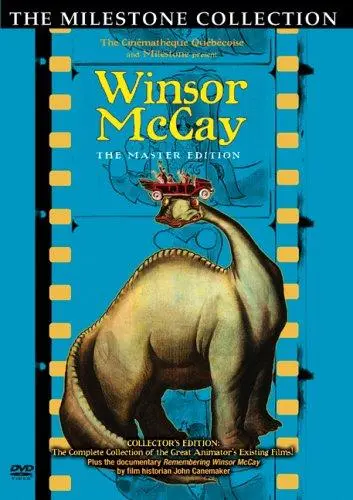
Consider the early forays into animation and the surreal, like Winsor McCay's groundbreaking work, or the dark, psychological dramas that ventured into unsettling territory. While not explicitly 'cult' in the modern sense, these early works, such as the dreamlike sequences in *Dreams of the Rarebit Fiend: The Pet*, showcased a willingness to explore the subconscious and the absurd long before mainstream cinema caught up. The profound theatricality and tragic undertones of a film like *He Who Gets Slapped*, with its melancholic clown protagonist, presented a narrative depth and a sense of alienation that could easily resonate with audiences seeking more than simple escapism. These were films that, perhaps inadvertently, began to cultivate a taste for the peculiar, the visually arresting, and the thematically challenging.

The very act of early filmmaking was an adventure, a constant exploration of what the medium could do. From travelogues like *All for the Movies: Universal City, California, the Wonder City of the World* to historical recreations like *The Corbett-Fitzsimmons Fight*, filmmakers were pushing boundaries. But it was in the more dramatic and character-driven narratives, those that explored societal fringes or moral dilemmas, that the true proto-cult elements began to emerge. Films like *The Forgotten Woman* or *The Kiss of Hate*, with their intense emotional stakes and often bleak outlooks, might have found a sympathetic resonance with viewers who felt marginalized or understood the darker facets of human experience, far from the polished narratives of the day.
The Magnetic Pull of the Maverick: Defying Convention
What makes a film a cult film? It's rarely box office success or critical acclaim upon initial release. Instead, it's an intrinsic quality—a rebel heart, a distinctive voice, or a willingness to venture where other films fear to tread. Cult films often challenge dominant narratives, societal norms, or cinematic conventions, making them initially difficult for mainstream audiences or critics to digest. This defiance, however, is precisely what makes them so attractive to those who seek something different.
These films frequently possess a transgressive spirit. They might explore taboo subjects, push the boundaries of taste, or simply present a worldview that is radically different from the status quo. Whether it's the dark humor of a forgotten short like *Playing Possum* or the complex moral questions posed by a drama like *The One Woman*, these films, through their very existence, become acts of cinematic rebellion. They offer an alternative lens through which to view the world, inviting viewers into a secret society of shared understanding and appreciation.
The narratives themselves can be anarchic, eschewing traditional plot structures for something more experimental or emotionally driven. A film might be deliberately opaque, leaving much to the viewer's interpretation, fostering discussion and multiple viewings. Others might be so relentlessly idiosyncratic that they create their own internal logic, demanding a certain level of commitment from their audience. This narrative anarchy is not a flaw; it's a feature, drawing in those who are tired of formulaic storytelling.

Forging Fandom: From Obscurity to Iconography
The journey from obscurity to cult iconography is a fascinating one, often driven by the passion of a dedicated few. These are the films that, after their initial theatrical run (if they even had one), found new life in late-night screenings, repertory cinemas, home video, and eventually, the internet. The term “midnight movie” itself became synonymous with this phenomenon, describing films that were too strange, too shocking, or too unique for prime time, but which thrived in the communal darkness of late-night showings, attracting audiences eager for a shared, often interactive, experience.
The enduring allure of cult cinema lies in this sense of discovery and community. Finding a cult film often feels like unearthing a hidden treasure, a secret known only to a select few. This shared knowledge fosters a powerful sense of belonging among fans, transforming passive viewing into active participation. Discussions, fan theories, cosplay, and even live shadow casts become integral parts of the cult experience, cementing the film's place in their collective consciousness.

Even early serials like *What Happened to Mary*, designed for episodic consumption, hint at the power of sustained engagement and anticipation that cult films later perfected. While not cult in the modern sense, their ability to build a dedicated following over time speaks to the human desire for ongoing narrative immersion and community around a shared story. This early form of episodic devotion paved the way for the deep dives and repeated viewings that define cult fandom today.
The Alchemy of Audience and Art
The transformation of a film into a cult classic is often an alchemical process, a delicate balance between the film's inherent qualities and the audience's willingness to embrace its peculiarities. A film might be ahead of its time, misunderstood by contemporary critics, or simply too niche for broad appeal. But with time, and the right audience, these perceived weaknesses become strengths.

Consider the wide array of human experience captured in early cinema: from the simple pleasures of *A Day's Pleasure* to the dramatic stakes of *The Last Chance*, or the comedic misadventures of *Hickville to Broadway*. Each, in its own way, could have resonated uniquely, perhaps for a specific line, a memorable character, or an unexpected twist. The films that become cult favorites often contain moments of genuine eccentricity, a unique visual aesthetic, or performances that transcend the ordinary.
The very act of re-discovery is crucial. Many films that now hold cult status were initially forgotten, only to be unearthed by subsequent generations of cinephiles who recognized their unconventional genius. This process of re-evaluation allows films to shed the baggage of their initial release and be appreciated for their intrinsic artistic merit and cultural impact, often revealing layers of meaning that were overlooked in their time.

Beyond Genre: The Fluidity of Cult Cinema
One of the most defining characteristics of cult cinema is its refusal to be confined by traditional genre boundaries. While horror, science fiction, and fantasy often provide fertile ground for cult classics, the phenomenon extends across all cinematic forms. We find cult films in dark comedies, experimental dramas, B-movies, and even documentaries that present a unique perspective or uncover a hidden truth.
The films themselves often engage in genre-bending, blending elements in unexpected ways that create something entirely new and undefinable. A Western might have philosophical undertones, a drama might dip into surrealism, or a comedy might reveal profound social commentary. This hybridity is part of their charm, offering a rich tapestry of cinematic experience that resists easy classification. The diversity of films from the early 20th century—from the straightforward adventure of *The Daredevil* to the intricate mysteries of *The Ring of the Borgias* or the historical drama of *For France*—demonstrates cinema's early capacity for varied storytelling, some of which undoubtedly pushed the envelope for their era.
Even films with seemingly conventional plots, like *The Girl in the Checkered Coat* or *Marriage*, could possess underlying themes or stylistic choices that, for a particular segment of the audience, elevated them beyond simple entertainment into something more profound or personally resonant. This is the essence of cult appeal: it's not always about overt weirdness, but often about a subtle resonance that strikes a chord with those seeking deeper, more personal connections with their media.
The Enduring Mystique: Why We Keep Coming Back
The question remains: why do we worship these cinematic outcasts? The answer is complex, multifaceted, and deeply human. Cult films offer a sense of belonging, an invitation to a secret club where shared tastes and unconventional perspectives are celebrated. They validate feelings of alienation or difference, providing solace and understanding in their often-radical narratives.

They are also films that reward repeat viewings. Their complex narratives, layered symbolism, or sheer density of detail reveal new insights with each watch. This encourages a deeper engagement, transforming passive viewers into active interpreters and participants in the film's ongoing legacy. The meticulous detail in an early historical epic like *Salambo, a $100,000 Spectacle* or the dramatic tension in *The Doctor and the Woman* would have captured imaginations, inviting viewers to delve deeper into their worlds.
Ultimately, cult cinema is a testament to the power of art to transcend its initial context and find a permanent home in the hearts and minds of those who connect with it most profoundly. It's a celebration of the maverick vision, the courageous filmmaker who dares to be different, and the discerning audience that embraces those differences. These films, whether they are surreal animations from the dawn of cinema or boundary-pushing dramas, form a vital, vibrant, and continually evolving part of our cinematic heritage, reminding us that the most treasured works are often those that refuse to play by the rules.

From the silent-era experiments that tested the limits of the new medium to the bold, uncompromising narratives that challenge contemporary sensibilities, cult films are more than just movies; they are cultural phenomena. They foster communities, spark conversations, and provide a sanctuary for those who find beauty in the unconventional. In a world saturated with mainstream content, the cinematic underground continues to thrive, offering an endless supply of unique stories and unforgettable experiences for those willing to look beyond the marquee.
The journey of a cult film is a testament to the fact that true artistic merit and enduring appeal are not always measured by immediate commercial success but by the lasting impact it has on its audience. These films become more than just entertainment; they become companions, provocateurs, and cherished artifacts of a shared cultural identity. They remind us that cinema, at its heart, is a powerful force for connection, rebellion, and the exploration of the infinite possibilities of human imagination.
Community
Comments
Log in to comment.
Loading comments…