
Cult Cinema
The Outlaw's Omen: Decoding the Subversive Soul and Niche Devotion of Cinema's First Radical Century
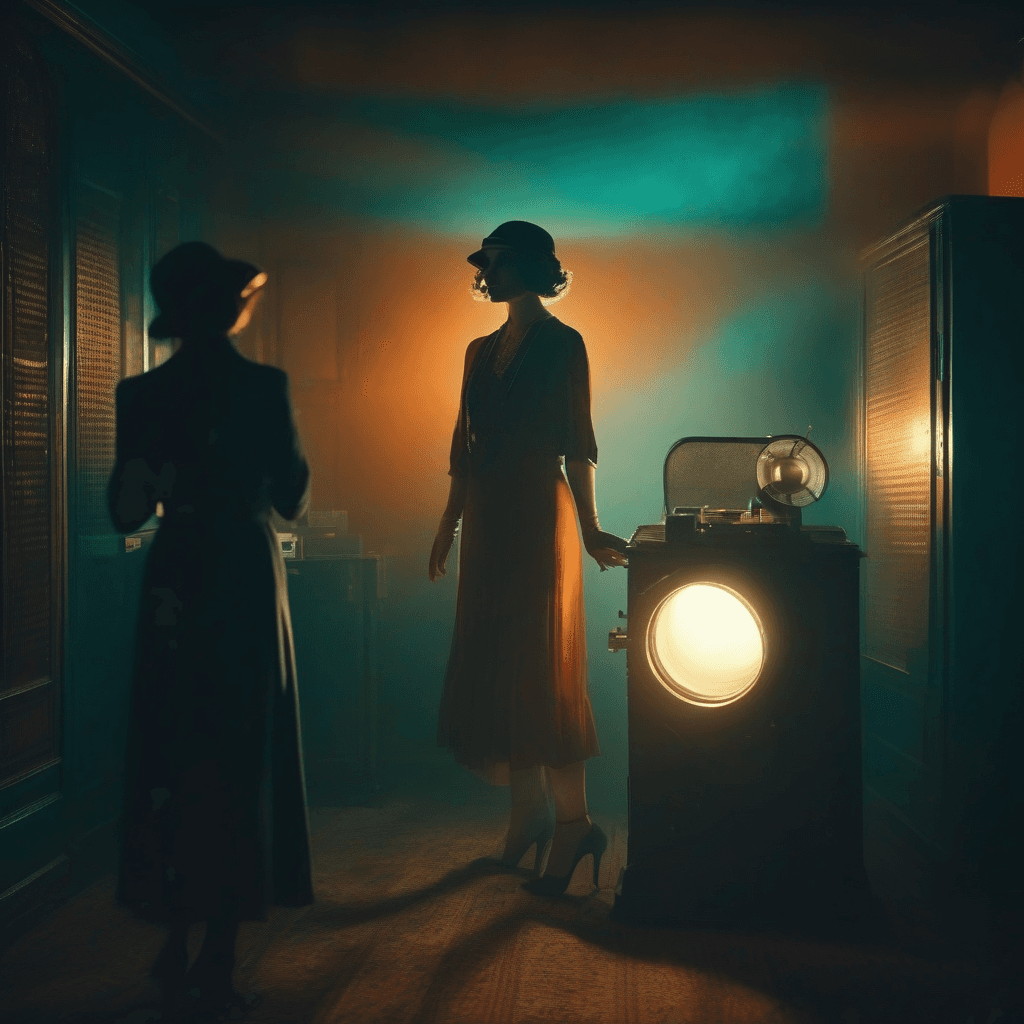
“Explore the primal roots of cult cinema through the forgotten rebels of the silent era, from hypnotic occultists to lady bandits who defied the status quo.”
To understand the modern phenomenon of the midnight movie, one must look past the neon-soaked aesthetics of the 1970s and dive into the grainy, flickering shadows of the early twentieth century. Before the term "cult film" was ever coined, a silent rebellion was already brewing on the silver screen. This was an era of The Outlaw's Omen—a period where cinematic misfits, transgressive narratives, and moral outliers began to forge the very DNA of what we now recognize as cult obsession. These films did not seek the broad approval of the masses; instead, they spoke to the fringes, the misunderstood, and those who found beauty in the bizarre and the forbidden.
The Occult Pulse and the Hypnotic Gaze
One of the most potent ingredients in the cult cinema cauldron is the exploration of the supernatural and the psychological. Long before surrealist masters like David Lynch or Alejandro Jodorowsky captivated audiences with dream-logic, the silent era was experimenting with the boundaries of the human mind. Take, for instance, the haunting narrative of The Sleep of Cyma Roget. Here, we find the archetype of the "mad scientist" or the "mystic manipulator" in Chandra Dak, a figure who can plunge the protagonist into a death-like hypnotic state. This fascination with the subconscious and the eerie is a cornerstone of cult devotion. It creates a space where the viewer is not just an observer but a participant in a ritual of the uncanny.
Similarly, films like L'atleta fantasma introduced audiences to proto-superhero tropes and high-stakes adventure that predated modern comic book fervor. These stories of valuable jewels and dangerous escapades provided an escapism that was less about moral lessons and more about the visceral thrill of the impossible. For the early niche audience, these films were more than entertainment; they were portals into worlds where the physical laws of reality were secondary to the whims of the imagination. This "sacred weirdness" is what binds a cult audience together—the shared knowledge of a secret world that the mainstream chooses to ignore.
The Radical Woman: Defying the Victorian Ghost
If cult cinema is defined by its rebellion against the status quo, then the "New Woman" of the silent era was its most formidable insurgent. The transition from Victorian domesticity to the roaring twenties was mirrored in films that showcased female agency in ways that were often deemed "reckless" or "immature" by the contemporary establishment. Reckless Youth, featuring the feckless flapper Alice Schuyler, serves as a perfect example. Her refusal to be tethered by the traditional expectations of marriage and family resonated with a generation of women looking for a different path. While the mainstream might have viewed her as a cautionary tale, the burgeoning cult audience saw a reflection of their own desire for autonomy.
Bandits and Secret Identities
The rebellion went even further with characters like those in My Lady Robin Hood. The concept of a lady bandit who steals from the wealthy to support the marginalized is a quintessential cult theme—the subversion of gender roles combined with a Robin Hood-esque social justice. This theme of the "masked rebel" or the "social outcast" who operates outside the law is a recurring motif in cult history. These films provided a template for the "bad girl" archetypes that would later dominate exploitation cinema and underground movements.
We also see this in the clever subversion of The Perfect Woman, where a woman must literally mask her beauty to prove her professional worth. It is a satirical jab at misogyny that remains strikingly relevant. Cult cinema has always been a haven for these kinds of narrative provocations, using humor and irony to dismantle the rigid structures of polite society. By embracing the "unattractive" or the "unconventional," these films challenged the audience to look deeper than the surface—a hallmark of the cult gaze.
The Underworld and the Aesthetics of the Outcast
The allure of the "forbidden zone" is perhaps the strongest magnet for cult film fanatics. The early century was fascinated by the dark underbelly of the modern city, a place of drug trafficking, gambling dens, and moral ambiguity. A Romance of the Underworld and Behind Closed Doors took viewers into the smoky rooms of New York’s criminal syndicates. These weren't just crime dramas; they were atmospheric explorations of the "other." The characters—from the convent-raised girl thrust into a drug ring to the gambling house "lure"—were often victims of circumstance, making them sympathetic to an audience that felt similarly marginalized by the industrial machine.
The figure of the "gentleman crook," epitomized by Boston Blackie's Little Pal, added a layer of sophistication to this rebellion. Boston Blackie wasn't a common thug; he was a man of style and code who navigated the shadows with a sense of honor that the "respectable" upper class often lacked. This romanticization of the criminal—the idea that the outlaw might be more moral than the lawmaker—is a foundational pillar of cult cinema. It appeals to the inherent skepticism many feel toward authority and the "official" version of the truth.
Displacement, Exile, and the Immigrant Struggle
Cult cinema often thrives on the theme of "unbelonging." Many of the most beloved cult films are about outsiders trying to find their place in a world that rejects them. In the silent era, this was frequently explored through the lens of immigration and international exile. The Cup of Fury, with its story of a young German immigrant facing suspicion and contempt in the United States, captured the xenophobic anxieties of the time. For the "hyphenated American" or the displaced European, these films were a visceral representation of their own lived experience.
The Latin Quarter and the South American Flight
The concept of "burying one's past" in a far-off land is another recurring theme. In The Last Payment, a woman flees the decadence of Paris for South America. This movement between the "civilized" world and the "wild" frontier is a classic narrative device that allows for a total reinvention of the self. Cult audiences are often drawn to these stories of radical transformation. Whether it is the artist in the garrets of Montmartre in The Last Dance or the Spanish woman in the Philippines in Under the Yoke, these films emphasize that identity is not fixed, but something that can be forged through struggle and displacement.
Even the seemingly simple romance of The Cradle of the Washingtons, connecting English and American families, touches on this idea of ancestral ties and the shifting nature of home. By highlighting the connections between disparate worlds, early cinema began to build a global language of shared experience that would eventually allow cult films to transcend national borders and find audiences in every corner of the globe.
Narrative Deviance and the Birth of the Midnight Mindset
What truly separates a "standard" film from a cult masterpiece is its willingness to deviate from the expected path. The silent era was rife with such deviations. Consider Sången om den eldröda blomman, a Nordic tale of seduction and carefree lifestyles that eventually leads to a reckoning. Its inconsistent gestures and raw passion were a far cry from the sanitized romances of the Hollywood mainstream. It possessed a "primal pulse" that spoke to the deeper, more chaotic aspects of the human condition.
Then there is the sheer eccentricity of films like Common Ground, where a "monstrosity of a hat" becomes a symbol of envy and class identity in a slum-bound flower factory. This focus on the mundane object as a totem of power is a very "cult" sensibility. It elevates the ordinary to the level of the sacred or the absurd. Similarly, Dining Room, Kitchen and Sink uses the domestic space as a stage for a chaotic clash between actors and crooks, blurring the lines between performance and reality. This self-referentiality—the "film within a film" or the "play within a play" seen also in For Husbands Only—is a sophisticated narrative technique that invites the audience to question the nature of the medium itself.
The Enduring Legacy of the Silent Misfit
As we look back at these forgotten gems, from the short-form comedies like Doing Time and Fast and Furious to the historical epics like The Little Shepherd of Kingdom Come, we see a tapestry of rebellion that is as vibrant today as it was a century ago. These films were the original "midnight movies," screened in neighborhood theaters and community halls for audiences who craved something different from the standard fare. They were the maverick visions that proved cinema could be a tool for subversion, a mirror for the marginalized, and a playground for the peculiar.
The "Outlaw's Omen" was not a warning of doom, but a promise of a new kind of community—one built on the shared love of the unconventional. Whether it is the "secret service man" posing as a "ne'er-do-well" in The Line Runners or the typist exposing spies in 0-18 or A Message from the Sky, these stories celebrate the individual who sees what others miss. They celebrate the "hobo" who becomes a hero, the "peasant" who is actually a princess, and the "burglar" who is framed by his friends. They celebrate the complexity of the human spirit in all its flawed, flickering glory.
In the end, cult cinema is about the search for truth in the shadows. It is about finding a home in the "underworld" and a family among the "misfits." As long as there are filmmakers willing to take risks and audiences willing to follow them into the dark, the spirit of the early silent rebels will continue to haunt and inspire the silver screen. The radical century of cinema’s birth was just the beginning; the ritual of the midnight congregation is eternal.
Community
Comments
Log in to comment.
Loading comments…