
Cult Cinema Deep Dive
The Unseen Cult: Unearthing the Maverick Heart of Early Cinema's Forgotten Gems
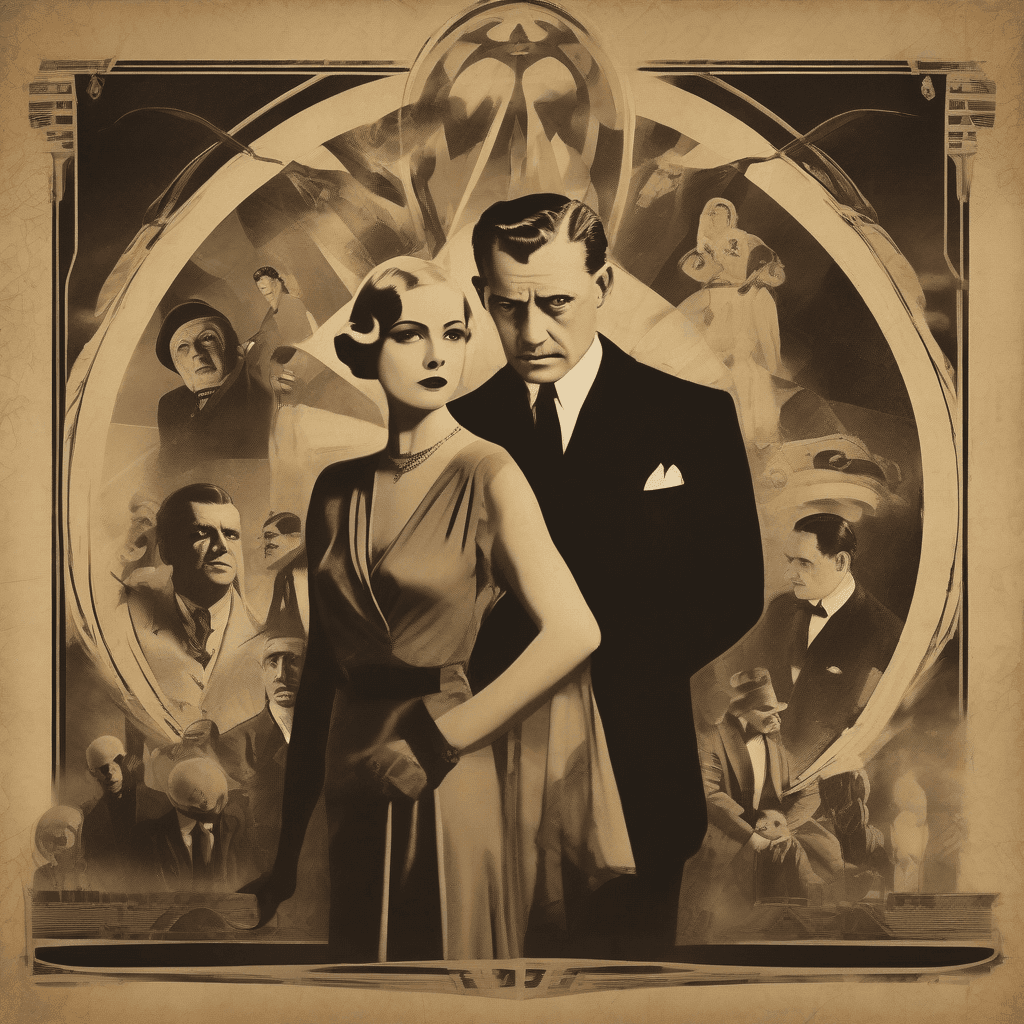
“Dive into the enigmatic origins of cult cinema, tracing its foundational spirit through the silent era's overlooked narratives and transgressive themes. This article explores how early films, though not 'cult' in their time, laid the groundwork for the midnight movie phenomenon and niche devotion.”
Cult cinema, in its purest form, defies easy categorization. It's a realm where artistic rebellion, narrative eccentricity, and fervent audience devotion converge, creating a phenomenon far removed from mainstream appeal. These aren't merely films; they are experiences, often rediscovered years after their initial release, championed by a dedicated few who find profound meaning in their unconventionality. But where did this peculiar cinematic spirit begin? To truly understand the enduring allure of cult cinema, we must journey back to its nascent whispers, to the silent era where the seeds of cinematic transgression were first sown, long before the term 'cult film' even existed.
The Genesis of the Cinematic Outlier: Silent Era's Unintentional Cults
Before the advent of synchronized sound, filmmakers were experimenting with the very language of cinema, pushing boundaries in storytelling, character development, and visual spectacle. Many films from this period, now largely forgotten by mainstream history, possessed inherent qualities that, with the benefit of hindsight, we can recognize as proto-cult elements. These were films that, intentionally or not, challenged societal norms, explored complex psychological landscapes, or simply presented narratives with such singular vision that they stood apart from the conventional fare.
Consider the melodramatic intensity of films like The Strange Case of Mary Page or Enoch Arden. While initially popular, their heightened emotionality and often tragic explorations of human frailty resonate with the kind of unflinching drama that later cult classics would embrace. These weren't afraid to delve into the darker corners of the human experience, presenting characters grappling with difficult choices and societal pressures. The sheer dramatic weight, even when conventional, could, for a discerning audience, morph into something more profound and memorable.
Narrative Transgression and Moral Ambiguity
A hallmark of cult cinema is its willingness to transgress, to challenge established moral codes or narrative structures. In the early 20th century, even subtle deviations could be considered radical. Films like Greater Than Love, which explores complex romantic entanglements and societal expectations, or The Grouch, with its tale of wrongful imprisonment and a stolen wife, hint at the moral ambiguities that would become central to later cult narratives. These films dared to suggest that good and evil were not always clear-cut, that characters could be flawed, driven by impulse, or victims of circumstance.
The very concept of a 'villain' or 'hero' began to blur, paving the way for the anti-heroes and morally grey protagonists that populate so many beloved cult films. In The Toilers, for instance, the choices made by the sons reflect a struggle between tradition and ambition, a theme that, while universal, can be viewed through a lens of societal critique. These early narratives, through their portrayal of human struggle against a backdrop of evolving social norms, offered glimpses into the anxieties and desires of their time, often with a raw authenticity that resonates with audiences seeking more than simple escapism.
The Allure of the Outsider: Characters on the Fringe
Many cult films gravitate towards stories of outsiders, misfits, and rebels. This fascination with the marginalized is not a modern invention. Early cinema, too, explored characters who stood apart. Films like The Unpainted Woman, featuring a Swedish hired girl navigating class distinctions, or Hulda from Holland, a plucky immigrant girl facing new challenges, depict individuals striving for acceptance or carving their own path in a new world. Their struggles, while perhaps presented with a conventional narrative arc, speak to a universal feeling of being an outsider, a theme that forms the bedrock of many cult followings.
Even comedies, such as The Egg, with its mischievous worker, or A Rural Cinderella, which playfully subverts classic fairy tales, showcase characters who don't quite fit in. This celebration of individuality, even in humorous contexts, plants the idea that there's value in the unconventional. The audience's identification with these cinematic misfits fosters a sense of community, a shared understanding of what it means to be different, which is a crucial component of cult fandom.
Genre Blending and Narrative Experimentation
While silent cinema often adhered to clear genre conventions, there were instances of blending and experimentation that foreshadowed the genre fluidity common in cult films. A film like Across the Deadline, which combines drama with Western elements, or A Jungle Gentleman, a short that mixes comedy with adventure, demonstrate a nascent willingness to play with established formulas. These early examples, though perhaps not as overtly radical as later avant-garde movements, show a willingness to push the boundaries of what a film could be.
The very act of crafting narratives in a medium still in its infancy was an act of constant experimentation. Directors and writers were inventing the rules as they went along, leading to creative choices that, while sometimes clunky by modern standards, possessed an undeniable originality. This raw, untamed spirit of creation, where every film was a discovery, aligns perfectly with the cult ethos of valuing uniqueness over polished perfection. The early Westerns, like Lochinvar o' the Line or The Payroll Pirates, while genre staples, often contained elements of rugged individualism and defiance against authority that resonate with the anti-establishment themes often found in cult cinema.
The Power of the Unseen and Rediscovered
Many of the films from the silent era, including those referenced here, are often 'unseen' by contemporary audiences, existing largely in archives or as obscure prints. This very obscurity contributes to their cult potential. A significant aspect of cult cinema is its discovery, its unearthing by dedicated cinephiles who champion its forgotten brilliance. Films like The Betrothed, with its tale of forbidden love and misfortune, or De forældreløse (The Orphans), exploring sibling struggles against a greedy family, offer rich narrative tapestries waiting to be rediscovered and reinterpreted by modern viewers.
The act of watching these films now is inherently a cult experience – one is seeking out the rare, the unconventional, the pieces of cinematic history that have been overlooked. The very challenge of accessing and appreciating these works creates a bond among those who do, mirroring the community aspect of cult fandom. This pilgrimage into the past transforms passive viewing into an active engagement with cinematic heritage, forging a deeper connection than a casual watch of a mainstream hit.
Visual Language and Aesthetic Deviance
Silent films, by necessity, relied heavily on visual storytelling. This often led to striking, sometimes bizarre, imagery and highly stylized performances. While not always intended as 'deviant,' the visual language of the silent era can, to modern eyes, appear wonderfully strange and captivating. Consider the dramatic lighting and exaggerated expressions in a film like The Strangler's Cord or the evocative setting of A Venetian Night. These elements, designed to convey emotion and narrative without dialogue, create an immersive experience that can be both alien and deeply engaging.
This reliance on pure visual spectacle, unmediated by sound, fosters a unique aesthetic appreciation. It encourages viewers to project their own interpretations onto the screen, a crucial component of cult film engagement. The lingering images, the symbolic gestures, and the often dreamlike quality of silent cinema invite repeated viewings and passionate discussion, allowing for multiple layers of meaning to be unearthed over time. Films like Vanina, with its historical drama and themes of rebellion, would have relied heavily on powerful visual compositions to convey its narrative weight and emotional stakes.
The Enduring Echoes: From Early Cinema to Midnight Movies
The journey from a silent-era curiosity to a modern cult classic is often circuitous. Films like The Right to Happiness, which explores diverging lives of twin sisters, or The Primitive Call, touching upon class and cultural divides, contain narrative threads that, while perhaps conventional for their time, speak to the timeless human condition. When these narratives are viewed through a contemporary lens, their original intentions might be reinterpreted, their subtle subversions amplified, and their quirky elements celebrated.
The very act of re-contextualizing these early films allows them to transcend their initial reception. What might have been a straightforward melodrama, a social commentary, or a simple comedy in the 1910s and 20s, can, for a modern audience, become a fascinating artifact of a bygone era, imbued with unintentional profundity or delightful absurdity. This is the magic of cult cinema: it’s not just about the film itself, but about the audience's active participation in its meaning-making, its communal re-evaluation, and its elevation to something more than its original creators might have envisioned.
The themes we see in these early films – the exploration of societal taboos, the celebration of the underdog, the embrace of unique visual styles, and the willingness to experiment with narrative – are the very foundational elements of cult cinema. Whether it's the domestic drama of Assigned to His Wife, the adventurous spirit of Betty and the Buccaneers, or the psychological depth implied in The Third Eye, these films, in their own quiet ways, contributed to the evolving language of film that would eventually give rise to the vibrant and diverse world of cult classics we celebrate today.
The Legacy of the Forgotten Fringe
The silent era, therefore, wasn't just a precursor to sound film; it was a fertile ground for cinematic innovation and accidental subversion. The films produced during this time, from the lighthearted shorts like Hoodoo Watch and Out for the Night to the more serious dramas such as Men and Salvation Nell, collectively form a rich tapestry of human experience and artistic expression. They remind us that the spirit of challenging norms, of exploring the fringes of society, and of crafting singular visions has been an intrinsic part of filmmaking since its very beginnings.
The films that become cult classics are often those that initially failed to find a broad audience or were misunderstood by critics. Their true value is revealed over time, through the dedication of fans who see something extraordinary in their supposed flaws or their radical departures. The early silent films, with their unique constraints and boundless creativity, offer a fascinating historical parallel. They are the unheralded architects of the cult sensibility, proving that the desire for cinematic experiences that resonate on a deeper, more personal level is as old as cinema itself.
From the stark realism of social dramas like Unclaimed Goods and The Weakness of Strength, which highlight systemic injustices, to the allegorical tales like The Streets of Illusion, offering messages of optimism, early cinema provided a diverse palette of storytelling. Even historical or political pieces, such as The Great Mexican War or Paz e Amor, through their specific cultural contexts and perhaps now-dated perspectives, can acquire a new kind of 'cult' status as historical artifacts embodying particular viewpoints or cinematic styles.
Ultimately, the unseen cult of early cinema is a testament to the enduring power of film to provoke, to challenge, and to inspire devoted fandom. It's a reminder that beneath the surface of mainstream narratives, there have always been, and always will be, cinematic outliers waiting to be discovered, celebrated, and enshrined in the pantheon of cult classics, proving that the rebel heart of cinema beats across every era, from flicker to fervor.
Community
Comments
Log in to comment.
Loading comments…