
Cult Cinema
The Unseen Currents: Decoding Cult Cinema's Maverick Soul from Early Film's Depths

“Dive into the enigmatic world of cult cinema, tracing its rebellious spirit and enduring allure back to the silent era and the unconventional narratives that first challenged cinematic norms.”
Cult cinema. The very phrase conjures images of midnight screenings, fervent fan communities, and films that defy easy categorization. These are the cinematic rebels, the artistic outcasts, the narratives that refuse to be forgotten, often finding their true audience years, even decades, after their initial release. But where did this phenomenon begin? To truly understand the enduring magnetism of cult cinema, we must embark on an archaeological dig, sifting through the celluloid fragments of early film history, long before the term 'cult classic' entered our lexicon. It's in these foundational years, amidst the silent dramas, experimental shorts, and often overlooked genre pieces, that we discover the unseen currents that would eventually forge the distinctive soul of cult cinema.
The Genesis of the Unconventional: Early Cinema's Maverick Spirit
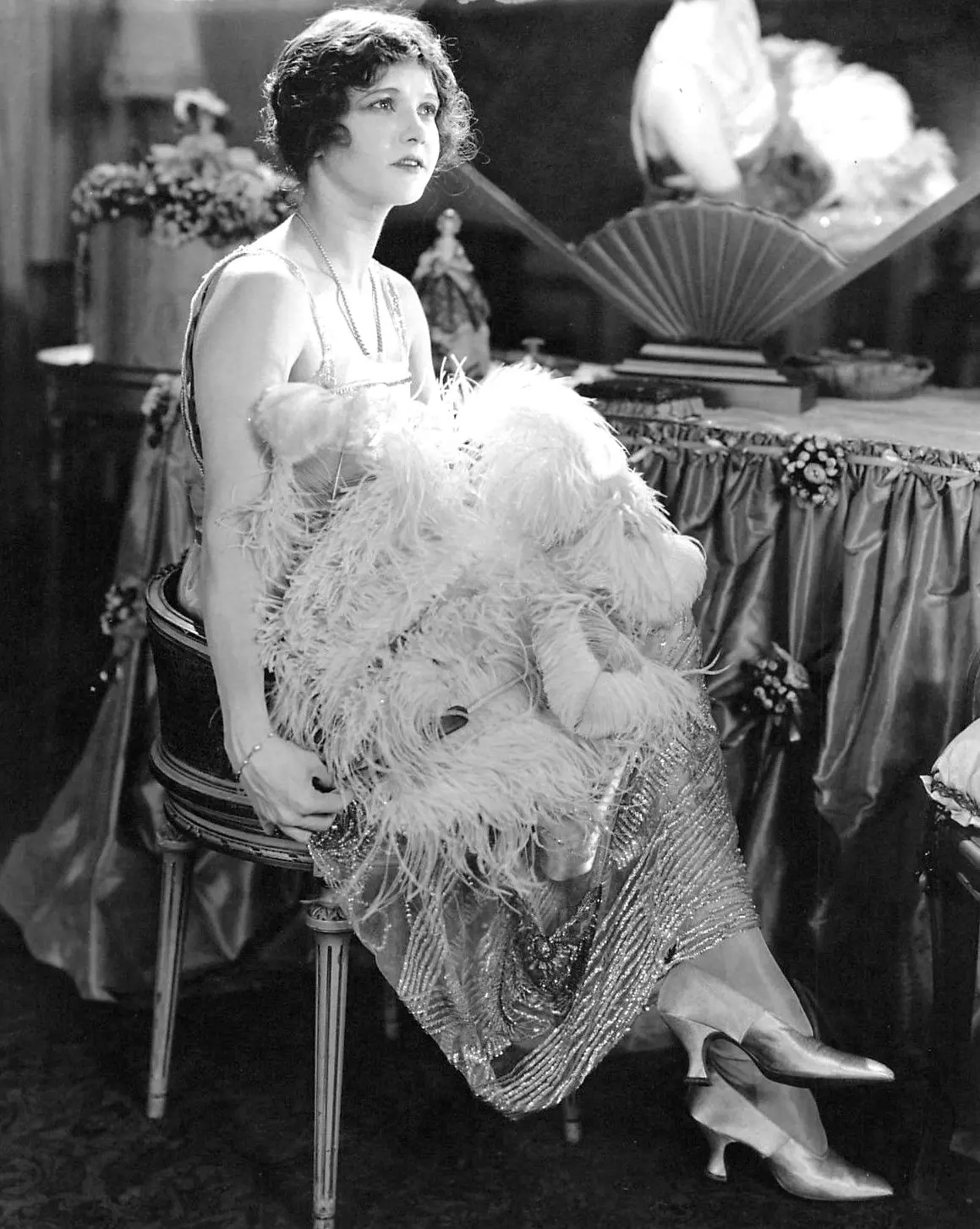
The early 20th century was a fertile ground for cinematic experimentation. Filmmakers, unburdened by established conventions, often explored narratives and visual styles that, viewed through a modern lens, contain the very DNA of what we now recognize as cult appeal. These weren't films deliberately crafted for a niche audience; rather, they were products of a nascent art form grappling with its own identity, often stumbling upon transgressive themes or unorthodox storytelling that would later define the cult canon.

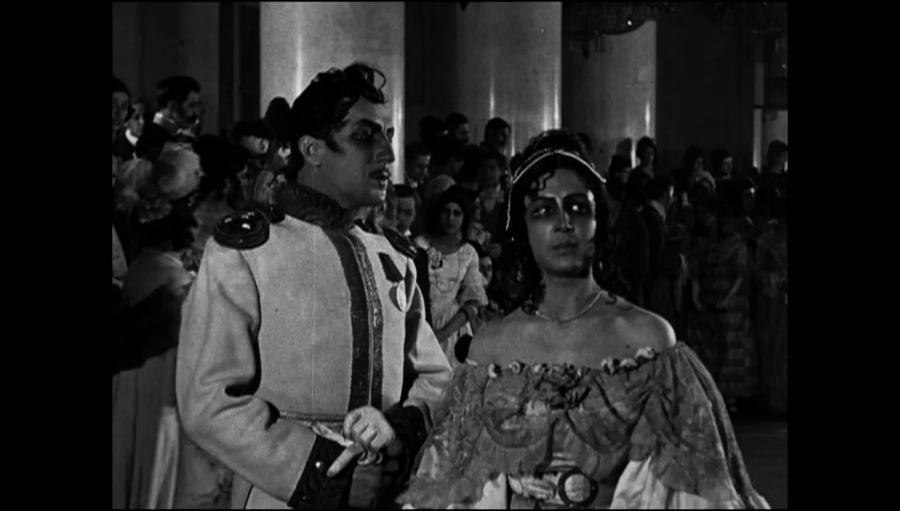
Consider the sheer variety of narratives that emerged from this period. Films like *Otets Sergiy*, with its intense exploration of piety, temptation, and psychological struggle, presented a depth of character and moral ambiguity that could easily captivate a devoted following. The protagonist's journey from disillusioned prince to ascetic monk, facing relentless spiritual and carnal tests, speaks to a profound human drama that transcends its era. Similarly, *The Stronger Vow*, a Spanish drama about a woman torn between marital fidelity and a blood oath of revenge, delves into complex ethical dilemmas. Such narratives, rich in internal conflict and dramatic tension, offer fertile ground for repeated viewings and passionate discussion, key characteristics of cult films.
Narrative Anarchy and Thematic Deviance
Many early films, though perhaps mainstream in their contemporary context, exhibited a certain narrative anarchy, a willingness to deviate from simple structures. Take a film hinted at by its synopsis: a French aristocrat falling for a Russian nightclub singer and getting entangled in an underground revolutionary movement (*Daughter of the Night*). This premise alone, blending forbidden romance with political intrigue and espionage, suggests a thrilling disregard for conventional social boundaries and a foray into the darker, more subversive corners of society. These elements – rebellion, forbidden love, and a challenge to the status quo – are hallmarks of many later cult films that thrive on societal critique and boundary-pushing.

Even seemingly lighter fare could possess an underlying strangeness. A millionaire betting he can earn his own living for six months (*The Amazing Quest of Mr. Ernest Bliss*) offers a social commentary on class and self-reliance, a theme that, when explored with sufficient eccentricity, can resonate with audiences looking for more than superficial entertainment. The unexpected twists and turns, the sheer audacity of the premise, can elevate a simple story into something memorable and discussable.

Visual Eccentricity and Genre Blending in the Silent Era
The silent era, in particular, fostered a unique visual language, unconstrained by dialogue. This often led to visual eccentricity and a heightened reliance on performance and mise-en-scène to convey emotion and plot. Films like *Zirkus des Lebens* (Circus of Life), despite its dramatic title, could have leveraged the inherent theatricality of the circus setting to create a visually striking and metaphorically rich environment. This emphasis on visual spectacle and atmosphere is a crucial component of many cult films, where distinctive aesthetics become as important as the narrative itself.
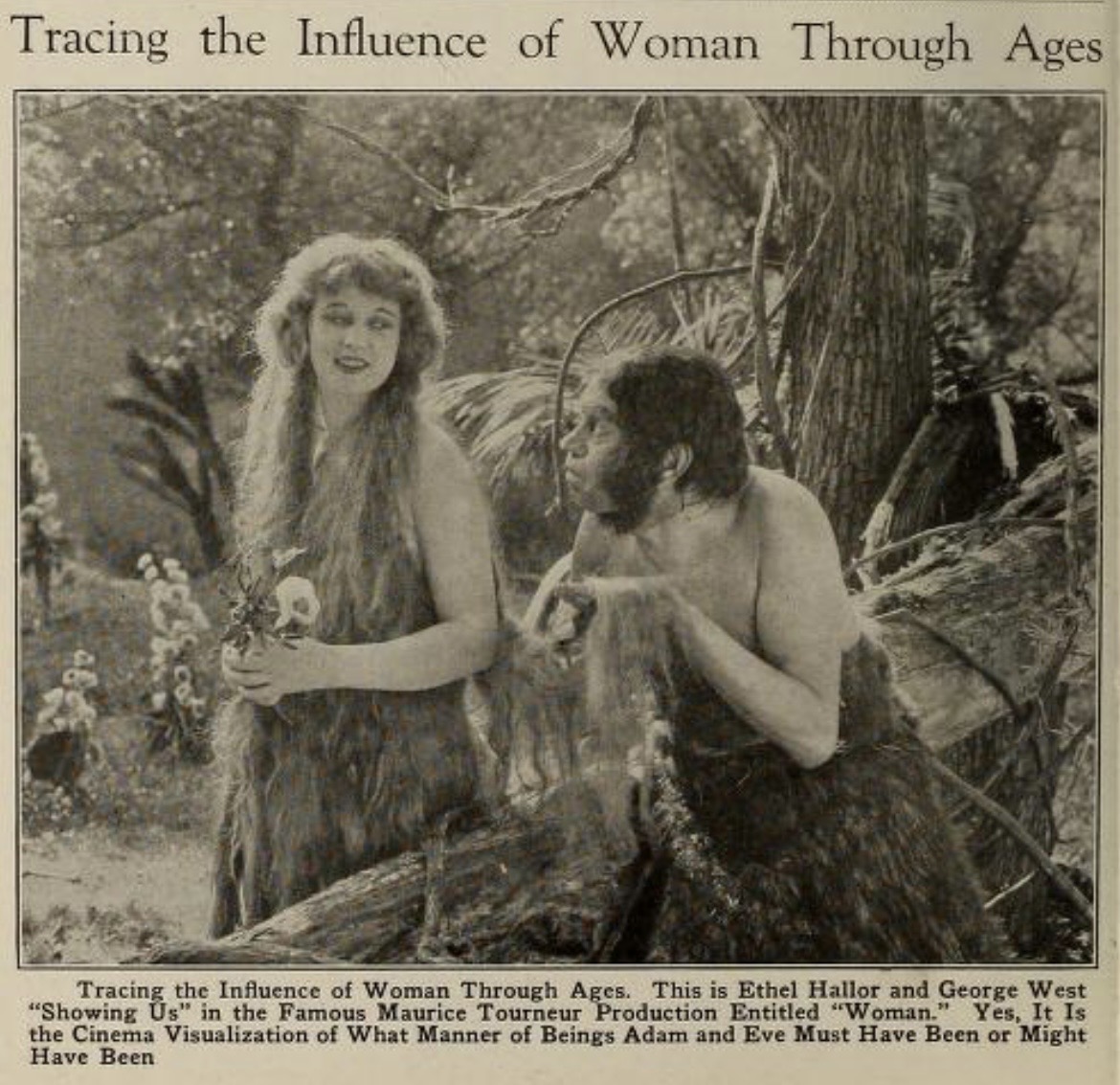
Furthermore, early filmmakers were often unconcerned with rigid genre definitions. A film like *A Wild Girl of the Sierras*, featuring a teenage girl living with grizzly bears in a cave, blends elements of adventure, drama, and perhaps even a touch of the fantastical or the bizarre. This genre blending, a characteristic often celebrated in cult cinema, allows for unexpected narrative turns and a unique viewing experience that defies easy categorization. It's the kind of premise that makes you lean in, intrigued by its sheer unconventionality.
The Appeal of the Outlier Protagonist
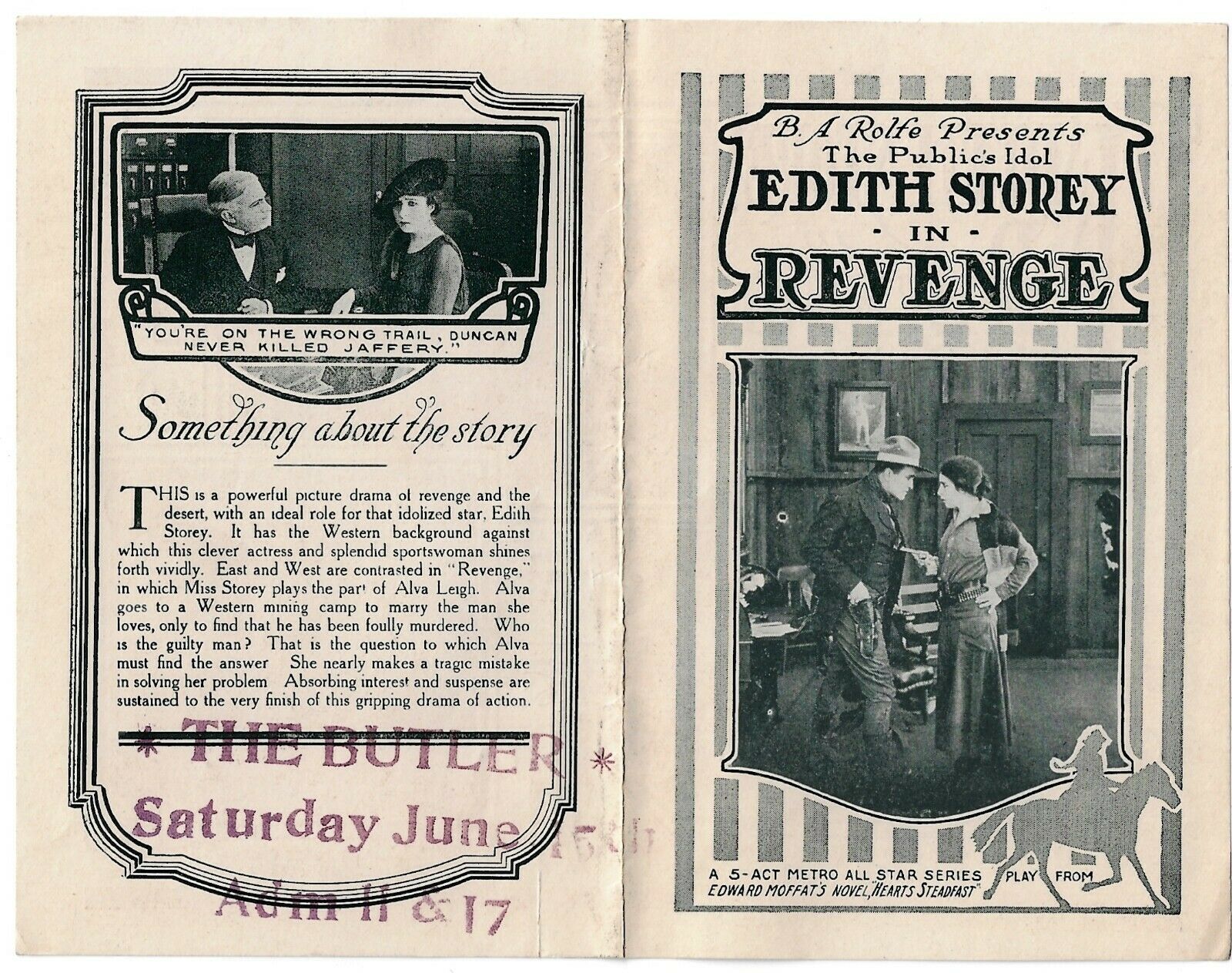
Many early narratives featured protagonists who were, in some way, outliers or rebels. The crippled blacksmith's son with spiritual insight and a talent for making toys in *The Kingdom Within* presents a character who defies societal expectations and finds strength in his unique qualities. This celebration of the marginalized, the misunderstood, or the uniquely gifted is a recurring motif in cult films. Audiences often gravitate towards characters who mirror their own feelings of being outside the mainstream, finding solace and understanding in their cinematic counterparts.

Even in a seemingly straightforward drama like *The Great Accident*, involving a prohibition candidate and his drunken son, the exploration of moral hypocrisy and societal facade can resonate deeply. When a film dares to expose the cracks in polite society or the flaws in its heroes, it taps into a universal human experience of disillusionment and a desire for authenticity, which often fuels devoted fandoms.
From Obscurity to Obsession: The Cult of Reappraisal
It's important to note that many of these early films were not, by any stretch, 'cult films' in their own time. They were often commercial ventures, dramas, comedies, or newsreels like *Kino-pravda no. 6* and *Vzyatie Zimnego dvortsa* (documenting Russian life and the storming of the Winter Palace, respectively), which served specific purposes. Yet, the seeds of cult were sown in their willingness to be different, to explore niche interests, or to simply be forgotten and later rediscovered.

The journey of a film from initial release to cult status is often one of reappraisal. Films that might have been misunderstood, critically panned, or simply overlooked upon their debut can find a second life through dedicated fans. This phenomenon is not new; even in the early days of cinema, certain films, perhaps due to their limited distribution or controversial content, would have circulated among smaller, more appreciative audiences. The concept of the 'midnight movie' circuit, which became prominent much later, has its conceptual roots in these earlier, informal networks of appreciation for the cinematic unusual.
The Power of the Unseen and the Rediscovered
The very obscurity of many early films, some of which are lost or rarely screened today, adds to their mystique. The idea of an 'unseen reel' or a 'forgotten gem' is inherently appealing to the cult enthusiast, who often prides themselves on discovering cinematic artifacts off the beaten path. This desire for unique and challenging content is a constant throughout film history. Whether it's the peculiar humor of a short like *Hubby's Mistake* or *The Cop*, or the dramatic intensity of *The Price of Pride*, exploring themes of infidelity and societal judgment, these films, regardless of their original intent, contribute to the vast tapestry of cinema that provides fertile ground for future cult appreciation.
The act of watching and re-watching films like *Peggy*, where an American girl's rambunctious ways shock and delight a Scottish village, reveals a subtle cultural commentary and a charming defiance of tradition. These character-driven narratives, when imbued with a distinct personality or a refreshing perspective, can build an enduring connection with viewers who value individuality and authenticity.
The Modern Cult Echo: Themes and Trajectories
While the early films rarely possessed the overt shock value or deliberate counter-culture messaging of later cult classics like *Pink Flamingos* or *Eraserhead*, they laid the groundwork. They accustomed audiences to the idea that cinema could be more than just popular entertainment; it could be a vehicle for challenging ideas, exploring the fringes of human experience, and presenting realities that diverged from the mainstream.
The thematic threads we see in early works – the examination of power dynamics in *Theodora* (a courtesan becoming Empress), the struggle for justice in *The Hillcrest Mystery*, or the moral ambiguity of a character like the villainous lawyer in *Zirkus des Lebens* – are continuously reinterpreted and amplified in subsequent cult films. These films, whether intentionally or not, demonstrated cinema's capacity for subversive storytelling and its ability to reflect society's shadows and unspoken desires.
From Genre Experiments to Cultural Touchstones
Early genre experiments, even in short formats like the Western *Border Watch Dogs* or the action-drama *Get Your Man*, contributed to the evolving language of cinema. As these genres matured, certain films would push their boundaries, leading to the creation of genre-bending masterpieces that often become cult favorites. The relentless pursuit of a goal, the moral compromises, the spectacular action – these are all ingredients that, when mixed with a unique directorial vision, can create an unforgettable cinematic experience that audiences return to again and again.
The sense of urgency and intrigue in a film like *Counterfeit*, where a woman infiltrates a counterfeiting ring to save her family's fortune, taps into a primal fascination with crime, deception, and heroism. Such narratives, when executed with flair and a distinctive style, can become cultural touchstones for specific groups of fans who appreciate their particular brand of excitement or their unique take on familiar tropes.
The Enduring Allure of the Maverick Vision
Ultimately, the enduring allure of cult cinema lies in its ability to connect with audiences on a deeply personal level. These films often speak to the outsider, the non-conformist, or anyone who feels alienated by mainstream culture. They offer a sense of belonging, a shared secret, and a platform for communal celebration. This communal aspect, though perhaps not explicitly evident in the individual viewing experiences of the early 20th century, was foreshadowed by the very existence of films that dared to be different.
From the dramatic intensity of *På livets ödesvägar* (star-crossed lovers defying class barriers) to the political satire potentially found in *Petticoats and Politics* (women running for office in a lawless town), these early cinematic endeavors explored themes that continue to resonate: love, loss, ambition, rebellion, and the search for identity. They demonstrated that cinema could be a powerful medium for exploring the human condition in all its messy, glorious, and often strange forms.
The 'midnight movie' circuit of the 1970s and beyond may have popularized the term 'cult film,' but the spirit of cinematic rebellion, the desire for unconventional narratives, and the appreciation for maverick visions were present from the very beginning. By looking back at the depths of early film history, we gain a richer understanding of how these unseen currents flowed, eventually converging to create the vibrant, diverse, and utterly captivating world of cult cinema we cherish today. It's a testament to the power of film to transcend its initial reception and find its rightful place in the hearts of devoted fans, forever celebrating the unique, the strange, and the profoundly human.
Community
Comments
Log in to comment.
Loading comments…