
Cult Cinema
The Uncharted Reels: How Obscurity Forges Immortal Fandom in Cult Cinema

“Cult cinema thrives in the shadows, transforming overlooked or unconventional films into enduring cultural touchstones. This article explores the unique alchemy that elevates certain movies beyond mainstream success, fostering fervent communities and cementing their place in cinematic history.”
In the vast, ever-expanding universe of film, where blockbusters dominate the marquee and critical darlings bask in awards season glory, a different kind of cinematic entity thrives: the cult film. These are not merely movies; they are phenomena, forging unbreakable bonds with audiences, defying conventional success metrics, and carving out an immortal legacy in the hearts of devoted fans. Cult cinema is a testament to the power of the unconventional, the allure of the transgressive, and the profound human need to belong to something unique, something that truly resonates beyond the superficial.
What transforms a film from a mere production into a cult object? It's an alchemy of elements: a distinctive vision, a challenging narrative, a rebellious spirit, or simply a peculiar charm that bypasses mass appeal to strike a deep chord with a niche audience. These films often emerge from the fringes, initially overlooked, misunderstood, or even reviled by mainstream critics and audiences. Yet, through word-of-mouth, midnight screenings, and the passionate advocacy of their burgeoning fanbases, they ascend to an iconic status, becoming touchstones for generations of cinephiles.

The journey of a cult film is rarely linear. It's a winding path marked by rediscovery, re-evaluation, and an almost ritualistic engagement from its devotees. This isn't a new phenomenon; even in the nascent days of cinema, films that dared to be different, to push boundaries, or simply to tell stories in an idiosyncratic way, began to gather their own unique followings. The very essence of cult cinema lies in its ability to foster an intimate, almost conspiratorial relationship between the film and its audience, transforming passive viewers into active participants in its ongoing narrative.
Beyond the Mainstream: The Genesis of Niche Appeal
The bedrock of cult cinema is often laid by films that resolutely refuse to conform. They are the cinematic anomalies, the narratives that zig where others zag, offering perspectives and experiences that the mainstream shies away from. These films don't seek universal approval; instead, they embrace their distinctiveness, which paradoxically becomes their greatest strength in attracting a dedicated following.
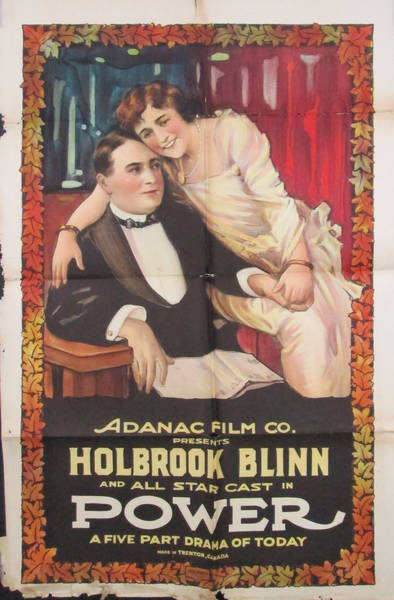
Consider the early stirrings of this trend, even in the silent era. Films like The Donkey Did It, with its whimsical premise of a professor and his donkey arriving in a valley of wickedness, or Robinson Crusoe Ltd., featuring a shipwreck, savages, and an ostrich that lays explosive eggs, hint at an early inclination towards the absurd and the fantastical. These narratives, far removed from the prevalent melodramas and social commentaries of their time, offered a peculiar escapism. Similarly, an unofficial silent adaptation of H. G. Wells' work, The Island of the Lost, ventures into horror and science fiction with a premise that was likely unsettling and unconventional for its contemporary audience, paving the way for genre-defying cinema that would later become a hallmark of cult status.
These early cinematic curiosities, by their very nature, sought a different kind of engagement. They weren't always polished or critically acclaimed, but they possessed an undeniable originality. They were the cinematic equivalent of a strange, captivating story told around a campfire, not necessarily aiming for widespread distribution but for a deep, memorable impact on those who encountered it.

The Power of the Peculiar Plot
A peculiar plot is often the first hook for a cult film. It's the story that sticks with you, not because it's universally relatable, but because it's uniquely strange, thought-provoking, or delightfully bizarre. Films that experiment with narrative structure, delve into niche subjects, or present characters in unconventional situations tend to cultivate a more intense, albeit smaller, audience.
From the provided context, we can infer films that might have possessed this unique storytelling DNA. The Amazing Quest of Mr. Ernest Bliss, for example, about a millionaire who bets he can earn his own living for six months, presents a social experiment wrapped in a comedic premise. It challenges notions of wealth, class, and self-reliance in a way that could spark debate and fascination. Likewise, He Fell in Love with His Wife, chronicling a widowed farmer's unconventional marriage to a woman fleeing her past, suggests a narrative that subverts traditional romantic tropes, offering a more complex and perhaps darkly humorous take on relationships.

These are the stories that make you lean forward, that invite speculation and discussion long after the credits roll. They are not always easy to digest, but their distinctiveness ensures their memorability. The charm of the unexpected, the thrill of encountering a story unlike any other, is a powerful magnet for those seeking cinematic experiences off the beaten path.
Subversive Echoes: Challenging Norms and Morals
Many cult films gain their fervent following by daring to challenge societal norms, morality, and convention. They often explore themes that are taboo, uncomfortable, or simply too complex for mainstream sensibilities. This transgressive spirit allows them to resonate deeply with audiences who feel alienated by or critical of prevailing societal structures, offering a mirror to their own unspoken thoughts or providing a cathartic outlet for rebellion.
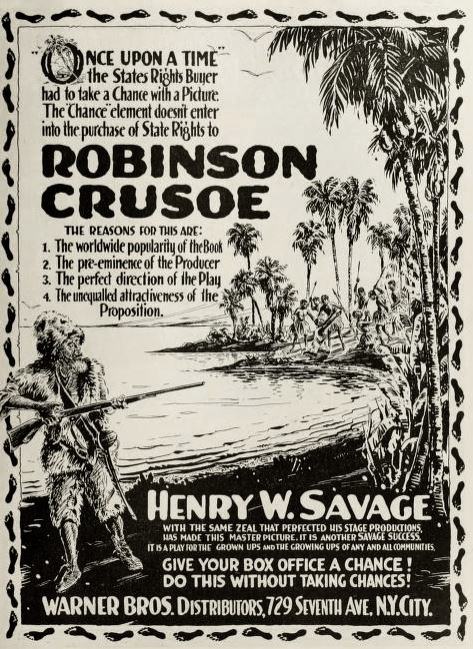
Even in early cinema, we see narratives that grappled with difficult truths and moral ambiguities. Madame X, a melodrama about a woman cast out by a jealous husband who descends into degradation and later kills to protect her unwitting son, delves into themes of sacrifice, social judgment, and the tragic consequences of societal rigidity. Such a narrative, with its intense emotional stakes and morally complex protagonist, would undoubtedly have provoked strong reactions and enduring discussions.
Similarly, Civilization's Child, depicting an idyllic life shattered by a massacre and an immigrant's struggle in a new world, directly confronts social injustice and trauma. And John Barleycorn, a tale following a boy's relationship with alcohol, likely explored the insidious grip of addiction and its moral implications. These films, by tackling sensitive issues head-on, invited a deeper, more personal interpretation from viewers, fostering a sense of shared understanding among those who connected with their challenging messages.

Rebels and Renegades: Characters Who Defy
The heart of many cult narratives beats with the lives of rebels, outcasts, and anti-heroes. These are characters who, for better or worse, defy expectations, challenge authority, or simply exist outside the conventional bounds of society. Audiences are often drawn to these figures, finding in their struggles and triumphs a reflection of their own desires for autonomy or their criticisms of the status quo.
Tempest Cody Bucks the Trust, for instance, features a protagonist who aligns herself with forces fighting food profiteers, embodying a spirit of social justice and rebellion against corporate greed. This kind of character, actively fighting against perceived injustice, would resonate with those who feel disenfranchised or yearn for change. Then there's The Siren, a character known for being unfaithful and working in a dance hall in a Western town. Her narrative likely explores themes of female agency, moral ambiguity, and societal judgment, presenting a complex figure who defies easy categorization and challenges the patriarchal norms of her time.

These characters, whether morally upright crusaders or flawed, unconventional individuals, offer an alternative to the idealized heroes of mainstream cinema. They invite empathy, debate, and a sense of shared outsider status among their admirers, becoming symbols of defiance and individuality that transcend the screen.
The Aesthetic & Experiential Cult: Style, Mood, and Atmosphere
Beyond plot and character, cult films often distinguish themselves through their unique aesthetic, distinctive mood, or unforgettable atmosphere. Filmmakers who dare to experiment with visual styles, employ unconventional editing, or craft a particular tonal experience can create works that are instantly recognizable and deeply immersive. This experiential quality is crucial; it’s what makes a film not just watched, but felt, absorbed, and revisited.

Even in early cinema, the power of visual storytelling and atmospheric tension was evident. Films like The Screaming Shadow and The Great London Mystery, with their titles alone, conjure images of suspense, intrigue, and perhaps a touch of the macabre. These early mystery and crime films, often incorporating elements of horror or the supernatural, created distinct moods that captivated audiences seeking thrills and puzzles. The visual language of silent cinema, relying heavily on expressionistic lighting, dramatic gestures, and innovative camera work, could craft worlds that felt both alien and intensely real, laying a foundation for later cult aesthetics.
Moreover, the individual talents of performers and directors can imbue a film with an inimitable spirit. The physical comedy of Stan Laurel in Hustling for Health, or the surreal slapstick suggested by High Life (where a character is seemingly carried into the clouds while searching for a hat), showcases how a unique comedic style can become a signature. These distinctive approaches, whether in dramatic intensity or comedic timing, contribute significantly to a film’s cult appeal, making it a singular experience that stands apart from its contemporaries.

Genre Alchemy: Blending the Unexpected
One of the most captivating aspects of cult cinema is its audacious disregard for strict genre boundaries. These films often blend elements from disparate genres, creating a hybrid that feels fresh, unpredictable, and uniquely its own. This genre alchemy challenges audience expectations, forcing them to engage with the narrative on new terms and fostering a deeper appreciation for its creative daring.
Consider films that hinted at this early on. A Lion Special, while likely a comedy set on a farm, involves romantic entanglements between daughters and hired help, suggesting a blend of pastoral comedy with romantic drama. Roman Candles, set in a post-revolution South America, combines romance, drama, and comedy, using a tumultuous backdrop to explore human relationships. Even a film like One Touch of Nature, which centers on a hot rookie baseball pitcher facing personal problems, weaves together sports drama with family issues and romance, creating a multi-layered narrative that defies simple categorization.

This freedom from conventional genre constraints allows filmmakers to explore themes and characters with greater depth and nuance. It results in films that are harder to market to a broad audience but immensely rewarding for those who appreciate cinematic innovation and a willingness to subvert traditional storytelling formulas. These genre-bending creations become fertile ground for cult followings, as their unique composition offers endless avenues for interpretation and discussion.
The Ritual of Re-discovery: Fandom, Community, and Legacy
Perhaps the most defining characteristic of cult cinema is not its initial reception, but its enduring afterlife. Many cult classics were box office failures or critically dismissed upon release, only to be resurrected and championed by passionate fans years, or even decades, later. This process of re-discovery and re-evaluation is central to their cult status, transforming them from forgotten relics into cherished icons.
The context of early films, such as A Vermont Romance, an independent film from a nascent industry, or The Old Oaken Bucket, a drama about a Wall Street financier yearning for childhood, demonstrates how films that might have been niche or simply not widely distributed in their time could, over the years, find an audience that connects deeply with their themes or their unique historical position. These films become subjects of archaeological fascination for cinephiles, who unearth them and imbue them with new meaning.
The cult experience is inherently communal. It thrives on shared viewings, whether at midnight screenings, film festivals, or within online communities. Fans engage in rituals: quoting lines, dressing up as characters, dissecting every frame, and debating interpretations. This active participation transforms the act of watching into a powerful, collective experience, forging bonds among strangers united by their shared adoration for an unconventional piece of cinema.
From Obscurity to Icon: The Enduring Echo
The legacy of a cult film is not measured in box office receipts but in its cultural impact and its ability to transcend its original context. These films become more than just entertainment; they become cultural events, rites of passage, and symbols for various subcultures. Their themes, characters, and aesthetics seep into the broader cultural consciousness, influencing subsequent generations of filmmakers, artists, and fans.
Films like The Blue Pearl, a mystery involving a stolen jewel and complex relationships, or Matrimonial Web, which weaves together opium smuggling with a detective's daughter, might have been seen as thrilling genre pieces. Over time, their specific blend of intrigue, character dynamics, and period detail could elevate them to cult status, celebrated for their unique take on crime and suspense. Similarly, comedies such as Chick-Chick or He Got His, with their distinct comedic sensibilities, could be rediscovered and appreciated for their historical context and particular brand of humor.
The enduring echo of these films is a testament to their inherent power to connect. They prove that artistic merit and lasting relevance are not always determined by immediate popularity but by the ability to resonate deeply with an audience that recognizes and cherishes their singular vision. This sustained engagement ensures their place in cinematic history, not as mainstream blockbusters, but as beloved, influential, and often revolutionary works.
The world of cult cinema is a vibrant, ever-evolving landscape, a testament to the boundless creativity of filmmakers and the diverse tastes of audiences. It is a space where the unconventional is celebrated, the transgressive is embraced, and the peculiar finds its most ardent admirers. From the silent era's early oddities to modern-day underground masterpieces, cult films remind us that the true power of cinema lies not just in its ability to entertain, but in its capacity to challenge, provoke, and forge lasting communities around shared passions.
These uncharted reels, once relegated to the margins, now stand as immortal monuments to artistic courage and the enduring human desire for stories that dare to be different. They are a powerful reminder that sometimes, the most profound cinematic experiences are found not in the glaring light of the mainstream, but in the captivating shadows of the cult underground.
Community
Comments
Log in to comment.
Loading comments…