
Cult Cinema Deep Dive
The Unconventional Creed: Decoding Cult Cinema's Enduring Allure and Rebel Fandoms

“Cult cinema transcends mainstream appeal, forging deep connections with dedicated audiences through its audacious narratives and rebellious spirit. This article explores the enduring power of these unconventional films, celebrating their unique journey from obscurity to beloved status.”
In the vast, ever-evolving landscape of cinema, there exists a curious, often misunderstood corner: cult cinema. These aren't the blockbusters designed to rake in billions or the prestige pictures vying for critical acclaim. Instead, cult films are the cinematic outsiders, the rebels, the anomalies that defy easy categorization and, in doing so, carve out a unique, fiercely loyal following. They are films initially rejected, misunderstood, or simply overlooked by the mainstream, only to be resurrected and revered by a devoted few. This phenomenon, far from being a modern invention, has roots stretching back to the very genesis of filmmaking, nurtured by a primal human desire for the unconventional and the shared secret.
The Genesis of the Unconventional: Echoes from Cinema's Dawn
To truly understand the enduring allure of cult cinema, one must look beyond the familiar midnight screenings of the 1970s and 80s and delve into the formative years of the medium. The silent era, with its raw experimentation and unfiltered narratives, laid the groundwork for the transgressive spirit that defines cult films. These early motion pictures, often produced outside the nascent studio system, explored themes and presented visions that, while perhaps not 'cult' in the modern sense, certainly pushed boundaries and resonated with niche audiences.

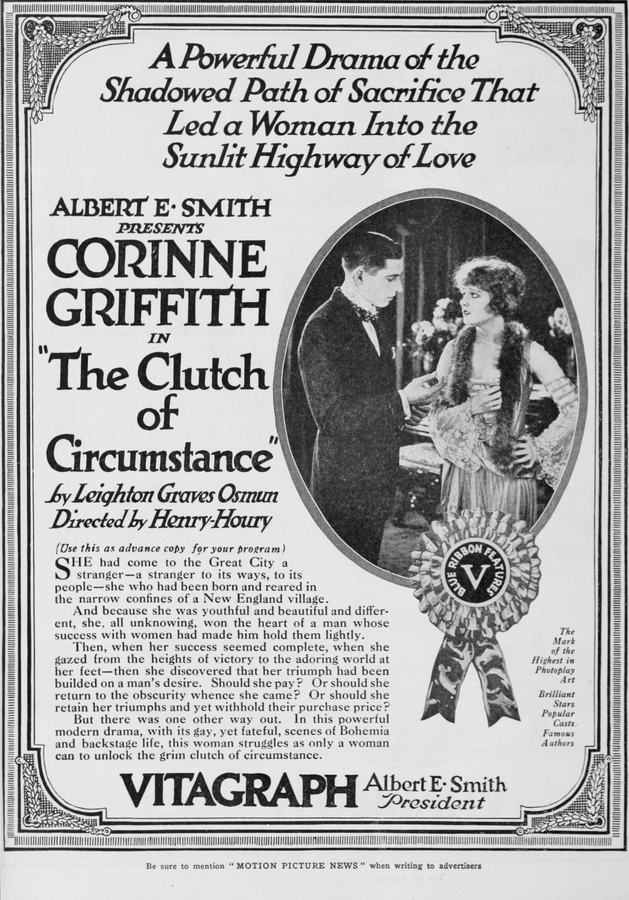
Consider the melodramas and social dramas of the early 20th century. Films like Tears and Smiles, depicting a child fleeing a drunken father, or The Clutch of Circumstance, which portrays a wife's struggle in a sweatshop, tackled harsh realities with a directness that could be unsettling for contemporary audiences. Similarly, Bought and Paid For explored the transactional nature of marriage and the abuses within it. These were not escapist fantasies; they were often stark reflections of societal ills, challenging viewers to confront uncomfortable truths. While perhaps not intended for 'cult' status, their willingness to delve into difficult subjects foreshadowed the transgressive narratives that would later become a hallmark of cult cinema.
The early exploration of historical figures and dramatic events also contributed to this proto-cult sensibility. Rasputin, the Black Monk, for instance, delved into the controversial life of a figure synonymous with intrigue and moral ambiguity. Such narratives, even if presented through the lens of historical drama, touched upon themes of power, corruption, and the darker aspects of human nature, subjects that resonate deeply with cult audiences seeking stories beyond simplistic morality tales. The sheer variety of early cinema, from the social commentary of Hungry Hearts, detailing the struggles of immigrants, to the adventurous spirit of Frank Gardiner, the King of the Road, about a real-life bushranger, demonstrates a fertile ground for diverse storytelling that often explored the fringes of polite society.

Even the structure and presentation of films could be seen as unconventional. The newsreel format of Kino-pravda no. 8, with its raw, documentary style, broke from traditional narrative filmmaking. This kind of formal experimentation, even in its earliest forms, paved the way for the aesthetic daring often celebrated in later cult films. The very obscurity of many of these early works, such as A Neighbor's Keyhole or The Moth and the Flame, also mirrors the journey of many cult films: initially forgotten, only to be rediscovered and re-evaluated by dedicated cinephiles.
The Maverick's Manifesto: Defining Cult Cinema's Core
What, then, truly defines a cult film? It's more than just being unpopular or strange. It's about a profound, often irrational, connection between a film and its audience. Cult films often possess a unique aesthetic, a singular vision that stands apart from the prevailing trends. They might be genre-benders, defy narrative conventions, or tackle taboo subjects with unapologetic zeal. They challenge, provoke, and sometimes even offend, but they are never bland.

The thematic core of cult cinema often revolves around rebellion, subversion, and a fascination with the outsider. Films like Nobody, a mystery drama pointing suspicion at a butler, or Historien om en gut, about a falsely accused runaway, touch upon themes of injustice and individuals pushed to the margins. While not necessarily transgressive by today's standards, these early narratives highlighted characters and situations that challenged conventional morality or societal expectations, resonating with those who felt similarly alienated.
A key aspect is their ability to generate strong, often polarized, reactions. A film might be critically panned upon release but find a fervent following years later. This delayed appreciation is crucial. The journey from obscurity to icon status is often paved with word-of-mouth, dedicated fan communities, and the unique ritual of repeat viewings. It's a testament to the idea that some art isn't meant for everyone; it's meant for its people.

Beyond the Mainstream: The Allure of the Forbidden and Forgotten
Cult films thrive in the shadows of the mainstream. They offer an alternative, a counter-narrative to the polished, predictable fare served up by Hollywood. This appeal to the 'other' is powerful. It’s the thrill of discovering a hidden gem, a film that speaks directly to a specific sensibility, often one that feels underserved by popular culture. The early days of cinema, with its less formalized distribution and exhibition, inherently had a 'fringe' element. Many films were regional, independently produced, or simply fell through the cracks of historical preservation, much like the initial fate of many later cult classics.
The transgressive element is also central. Whether it's the exploration of sexuality, violence, or societal norms, cult films often dare to go where mainstream cinema fears to tread. While the early films listed, such as A Sister to Salome with its ether-induced visions of ancient Rome, or The Naked Truth focusing on an artist's controversial portrait, might have been considered scandalous in their time, they laid some groundwork for challenging visual and narrative content. They hinted at a desire to explore the human condition in its rawest, most provocative forms.

From Obscurity to Icon: The Audience as Alchemist
The transformation of an overlooked film into a revered cult classic is a fascinating alchemy, largely driven by its audience. Unlike mainstream successes, which are often dictated by marketing budgets and critical consensus, cult films are consecrated by the collective passion of their devotees. These audiences don't just watch; they participate, interpret, and evangelize.
The concept of the 'midnight movie' played a pivotal role in solidifying the cult film phenomenon. During the 1970s, films like Eraserhead or The Rocky Horror Picture Show found their true home in late-night screenings, where audiences could engage with the material in a more interactive, often communal, way. This ritualistic viewing fostered a sense of belonging and shared understanding, turning screenings into events rather than passive consumption.
This communal aspect echoes the early days of cinema, where film-going itself was a novel, shared experience. Imagine audiences in the early 1900s gathering to watch Uncle Tom's Cabin (1918), a poignant adaptation of a powerful novel, or the spectacle of Parsifal, a grand historical epic. While lacking the interactive elements of later cult screenings, the shared emotional and intellectual engagement with these films was a foundational communal experience that paved the way for later, more specialized fan cultures.
The Maverick Auteurs and Their Uncompromising Visions
Behind many cult films are directors with singular, often uncompromising, artistic visions. These auteurs prioritize their unique perspective over commercial viability, resulting in films that are distinctive, challenging, and often ahead of their time. Sometimes, a director's entire filmography might be considered 'cult,' a testament to their consistent commitment to the unconventional.

Even in the silent era, there were filmmakers pushing boundaries. While we don't have extensive records of directorial intent for many of the listed films, the very existence of diverse genres—from the Western romance of Colorado (1921) to the social commentary of The World to Live In—shows a willingness to explore different narrative forms. Films like Die Frau ohne Seele or Die Schuldige, even by their titles, suggest a dramatic intensity and exploration of character that would appeal to those seeking deeper, more complex narratives.
The enduring appeal of these maverick visions lies in their authenticity. They don't pander to focus groups or market trends. They are expressions of individual artistic will, and it is this raw honesty that often resonates most deeply with cult audiences, who value artistic integrity above all else.

The Unseen Ritual: Fandom, Community, and Shared Obsessions
More than just a collection of films, cult cinema represents a vibrant subculture built on shared obsessions, inside jokes, and a sense of collective identity. Fans of cult films often form tight-knit communities, both online and offline, where they can discuss theories, share fan art, and celebrate their beloved, often misunderstood, cinematic treasures.
This community aspect is crucial. It transforms a solitary viewing experience into a shared ritual. For many, finding a cult film is like discovering a secret language, and finding fellow enthusiasts is like finding a tribe. This mirrors the universal human desire for belonging, for shared experiences that transcend the mundane. The early film-going experience itself, especially in a time when cinema was a new marvel, fostered a collective sense of wonder and shared narrative, a precursor to the specialized communities that would later form around cult films.

The longevity of cult films is also tied to their rewatchability. These are not films you simply watch once and forget. Their layers of meaning, their unique aesthetics, and their often complex narratives invite repeat viewings. Each rewatch can reveal new details, deeper interpretations, and a renewed appreciation for the filmmaker's craft. The open-endedness or ambiguity of many cult narratives encourages this kind of active engagement, turning viewers into amateur critics and theorists.
The Enduring Echo: Why Cult Cinema Continues to Thrive
In an era dominated by streaming algorithms and data-driven content creation, the phenomenon of cult cinema remains as vital as ever. Perhaps even more so. In a world striving for homogenization, cult films offer a sanctuary for the weird, the wonderful, and the truly unique. They remind us that art doesn't always have to be universally palatable to be profoundly impactful.

The accessibility of digital platforms has also given new life to many forgotten films, echoing the rediscovery of films like The Lotus Woman or A Maori Maid's Love from the silent era. What was once obscure due to limited distribution can now be streamed by anyone with an internet connection, opening up new avenues for films to find their dedicated audiences. This democratization of access allows for a continuous re-evaluation of cinematic history, ensuring that no film, no matter how niche or initially unsuccessful, is truly lost to time.
Ultimately, cult cinema is a testament to the power of artistic expression that prioritizes vision over commercial appeal. It celebrates the unconventional, challenges the status quo, and fosters a deep, personal connection with its audience. From the raw, experimental narratives of early cinema to the transgressive masterpieces of the modern era, the spirit of the cult film has always been about pushing boundaries and finding beauty in the unconventional. It’s a creed whispered by the fringes, passed down by devotees, and continually renewed by new generations seeking something more, something different, something truly their own.
As long as there are filmmakers willing to defy convention and audiences hungry for stories that challenge and provoke, the cult of cinema will continue to thrive, a vibrant, rebellious heartbeat at the very soul of film culture. It's a reminder that the most profound cinematic experiences often lie just beyond the marquee's glare, waiting to be discovered by those brave enough to look.
Community
Comments
Log in to comment.
Loading comments…