
Cult Cinema
The Unconventional Reel: Tracing Cult Cinema's Enduring Rebellion from Silent Mavericks to Modern Mythos

“Dive into the enigmatic world of cult cinema, exploring its historical roots in early film and how these subversive, often forgotten, works continue to captivate dedicated audiences and challenge mainstream narratives.”
Cult cinema. The very phrase conjures images of midnight screenings, fervent fans, and narratives that dance on the fringes of societal norms. It's a realm where films, often overlooked or misunderstood upon their initial release, find a second life, transforming into beloved artifacts for a passionate, dedicated following. But this phenomenon isn't a modern invention, born from the VHS boom or the digital age. Its roots run deep, burrowing into the very foundations of cinema itself, back to the silent era where the first maverick filmmakers and transgressive narratives laid the groundwork for what we now celebrate as the cult classic.
The Genesis of Obsession: Early Cinema's Maverick Spirit
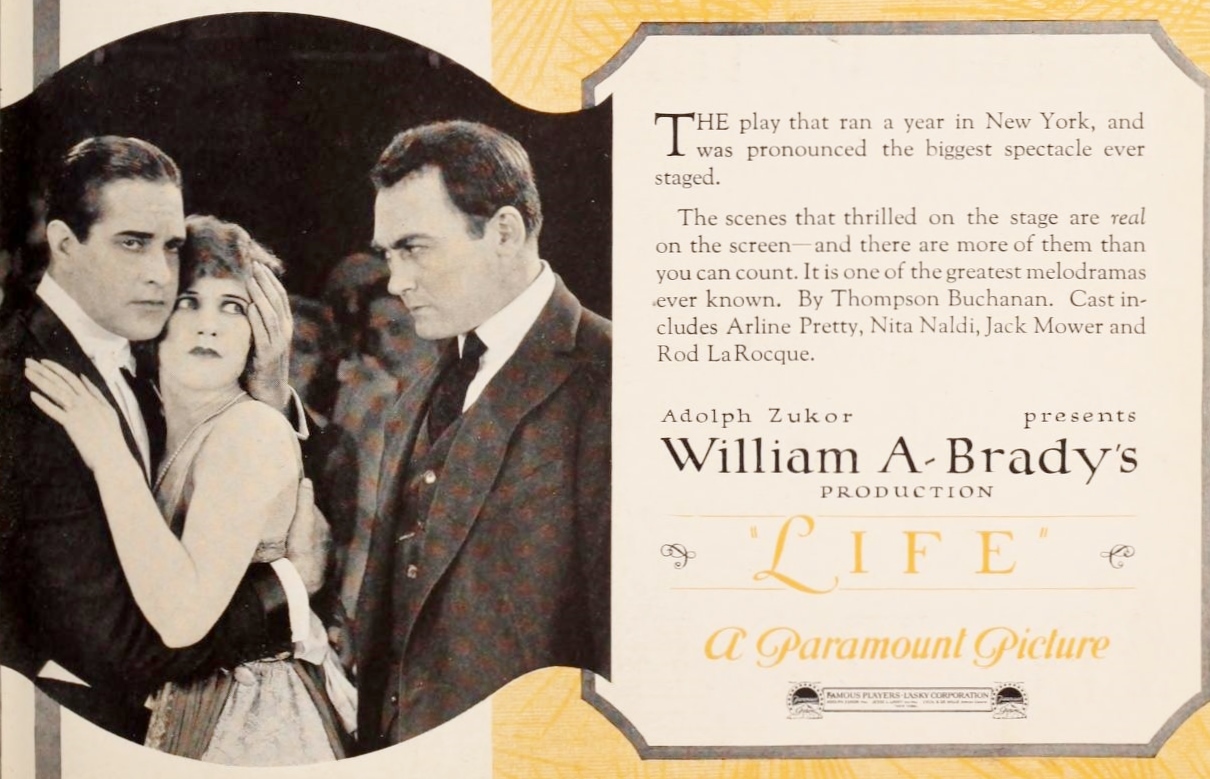
Before 'midnight movies' became a recognized subgenre, there existed a nascent cinematic landscape brimming with experimental storytelling, moral ambiguities, and genre-defying spectacles. These early films, often constrained by nascent technology and evolving societal expectations, nevertheless contained the seeds of subversion that would later define cult cinema. They were the anomalies, the oddities that, intentionally or not, challenged the burgeoning conventions of the silver screen.

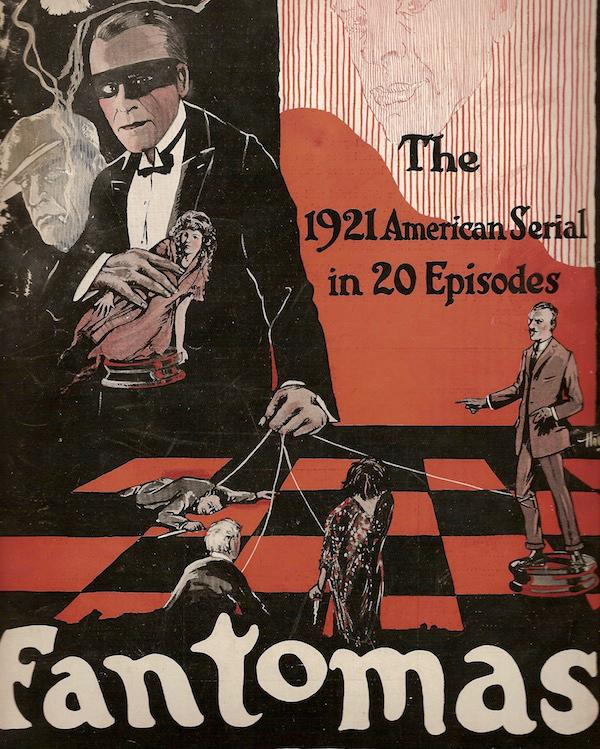
Consider the silent-era mysteries and thrillers, for instance. Long before sophisticated special effects, films like The Mysteries of Myra captivated audiences with its occult themes and serialized format, pushing the boundaries of what a narrative could be. This serial, with its protagonist plagued by a secret organization using magic and curses, was an early example of a story that tapped into an esoteric fascination, much like modern cult films often do. Similarly, the master criminal narratives, exemplified by films such as Fantomas - On the Stroke of Nine, presented anti-heroes and morally complex figures, inviting a certain fascination with the forbidden and the anarchic. These were not mere popcorn entertainment; they hinted at a deeper, often darker, human psyche.

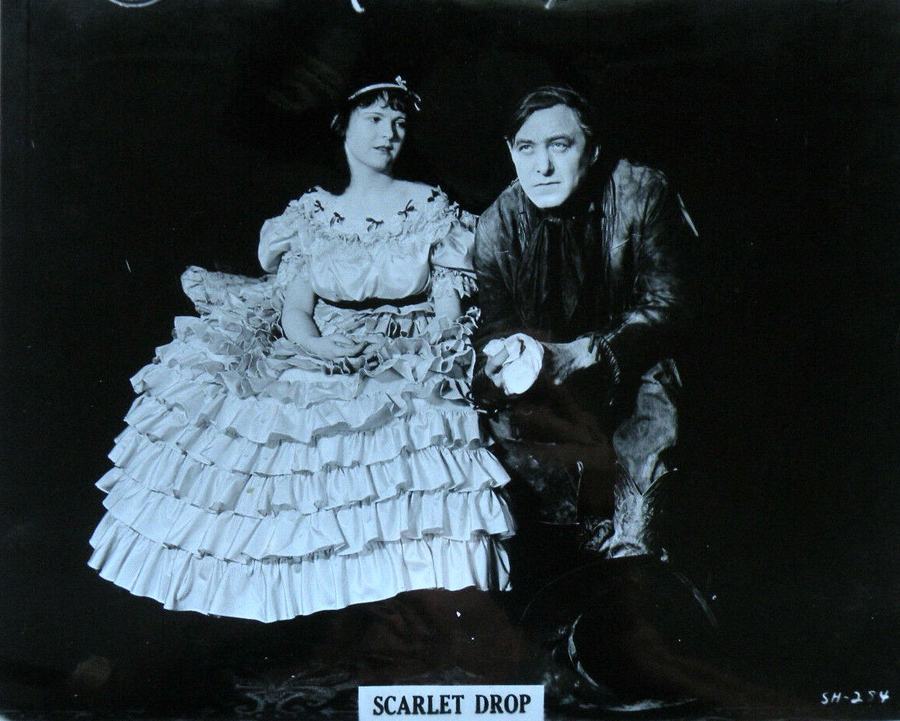
Early dramas, too, often explored themes that, while perhaps mainstream for their time, contained a raw intensity or an unconventional perspective that would resonate with future cult audiences. Films like The Scarlet Drop, depicting a man turned fugitive after the Civil War, or The Edge of the Law, featuring a female pupil in a school for crooks, showcased characters living outside societal norms. This fascination with the outlaw, the rebel, and the morally ambiguous protagonist is a consistent thread woven through the fabric of cult cinema, from its earliest forms to its contemporary manifestations.
Beyond the Marquee: When Films Find Their Own Audience
Many films that eventually achieve cult status were not commercial successes or critical darlings upon their initial release. Their journey from obscurity to adoration is often a testament to their unconventional appeal. This pattern is visible even in the early days of cinema, where films, perhaps too niche or too challenging for broad appeal, found an appreciative, albeit smaller, audience.

Take, for instance, the intense character studies or melodramas that delved into human obsession or social defiance. Halkas Gelöbnis, with its narrative of a count returning to claim his foster sister, or A Splendid Hazard, about a man obsessed with restoring Napoleon's monarchy, explored deeply personal and often transgressive desires. These narratives, driven by powerful, sometimes unsettling, motivations, offered a counterpoint to more conventional fare. Even a film like The Man Hater, which depicted a woman's intense disdain for men due to her father's alcoholism, presented a protagonist who actively defied traditional gender roles and expectations, making her an early cinematic rebel.
The allure of these early cinematic rebels lies in their willingness to explore the uncomfortable, the unconventional, and the utterly bizarre. They resonate with audiences who feel similarly alienated or those who simply crave narratives that stray from the well-trodden path. This phenomenon isn't about box office numbers; it's about a film's ability to forge a profound, often personal, connection with its viewers, transforming a mere viewing experience into a shared identity. The rebellious spirit of these films, whether explicit in their themes or subtle in their execution, laid the groundwork for a cinematic tradition that values uniqueness over universality.
The Alchemy of the Anomalous: Genre Blending and Narrative Risk
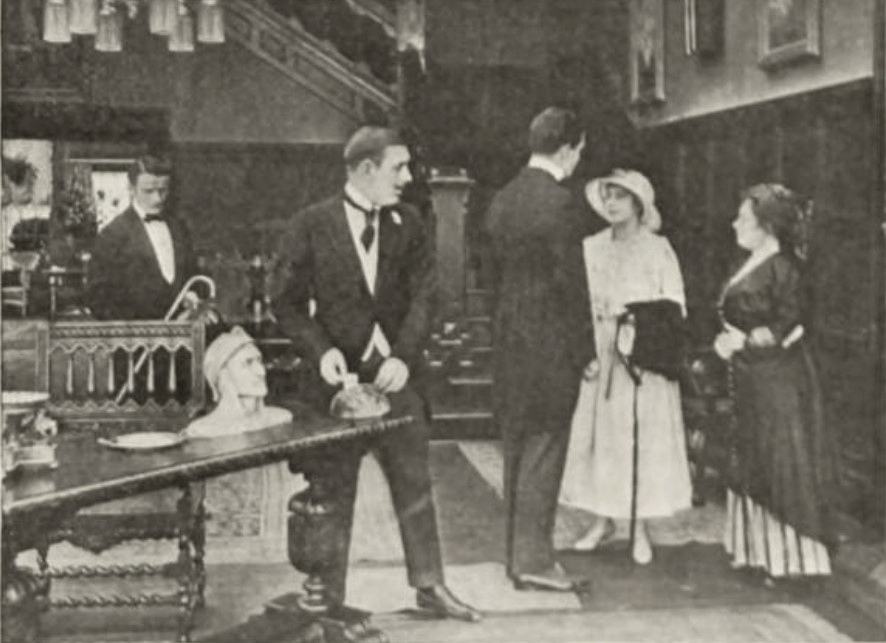
A hallmark of cult cinema is its often genre-bending nature, its refusal to be neatly categorized. This willingness to experiment and take narrative risks was present from the very beginning of film history. Early filmmakers, unburdened by the rigid genre expectations of later eras, often blended elements in ways that, while perhaps accidental, resulted in truly unique cinematic experiences.

Adventure and fantasy films, like Mysteries of India, Part I: Truth or the serialized Under the Crescent, transported audiences to exotic locales and fantastical scenarios, offering escapism that felt genuinely otherworldly. These narratives often featured strong female leads or intricate plots that, by their very ambition, stood out from simpler fare. Even within more traditional genres, there were films that pushed stylistic or thematic envelopes. The very existence of an 'Adventure, Fantasy' tag for an early film like `Mysteries of India` suggests a departure from purely realistic storytelling, embracing the imaginative and the unconventional.

Moreover, the silent era saw a fascination with the grand, the spectacular, and the emotionally charged. Films that explored deeply tragic or suspenseful scenarios, such as `Amleto e il suo clown` with its tale of revenge and guilt, or `Krzyk` (The Scream) depicting a man haunted by his wife's cry of despair, demonstrated an early understanding of cinema's power to evoke profound emotional responses. These intense, often melodramatic, narratives created a heightened reality that could be both captivating and unsettling, resonating with viewers seeking more than simple entertainment. The narrative audacity of these films, even if primitive by today's standards, was a precursor to the bold storytelling that defines many cult classics.

Unearthing Forgotten Gems: The Power of Rediscovery
A significant aspect of cult cinema's enduring appeal is the act of rediscovery. Many films, lost to time or neglect, emerge decades later to find a new, appreciative audience. This phenomenon is particularly relevant to early cinema, where countless works were lost due to fragile nitrate film, studio purges, or simply lack of preservation. The mystique of the rare, the unseen, and the almost-forgotten fuels a powerful sense of archaeological excitement among cinephiles.
Imagine the thrill of unearthing a film like The Potum of Swat, a seemingly quirky tale of a burlesque manager, or a social drama like The Mother Heart, which explores the harsh realities of poverty and injustice. These films, while perhaps not overtly transgressive, become cult objects for their historical significance, their unique snapshot of a bygone era, or their unexpected narrative charms. Their obscurity itself becomes a part of their allure, making them prized possessions for those who appreciate cinema beyond the mainstream canon.
The very act of seeking out and preserving these forgotten gems is an act of defiance against the ephemeral nature of popular culture. It's a recognition that cinematic value isn't solely determined by initial box office success or critical acclaim. Instead, it’s about a film's capacity to continue to provoke thought, evoke emotion, or simply offer a uniquely compelling vision, regardless of its original reception. This commitment to the overlooked and the undervalued is a core tenet of cult fandom, creating a vibrant ecosystem where even the most obscure silent-era shorts can find their champions.
The Enduring Echo: Why Cult Films Resonate Across Eras
What ties together films from different eras, genres, and production scales under the 'cult' umbrella? It's often a shared thematic resonance, a way of speaking to universal human experiences through an unconventional lens. Themes of alienation, rebellion against authority, the search for identity, and the exploration of taboos are recurrent motifs that transcend time and cultural shifts.
The early silent dramas, with their heightened emotions and often stark portrayals of human struggle, inadvertently tapped into these timeless themes. A film like The Mother Heart, depicting a family torn apart by poverty and the justice system, speaks to societal anxieties that remain relevant today. Similarly, the dramatic choices and moral quandaries presented in films like `Amleto e il suo clown` or `She Loves and Lies`, which features a woman deceiving her way into marriage, offer complex explorations of human nature and desire.
These narratives provide a cathartic experience for audiences who might feel marginalized or misunderstood by mainstream culture. Cult films, whether from 1915 or 2015, offer a mirror to alternative perspectives, validating experiences that are often ignored or suppressed. They foster a sense of belonging, creating communities around shared appreciation for the strange, the beautiful, and the defiant. The transformative power of these films lies in their ability to forge deep, personal connections, making them far more than mere entertainment – they become touchstones for identity and belonging.
The Communal Rite: From Silent Screenings to Midnight Madness
The viewing experience itself is central to the cult film phenomenon. While modern cult films are synonymous with midnight screenings, audience participation, and fervent discussion, the seeds of this communal rite were sown in the early days of cinema. Silent film screenings were often lively affairs, accompanied by live music, sound effects, and audience reactions that were far more vocal than today's hushed multiplexes. This inherent communal aspect of early cinema provided a natural breeding ground for shared appreciation of unusual films.
Even if not overtly interactive, the shared experience of witnessing a unique or challenging film like Drama v kabare futuristov No. 13, an experimental short, or the intricate mysteries of `The Tower of Jewels` would have sparked discussion and formed small pockets of dedicated viewers. The very act of gathering to watch these moving images, especially those that deviated from the norm, fostered a collective experience that paved the way for future cult gatherings. The evolution from early cinema’s grand picture palaces to the intimate, often grungy, venues of later midnight movie circuits is a journey of refinement, not invention, of the shared cinematic ritual.
Today, the internet and streaming platforms have further democratized access to these cinematic outliers, allowing new generations to discover and celebrate films that were once niche or forgotten. This digital accessibility, however, has not diminished the desire for communal viewing. Film festivals, repertory cinemas, and online forums continue to thrive, proving that the need to share, discuss, and celebrate these unconventional reels remains as strong as ever, a direct lineage from the earliest days of film appreciation.
The Perpetual Rebellion of the Reel
From the flickering nitrate prints of the 1910s and 20s to the digital streams of today, cult cinema represents a perpetual rebellion against the conventional. It's a testament to the enduring power of storytelling that challenges, provokes, and ultimately connects with audiences on a deeply personal level. The films highlighted from the early cinematic landscape, such as `The Mysteries of Myra`, `Fantomas - On the Stroke of Nine`, `The Man Hater`, and `Mysteries of India, Part I: Truth`, serve as powerful reminders that the spirit of cult cinema is not a recent phenomenon but an intrinsic part of film history.
These maverick narratives, whether through their genre innovations, transgressive themes, or sheer eccentricity, laid the vital groundwork. They taught us that cinema isn't just about mass appeal; it's about finding your tribe, celebrating the unique, and embracing the strange and wonderful anomalies that defy easy categorization. The quest for the next cult classic continues, driven by an insatiable hunger for films that dare to be different, films that resonate with the unspoken truths and desires of their dedicated followers. The unconventional reel spins on, forever challenging, forever inspiring, and forever cementing its place as a cornerstone of cinematic culture.
Community
Comments
Log in to comment.
Loading comments…