
Cult Cinema
The Undying Flame: Unpacking the Maverick Spirit and Enduring Allure of Cult Cinema's Genesis
“Cult cinema isn't merely a genre; it's a profound cultural phenomenon, born from films that dared to defy mainstream sensibilities and found their lasting resonance in the fervent embrace of devoted audiences. This article delves into the historical bedrock of cult films, tracing their rebellious sp…”
In the vast, ever-expanding universe of film, certain works orbit outside the mainstream, not content with fleeting box office glory or critical consensus. These are the films that, often initially misunderstood or outright rejected, find a second, more potent life in the hearts and minds of dedicated viewers. This is the realm of cult cinema – a vibrant, often transgressive, and deeply personal corner of film history where the unconventional becomes iconic, and obscurity transforms into enduring reverence. It’s a space where audiences don't just watch; they participate, they obsess, they proselytize. But what precisely is the secret ingredient that imbues a film with this 'cult' status, allowing it to defy the ephemeral nature of popular culture and burn with an undying flame?

To understand the enduring allure of cult cinema, we must embark on a journey back to its very genesis, to the nascent years of filmmaking when the rules were still being written, and every frame felt like an experiment. The seeds of what we now recognize as cult appeal were sown long before midnight screenings and interactive audiences became synonymous with the term. They lie in the maverick spirit of early filmmakers who, consciously or not, crafted narratives and visuals that challenged expectations, pushed boundaries, and spoke to a deeper, often unspoken, human yearning for the strange, the sublime, and the subversive.
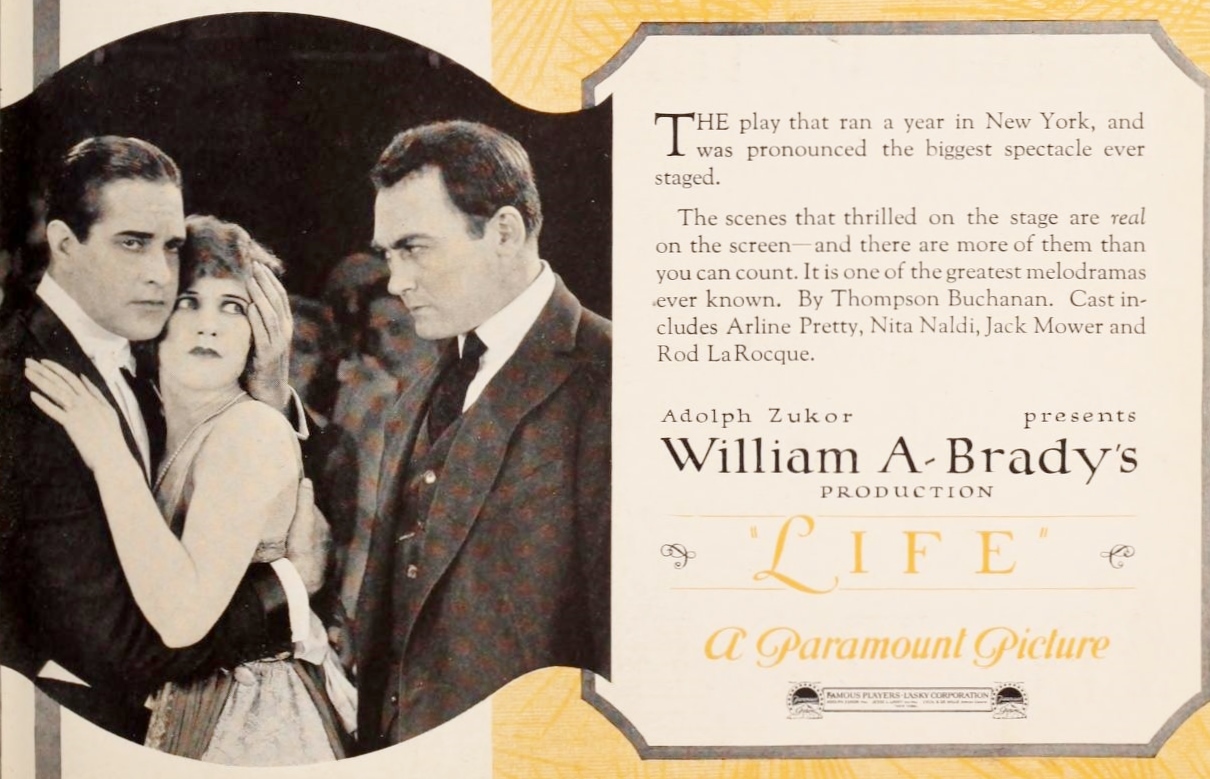
The Maverick Seed: Early Cinema's Unconventional Sparks
The early 20th century was a wild west for cinema. Without established genres or narrative conventions, filmmakers were free to innovate, often stumbling upon ideas that, in retrospect, contain the very DNA of cult fandom. Serials, in particular, offered a fertile ground for narrative experimentation and audience engagement that foreshadowed modern cult devotion. Consider films like What Happened to Mary, the precursor to countless episodic adventures. Its monthly installments, each a self-contained drama, fostered a loyal following eager to unravel the next chapter. This serialized format, with its cliffhangers and intricate plots, built anticipation and a communal viewing experience – a fundamental component of cult cinema.
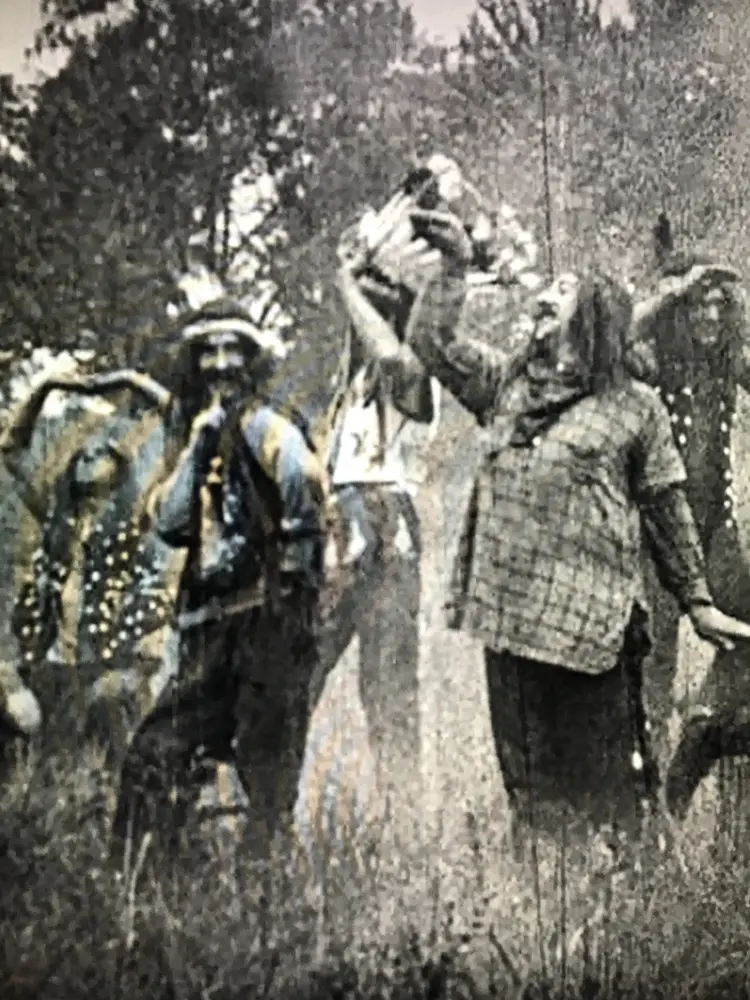
Similarly, The Master Mystery, featuring the legendary Harry Houdini, introduced elements of sci-fi and the bizarre with its menacing robot, “The Automaton.” Such fantastical, boundary-pushing concepts, often executed with rudimentary but imaginative special effects, captivated audiences seeking escapism beyond the mundane. These films didn't just tell stories; they built worlds, inviting viewers into elaborate conspiracies and daring escapades, much like the fervent engagement seen in modern cult followings. The episodic nature of The Iron Claw, The Yellow Menace, and The Railroad Raiders further exemplifies this early cultivation of dedicated viewership, each chapter a call to return, to delve deeper into their unique mythologies.

Beyond serials, many early films dared to explore transgressive themes or present characters that defied societal norms, laying the groundwork for the provocative narratives that would become a hallmark of cult status. Take Carmen, a tale of a sultry gypsy seducing and corrupting an officer. Its raw depiction of passion and betrayal, even in its early iterations, challenged the moral sensibilities of the time, much like how later cult films would push the envelope on sex, violence, and social taboos. The Sin That Was His, with its gambler protagonist masquerading as a priest, delves into themes of identity, redemption, and hypocrisy – complex moral ambiguities that resonate deeply with audiences who appreciate cinema that doesn't offer easy answers.

The dramatic intensity of films like The Mortgaged Wife, exploring desperate choices and societal pressures, or the revenge-driven plot of The Devil's Trail, showcased narratives that, while perhaps not mainstream blockbusters, certainly left a lasting impression due to their sheer audacity and emotional weight. These films, often produced independently or by studios willing to take risks, cultivated a taste for the 'other,' for stories that felt a little dangerous, a little different.
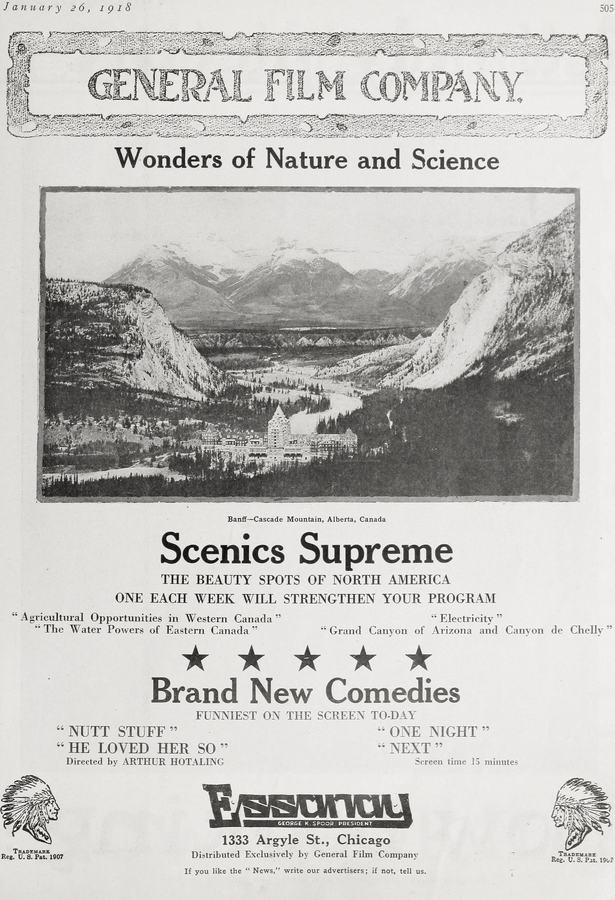
Experimentation and Social Commentary
The experimental spirit wasn't limited to narrative. Early cinema also saw a burgeoning interest in diverse forms and social commentary. The Extraordinary Adventures of Saturnino Farandola, with its fantastical globetrotting premise, pushed the boundaries of visual storytelling and imaginative world-building. Even seemingly simple shorts like Kansas City's Spring Clean-up, one of Walt Disney's earliest animations, hinted at the boundless potential of the medium to create unique, sometimes peculiar, visual experiences that would later find devoted niche audiences.
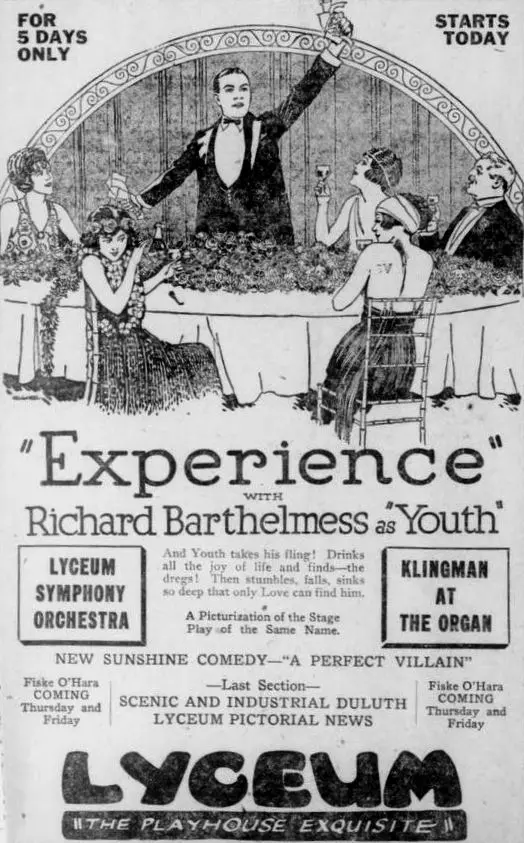
Films like Milestones, which explored the resistance to industrial change through a family drama, or What Will People Say?, examining societal judgment and class divides, delved into themes that, while perhaps conventional in their presentation, offered a mirror to contemporary anxieties. These narratives, exploring human nature and societal friction, resonated with specific segments of the audience, forging a connection that transcended mere entertainment. The Bravest Way, addressing social barriers and interracial love, was undoubtedly a challenging film for its era, much like many cult films that tackle uncomfortable truths or taboo subjects years later.

Beyond the Mainstream: Finding Voice in Obscurity
A defining characteristic of cult cinema is its ability to thrive outside the conventional spotlight. Many early films, while not necessarily 'failures,' simply didn't fit neatly into the burgeoning studio system's commercial molds. These often became the unseen gems, appreciated by a discerning few or rediscovered much later. Short comedies like Laughing Gas, The Goof, Held Up for the Makin's, or Frenzied Film, with their slapstick, absurdism, and unconventional humor, often broke narrative rules, appealing to audiences looking for something genuinely different from the period's more refined comedic fare. This embrace of the bizarre and the unconventional is a direct precursor to the appreciation of surrealist and offbeat humor in later cult classics.
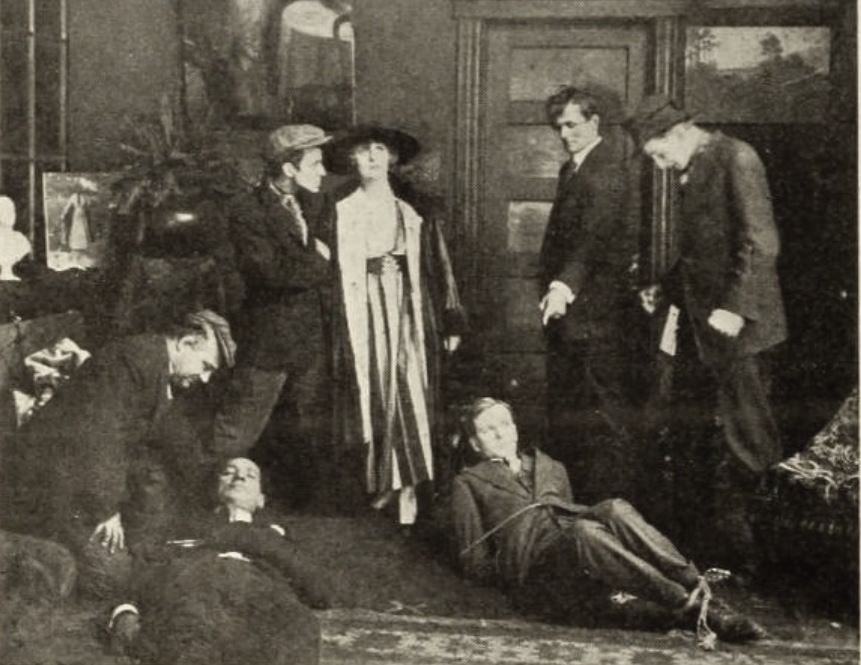
The raw, unfiltered narratives found in dramas like Hearts Asleep, Her Great Price, Restless Souls, or A Rich Man's Darling, often exploring moral quandaries and personal struggles with a stark realism, carved out their own space. These weren't always 'feel-good' movies; they were often gritty, sometimes melodramatic, but always emotionally charged. This intensity, delivered without the gloss of big-budget productions, fostered a connection with viewers who valued authenticity and genuine human drama, however dark.
Global Perspectives and Distinctive Visions
The international landscape of early cinema further enriched this proto-cult tapestry. Films from different cultural contexts brought unique storytelling traditions and aesthetics. Lao gong zhi ai qing (A Laborer's Love), one of the earliest surviving Chinese films, offered a charming romantic comedy with social undertones. Brazilian drama Coração de Gaúcho, German serial Die Herrin der Welt (The Mistress of the World), and Hungarian thriller A 111-es (The 111) are testaments to a global cinematic output that, by its very diversity, defied a single mainstream. These films, often only seen by limited audiences in their home countries or through niche distribution abroad, cultivated a sense of discovery and appreciation for cinematic distinctiveness – a core tenet of cult film appreciation.
This early international exchange of unique visions helped foster an environment where audiences became accustomed to cinematic 'otherness.' It taught viewers to seek out films that didn't necessarily conform to a Hollywood template, but rather offered a fresh perspective, a different rhythm, or an entirely new kind of spectacle. The quiet devotion for these distinct cinematic voices, though not always as boisterous as modern cult fandom, laid the emotional and intellectual groundwork for the future.
The Alchemy of Fandom: From Outcast to Icon
What truly elevates a film to cult status is the audience. It's the active, often obsessive, engagement that transforms a mere movie into a shared experience, a ritual, a celluloid sanctuary. While the concept of 'midnight movies' and audience participation (think The Rocky Horror Picture Show) solidified later in film history, the underlying human desire to connect with film on a deeper, more personal level was present from the start. The early serials, with their implicit demand for repeat viewership and discussion, were foundational in this regard.
Cult films often invite multiple viewings, revealing new layers, hidden meanings, or simply reinforcing the unique aesthetic that captivated viewers in the first place. The peculiar characters, outlandish plots, and often experimental narratives of films like The Flying Torpedo, with its futuristic war scenario, or the introspective drama of Big Little Person, offered rich material for contemplation and discussion. These films, even in their silent forms, provoked thought and emotion, sparking the kind of passionate discourse that defines a cult following.
The journey of a cult film from obscurity to iconography is an unconventional pilgrimage. It speaks to a collective appreciation for art that refuses to be categorized, that challenges the status quo, and that creates its own set of rules. The films that become cult objects often do so because they tap into a shared sensibility, a feeling of being an outsider, or a fascination with the bizarre and the beautiful that the mainstream often overlooks. The enduring fascination with the peculiar domestic dynamics in Mrs. Balfame or the quaint small-town politics of York State Folks, for example, might not have generated mass appeal, but they certainly would have found their niche, speaking to specific audiences with an intimacy that blockbusters rarely achieve.
The Enduring Legacy: Why Cult Cinema Persists
The cult phenomenon is not merely a historical curiosity; it's a living, breathing testament to the power of cinema to connect with individuals on a profound level. The films that achieve cult status, whether they are silent era gems or modern marvels, share a common thread: they offer an alternative, a refuge, a shared secret. They are films that, through their maverick visions, challenge us to see the world differently, to question norms, and to celebrate the unconventional.
From the early narrative innovations of What Happened to Mary to the moral ambiguities of The Sin That Was His, and the fantastical escapism of The Master Mystery, the seeds of cult cinema were planted early. They demonstrated that there was an appetite for stories that didn't necessarily conform, that embraced the weird, the dark, and the delightfully strange. These films, through their very existence, laid the foundational blueprint for a cinematic counter-culture, proving that a film's true value isn't always measured in opening weekend grosses or critical acclaim, but in its ability to forge an enduring connection with its tribe.
The persistence of cult cinema across generations speaks to a fundamental human need for identity and belonging. For many, discovering a cult film feels like finding a piece of themselves reflected on screen, or joining a secret society of like-minded individuals. It’s a space where the marginalized narratives find their voice, and the unorthodox is not just tolerated but celebrated. The films we've touched upon, from the short comedies like The Goof to the high-stakes drama of In the Nick of Time, all contributed to this rich tapestry, each adding a unique thread to the cinematic underground that would eventually blossom into the vibrant cult landscape we know today.
Ultimately, cult cinema is more than just a collection of movies; it's a living archive of rebellion, a testament to the power of artistic defiance, and a celebration of the unique bond between a film and its devoted audience. It reminds us that sometimes, the most profound and lasting cinematic experiences are found not in the brightest spotlights, but in the enduring glow of the undying flame, carefully tended by those who dare to look beyond the mainstream.
Community
Comments
Log in to comment.
Loading comments…