
Deep Dive
The Vestigial Vision: How Early Cinema’s Forgotten Outliers Sculpted the Modern Cult Consciousness
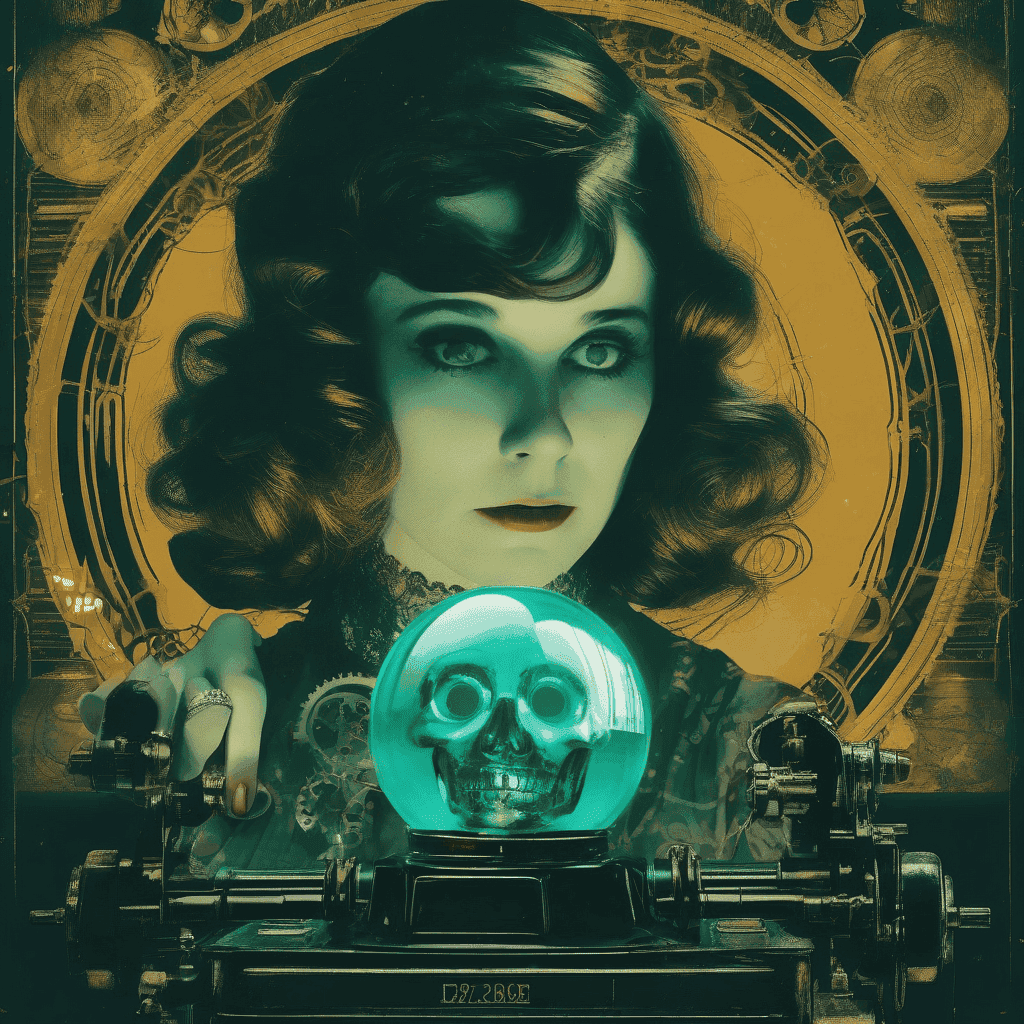
“A deep dive into the primal origins of niche devotion, exploring how the transgressive and experimental spirits of the silent era laid the foundation for today's cult film culture.”
To understand the modern cult film is to look past the neon-soaked midnight screenings of the 1970s and delve into the flickering, nitrate-scented darkness of the early 20th century. Cult cinema is not merely a genre; it is a theological relationship between the viewer and the image. It is a sanctuary for the misunderstood, the bizarre, and the transgressive. Long before the term 'cult' was codified by critics, the seeds of this obsessive devotion were being sown in the silent era, where films like Mysteriet paa Duncan Slot (1914) challenged the boundaries of the metaphysical. This Danish anomaly, which explored psychological disease and metaphysical hauntings, set a precedent for the 'head films' of later decades, proving that cinema was always meant to be a vessel for the uncanny.
The Genesis of Aesthetic Deviance
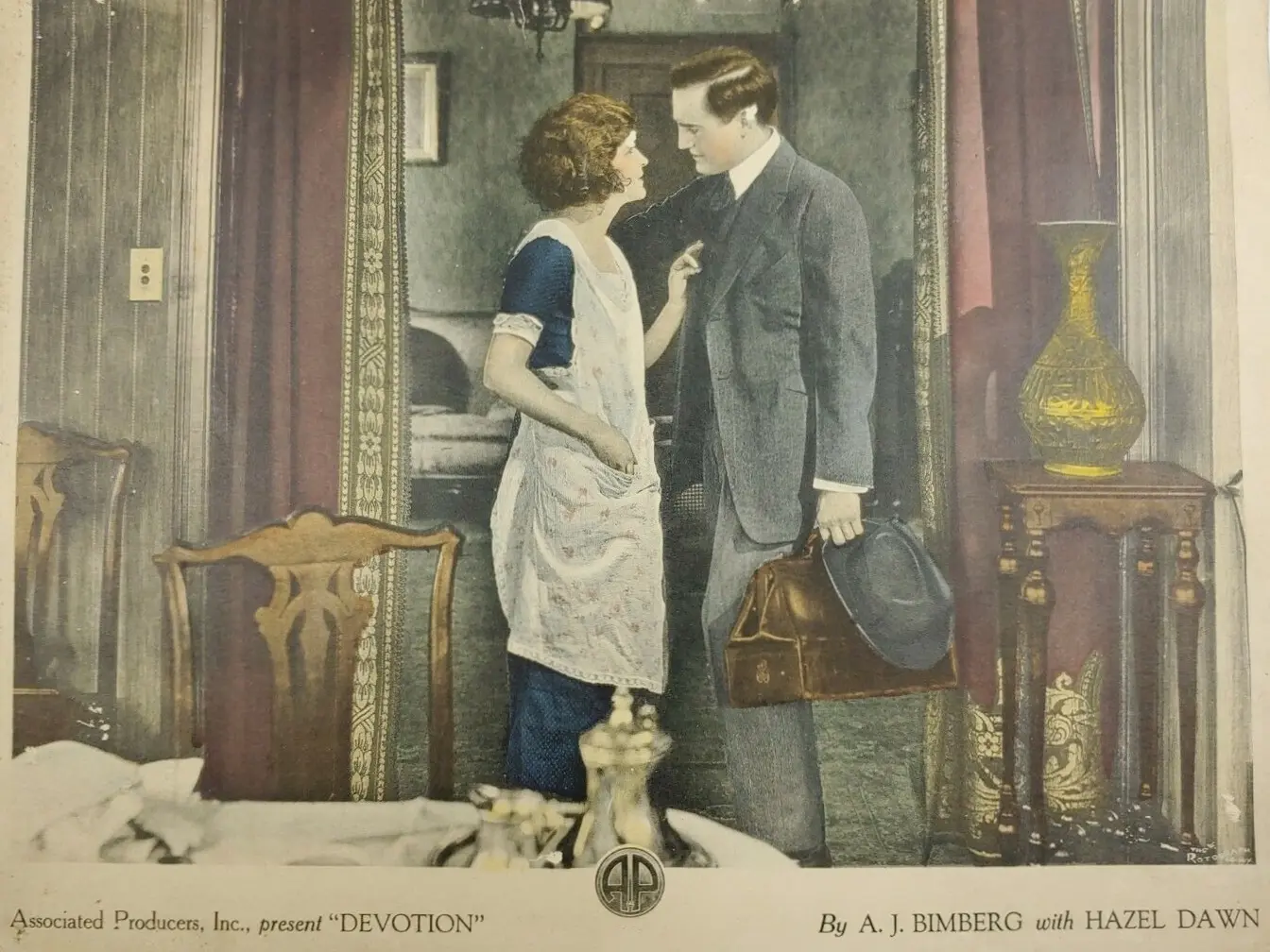
The true power of cult cinema lies in its ability to resist the mainstream. In the early 1900s, while the industry was standardizing narrative forms, certain outliers were already experimenting with tone and structure in ways that felt alien to the status quo. Take, for instance, the 1917 film Shibukawa Bangorô. While it functions as an action-adventure, its specific cultural texture and the intensity of its protagonist’s journey toward justice at the Kanon Temple hint at the kind of localized, specialized storytelling that eventually births a 'niche' following. Cult films often thrive on hyper-specificity—a quality that makes the viewer feel like they have discovered a secret language.
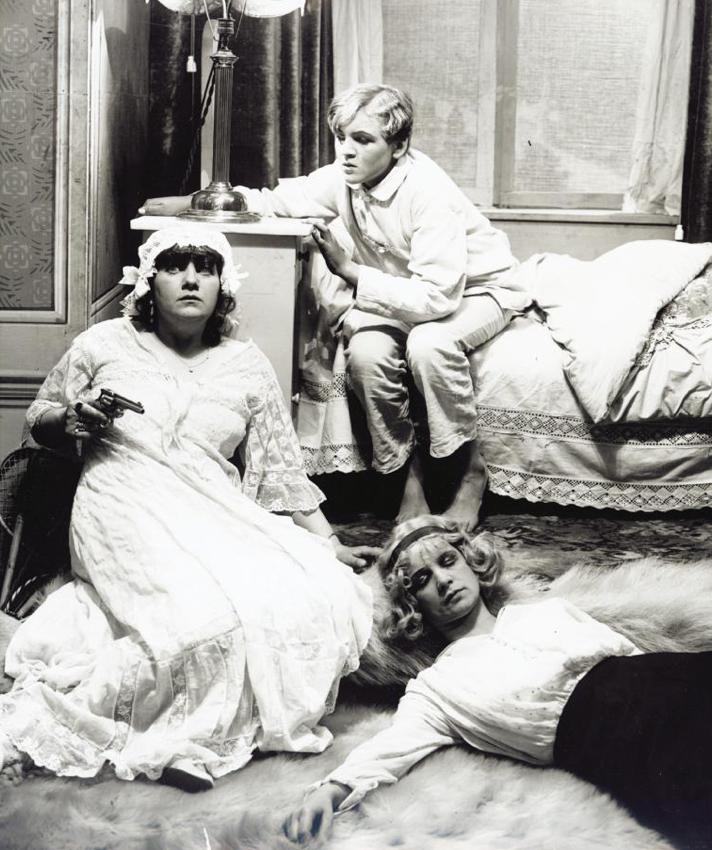
This sense of discovery is also present in the works of the 'Ambrose' series. Films like Baffled Ambrose, Foxy Ambrose, and Ambrose's Predicament represent a proto-absurdist comedy that predates the surrealist movements. These shorts weren't just slapstick; they were character studies in a kind of frantic, social failure that resonated with audiences on the fringe. When we look at The Best Mouse Loses (1920), we see an early example of the subversion of expectations in animation—a boxer betting against himself. This cynical, clever humor is the exact DNA found in modern cult animations that challenge the 'wholesome' veneer of the medium.
Transgression and the Moral Underground
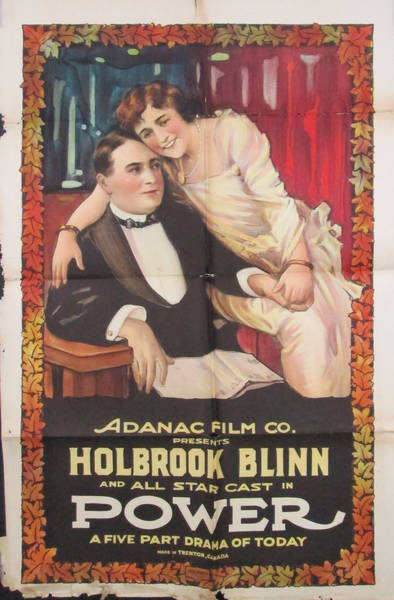
Cult cinema has always been a mirror for our collective anxieties and forbidden desires. The early 1920s offered a glimpse into this with Heedless Moths (1921), a film that explores the fluid roles of a model attempting to save a marriage by assuming another's identity. This thematic preoccupation with identity and artifice is a cornerstone of the cult aesthetic. Similarly, Manslaughter (1922), directed by Cecil B. DeMille, used the decadence of modern society to draw parallels to the fall of Rome. Its lurid depiction of a thrill-seeking society girl who finds redemption in prison is exactly the kind of 'moral friction' that attracts a devoted, analytical audience.
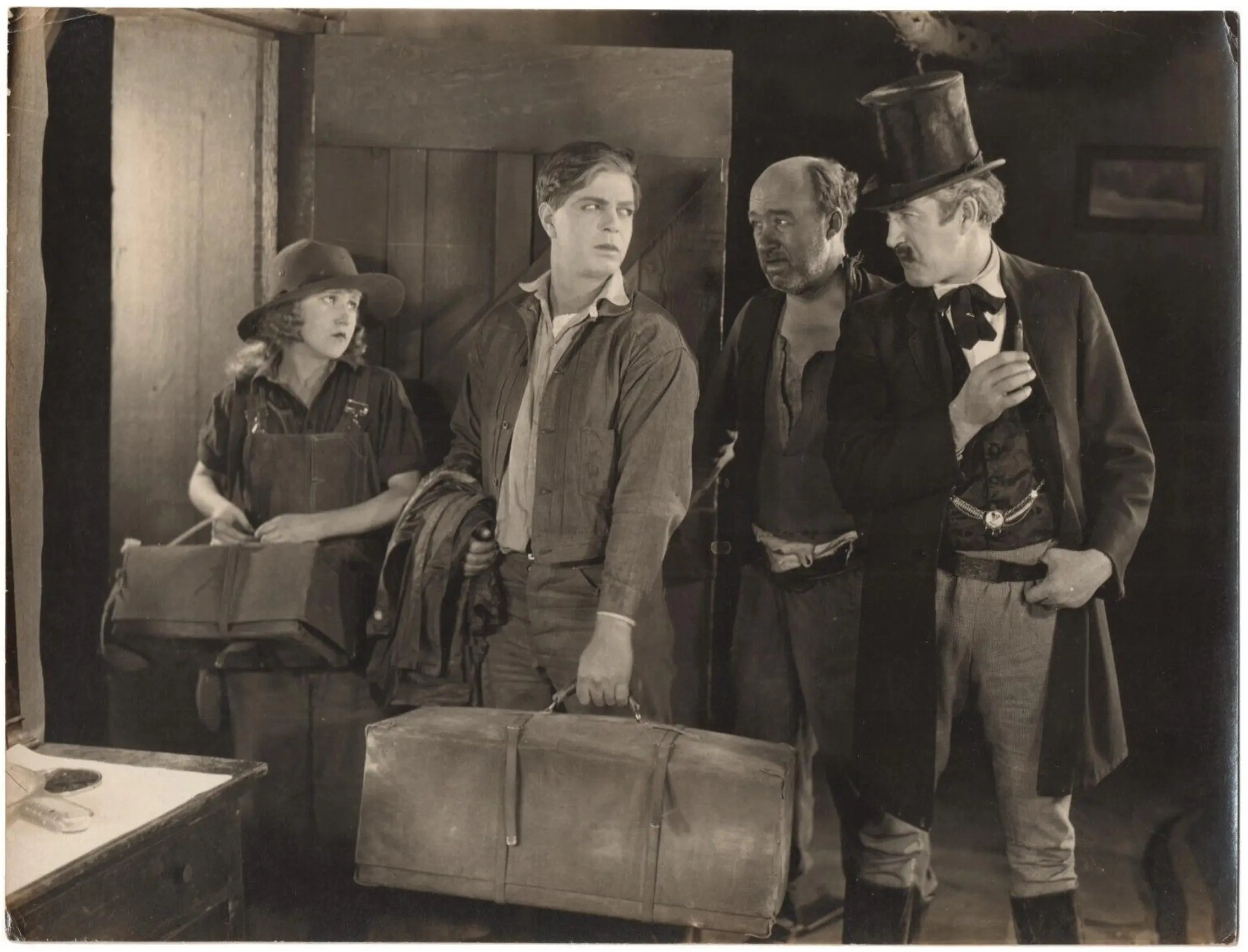
The 'cult of the outcast' is perhaps most visible in films like A Little Brother of the Rich (1919) and The Woman Above Reproach (1920). These narratives often center on individuals who are crushed by social expectations or betrayed by the very systems meant to protect them. In Unprotected (1917), the protagonist is forced into a life she didn't choose, a theme of existential entrapment that remains a favorite for cult directors today. These films provide a voice to the disenfranchised, creating a space where the 'loser' or the 'misfit' is the center of the universe.

The Supernatural and the Sacred
The allure of the occult and the supernatural has always been a primary driver for obsessive fandom. One Million Dollars (1915) features a crystal globe and a Buddhist priest, blending criminology with Eastern mysticism in a way that must have felt profoundly exotic and 'other' to Western audiences of the time. This blending of genres—the detective story meeting the mystical—is a hallmark of cult cinema. We see this again in The Haunted Bedroom (1919), where a journalist investigates a disappearance in a haunted estate. The film uses the 'haunted house' trope not just for scares, but to explore the unseen layers of reality.

Even religious narratives were not immune to the cult treatment. Frate sole (1918), depicting the life of Saint Francis of Assisi, is a masterpiece of light and shadow. Its focus on the 'choice of poverty' and the rejection of mercantile values echoes the counter-culture movements of the 1960s. Cult cinema often acts as a secular liturgy, where the act of watching becomes a ritual. This is mirrored in the romantic obsession of Amor de Perdição (1921), a Portuguese tale of thwarted love and secret meetings that carries a weight of tragic inevitability, a flavor often sought by those who prefer their cinema with a side of melancholic devotion.

Experimental Narratives and the Birth of the 'Slow Burn'
Many modern cult classics are defined by their unique pacing and narrative rhythms. This experimental spirit can be traced back to films like The Lane That Had No Turning (1922) and Tangled Lives (1917). These films often relied on intricate secrets and slow-building tension rather than the rapid-fire action of mainstream serials. Suspense (1919), with its story of a dismissed Admiral and stolen security plans, uses a sanitarium setting to heighten the sense of psychological unease. This focus on internal states rather than external spectacle is what allows a film to linger in the mind long after the credits roll.
Even the more 'traditional' adventures of the era had elements of the unusual. The Four Feathers (1921) and The Call of the North (1914) utilized vast, unforgiving landscapes—the desert and the frozen north—to mirror the isolation of their protagonists. In cult cinema, the setting is often a character, a presence that dictates the emotional frequency of the film. Whether it is the seaside resort in Two Little Imps (1917) or the factory strike in Dolly's Vacation (1918), these environments provide a grounded reality that makes the subsequent narrative deviations feel all the more impactful.
The Subversive Power of the Short Form
We cannot discuss the foundation of cult cinema without acknowledging the short films that pushed boundaries. Bobby Bumps in Hunting and Fishing (1917) and The Freckled Fish (1919) offered bite-sized portions of anarchy. Animation, in particular, allowed for a level of physical distortion and surrealism that live-action could not yet achieve. The 'mischief' in these shorts is a direct ancestor to the transgressive humor found in modern underground comics and cult web series. They prove that you don't need a feature-length runtime to create a lasting aesthetic impression.
Furthermore, films like On with the Show (1917) and Baffled Ambrose highlight the rivalry and social friction that define the human experience. These stories are often small in scale but massive in their emotional resonance. They capture the 'fringe' experience—the feeling of being the amateur cameraman in a world of city chaps, or the person who is constantly outplayed by life’s circumstances. This relatability in failure is a primary reason why certain films are rescued from obscurity by fans who see themselves in the struggle.
Legacy and the Perpetual Fandom
Why do we return to these films? Why do titles like Smilin' Through (1922) or Hamlet, Prince of Denmark (1913) continue to be studied and celebrated? It is because they possess a vestigial vision—a ghost of a cinematic possibility that wasn't fully explored by the mainstream. Smilin' Through, with its haunting memories of thwarted love, speaks to the persistence of the past, much like how cult cinema itself is a haunting of the present by the forgotten masterpieces of yesteryear.
The journey from Hazel Kirke (1916) to the modern midnight movie is a straight line of rebellion. These early films were the first to prove that cinema could be more than just a distraction; it could be an obsession. Whether it was the theatrical spectacle of Scenens Børn (1913) or the gritty western realism of Square Shooter (1920), each of these 50 films contributed a brick to the fortress of cult cinema. They taught us how to look at the screen not just for what is there, but for what is hidden in the shadows. They taught us that the most powerful stories are often the ones that the world tried to forget.
In conclusion, the 'cult' label is a badge of honor bestowed upon films that refuse to die. From the tragic depths of The Price (1915) to the comedic bluffs of Too Much Business (1922), the early era of film was a laboratory of the strange. As we continue to excavate these digital archives and nitrate remains, we find that the modern cult consciousness is not a new invention, but a reawakening of a primal urge to worship the beautiful, the broken, and the bizarre. The vestigial vision of the silent era remains our most potent guide into the future of the moving image.
Community
Comments
Log in to comment.
Loading comments…