
Film History
The Vice of Virtue: How the Silent Era’s Moral Panics Invented the Cult of the Forbidden
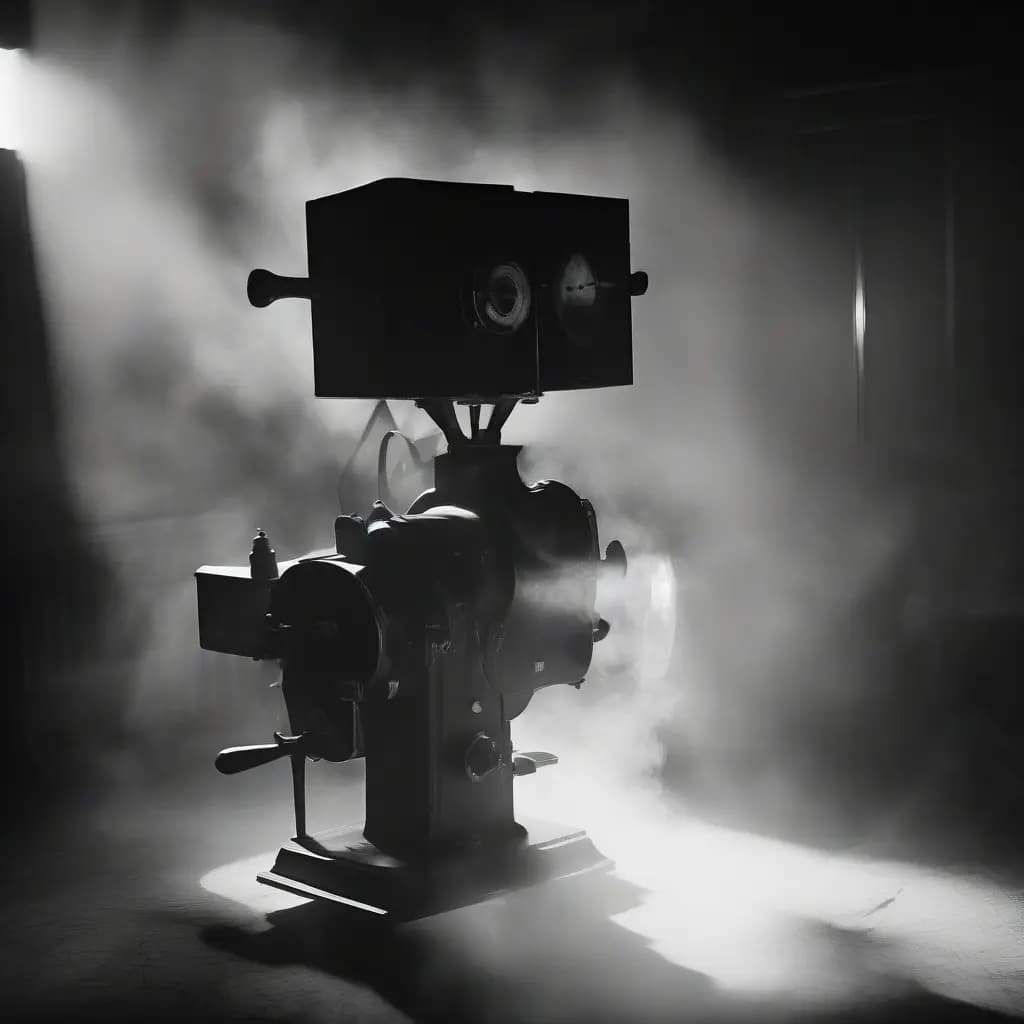
“Long before the midnight movie, silent cinema used the 'educational' label to smuggle vice into the mainstream, creating a blueprint for the transgressive cult aesthetic.”
There is a specific, feverish energy found in the flicker of a nitrate print that the digital age cannot replicate. It is the smell of impending combustion and the sight of a world grappling with its own shadows. We often think of cult cinema as a post-1960s phenomenon—a byproduct of the counterculture and the midnight movie circuit. But the DNA of the transgressive, the forbidden, and the obsessively niche was actually encoded decades earlier, during a time when the silver screen was still learning how to speak. In the silent era, 'morality' wasn't just a goal; it was a Trojan horse. Filmmakers discovered that by labeling a film as an 'educational' warning against vice, they could depict that very vice in agonizing, lurid detail. This was the birth of the cult of the forbidden, a lineage of cinema that prioritized the visceral over the polite.
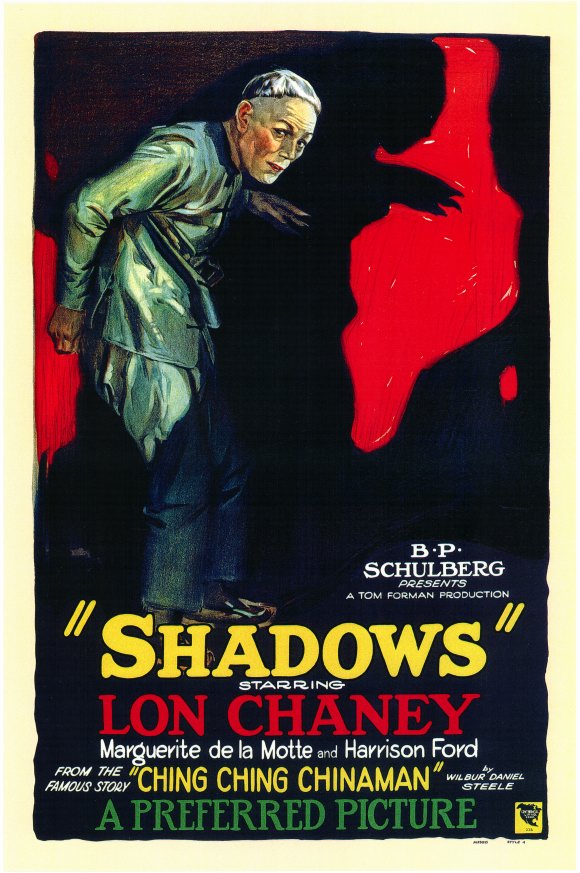
The Educational Smokescreen and the Birth of Exploitation
Before the Hays Code tightened its grip in 1934, the American and European film industries were essentially the Wild West. To bypass local censors and the prying eyes of 'moral reform' committees, producers hit upon a brilliant, albeit cynical, strategy: the social hygiene film. These movies claimed to educate the public on the dangers of syphilis, white slavery, or drug addiction. However, the 'education' was often a five-minute prologue followed by sixty minutes of depravity. This duality is the bedrock of what we now recognize as exploitation cinema. It created an audience that didn't just watch a movie; they sought out the 'unseen' and the 'hushed,' turning the act of viewing into a subversive ritual.
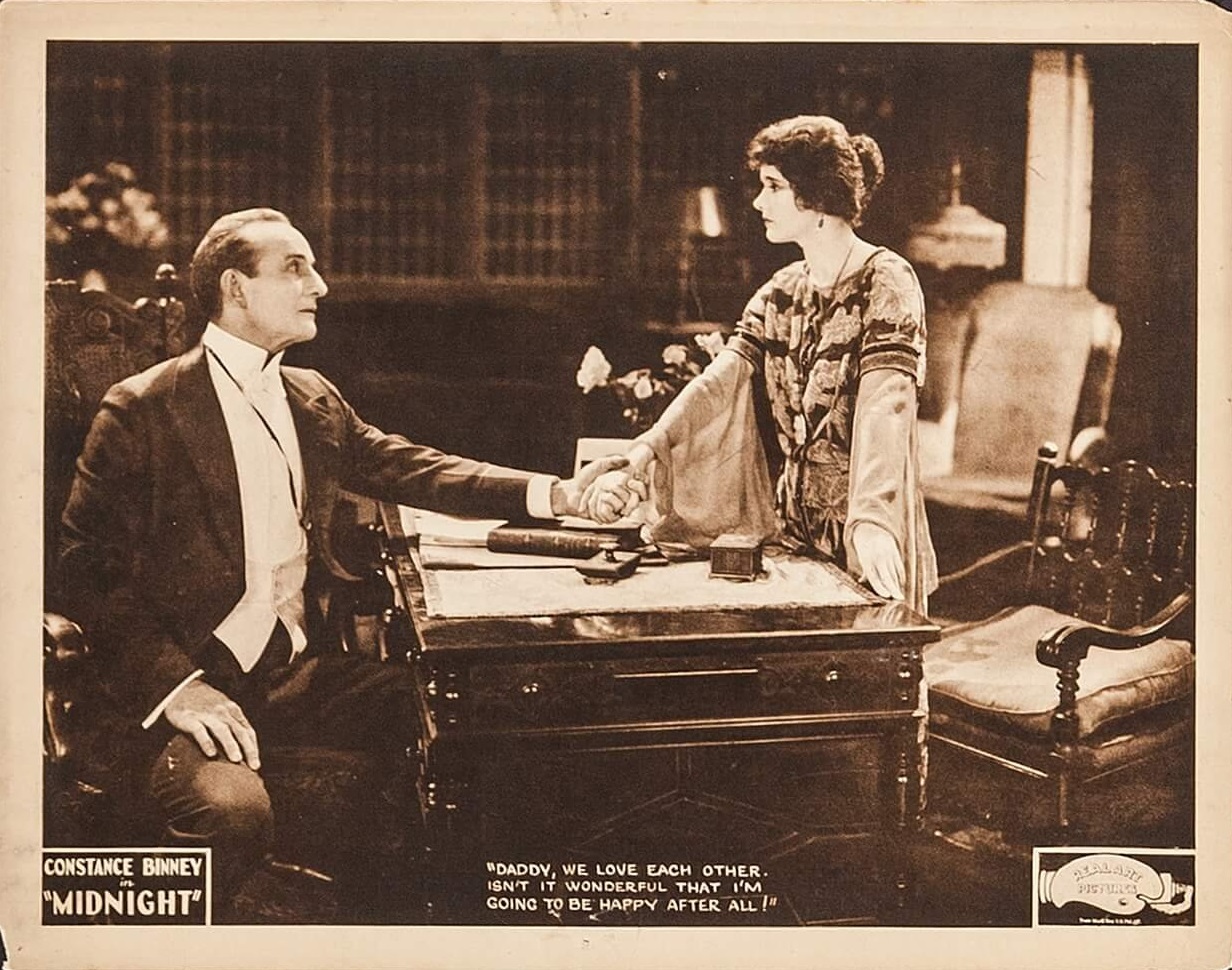
Consider the 1923 film The Day of Faith. While it centers on a mission opened in memory of a philanthropist, its narrative engine is fueled by the collision of selfless idealism and the predatory nature of a millionaire’s greed. It isn't just a drama; it’s an exploration of the rot beneath the surface of high society. This 'rot' is what draws the cult enthusiast. We aren't looking for the happy ending; we are looking for the moment the mask slips. Early cinema excelled at these slips. The tension between the 'Service Star'—the symbol of patriotic and domestic duty—and the grim reality of films like The Seed of the Fathers (1913) is where the cult mindset begins. In the latter, a mother watches her son succumb to the same corruption that ruined her father and husband. It is a cycle of inherited sin, a theme that would eventually find a home in the psychological horrors of the 1970s.
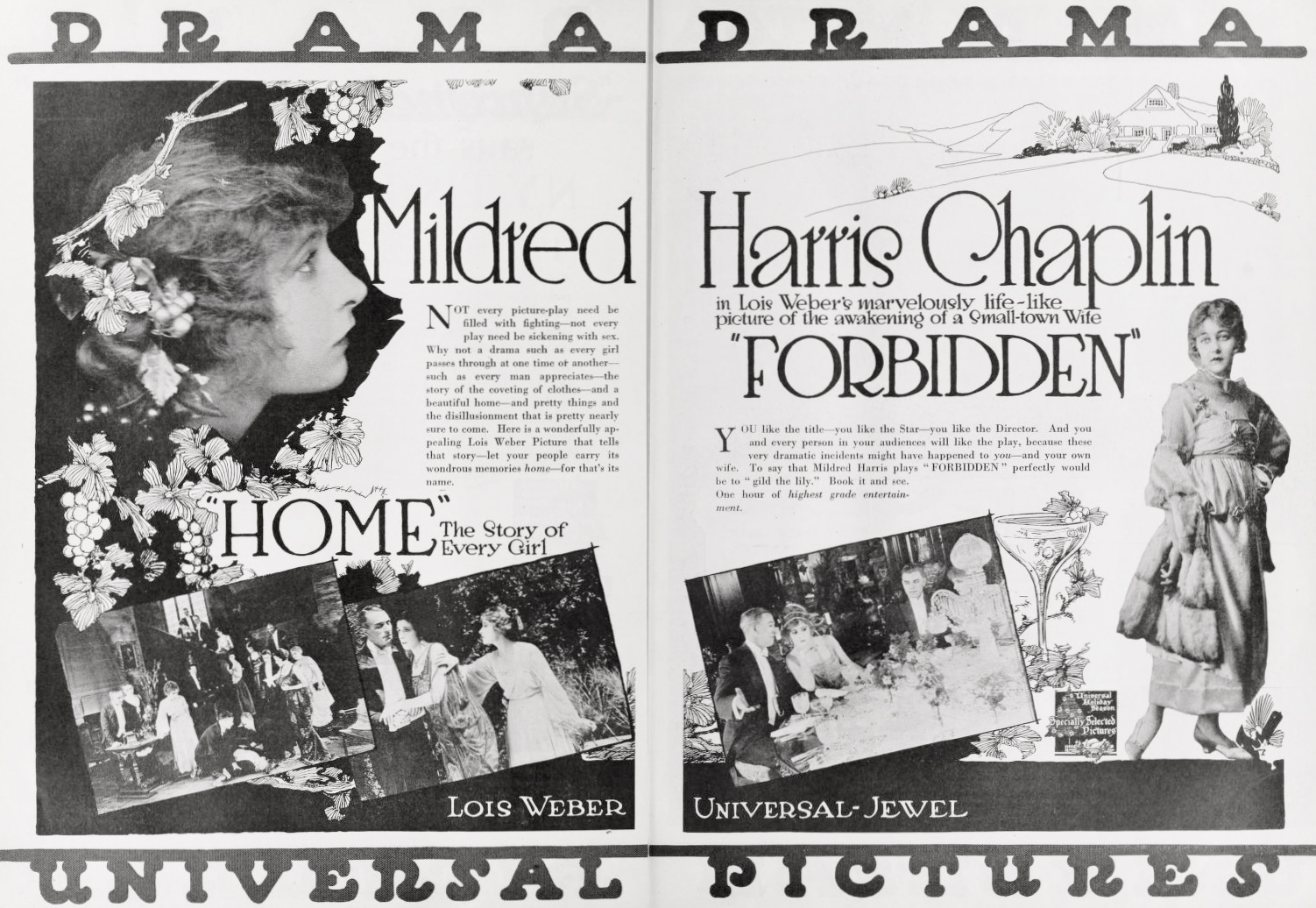
The Gilded Cage and the Corruption of the Elite
Cult cinema often thrives on class warfare, and the silent era was obsessed with the decadence of the aristocracy. Films like The Gilded Cage (1916) presented kingdoms that were not fairy tales, but claustrophobic traps. These stories resonated because they reflected a growing societal distrust of inherited power. The cult viewer is naturally an outsider, and seeing the 'Glorious Lady' or the 'Duke' exposed as a fraud or a victim of their own status provides a catharsis that mainstream blockbusters rarely touch. In The Cinema Murder (1919), we see the film industry itself turning inward, depicting a Wall Street backer who uses his wealth to manipulate the lives of aspiring actresses. This meta-narrative of power and exploitation is a precursor to the 'Hollywood Babylon' style of storytelling that maintains a grip on the cult imagination today.

The silent era didn't just tell stories; it built monuments to the things we were told not to look at. The cult of the forbidden was born the moment a director realized that a shadow was more terrifying—and more alluring—than the light.
This fascination with the 'rot at the top' extended to international cinema as well. In Italy, La marcia nuziale (1915) dismantled the sanctity of the convent and the paternal house, replacing them with a 'mystical crisis' and forbidden love. These weren't just stories of romance; they were attacks on the pillars of conservative society. For the modern collector of obscure reels, these films are vital because they represent a time when cinema was truly dangerous. They weren't just entertainment; they were provocations.
The Transgressive Feminine: From Vamps to Sedunesses
The female archetype in early cult-adjacent cinema was never just the 'damsel.' While the mainstream celebrated the 'Girl with the Curls,' the fringes were obsessed with the 'Vamp.' This wasn't just about sexuality; it was about agency and the disruption of the domestic sphere. Take Saving Sister Susie (1921), a comedy that plays with the 'baby vamp' trope. It mocks the idea of feminine innocence, showing it as a performance used to steal admirers. This subversion of purity is a hallmark of the cult aesthetic. It rejects the 'All Kinds of a Girl' stereotype—the quiet girl knitting for the Red Cross—in favor of something more unpredictable.

Perhaps the most striking example of this transgressive feminine energy is found in the 1919 Turkish film Mürebbiye (The Governess). Shot in an occupied Istanbul, it features a French nanny who systematically seduces every man in a conservative household. It was a film so scandalous that the French occupation authorities banned it, fearing it would incite anti-French sentiment. This is the ultimate cult pedigree: a film so potent that it is suppressed by a literal army. It uses the domestic space as a battlefield, proving that the 'governess' or the 'nanny' could be just as much of a disruptor as the 'bandit' in Betrayed (1917).
The Dark Frontier: Lawlessness and Survival
Beyond the drawing rooms and the cities lay the 'Land of Long Shadows.' Early cinema used remote, lawless settings to explore themes of survival and primal violence that would eventually define the 'survivalist' subgenre of cult film. In The Land of Long Shadows (1917), the everlasting snow and hungry wolves are more than just scenery; they are characters that reflect the internal desolation of the protagonists. Similarly, The Hell Ship (1920) and The Devil's Trail (1919) showcase a world where the law is a distant memory.
- The Hell Ship: Features a mutiny, a dead captain, and a daughter brandishing a pistol to hold the crew at bay. It is a precursor to the 'strong woman in a lawless land' trope found in later exploitation films.
- The Devil's Trail: A whiskey smuggler takes revenge on the Mounted Police by killing a commander's wife and abducting his child. This is the 'revenge' cycle in its rawest, most primitive form.
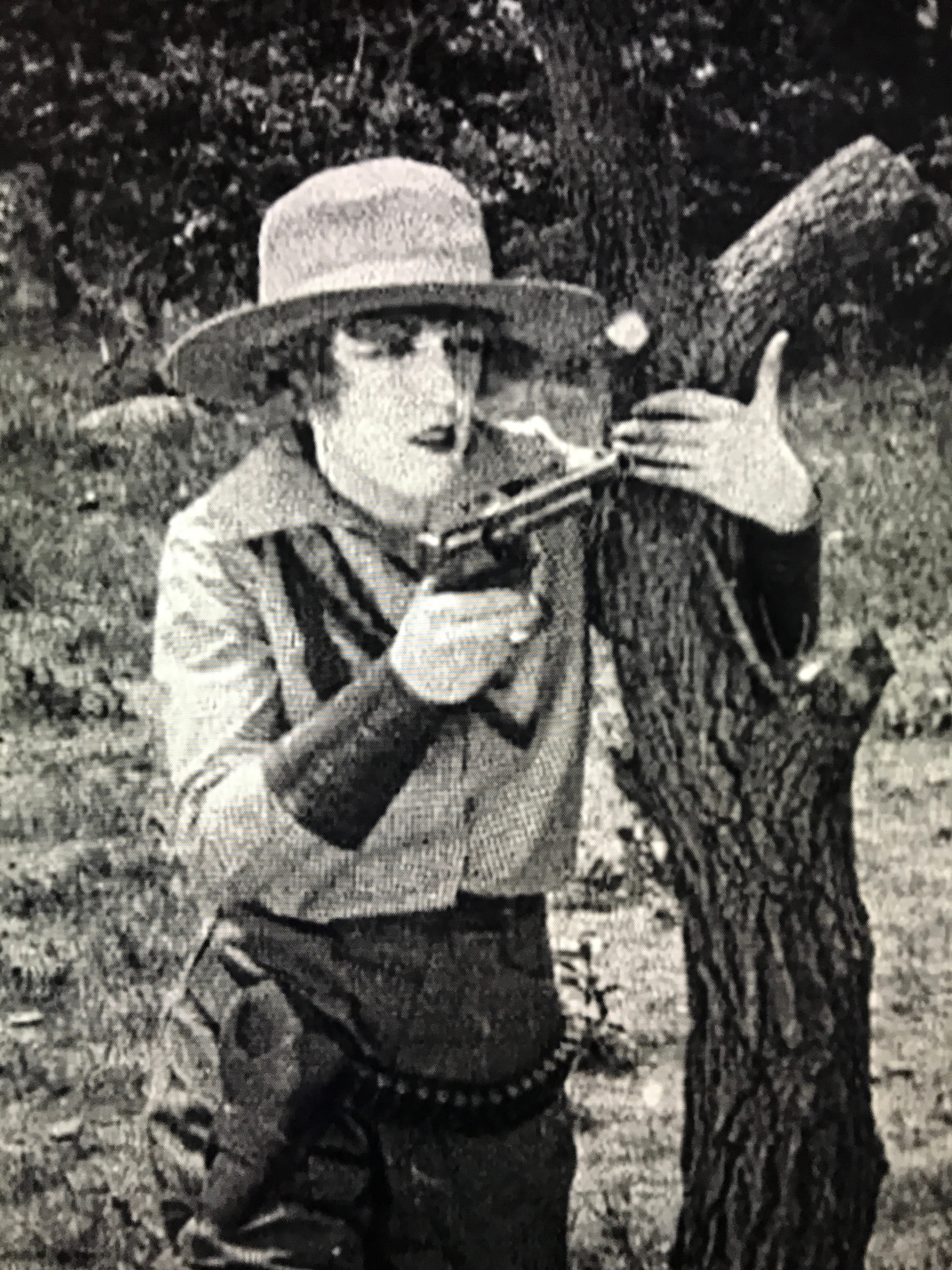
- No Man's Woman: A Western drama where a man returns from the gold fields to find his family stolen by a gambler. The vow of revenge is the central pulse here, a theme that hasn't aged a day in the cult canon.
The Nitrate Ancestry: Why These Shadows Still Matter
Why do we, as veteran film historians and obsessive collectors, still care about these flickering, often silent relics? It is because they represent the 'Primal Flicker.' Before the industry was a monolith, it was a collection of mavericks, weirdos, and entrepreneurs who were willing to film anything—from Teddy Birds (a study of bird life protected by Roosevelt) to Chicken à la Cabaret (a bizarre short involving a magician and stolen watches). This range of content—from the scientific to the absurd—created a diverse ecosystem where the 'weird' could flourish.
The silent era also invented the 'cult of the lost.' Because nitrate is so volatile, thousands of these films have simply vanished. This absence creates a mystical aura around the surviving prints. When we watch a film like The Moonstone (1915), based on the Wilkie Collins novel, we aren't just watching a mystery; we are witnessing a survivor. The Indian priests in disguise, the stolen diamond, the pursuit through London—these are the archetypes that would later populate the pulp and noir genres. They are the 'Nitrate Underworld' that gave us everything from Indiana Jones to the giallo films of Mario Bava.
Conclusion: The Unending Ritual of the Forbidden
The legacy of the silent era’s moral panics is not found in the 'lessons' they claimed to teach, but in the images they were 'forced' to show. By creating a category of film that was 'too dangerous' for the general public, the early film industry inadvertently created the cult devotee. We are the descendants of the people who snuck into back-alley theaters to see the 'Social Hygiene' reels. We are the ones who recognize that Das Herz der Lilian Thorland or Bought and Paid For are not just melodramas, but maps of human frailty and social hypocrisy.
Cult cinema is, at its heart, a refusal to look away. It is an embrace of the 'Burning Question' and the 'Hell Ship.' As we move further into a world of polished, algorithm-driven content, the raw, unfiltered, and often dangerous visions of the silent era become even more precious. They remind us that cinema was born in the dark, and it is in the dark—among the shadows of the forbidden—that it truly lives. The vice was always the point; the virtue was just the ticket to get us through the door.
Community
Comments
Log in to comment.
Loading comments…