Early in the 19th century, Lieutenant Nolan becomes involved in the Burr conspiracy. When Burr is tried for treason, Nolan refuses to reaffirm his allegiance to the United States and declares openly that he hopes never again to see or hear anything of the United States.
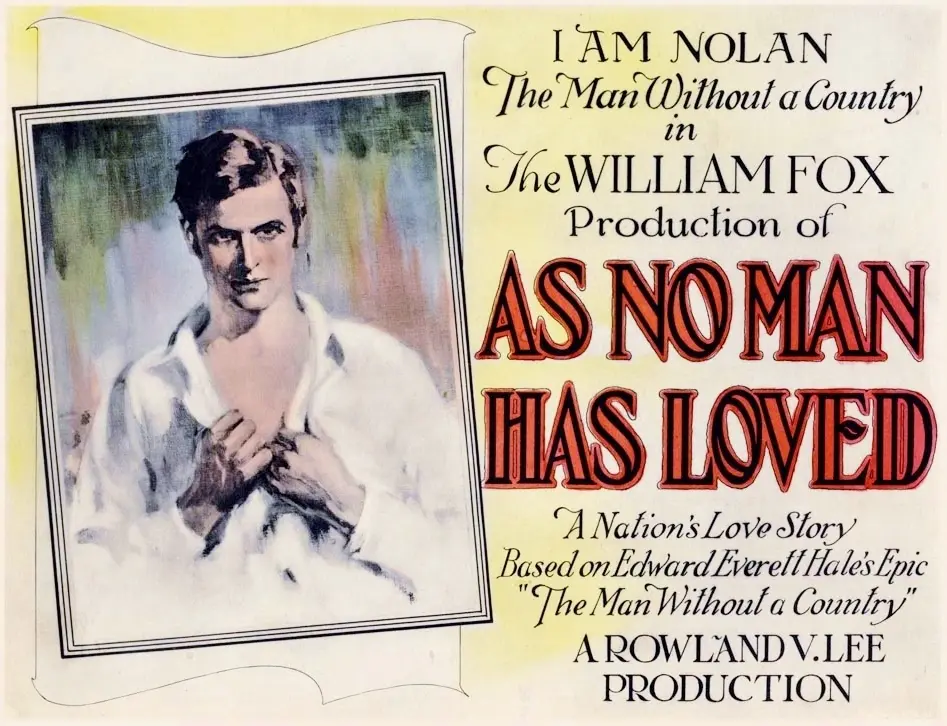
Short answer: yes, but only if you have the patience for the deliberate, often agonizing tempo of 1920s silent melodrama. This film is for the cinematic historian and the lover of grand, sweeping tragedies that explore the intersection of personal ego and national identity, but it is certainly not for those who require...

Comparing the cinematic DNA and archive impact of two defining moments in cult history.
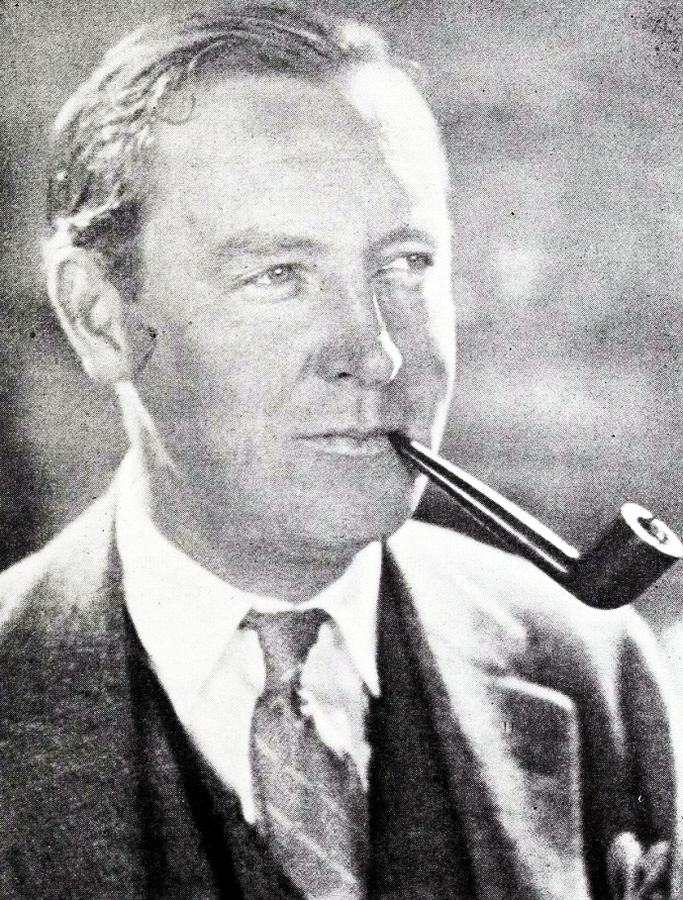
Rowland V. Lee
Dallas M. Fitzgerald
Community
Log in to comment.
"Short answer: yes, but only if you have the patience for the deliberate, often agonizing tempo of 1920s silent melodrama. This film is for the cinematic historian and the lover of grand, sweeping tragedies that explore the intersection of personal ego and national identity, but it is certainly not for those who require modern pacing or moral ambiguity.This film works because it transforms the abstract concept of 'country' into a tangible, aching void that the protagonist must navigate for the re..."
Earl Metcalfe
Edward Everett Hale, Robert N. Lee
United States
Deep dive into the cult classic
Discover similar cinematic experiences
A Directorial Spotlight on Rowland V. Lee