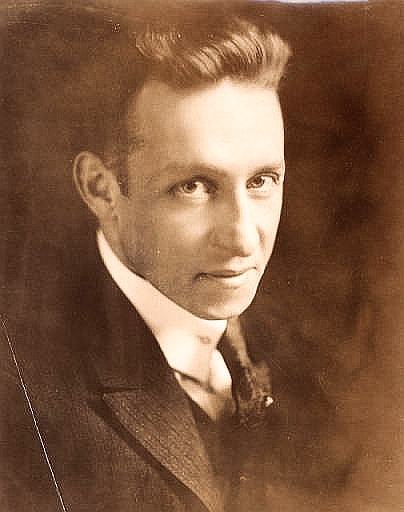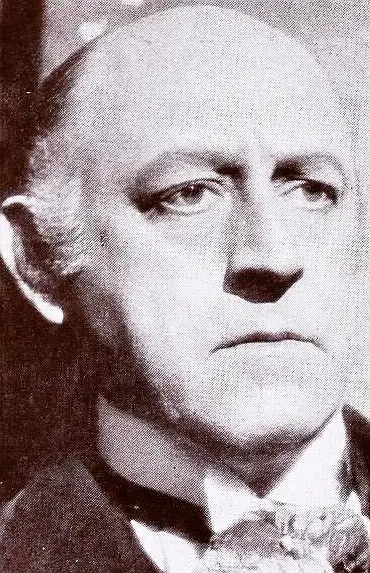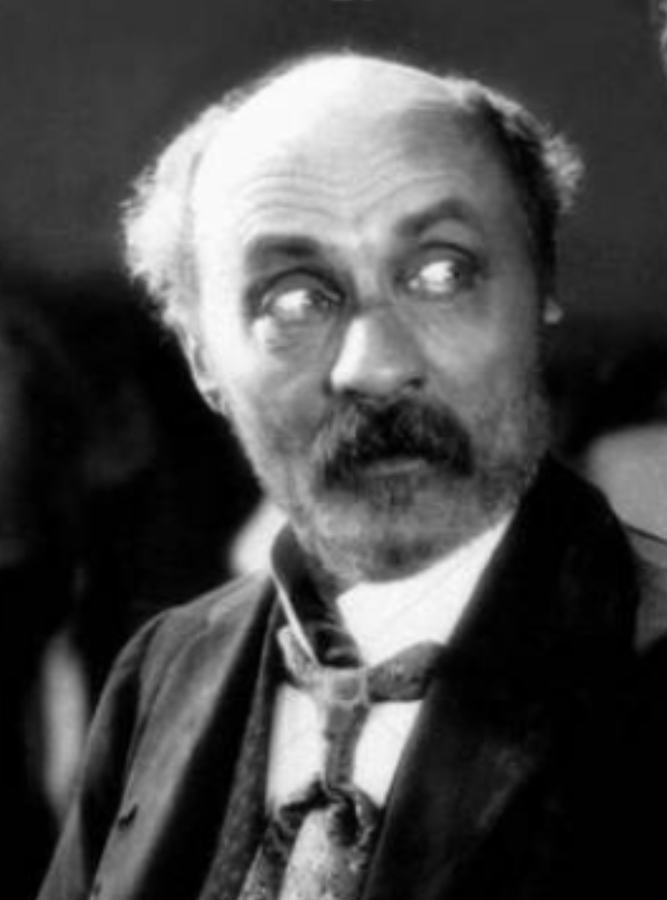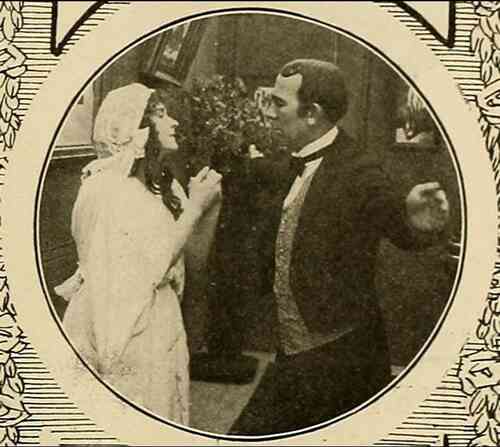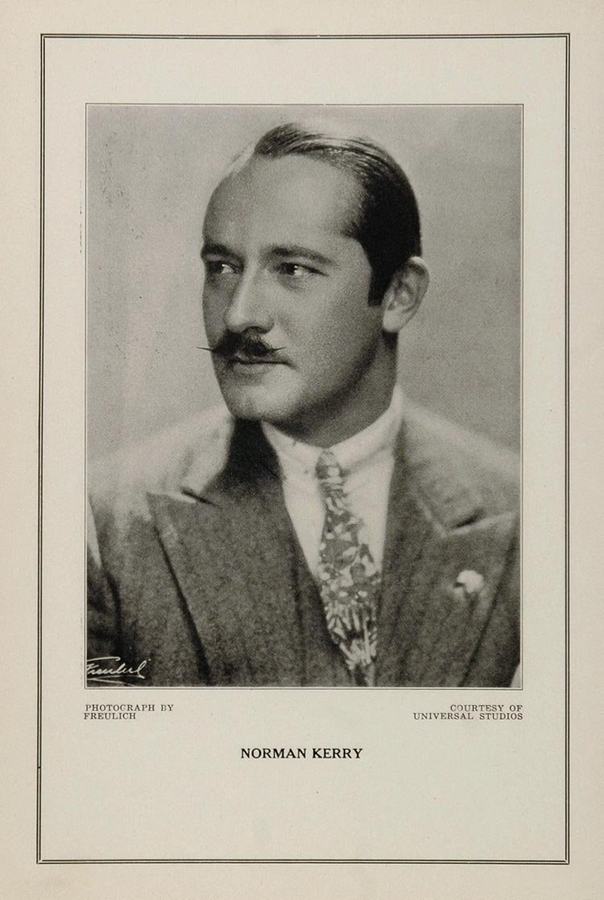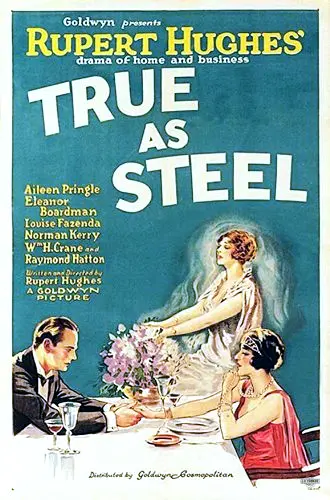
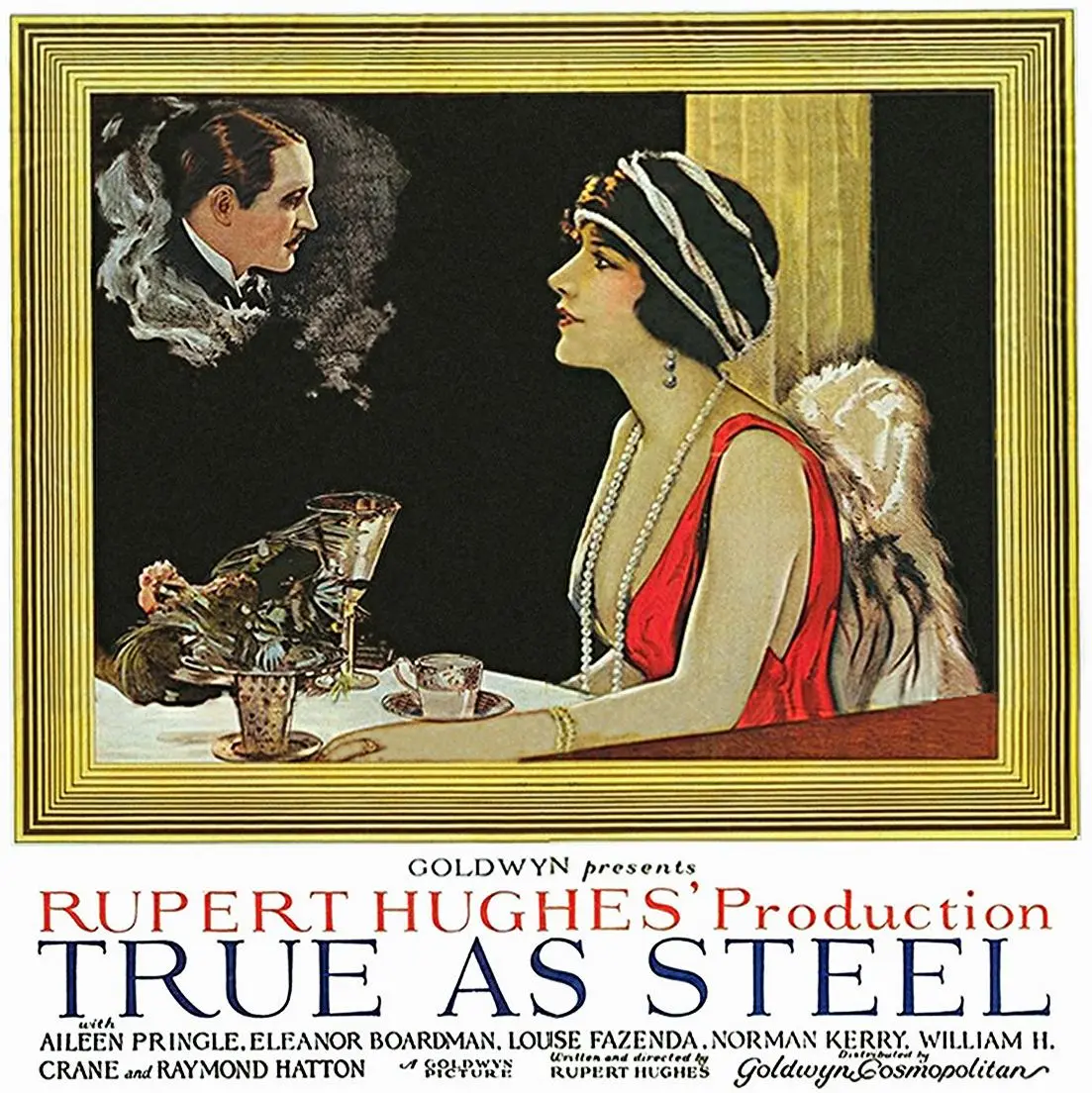
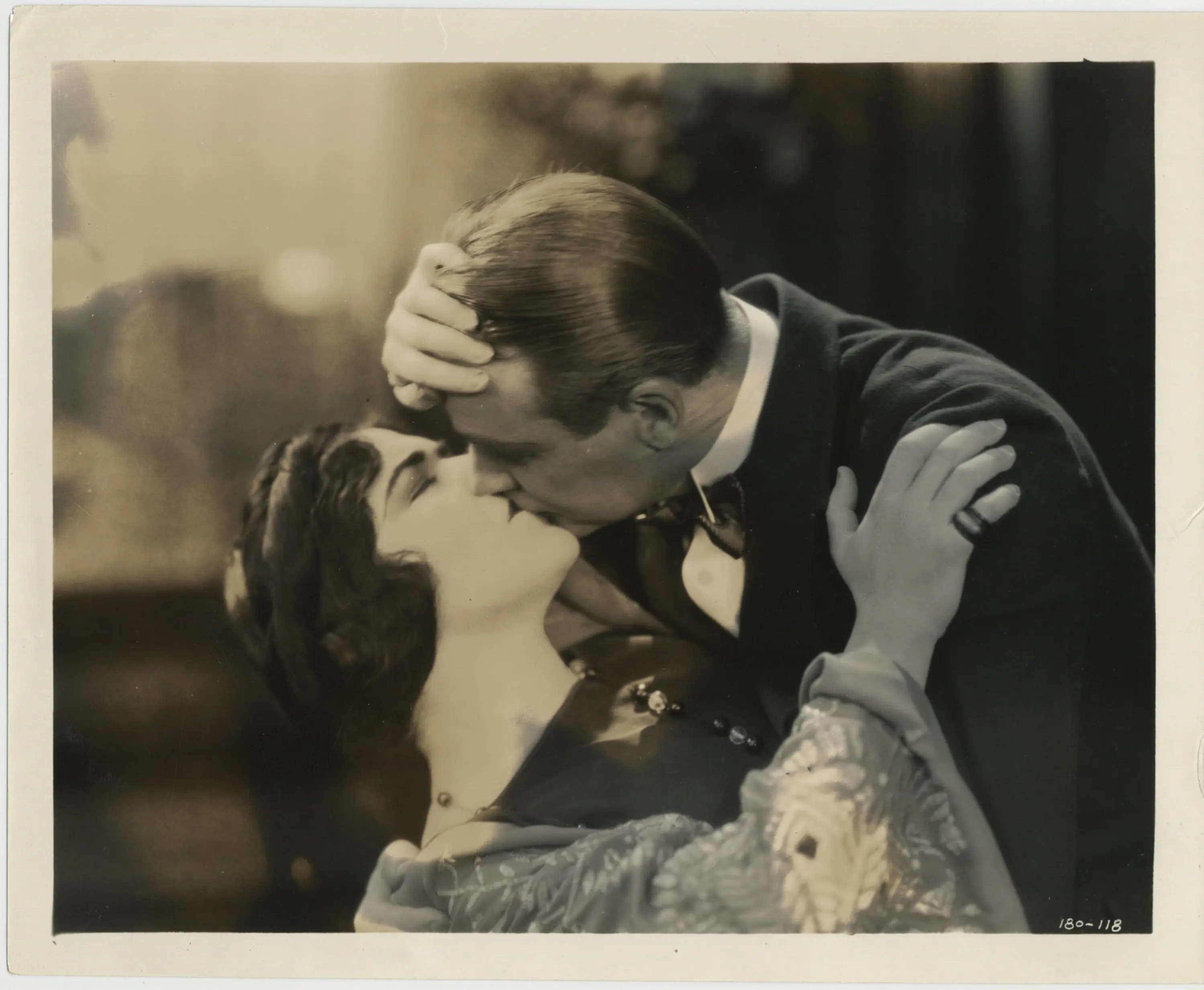
Frank Parry, a prosperous middle-aged manufacturer, takes a business trip to New York, where he becomes infatuated with Eva Boutelle, manager of the Swansea Cotton Mills. For a time, their affair develops, but Eva remains true to her husband and rejects Frank's suggestion that they divorce their spouses and marry each other.
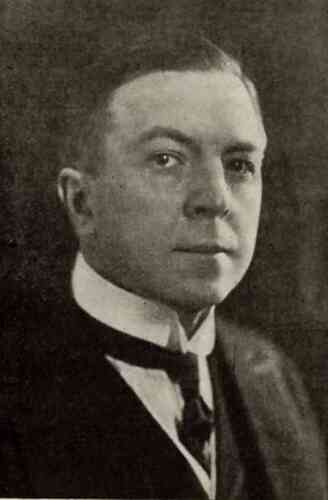
The silent era of cinema often functioned as a crucible for the burgeoning anxieties of a society caught between the Victorian remnants of the past and the relentless acceleration of the industrial future. Rupert Hughes, a polymath of the written word and the silver screen, captured this tension with surgical precisi...
production_art
still_frame
production_art
Comparing the cinematic DNA and archive impact of two defining moments in cult history.
Rupert Hughes
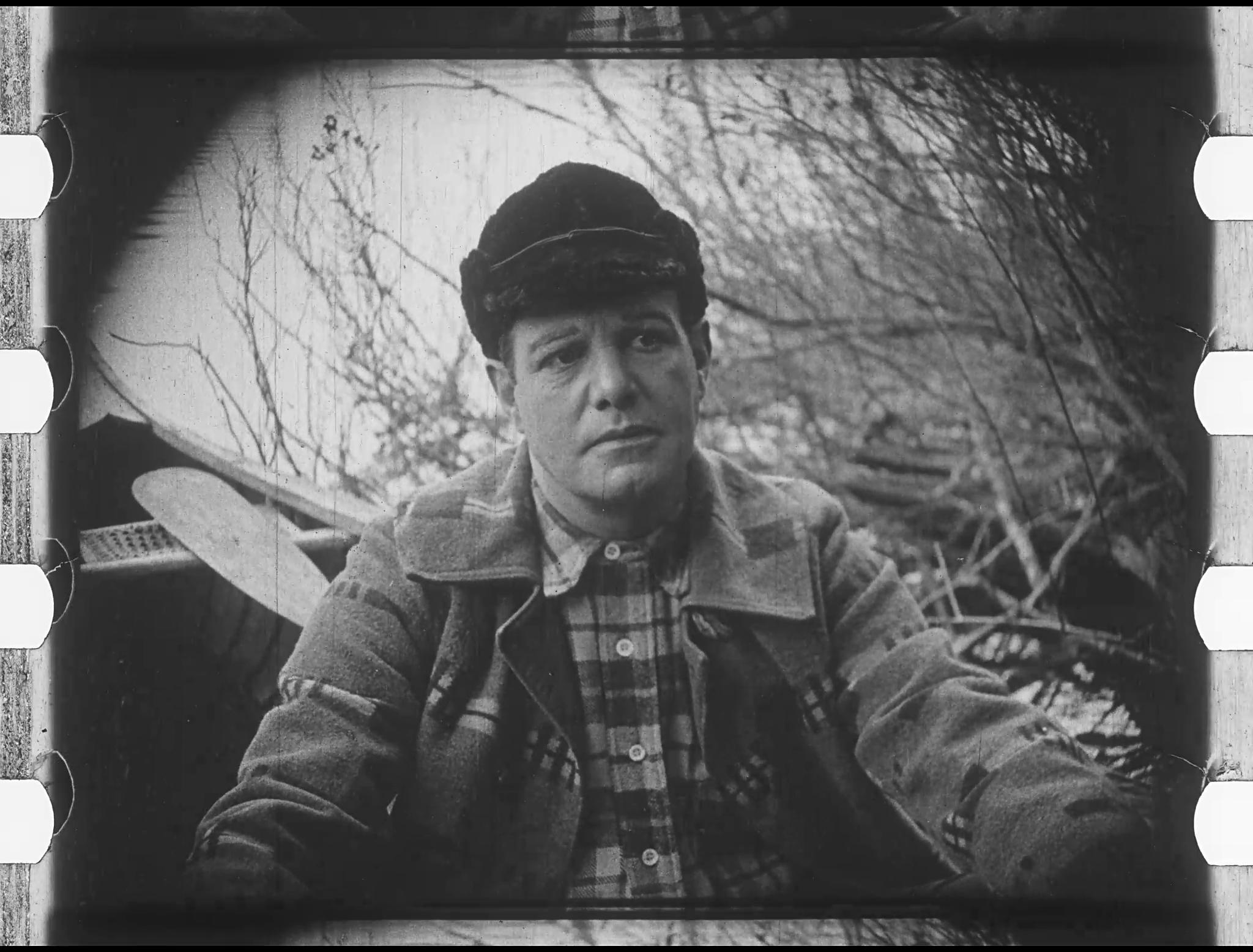
Edgar Jones
Community
Log in to comment.
" The silent era of cinema often functioned as a crucible for the burgeoning anxieties of a society caught between the Victorian remnants of the past and the relentless acceleration of the industrial future. Rupert Hughes, a polymath of the written word and the silver screen, captured this tension with surgical precision in his 1924 opus, True As Steel. Far from being a mere morality play, the film operates as a sophisticated interrogation of the American Dream's byproduct: the existential restl..."
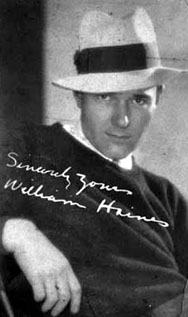
William Haines
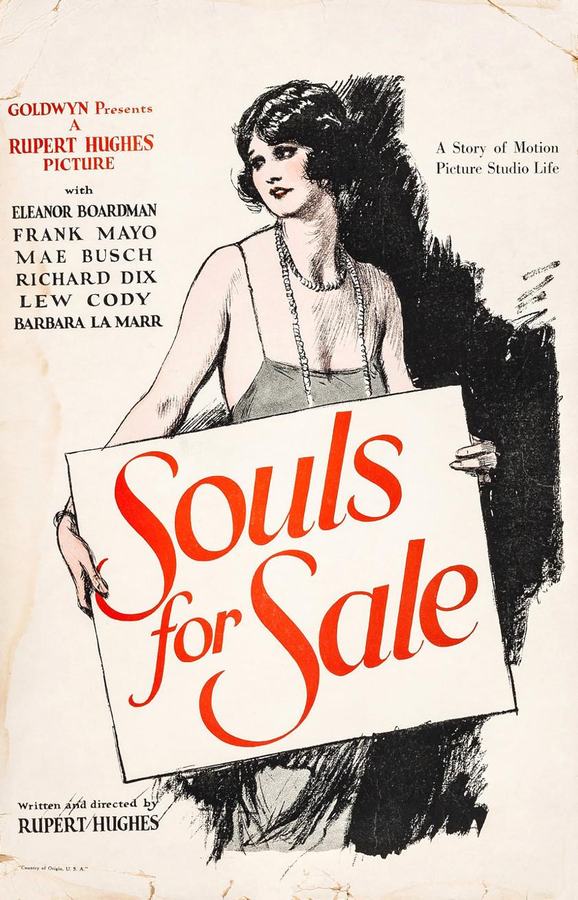
Rupert Hughes
United States

Deep dive into the cult classic
Discover similar cinematic experiences
A Directorial Spotlight on Rupert Hughes