
Deep Dive
The Archetypal Anomaly: Decoding the Pre-Code Roots of Cult Cinema’s Subversive Spirit
“Explore the forgotten origins of cult devotion through the lens of early 20th-century cinema’s most daring experiments and genre-defying narratives.”
When the modern cinephile speaks of cult cinema, the mind often wanders to the neon-drenched midnight screenings of the 1970s or the transgressive underground movements of the 1980s. However, to truly understand the magnetism of the unconventional, we must look further back into the flickering shadows of the early 20th century. The period between 1910 and 1925 was not merely a time of technical discovery; it was a fertile breeding ground for the archetypal anomaly—films that defied the burgeoning Hollywood formula and spoke to the fringes of the human experience. These early works laid the genetic blueprint for what we now recognize as the cult classic: the misunderstood masterpiece, the genre-bending experiment, and the socially defiant narrative.
The Psychological Fracture: DeMille and the Roots of Noir
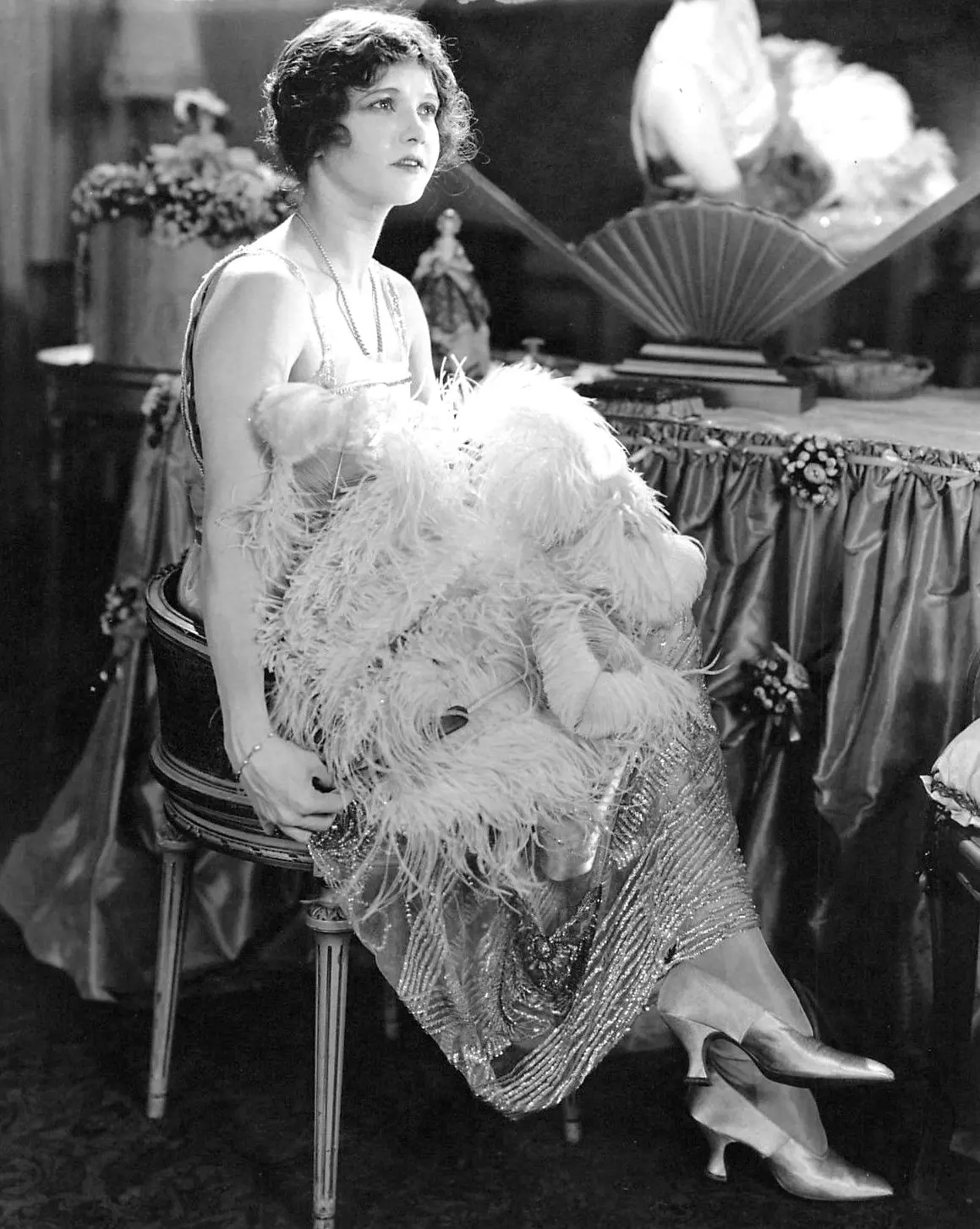
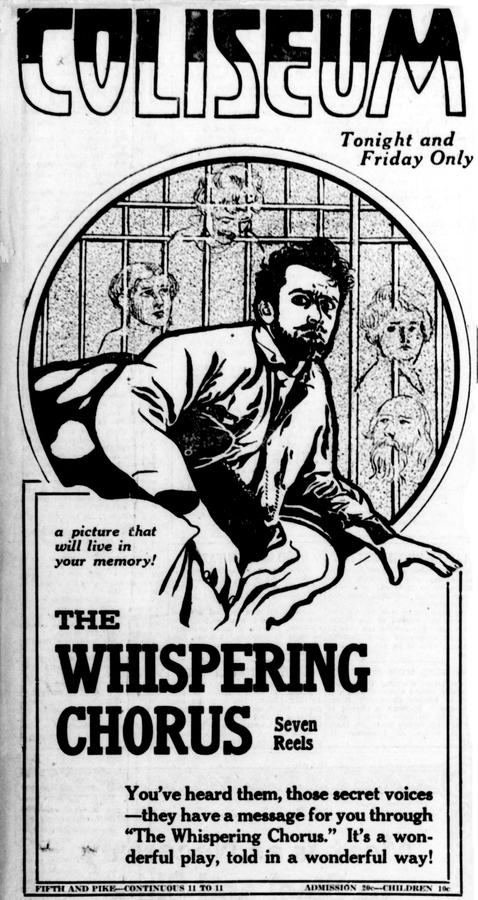
Long before the term 'film noir' was coined, directors were already experimenting with the psychological decay that would later define the cult aesthetic. A prime example is Cecil B. DeMille’s 1918 masterpiece, The Whispering Chorus. This film represents a radical departure from the period's standard morality plays. In it, John Trimble embezzles money and fakes his own death, only to be later arrested for his own murder. The narrative audacity of a man 'murdering himself' creates a surreal, existential dread that resonates with the works of David Lynch or Cronenberg. The whispering voices of his conscience are visualized in a way that prefigures the expressionistic internalizations of modern psychological thrillers. It is this willingness to embrace the grotesque and the morally ambiguous that marks the birth of the cult sensibility.
Genre Anarchy and the Weird Fiction of the 1910s
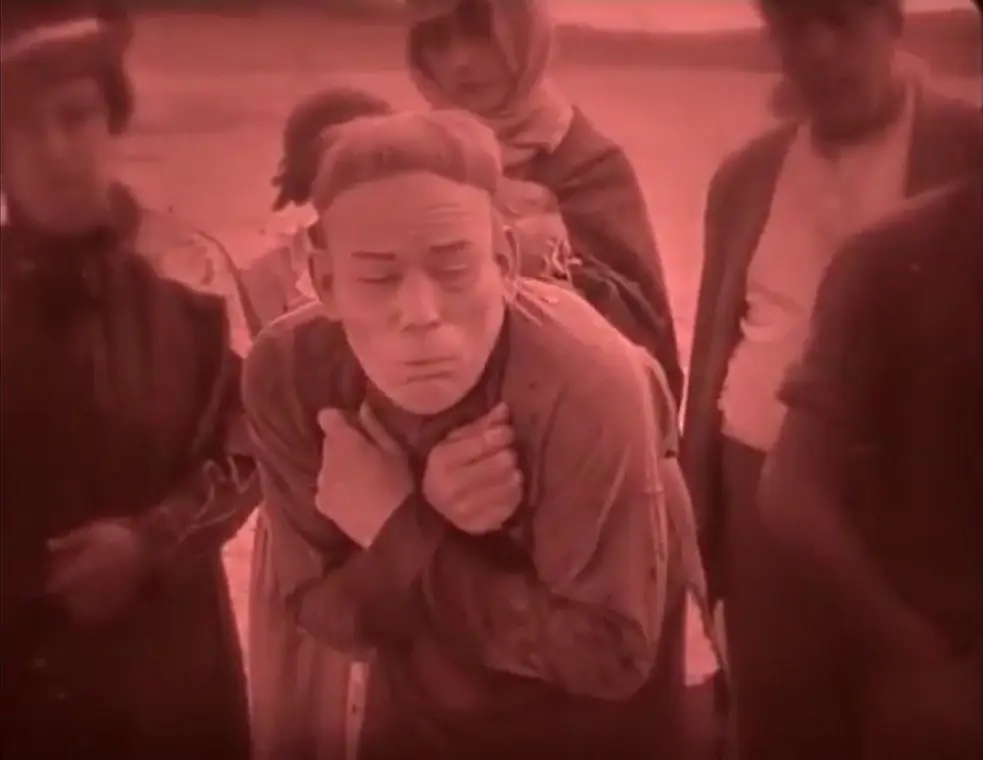
One of the defining characteristics of cult cinema is its refusal to stay within the lines of a single genre. This 'genre anarchy' is vividly present in the 1920 curiosity What Ho, the Cook. Blending elements of crime, fantasy, and comedy, the film creates a tonal dissonance that likely baffled contemporary audiences but would be celebrated today at a festival like Fantastic Fest. This tradition of the 'weird' also finds a home in films like The Janitor, which takes a bumbling, slapstick protagonist and thrusts him into a high-stakes political conspiracy. By subverting expectations of what a comedy or a thriller should be, these films created a space for the niche viewer—the audience member who seeks out the strange and the unclassifiable.
The Serial Obsession: Gold Madness and the Master Key
The concept of 'fandom'—the ritualistic following of a specific narrative—can be traced back to the early serials. The Master Key (1914), particularly its first episode 'Gold Madness,' utilized the cliffhanger and the 'lucky strike' tropes to build a dedicated audience. This episodic devotion is the ancestor of the modern cult television following. The story of James Gallon and his desperate search for gold tapped into a primal American obsession, but it was the madness of the pursuit that elevated it beyond a simple adventure. It explored the psychological toll of greed, a theme that would later become a staple of cult westerns and gritty dramas.
Social Defiance and the Immigrant Soul
Cult cinema has always been a sanctuary for the disenfranchised. In the early 1910s, films like The Immigrant and A Little Sister of Everybody offered a subversive look at the American Dream. In The Immigrant, we see Masha, a young Russian girl, navigating the predatory landscape of the U.S. under the protection of David Harding. The film’s critique of political bosses and the 'Waltons' of the world provides a sharp, anti-establishment edge that is essential to the cult ethos. Similarly, A Little Sister of Everybody features Celeste Janvier, a tenement dweller living with her socialist grandfather. These films didn't just entertain; they acted as radical manifestos for the urban poor, creating a communal bond between the screen and the marginalized spectator.
The Surrealist Dreamscape of 'The Slave'
Visual experimentation is another pillar of the cult experience. In the 1917 film The Slave, director Robert G. Vignola utilizes a dream sequence to explore the anxieties of domesticity and class. When Caroline dreams of marrying a wealthy man who turns vicious and keeps her locked away, the film transcends its melodramatic roots and enters the realm of the surreal. This use of dream logic to reveal hidden truths about the female experience is a precursor to the transgressive feminist cinema of the 1970s. It challenges the viewer to look past the surface of the image and engage with the subconscious.
The Anti-Hero and the Love Liar
The cult icon is rarely a traditional hero. Usually, they are magnetic, flawed, and often destructive. The Love Liar (1916) introduces us to David McCare, a musical genius who is worshiped by women and hated by men. He is the quintessential 'tortured artist,' a figure who would later be personified by actors like James Dean or Nicolas Cage. McCare’s betrayal of Margie Gay for an heiress paints him in shades of gray, forcing the audience to grapple with their attraction to a character who is fundamentally broken. This moral complexity is what keeps cult films alive in the cultural conversation; they do not offer easy answers, only haunting questions.
Murnau and the Fragmented Legacy
No discussion of the 'cult' roots of cinema is complete without mentioning the influence of German Expressionism, even in its more obscure forms. Marizza (1922), an early work by F.W. Murnau, deals with the hypnotic power of a woman over smugglers and officials. While much of Murnau's work is canonized, Marizza exists in that liminal space of the 'lost' or 'fragmented' masterpiece—a status that only increases a film's cult allure. The obsession with finding lost reels and reconstructing the original vision of a director is a ritual that defines the cult community. The 'lovely Maritza' herself serves as a prototype for the femme fatale, a figure who navigates a world of moral decay with a power that is both terrifying and alluring.
Western Subversions: Tennessee’s Pardner
The Western is often seen as the most rigid of American genres, yet early examples like Tennessee’s Pardner (1916) show that subversion was there from the start. The relationship between the cowpoke and the disreputable gambler challenges the 'white hat vs. black hat' dichotomy. By making a gambler the moral catalyst of the story, the film critiques the hypocrisies of the 'civilized' world. This interest in the honor among thieves is a recurring theme in the cult westerns of the 1960s, proving that the rebel heartbeat of the genre was drumming long before the Revisionist era.
The Absurdist Comedy: From 'He Did and He Didn't' to 'Oh, Girls!'
Comedy in the silent era often veered into the dark and the absurdist, providing a foundation for the 'dark comedies' of today. He Did and He Didn't (1916) features a hero who, after being jilted, tries various methods of 'getting rid of life,' only to be frustrated at every turn. This flirtation with suicide as a comedic device is shockingly modern and fits perfectly within the transgressive boundaries of cult humor. Similarly, the burlesque style of Little Lord Fond o' Joy and the misadventures in A Flivver Wedding showcase a willingness to mock established cultural icons and social norms. These shorts were the 'underground zines' of their day, providing a satirical counter-narrative to the polished features of the major studios.
Conclusion: The Eternal Flame of the Unconventional
The films of the 1910s and 1920s—from the psychological depth of The Whispering Chorus to the social critiques of The Immigrant—did more than just tell stories. They established a language of cinematic rebellion. They proved that the screen could be a place for the weird, the broken, and the defiant. When we watch a modern cult classic, we are seeing the echoes of these early pioneers. We are participating in a century-old tradition of looking into the shadows and finding something that speaks to our own internal anomalies. The cult movie is not a modern invention; it is an eternal pulse, a flickering light that has been burning since the very first reels began to spin. As we continue to unearth these forgotten gems like The Master Man or The Web of Deceit, we are not just looking at history; we are looking at the soul of cinema itself—unfiltered, unrefined, and gloriously strange.
Community
Comments
Log in to comment.
Loading comments…