
Cult Cinema
The Architecture of Anarchy: Decoding the Silent Era's Original Cult Deviants
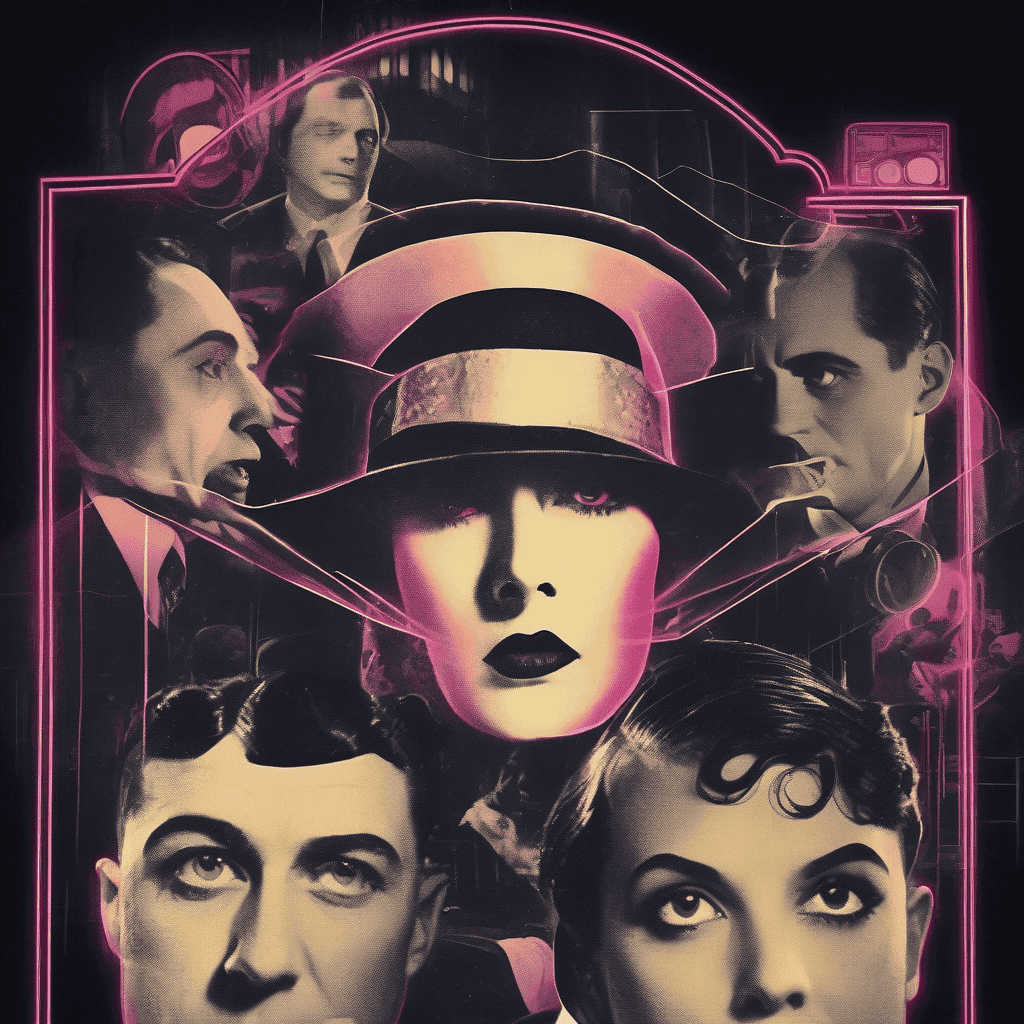
“A deep dive into the transgressive roots of cult cinema, tracing how the forgotten rebels and genre-bending anomalies of the 1910s and 1920s engineered the midnight movie psyche.”
When we speak of cult cinema, the mind often drifts toward the neon-soaked midnight screenings of the 1970s or the transgressive VHS underground of the 1980s. However, the genetic blueprint of the cinematic outlier was drafted much earlier, in the flickering shadows of the silent era. Long before the term 'cult' was codified by critics and academics, a legion of maverick filmmakers and narrative mutants were already pushing the boundaries of what the medium could—and should—represent. These films, often dismissed as mere curiosities or lost to the ravages of nitrate decay, provided the primordial spark for the modern cult obsession. To understand the cult movie, one must look back at the architecture of anarchy built during cinema's first three decades.
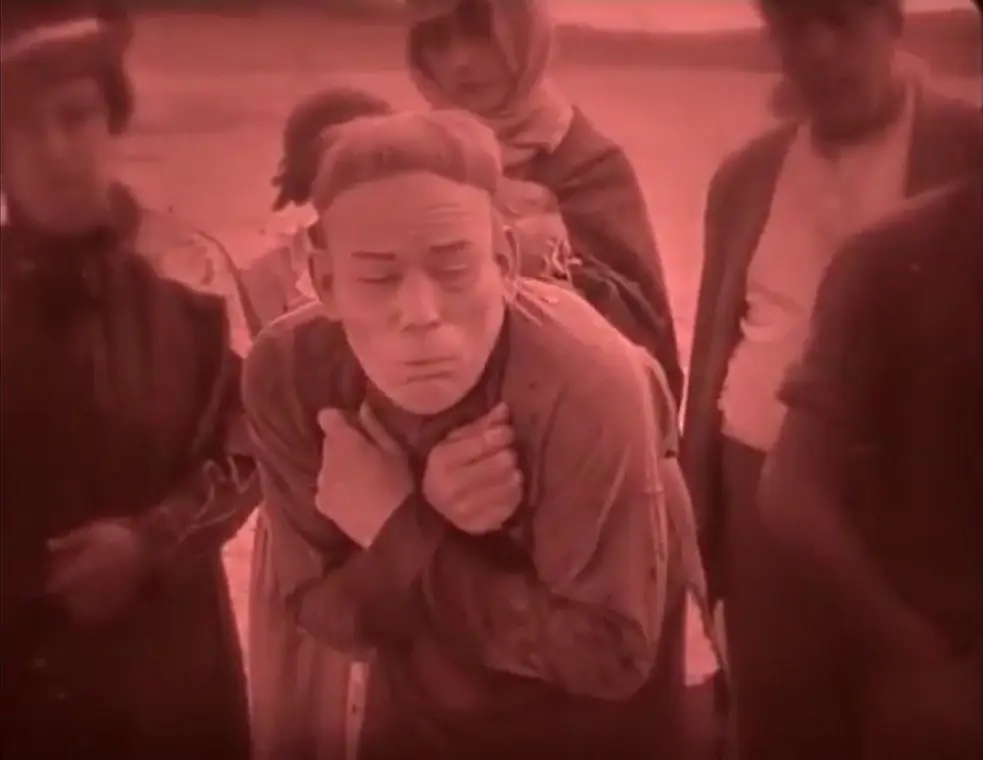
The Political Agitator as Cinematic Outlaw
The cult ethos has always been inextricably linked to rebellion—a rejection of status quo values in favor of a more raw, unfiltered truth. We see this manifest early in the 1910s with films that tackled social upheaval and systemic corruption with a ferocity that would make modern provocateurs blush. Take, for instance, the 1910 production The Upstart. Its narrative of a man leaving his family to fight 'social evils' like loveless marriages and divorce wasn't just a drama; it was a manifesto. It challenged the domestic sanctity of the Edwardian era, positioning its protagonist as a moral wanderer—a trope that would later define cult icons from Mad Max to the drifters of Jodorowsky.
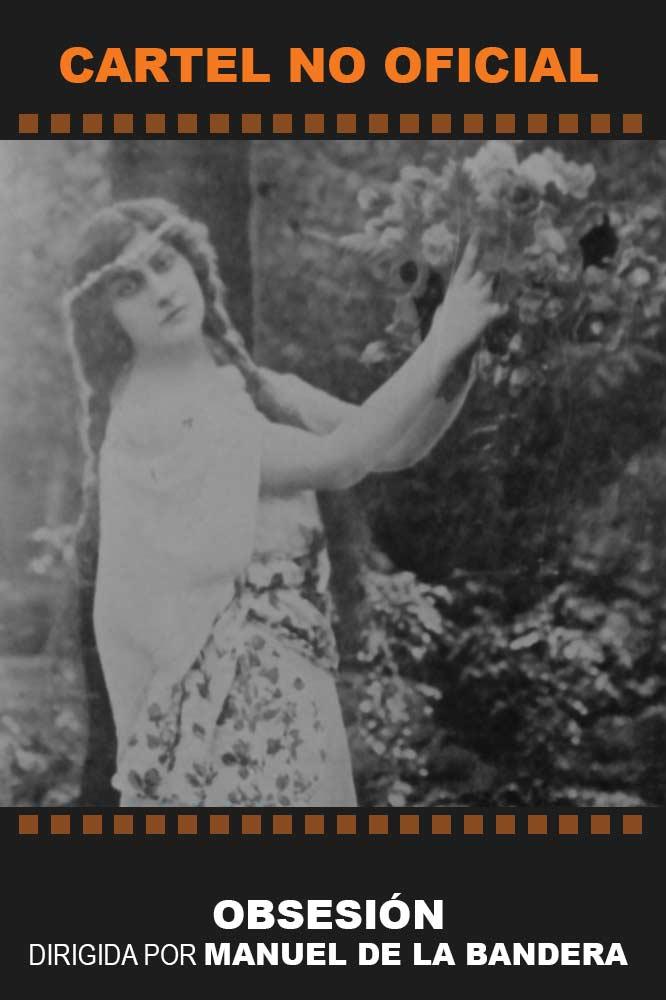
Similarly, From Dusk to Dawn (1913) offered a radical glimpse into labor relations. By depicting an iron works employee fired as a 'dangerous agitator' who eventually runs for governor on a labor ticket, the film tapped into the growing proletarian unrest of the pre-war period. This is the political DNA of cult cinema: the story of the disenfranchised outsider fighting a behemoth system. These films didn't just entertain; they galvanized, creating a specialized audience that looked to the screen for a reflection of their own struggles against the machinery of power.
Gender Fluidity and the Subversion of Identity
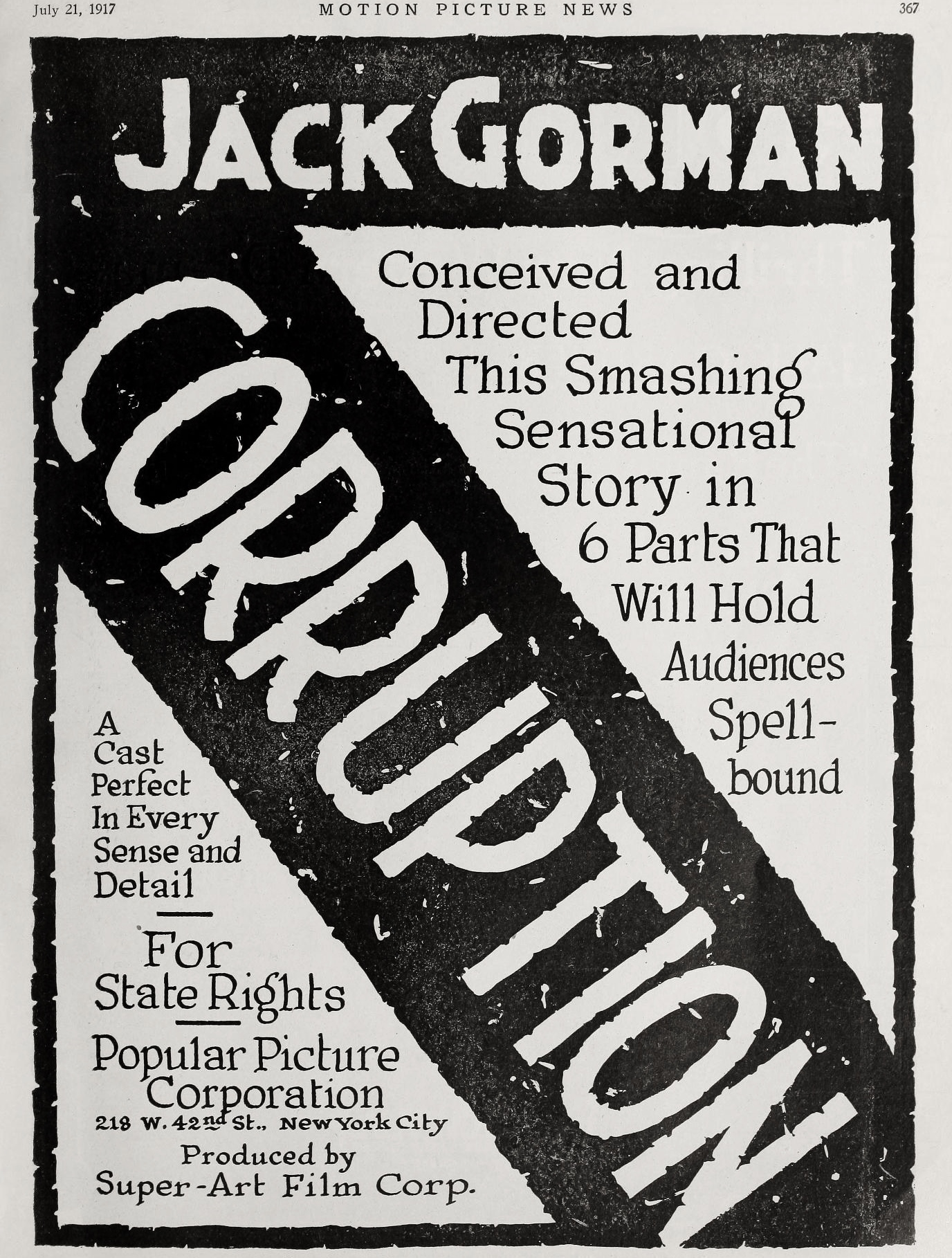
Modern cult cinema is celebrated for its exploration of gender and identity, yet the silent era was surprisingly adept at playing with these concepts under the guise of melodrama. The Mountain Woman (1921) presents a fascinating case study in proto-cult gender subversion. The character of Alexander McGivens, known as 'the girl in pants,' is raised as a boy by her father. This narrative of forced identity and the subsequent struggle for self-definition resonates with the transgressive themes found in later cult classics like Pink Flamingos or The Rocky Horror Picture Show. It represents a fundamental 'weirdness' that mainstream audiences of the time found perplexing, but which niche viewers embraced as a radical departure from the norm.
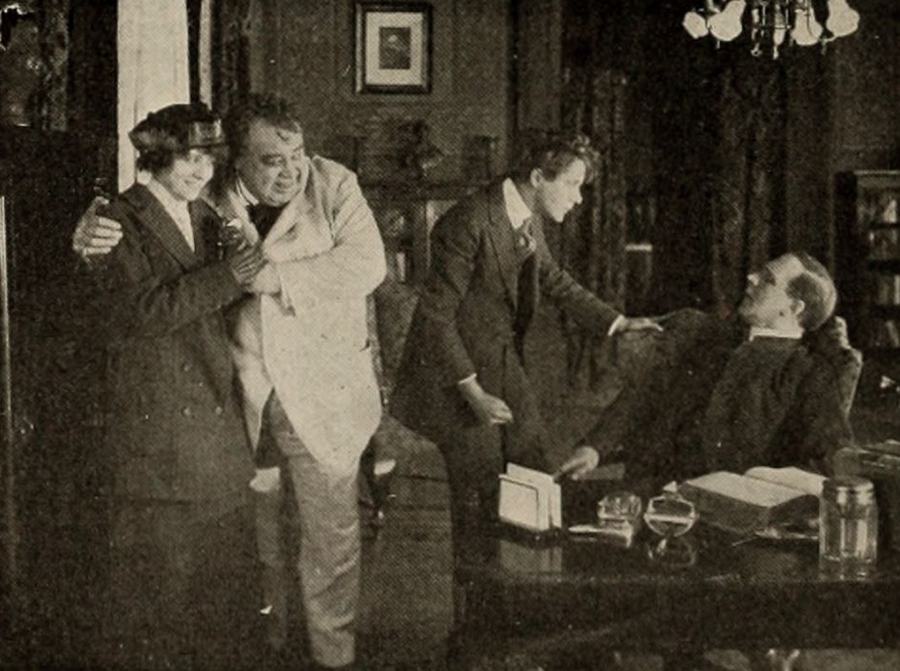
We see a different facet of identity play in She Couldn't Grow Up (1919), where a young woman is forced to dress as a child to stay in the background of her sister's social life. This absurdity—the performance of age and the manipulation of the female form for social utility—is a hallmark of the cult of the grotesque. It highlights the performative nature of identity, a theme that would be explored decades later by the likes of John Waters and David Lynch. These early films were the first to suggest that the self is a costume, a malleable entity that can be reshaped to suit (or subvert) the needs of the narrative.
The Birth of the Genre Mutant
Cult cinema thrives on the 'genre mutant'—films that take established tropes and twist them into something unrecognizable. The silent era was a laboratory for such experiments. The Monster of Frankenstein (1920), an Italian adaptation of Mary Shelley’s masterwork, is a prime example of early horror’s ability to alienate and fascinate in equal measure. Long before Boris Karloff’s iconic turn, these early iterations of the monster were exploring the 'otherness' that is central to cult devotion. The monster is the ultimate outsider, a tragic figure born of science and rejected by society—a mirror for every cult fan who has ever felt like a misfit.
The Comedy of the Extreme
While drama and horror provided the soul of the cult movement, comedy provided its nerve. The silent era’s 'thrill comedies' were the precursors to the extreme cinema of today. High and Dizzy (1920) features a tipsy doctor sleepwalking on a building ledge. The sheer visceral terror of the height, blended with the absurdity of the situation, creates a tension that is foundational to the cult experience. It’s the thrill of the 'how did they film that?'—a question that drives the fandom of stunt-heavy and low-budget cult gems.
Even more bizarre is Bound and Gagged (1919), where a hero’s fiancée agrees to travel around the world starting 'absolutely naked' and without money. This premise is pure cult lunacy, a narrative challenge so extreme and ridiculous that it transcends traditional storytelling to become something purely experiential. This is the absurdist heart of the midnight movie: the willingness to follow a premise to its most illogical and uncomfortable conclusion.
Depravity, Addiction, and the Moral Underground
The 'forbidden' nature of cult cinema often stems from its willingness to depict the darker corners of the human condition. The silent era did not shy away from these depths. The Dividend (1916) is a harrowing exploration of a wealthy young man’s descent into depravity, drug addiction, and crime. By depicting the failure of 'social standing and duty,' the film provided a counter-narrative to the era’s usual moralizing tales. It wasn't just a warning; it was a gritty, unflinching look at the collapse of the American Dream, a theme that would become a staple of the 1970s New Hollywood cult wave.
This fascination with the 'fallen' figure is also evident in To Him That Hath (1918), where a man takes the blame for a dead friend’s theft and serves five years in prison. The story of the ex-convict trying to 'start life anew' is the quintessential cult narrative of redemption on the fringes. These films recognized that the most interesting stories happen after the fall, in the shadows where the respectable world refuses to look.
Global Visions and Narrative Anarchy
Cult cinema is a global language, and its roots are spread across continents. From the nationalistic fervor of The Independence of Romania (1912) to the revolutionary newsreels of Kino-pravda no. 9 (1922), filmmakers were using the camera to redefine reality itself. Dziga Vertov’s 'cinema-truth' was a radical departure from the staged dramas of the time. By documenting Russian life with a kinetic, experimental eye, Vertov created a form of narrative anarchy that would influence the avant-garde and underground movements for a century. Kino-pravda wasn't just news; it was a visual assault on the traditional ways of seeing, a core tenet of the cult aesthetic.
Even classical adaptations were not immune to the cult touch. The 1914 version of Anna Karenina brought Tolstoy’s tale of extramarital ruin to the screen with a starkness that emphasized the 'grave consequences' of defying social norms. In the hands of early Russian filmmakers, these stories became more than just tragedies; they became explorations of the individual’s war against an unyielding society. This 'individual vs. society' conflict is the beating heart of every cult masterpiece, from the silent era to the present day.
The Legacy of the Forgotten Frame
Why do we still obsess over these 'relics'? It is because they represent a time of pure cinematic possibility. Before the industry was streamlined into a predictable machine, there was room for the weird, the wild, and the truly unconventional. Films like A Princess of Bagdad (1913), with its treasure caves and imprisoned cobblers, or The Silent Mystery (1918), featuring stolen Egyptian jewels and mummy’s sarcophagi, offered a sense of wonder and 'pulp' excitement that mainstream cinema would eventually sanitize.
The cult movie is essentially a 'misfit' film that finds its family. Whether it’s the slapstick chaos of Dud's Home Run (1914) or the complex social dynamics of The Dwelling Place of Light (1920), these works speak to the parts of us that feel out of sync with the world. They remind us that there has always been a place for the 'dangerous agitator,' the 'girl in pants,' and the 'monster' on the silver screen. As we continue to excavate the history of cinema, we find that the midnight movie didn't start at midnight; it started the moment the first camera began to roll, capturing the beautiful nonsense of a world that was already far stranger than we dared to admit.
Conclusion: The Eternal Return of the Maverick
The 50 films discussed here—from the animated antics of Flip's Circus (1921) to the gritty western realism of Rangeland (1922)—are more than just historical footnotes. They are the ancestral spirits of the cult underground. They prove that the impulse to subvert, to shock, and to speak for the outcast is as old as the celluloid itself. By decoding the architecture of anarchy in the silent era, we gain a deeper appreciation for the modern cult films we love today. We see that the maverick soul of cinema is not a recent development, but a continuous, transgressive thread that has always pulled us toward the fringe, toward the light of the projector, and toward the glorious weirdness of the unseen reel.
Community
Comments
Log in to comment.
Loading comments…