
Cult Cinema
Beyond the Fringe: Unearthing Cult Cinema's Enduring Allure and Maverick Spirit
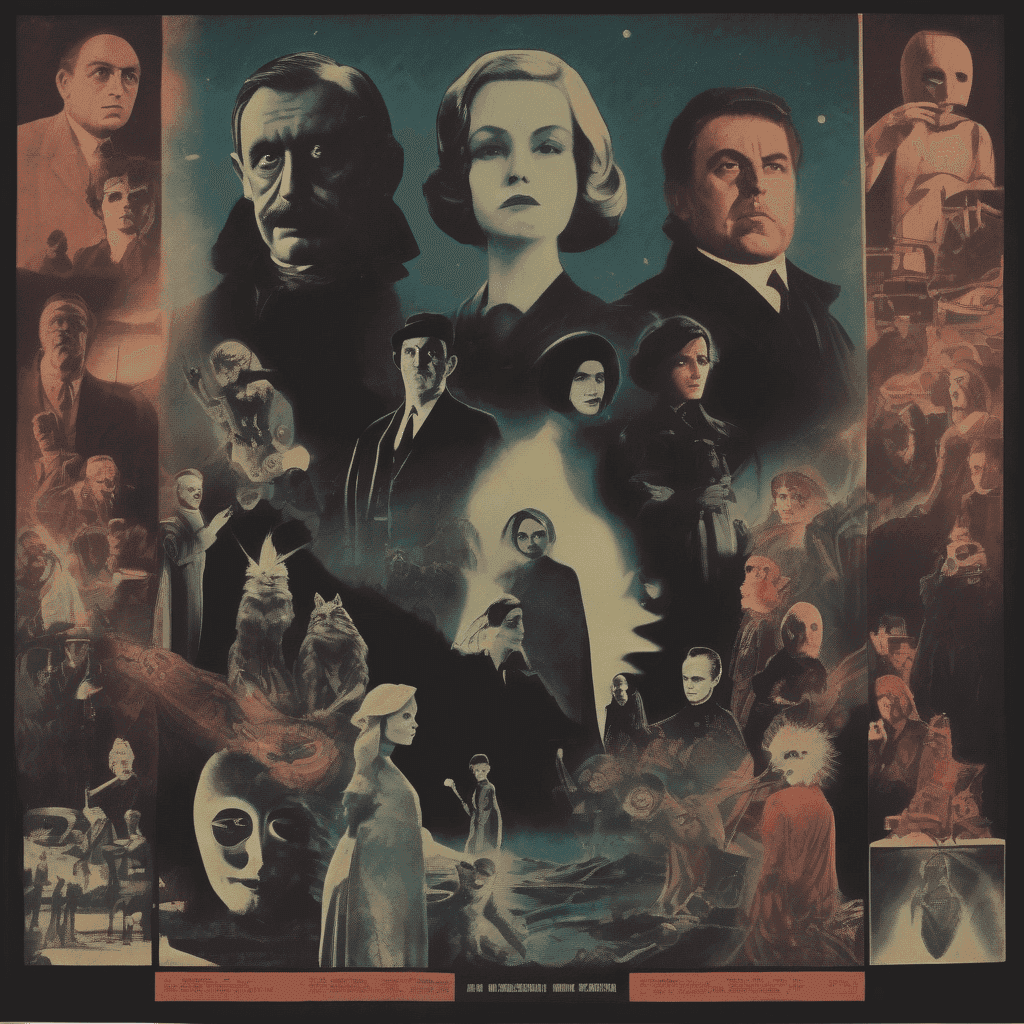
“Cult cinema thrives on the unconventional, drawing dedicated audiences to films that defy easy categorization and challenge the mainstream. This deep dive explores the magnetic pull of these cinematic anomalies, from their rebellious narratives to their lasting cultural impact.”
In the vast, ever-expanding universe of film, there exists a peculiar constellation known as cult cinema. These aren't merely popular films; they are cinematic anomalies that have transcended fleeting trends to forge an enduring, almost spiritual, connection with their audiences. Cult films operate on a different wavelength, often initially overlooked or misunderstood, only to be embraced by a fervent, dedicated fandom. They are the cinematic outsiders, the mavericks, the films that dare to be different, and in doing so, carve out an indelible niche in the cultural consciousness.
What is it about a film that elevates it from obscurity to cult status? It’s a complex alchemy of unconventional narratives, distinctive aesthetics, and a palpable sense of rebellion against cinematic norms. These films often explore themes that resonate deeply with audiences seeking something beyond the predictable, something that challenges their perceptions or offers a mirror to their own fringe experiences. From silent era provocations to modern midnight movie mainstays, the lineage of cult film is rich with stories that refused to be forgotten.
The Genesis of the Unconventional: Early Seeds of Cult Fandom
While the term 'cult film' might evoke images of midnight screenings from the 1970s, its roots run far deeper, reaching back into the nascent days of cinema. Even in the early 20th century, certain films began to exhibit traits that would later define the cult aesthetic: a willingness to experiment, to tackle challenging subjects, or to present narratives that diverged sharply from mainstream sensibilities. These early rebel reels, though perhaps not explicitly labeled 'cult' at the time, laid the groundwork for future cinematic subversion.
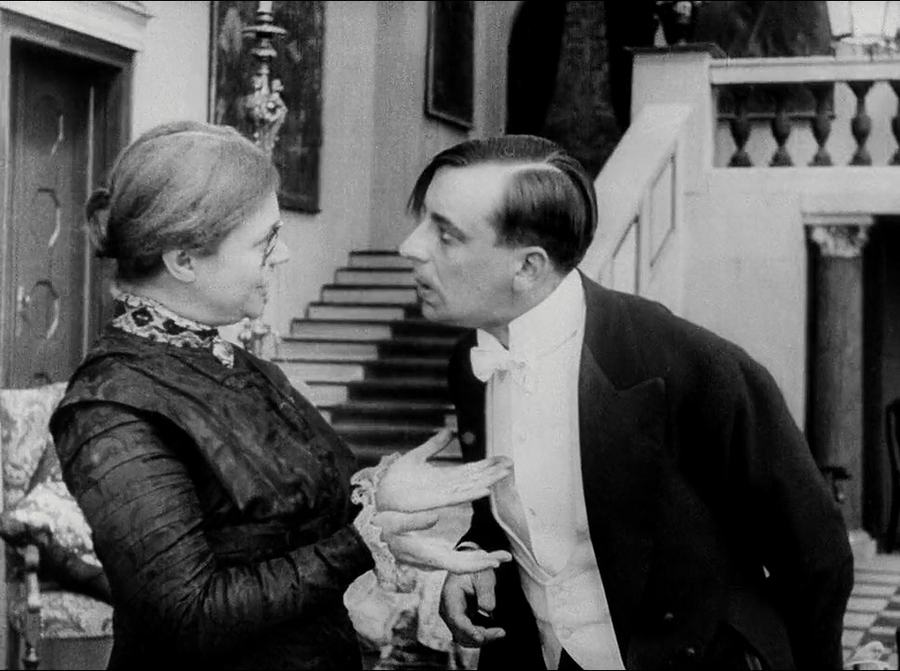
Consider films that explored societal expectations and gender roles, such as the German silent film I Don't Want to Be a Man. Its playful yet insightful portrayal of a young woman subverting gender norms by masquerading as a man was, in its era, a daring exploration of identity and freedom. This kind of thematic transgression and questioning of the status quo is a hallmark of cult cinema, appealing to those who feel similarly constrained by societal expectations. It's not just about entertainment; it's about seeing oneself reflected, or finding an outlet for unspoken desires and frustrations.
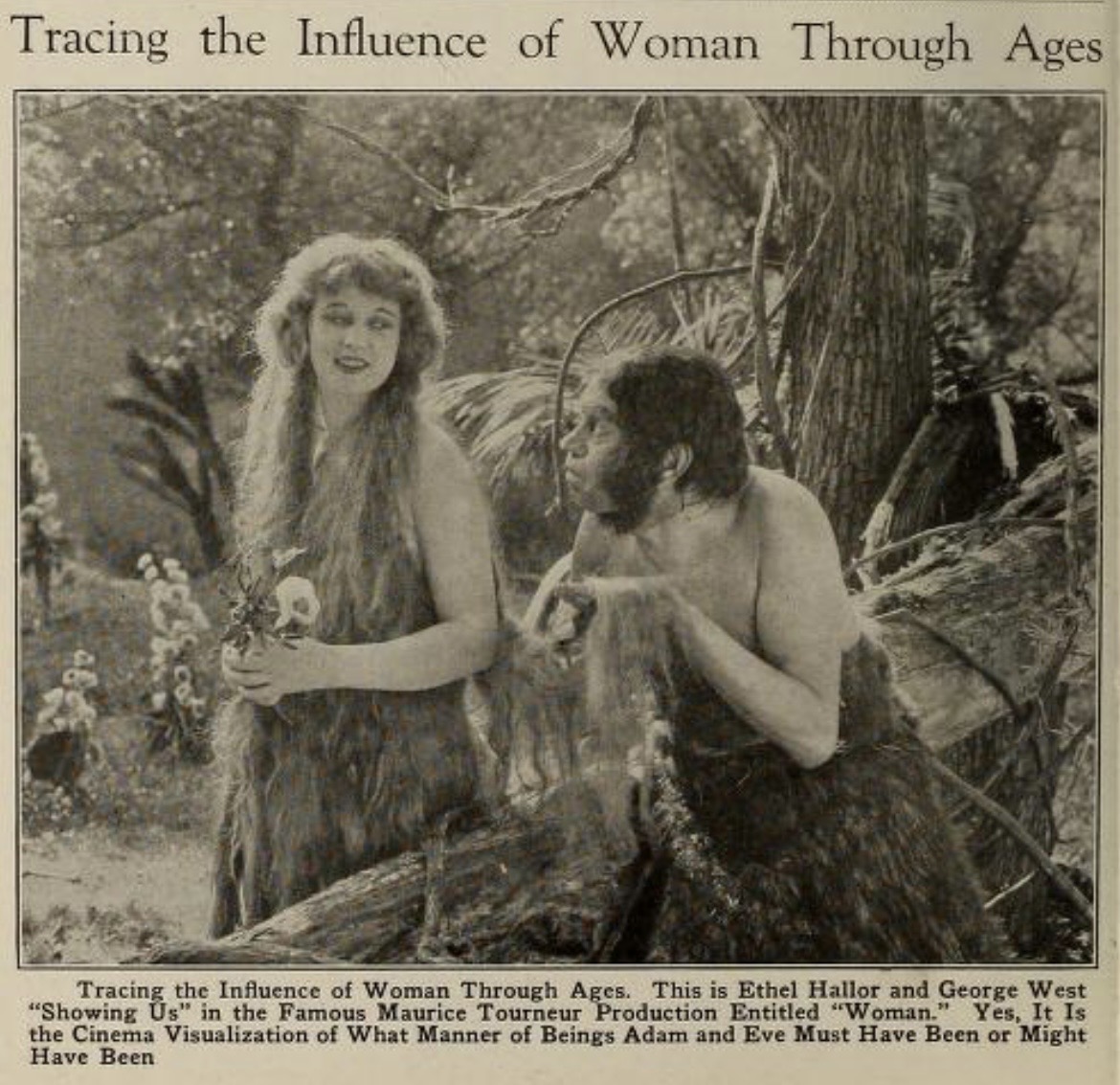
Similarly, early dramas and westerns often contained elements of moral ambiguity and complex character arcs that defied simple good-vs-evil narratives. A film like Hell's Hinges, with its tale of a reformed outlaw, delved into themes of sin, redemption, and the corrupting influence of society, offering a nuanced perspective that resonated beyond typical genre tropes. These narratives, rich in psychological depth, invited repeat viewings and deeper analysis, fostering the kind of engaged viewership that defines cult devotion.
The Power of the Outlier: Challenging Norms and Redefining Genres
What truly sets cult films apart is their steadfast refusal to conform. They are genre-bending, often blending elements in unexpected ways, or pushing existing boundaries to their limits. This willingness to experiment ensures that no two cult films are exactly alike, contributing to their unique and lasting appeal. Whether it's a drama infused with social commentary or a comedy with a dark, subversive edge, these films consistently deliver the unexpected.
Narrative Transgression and Social Commentary
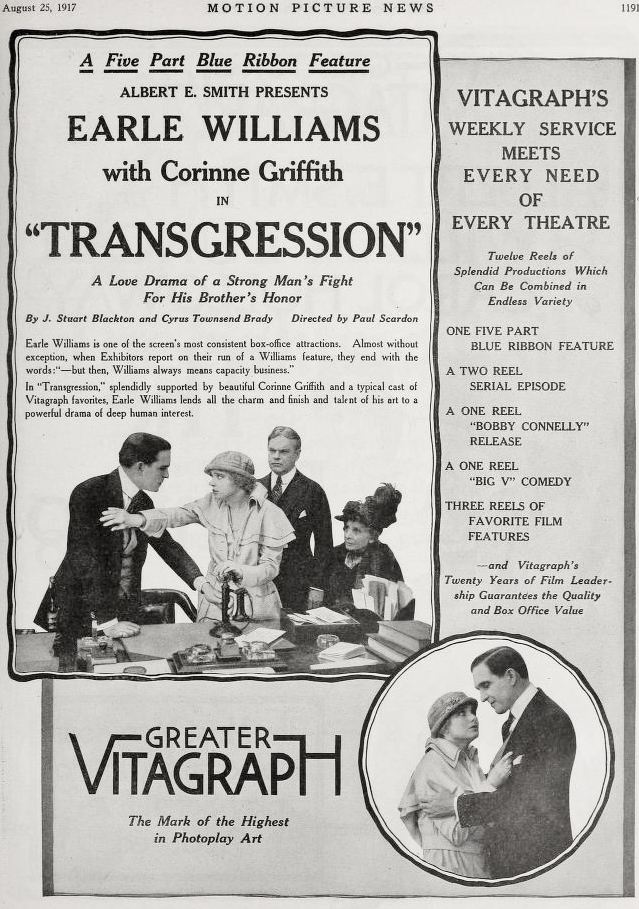
Many cult films gain their traction by tackling subjects that mainstream cinema shies away from or presents in a sanitized manner. They often explore the darker facets of human nature, societal injustices, or the complexities of morality. A film like Nabat, for instance, might have resonated with audiences seeking narratives of struggle and resistance, reflecting real-world anxieties and political undercurrents. These films become platforms for discussion, sparking dialogue that extends far beyond the credits.
Even seemingly straightforward dramas could possess a subversive core. The Old Folks at Home, with its tale of familial discord and moral decay, offered a stark, uncompromising look at the consequences of unchecked ambition and social pretense. Such narratives, unafraid to expose the underbelly of polite society, attract audiences who appreciate honesty and gravitas over saccharine escapism.

The Allure of the Anti-Hero and Complex Characters
Another key element in the cult film lexicon is the presence of compelling, often morally ambiguous, characters. These aren't always heroes in the traditional sense; they might be outlaws, misfits, or individuals struggling against overwhelming odds. Films like Convict 993, depicting a woman's escape and new life after prison, or Dice of Destiny, about an ex-convict seeking a fresh start, delve into themes of justice, identity, and the relentless pursuit of redemption against a backdrop of past wrongs. These characters, flawed yet relatable, invite empathy and intense identification from viewers.
The exploration of human relationships, often fraught with manipulation and vulnerability, also contributes to a film's cult appeal. Man's Plaything or Guile of Women, for example, would have captivated audiences with their portrayals of romantic entanglements, deception, and the power dynamics between individuals. Such raw, unfiltered depictions of human interaction often become talking points, fostering a community of viewers eager to dissect every motive and consequence.
Aesthetics and Atmosphere: Crafting the Unforgettable
Beyond narrative, the visual style and atmospheric qualities of a film play a crucial role in its journey to cult status. Directors who possess a distinct vision, unafraid to experiment with cinematography, set design, or editing, often create works that stand out from the crowd. These films don't just tell a story; they immerse the viewer in a unique world.
Stylistic Innovation and Visual Storytelling
Consider the impact of expressive lighting or unconventional camera angles in films like The Dark Road, a drama potentially steeped in intrigue and moral compromise, where visual cues would amplify the psychological tension. Or the grandeur and historical authenticity that might have defined Lady Godiva, transforming a historical narrative into a visually striking spectacle that transcends its period.
Even early comedies, like Just Neighbors or Beat It, through their inventive slapstick and meticulous comedic timing, could create a memorable viewing experience that garnered a devoted following. The sheer creativity in staging gags and physical comedy speaks to a craftsmanship that resonates, even decades later. Similarly, the dramatic flair of a film like Spotlight Sadie, following a young woman's journey from humble beginnings to potential stardom, would have relied heavily on charismatic performances and engaging visual storytelling to capture hearts.
The Unsettling and the Mysterious
Sometimes, it's the element of mystery, the unexplained, or the slightly unsettling that draws audiences in. Films like The Invisible Web or Luring Shadows, with their cryptic plots and suspenseful atmospheres, invite viewers to become detectives, piecing together clues and speculating about hidden meanings. This active engagement, the desire to unravel the film's secrets, is a powerful engine for cult formation. It transforms a passive viewing experience into an interactive puzzle, fostering discussion and repeated analysis.
The subtle horror or uncanny elements in films that defy easy genre classification also contribute to this mystique. A film that evokes a sense of dread or unease, without necessarily being a full-blown horror, can linger in the mind, prompting further exploration. This primal weirdness is often a key ingredient in the cult film psyche, appealing to those who appreciate discomfort and intellectual challenge.
The Audience as Alchemist: Forging Fandom and Legacy
Perhaps the most crucial ingredient in the cult film recipe is the audience itself. Unlike blockbusters that rely on mass appeal, cult films are often discovered, championed, and kept alive by a passionate minority. This dedicated fandom transforms mere movies into cultural touchstones, imbuing them with layers of meaning and ensuring their longevity.

Community and Shared Experience
The act of watching a cult film often transcends individual experience to become a shared ritual. Whether it's through midnight screenings, online forums, or fan conventions, enthusiasts gather to celebrate their beloved movies. This communal aspect fosters a sense of belonging, creating a vibrant subculture around films that might otherwise have faded into obscurity. The shared passion for unconventional narratives and characters builds strong bonds between fans, turning cinematic appreciation into a form of identity.
Films like The Great Leap: Until Death Do Us Part, a Romeo and Juliet-esque narrative, or The Prince and Betty, a tale of romance and social mobility, could inspire such fervent devotion through their timeless themes of love, struggle, and aspiration. Audiences connect not just with the story, but with the emotional resonance and the universality of human experience, even when presented through a unique lens.

Interpretation and Reinterpretation
A hallmark of cult cinema is its capacity for multiple interpretations. These films often contain ambiguities, symbolic imagery, or open endings that invite viewers to project their own meanings onto the narrative. This interpretive freedom is a powerful draw, encouraging repeated viewings and endless discussion. A film like The Great Gamble or The Net might have offered enough narrative complexity or thematic depth to sustain such ongoing analysis, allowing each viewer to find something new with every watch.
Even simple comedies or shorts, like Edgar's Feast Day or Old Clothes for New, could spark a unique kind of cult appreciation if they contained a peculiar charm, a singular comedic vision, or an unexpected twist that resonated deeply with a specific audience. It's not always about profound meaning; sometimes, it's about a unique sensibility that just *clicks* with a dedicated few.
The Enduring Legacy: Why Cult Films Matter
In an era of mass-produced content and algorithm-driven recommendations, cult cinema stands as a testament to the enduring power of unique artistic vision and authentic audience connection. These films remind us that cinema is not just an industry, but an art form capable of profound expression and lasting impact.
The legacy of cult films lies in their ability to endure, to be rediscovered by new generations, and to continue challenging, entertaining, and inspiring. From the psychological intensity of The Squaw Man's Son to the romantic intrigue of His Official Fiancée, or the dramatic twists of The Great Day, each film, in its own way, contributes to a rich tapestry of cinematic history that extends far beyond the mainstream.
They are the unseen pantheon, the rebel reels that define an alternative canon. They teach us that true cinematic value isn't always measured by box office receipts or critical acclaim, but by the passionate, unwavering devotion of an audience that sees something extraordinary in the unconventional. As long as there are filmmakers willing to push boundaries and audiences eager to discover something new, cult cinema will continue to thrive, a vibrant and essential part of the global film landscape.
The journey through cult cinema is an adventure into the heart of cinematic creativity, a celebration of the weird, the wonderful, and the profoundly human. It's a reminder that sometimes, the most resonant stories are found not in the glaring spotlight, but in the intriguing shadows of the cinematic underground, waiting to be unearthed by those willing to look beyond the obvious.
Community
Comments
Log in to comment.
Loading comments…