
Cult Cinema Deep Dive
The Celluloid Chimera: Decoding the Transgressive DNA of Cinema’s Earliest Genre Mutants
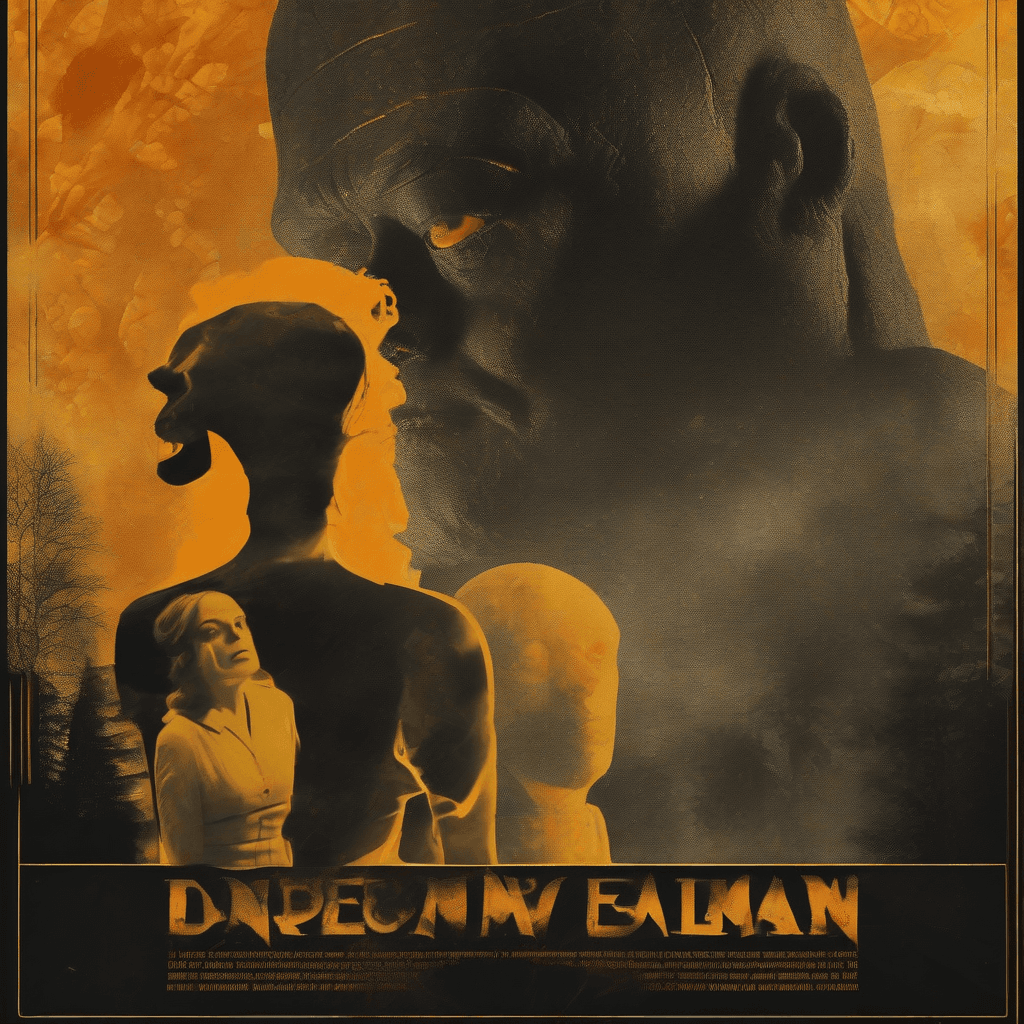
“An exploration into how the earliest anomalies of the silent era, from surreal comedies to dark revenge dramas, established the transgressive foundation for modern cult film obsession.”
To understand the modern cult cinema phenomenon, one must look beyond the neon-soaked midnight screenings of the 1970s and dive deep into the flickering shadows of the early 20th century. Before the term 'cult movie' was ever coined, there existed a breed of celluloid outcasts—films that defied narrative conventions, challenged moral boundaries, and experimented with the very chemistry of the medium. These were the genre mutants, the accidental masterpieces and the deliberate provocations that would eventually form the genetic blueprint for everything from avant-garde horror to the transgressive underground.
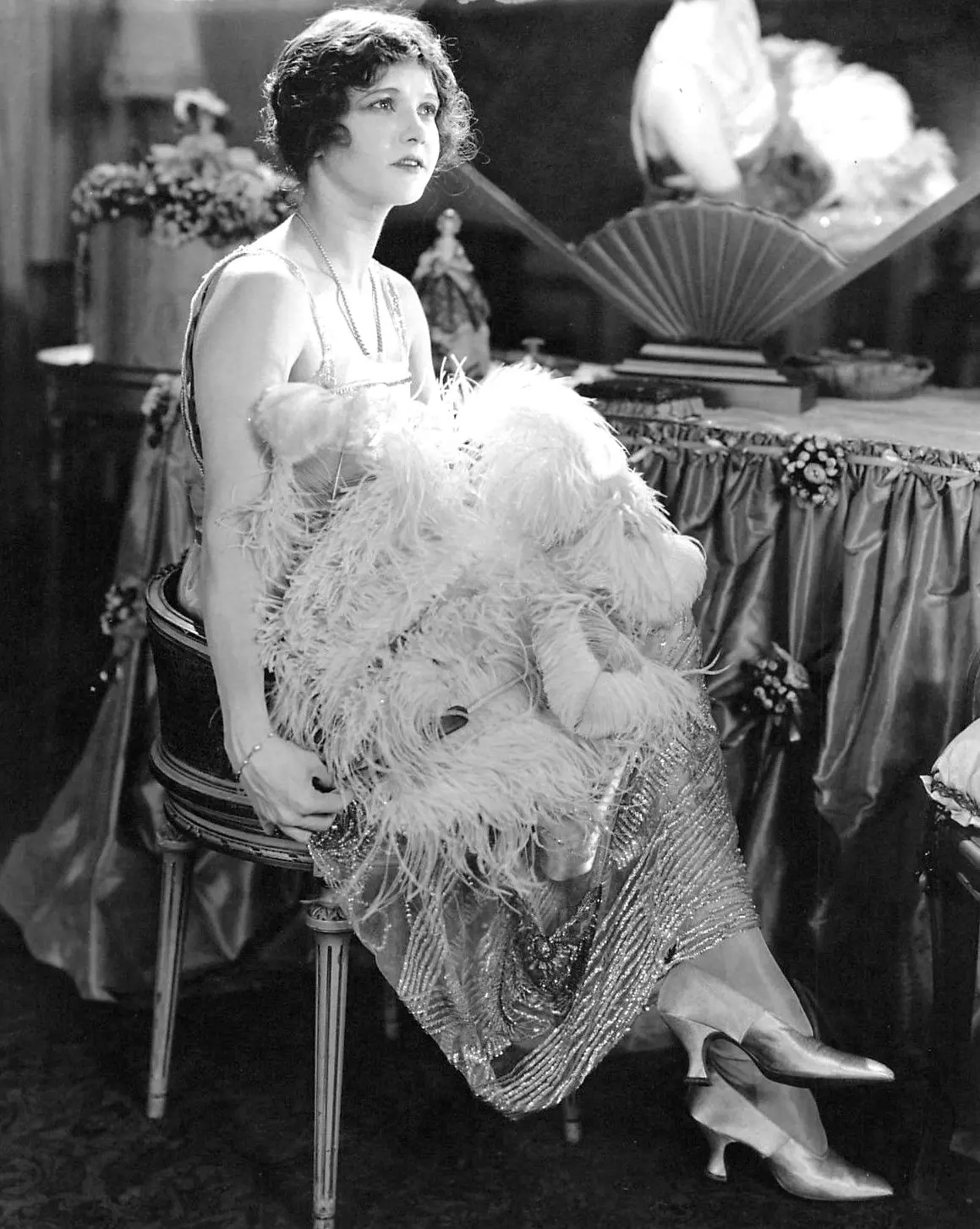
The Midnight Mindset: Supernatural Shadows and Moral Ambiguity
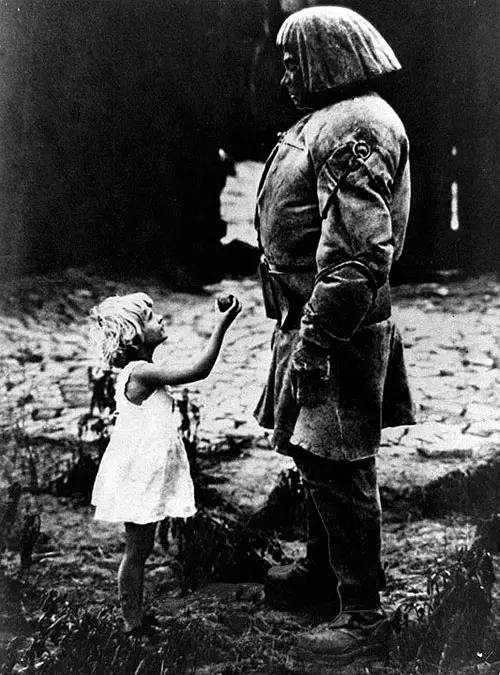
The roots of cult obsession are often found in the representation of the 'other.' In the early silent era, this was frequently manifested through the lens of the supernatural. Consider the lost 1914 version of The Golem. This story of an antiques dealer resurrecting a clay protector from the 16th century isn't just a monster movie; it is a primal exploration of persecution and power. The Golem represents the ultimate cult icon: a figure born of ancient mysticism, operating outside human law, and eventually becoming a force that its creator can no longer control. This theme of the 'uncontrollable creation' resonates through decades of cult cinema, from Frankenstein to the cyborgs of cyberpunk.
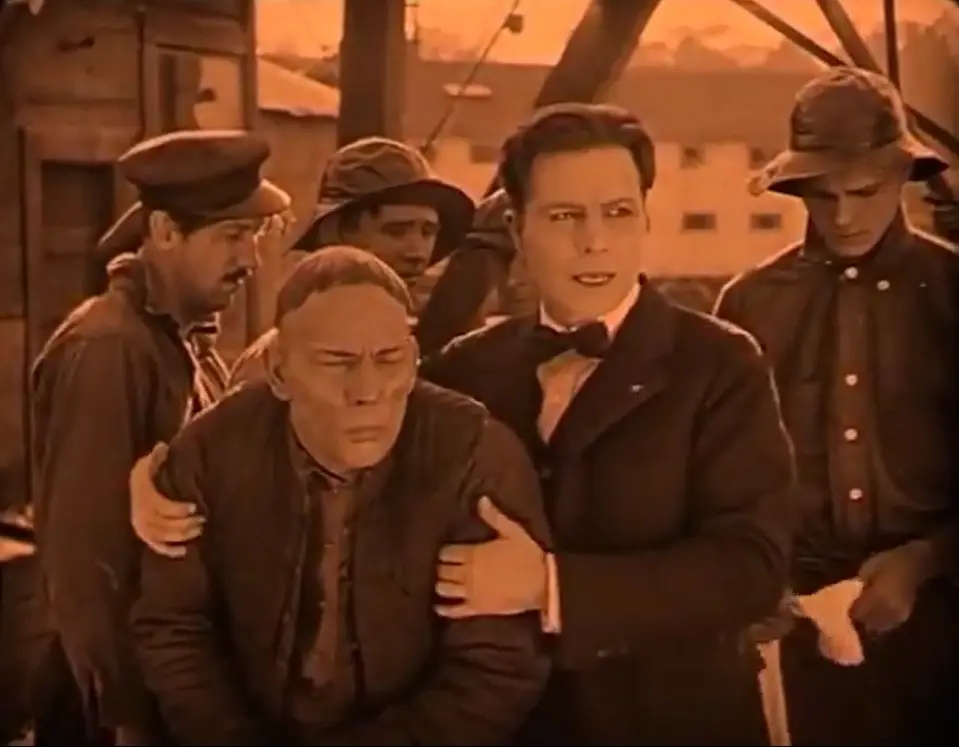
Similarly, the 1920 film Kurfürstendamm offers a fascinatingly dark comedic take on the supernatural. By depicting the Devil visiting Berlin because his 'clients' all seem to originate from the same decadent street, the film prefigures the cynical, satirical tone of modern cult classics. It subverts the traditional morality play by suggesting that humanity’s inherent capacity for deception and cheating is so profound that even the Prince of Darkness finds himself outmatched. This subversive humor—where the villain is the protagonist and the 'normal' world is the true den of iniquity—is a cornerstone of the cult ethos.

Visual Anarchy: Abstract Rhythms and the Avant-Garde
Cult cinema has always been a sanctuary for those who prioritize aesthetic experience over traditional storytelling. Walter Ruttmann’s Opus II (1921) serves as a vital artifact in this lineage. As one of the earliest examples of 'absolute film,' Ruttmann moved away from the literal to the abstract, treating the screen as a canvas where shapes and light moved in a rhythmic, almost musical dance. This was visual anarchy in its purest form. By stripping away characters and plot, Ruttmann forced the audience to engage with the medium on a purely sensory level.
This tradition of experimentalism is what connects the early pioneers to the psychotropic visuals of 1960s underground film and the music videos of the 1980s. When we watch a film like Opus II, we are witnessing the birth of the cinematic trance—the ability of a film to hypnotize through movement and contrast rather than dialogue. It is no surprise that such works often find their most dedicated fans among those who seek an alternative to the 'factory-produced' narratives of the mainstream.
The Transgressive Body: Gender, Identity, and the Social Misfit
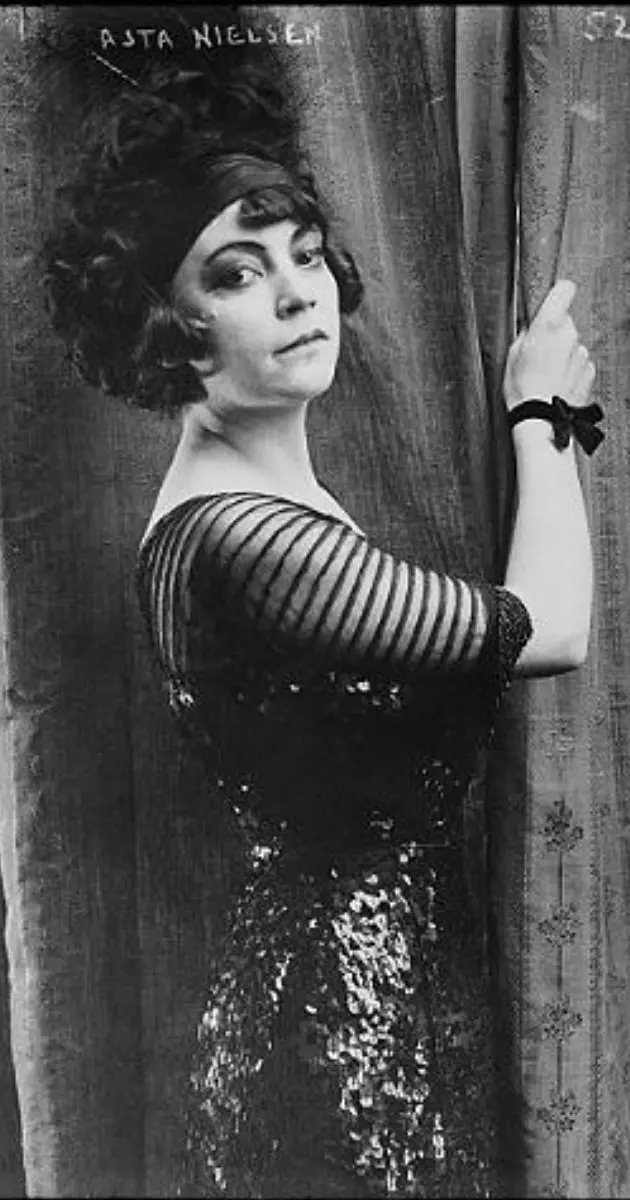
The cult movie soul is intrinsically linked to the exploration of identity and the subversion of social norms. Das Eskimobaby (1918), starring the legendary Asta Nielsen, is a prime example of early cinema’s willingness to engage with the 'strange.' By bringing an Eskimo woman into the heart of Berlin high society, the film creates a 'fish-out-of-water' scenario that serves as a biting critique of Western cultural rigidity. Nielsen’s performance—raw, expressive, and physically uninhibited—stands in stark contrast to the stiff, repressed world of her hosts. This celebration of the unfiltered outsider is a recurring motif in cult cinema, where the 'freak' is often the only character with a genuine soul.
Furthermore, films like Panopta I (1915) introduced audiences to the fearless female detective, a character who defied the damsel-in-distress tropes of the era. Panopta is an early icon of feminist rebellion in film, a precursor to the tough-as-nails heroines of 1970s exploitation cinema. These films provided a space for audiences to see versions of themselves—or versions of who they wanted to be—that were not being represented in the 'polite' dramas of the day. They were transgressive because they suggested that identity was fluid, and that power could reside in the most unexpected places.
The Brutal Frontier: Revenge and the Raw Edge of Reality
Cult cinema often thrives on the visceral. The 1916 film The Cossack Whip takes the viewer into the heart of a brutal Russian village massacre, driven by the orders of the secret police. The narrative of vengeance—a woman seeking justice against the man who destroyed her world—is a primal one. This film, along with others like The Westerners and Men of the Desert, explored the darker impulses of the human psyche. They did not shy away from the sanguinary feuds and the harsh realities of the frontier.
In these early Westerns and dramas, we see the foundation of the revenge subgenre. The 1922 film The Winding Trail, where a New York theatrical star goes undercover in a Western town to avenge her sister, perfectly encapsulates the cult obsession with justice outside the law. These films resonated with audiences because they tapped into a collective desire for catharsis. The moral outlaws of the silent era were not just criminals; they were symbols of a world where the legal system was often as corrupt as the people it sought to control.
The Absurd and the Accidental: From Goats to Ghost Ships
Sometimes, the path to cult status is paved with the utterly bizarre. Take Billy Whiskers (1920), a short comedy about an ambitious goat who tries his hand at being a taxi driver before finding his 'niche' as a fireman. This level of surrealism—the anthropomorphizing of a goat in a mundane urban setting—is the kind of cinematic eccentricity that modern audiences thrive on. It is the 'so weird it’s good' factor that fuels the discovery of forgotten gems.
Then there is the Angel of His Dreams (1912), a film released shortly after the Titanic disaster. Its immediate response to a global tragedy, adapted from a stage play, highlights cinema’s early role as a rapid-response medium. Cult films often have this sense of immediacy and urgency, reflecting the anxieties and obsessions of their specific moment in time. Whether it’s the dream sequences in Children of the Night or the identity-swapping drama of The Man Who Lost Himself, these films operate on a logic that is often more emotional than rational.
Preserving the Forbidden: The Legacy of the Lost and the Found
A significant part of the allure of early cult cinema lies in its fragility. Many of the films mentioned, such as the original The Golem, are considered lost or partially reconstructed. This sense of the forbidden archive—the idea that there are 'secret' films waiting to be unearthed—adds a layer of mythology to the genre. To be a cult film fan is to be an amateur archaeologist, searching for the flickering remnants of a forgotten past.
Films like Scenens Børn and The Shadow of Rosalie Byrnes deal with themes of doubles, twins, and theatrical deception. They remind us that the screen is a place of masks. The cult audience is one that enjoys peering behind the mask, looking for the subversive subtext that the original filmmakers may not even have realized they were planting. When we look at The Straight Road (1914), a story of a 'child of the gutter' trying to escape her alcoholic heritage, we see a raw social realism that was often scrubbed clean by later Hollywood censorship. These films are time capsules of a more daring, less regulated era of creativity.
Conclusion: The Eternal Flame of the Maverick Spirit
The 50-plus films that form the context of this exploration—from the revolutionary fervor of Mexico to the dreamlike comedies of Little Miss Fortune—all share a common thread: they are the products of a maverick spirit. They were made at a time when the rules of cinema were still being written, allowing for a level of genre anarchy that is rarely seen in today’s highly polished blockbusters. This is why the cult cinema cultus continues to look backward to move forward.
The genetic rebellion found in the silent era’s original misfits is the same energy that fuels today’s independent film scenes and niche fandoms. Whether it is the transgressive soul of a Russian revenge drama or the abstract beauty of a German animation, these films remind us that cinema is at its most powerful when it is at its most unconventional. The Celluloid Chimera—that strange, multi-headed beast of early film history—continues to haunt our screens, proving that the rebel heart of the outcast will always find a home in the dark of the theater.
As we continue to digitize and rediscover these forgotten masterpieces, we are not just preserving history; we are fueling the next century of midnight movie obsession. The shadow screen of the 1910s and 20s is not a relic of the past, but a living, breathing influence on the subversive cinema of the future. By embracing the anomalous and the weird, we ensure that the spirit of the cinematic outlaw never truly dies.
Community
Comments
Log in to comment.
Loading comments…