
Cult Cinema Deep Dive
The Peripheral Pulse: Decoding the Maverick DNA and Eternal Magnetism of Cinema’s Original Outliers
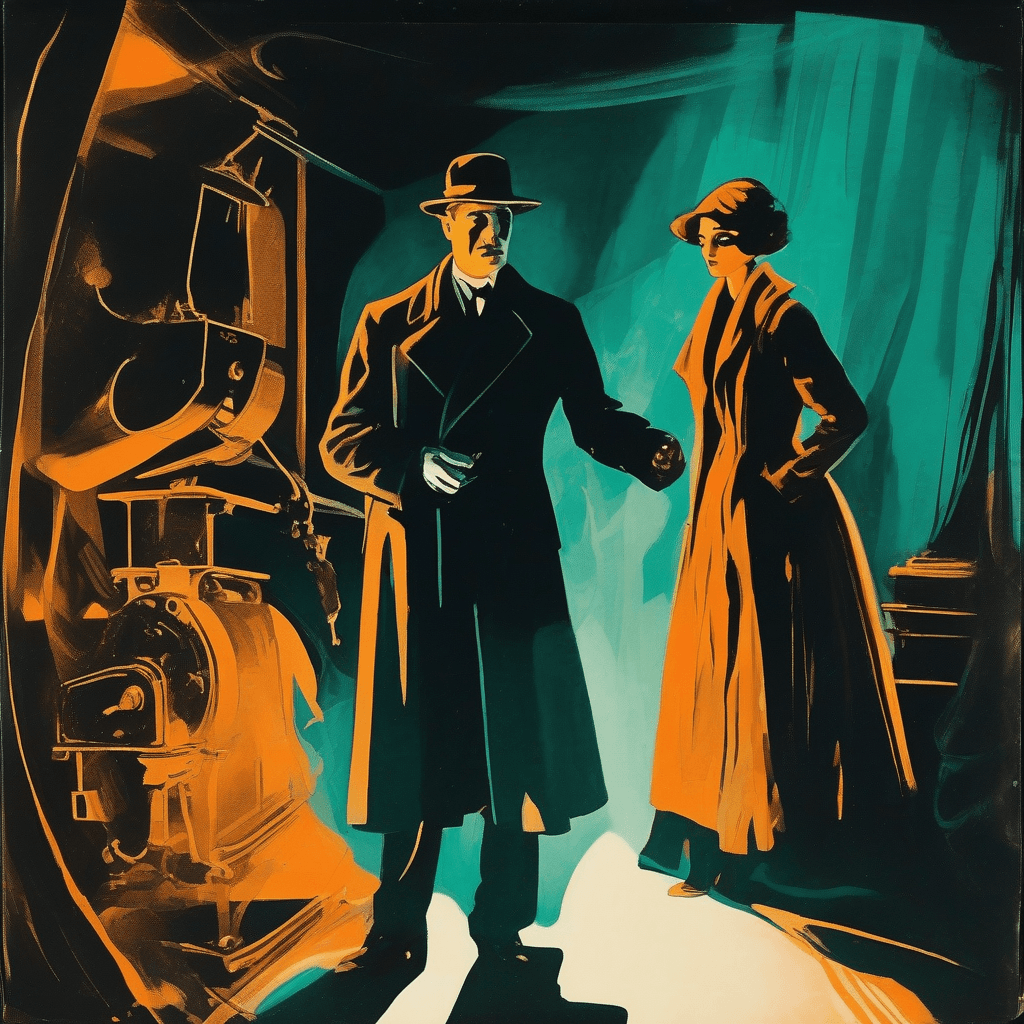
“An exploration into the early 20th-century roots of cult cinema, where forgotten masterpieces and silent-era oddities first forged the transgressive spirit of the midnight screen.”
The Genesis of the Cinematic Fringe: Beyond the Mainstream Marquee
Cult cinema is often discussed as a phenomenon of the 1970s, a byproduct of the counterculture movement and the birth of the midnight movie. However, the genetic code of the cinematic outlier was written much earlier, in the flickering shadows of the silent era and the early talkies. To understand why modern audiences are still drawn to the strange, the transgressive, and the misunderstood, we must look back at the original misfits of the screen. These were films that dared to operate on the periphery of polite society, exploring themes of moral ambiguity, social rebellion, and visual experimentation that the burgeoning Hollywood machine was not yet ready to fully commodify.
Consider the 1920 production of Artie, the Millionaire Kid. On the surface, it is a tale of a wealthy heir expelled from college, but beneath its comedic exterior lies a fundamental trope of cult cinema: the rejection of institutional authority. When Artie’s father, a railroad baron, throws him out, the film establishes a narrative of self-made identity that resonates with the rebel spirit of later cult classics. This isn't just a story about money; it’s about the maverick impulse to define oneself against the backdrop of parental and societal expectations. This same spirit of defiance is found in The Daredevil (1920), where a wayward son finds salvation not in the civilized East, but in the rough, primitive landscapes of Arizona. These films were the early blueprints for the 'outsider' protagonist that would eventually dominate the cult landscape.
Social Deviance and the Architecture of the Outcast
One of the defining characteristics of cult cinema is its willingness to center those whom society has marginalized. In the early 20th century, this often took the form of the 'fallen woman' or the servant who knows too much. The Eternal Magdalene serves as a haunting example. Billed as inevitable as the sunrise, she represents the archetypal outcast—someone with 'nothing minus honor.' By giving a voice to the runaway daughter and the abused wife, early cinema began to tap into a transgressive empathy that would later define the works of John Waters or Todd Solondz. These films didn't just tell stories; they challenged the moral fabric of their time.
Similarly, The Heart of Nora Flynn places a nursemaid at the center of a moral crisis. Nora, in love with the chauffeur Nolan, hides her mistress's lover to protect her employer's reputation, leading to a tragic shooting. This refusal to 'tell'—this code of silence among the lower classes—creates a narrative tension that early audiences found both shocking and magnetic. It was a precursor to the subversive domesticity found in later cult noirs. The film explores the cost of loyalty and the complexity of female sacrifice, themes that were far more radical in 1916 than we often give them credit for.
The Allure of the Weird: From Bearded Ladies to Zuni Races
If cult cinema is a sanctuary for the strange, then films like The Bearded Lady and A Zuni Kicking Race are the foundation stones of that sanctuary. The fascination with the 'other'—whether it be the physical anomaly or the ethnographic curiosity—has always been a driving force for niche audiences. These films offered a window into worlds that were otherwise inaccessible or forbidden. A Zuni Kicking Race, while ostensibly a documentary-style short, captured a ritualistic intensity that felt otherworldly to the urban viewer of the time. This thirst for the authentic anomaly is exactly what drives modern cult fans to seek out obscure international cinema and underground documentaries today.
Genre Mutations: The Birth of the Proto-Cult Mystery
The cult following of characters like Sherlock Holmes began long before the age of television. In The Dying Detective, we see the great sleuth at his most vulnerable, feigning a fatal Asiatic disease to catch a killer. This version of Holmes—obsessive, theatrical, and operating on the brink of death—is a far cry from the sanitized versions of the character. It highlights the obsessive intellect that attracts a cult following; audiences don't just want a hero, they want a genius who is slightly broken. This same energy carries over into The Wakefield Case, where a playwright turns detective to solve his father's murder involving rubies from the British Museum. The blend of high-stakes theft and personal vendetta creates a noir-adjacent atmosphere that late-night viewers have always craved.
Even the Western genre, often seen as the most 'mainstream' of American forms, had its weird cousins. The Range Boss and Kaintuck's Ward brought a psychological depth to the frontier. In Kaintuck's Ward, a 'square' gambler breaks and then saves his rival, eventually winning the love of a woman who recognizes his internal strength. This subversion of the typical 'hero' and 'villain' roles is a hallmark of the cinematic fringe, where morality is often painted in shades of grey rather than black and white.
Visual Excess and the Gothic Soul
Cult cinema is as much about aesthetics as it is about narrative. The 1921 adaptation of Jane Eyre and the lavish production of The Queen of Sheba represent the two poles of cult visuality: the brooding Gothic and the over-the-top spectacle. Jane Eyre, with its mysterious manor and brooding lord, tapped into the dark, romantic impulses that would later fuel the cult of the horror film. On the other hand, The Queen of Sheba offered a level of historical excess and romantic tragedy that felt larger than life. This visual maximalism—the idea that more is more—is a direct ancestor to the camp and glitter of modern cult favorites.
We also see early traces of surrealism in A Sister to Salome, where an opera singer undergoes throat surgery and experiences ether-induced visions of ancient Rome. This sequence, bridging the gap between medical reality and historical fantasy, is a perfect example of the hallucinatory narrative that cult audiences adore. It breaks the rules of linear storytelling, inviting the viewer into a subjective, distorted reality. This is the same impulse that leads us to the works of David Lynch or Alejandro Jodorowsky—the desire to see the screen reflect the internal chaos of the mind.
The Comedy of the Uncanny
Not all cult films are dark; some are simply bizarre. An Auto Nut and Bobby Bumps' Pup Gets the Flea-enza showcase the early 20th century's penchant for the slapstick and the surreal. In An Auto Nut, the plot involves a lawyer of dubious standing and a henchman lying under a car to trick buyers—a cynical, almost mean-spirited humor that feels surprisingly modern. Meanwhile, the animation of Bobby Bumps introduced audiences to the kinetic anarchy of the cartoon medium, where the laws of physics are secondary to the gag. This spirit of 'anything goes' is a vital component of the cult ethos, where the absurdity of the situation is the main attraction.
Propaganda, War, and the Niche Perspective
Even films intended as topical or patriotic often find a second life as cult artifacts because of their specific, dated perspectives. Berlin Via America features an American spy whose loyalty is questioned by his own family. This exploration of the double life and the paranoia of wartime is a recurring theme in cult thrillers. Similarly, Allies' Official War Review, No. 3 and Democracy: The Vision Restored provide a glimpse into the collective psyche of a nation in turmoil. When a powerful financial magnate is plotted against by his own greedy son in Democracy, the film transcends its political message to become a timeless tale of betrayal and corruption—themes that never go out of style for those who look at the world with a critical, 'cult' eye.
The domestic struggles of the era also provided fertile ground for cult fascination. Meatless Days and Sleepless Nights satirizes the Food Administration's wartime regulations, following a man desperate for a real taste of meat. This kind of social satire, rooted in the mundanity of everyday life, prefigures the 'kitchen sink' dramas and the satirical comedies that would later find a home in independent cinema. It reminds us that cult cinema isn't always about monsters or aliens; sometimes, it’s about the absurdity of a 'wheatless Wednesday.'
Global Shadows and the Universal Language of the Fringe
The cult impulse was never limited to Hollywood. Levensschaduwen (Shadows of Life) from the Netherlands, Bilwa Mangal from India, and Fulguración de raza from Spain all point to a global network of cinematic exploration. Each of these films brought a unique cultural flavor to the universal themes of love, loss, and social pressure. Fyrvaktarens dotter (The Lighthouse Keeper's Daughter) from Sweden, for instance, uses the isolated, atmospheric setting of the seafront to tell a story of bitter love and new beginnings. The isolation of the lighthouse is a perfect metaphor for the peripheral existence of the cult film itself—standing alone, casting a light into the darkness, and waiting for the right audience to find it.
In Arme Lena, a dancer wins the lottery and attempts to reinvent herself in a fashionable resort, only to encounter a penniless painter looking for a rich wife. This story of failed reinvention and the hollowness of social climbing is a recurring motif in the cinema of the disillusioned. It speaks to the 'losers' and the 'dreamers' who have always been the primary patrons of the midnight screening. Whether it's the tragic romance of Tosca or the orphan’s journey in Jane Eyre, these films prove that the heart of cult cinema beats with a profound, albeit often dark, humanity.
The Legacy of the Unconventional
As we look back at the 50 films that helped shape this early landscape, from the Irish comedy of The Soup and the Fish Ball to the intense drama of The Mother and the Law, we see a pattern emerge. Cult cinema is the result of a peripheral pulse—a heartbeat that exists outside the rhythm of the mainstream. It is found in the wayward sons, the nurses with secrets, the detectives who fake their own deaths, and the lighthouse keepers' daughters. It is found in the visual experimentation of ether-induced dreams and the social commentary of meatless days.
The enduring allure of these films lies in their refusal to be forgotten. Despite being over a century old, their influence can be felt in every modern film that chooses the strange over the safe, the niche over the mass-market, and the personal over the corporate. They are the original outliers, and as long as there are audiences who feel like misfits themselves, the peripheral pulse of cult cinema will never stop beating. From the silent archives to the digital streaming platforms of today, the journey of the cinematic rebel continues, fueled by the same spirit that once brought The Bearded Lady and The Queen of Sheba to the flickering screens of the past.
Community
Comments
Log in to comment.
Loading comments…