
Cult Cinema Deep Dive
The Celluloid Deviant: Tracing the Primal DNA of Cult Obsession Through Early Cinema’s Forgotten Misfits
“Explore the hidden ancestry of cult cinema, from the world's first feature-length outlaw epics to the surreal anomalies of the silent era that forged the modern midnight movie psyche.”
The neon glow of a midnight screening is a modern ritual, a communal gathering of the disenfranchised and the obsessed. But the spirit of the cult movie—that transgressive, defiant, and often bizarre energy—did not begin with the counter-culture of the 1970s. Long before the Rocky Horror Picture Show or Pink Flamingos, the seeds of cinematic rebellion were sown in the nitrate soil of the early 20th century. To understand the modern cult phenomenon, we must look back at the celluloid deviants: the films that broke rules, defied genres, and spoke to the fringes of society before the term 'cult cinema' even existed.
The Genesis of the Outlaw Epic: The Story of the Kelly Gang
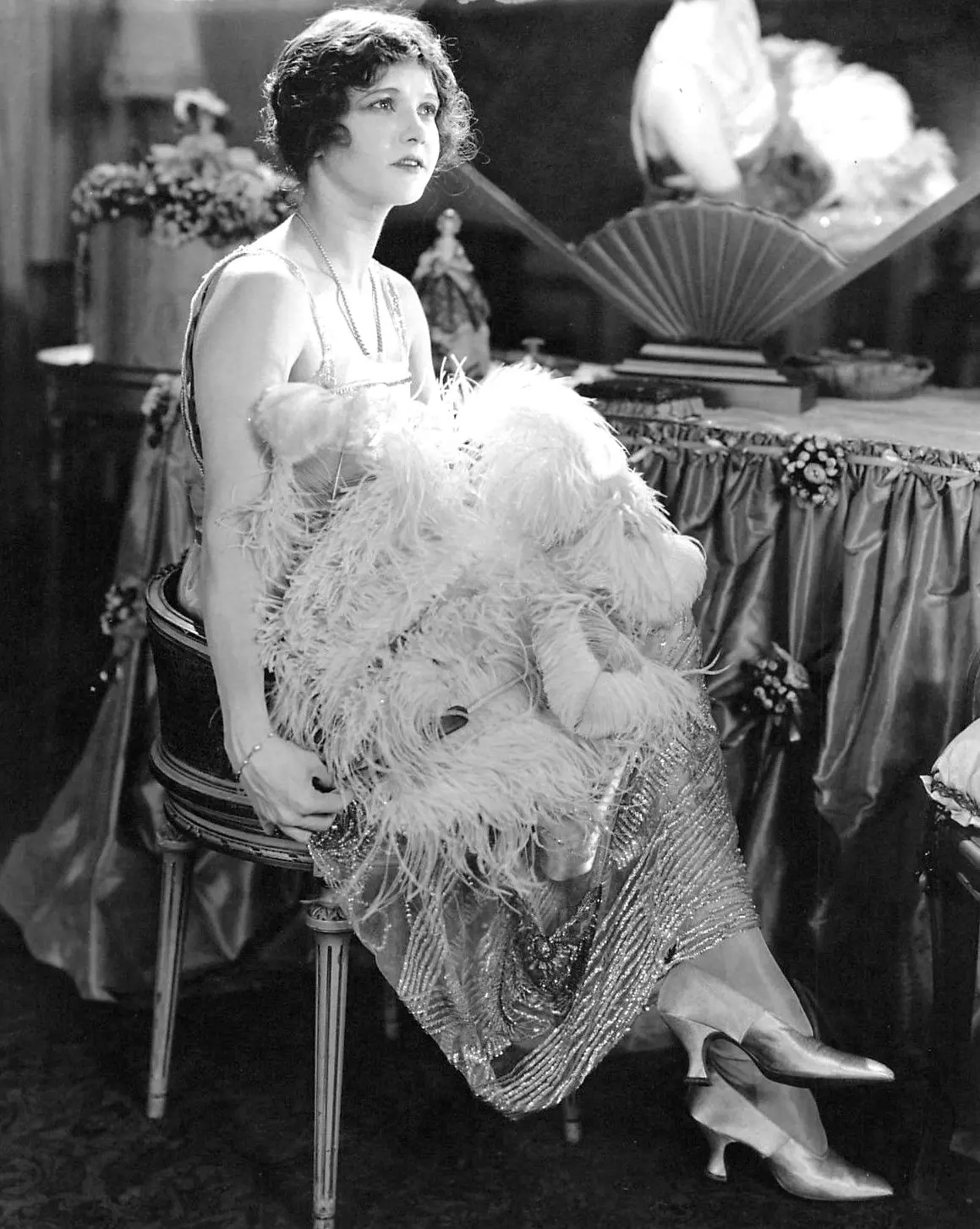
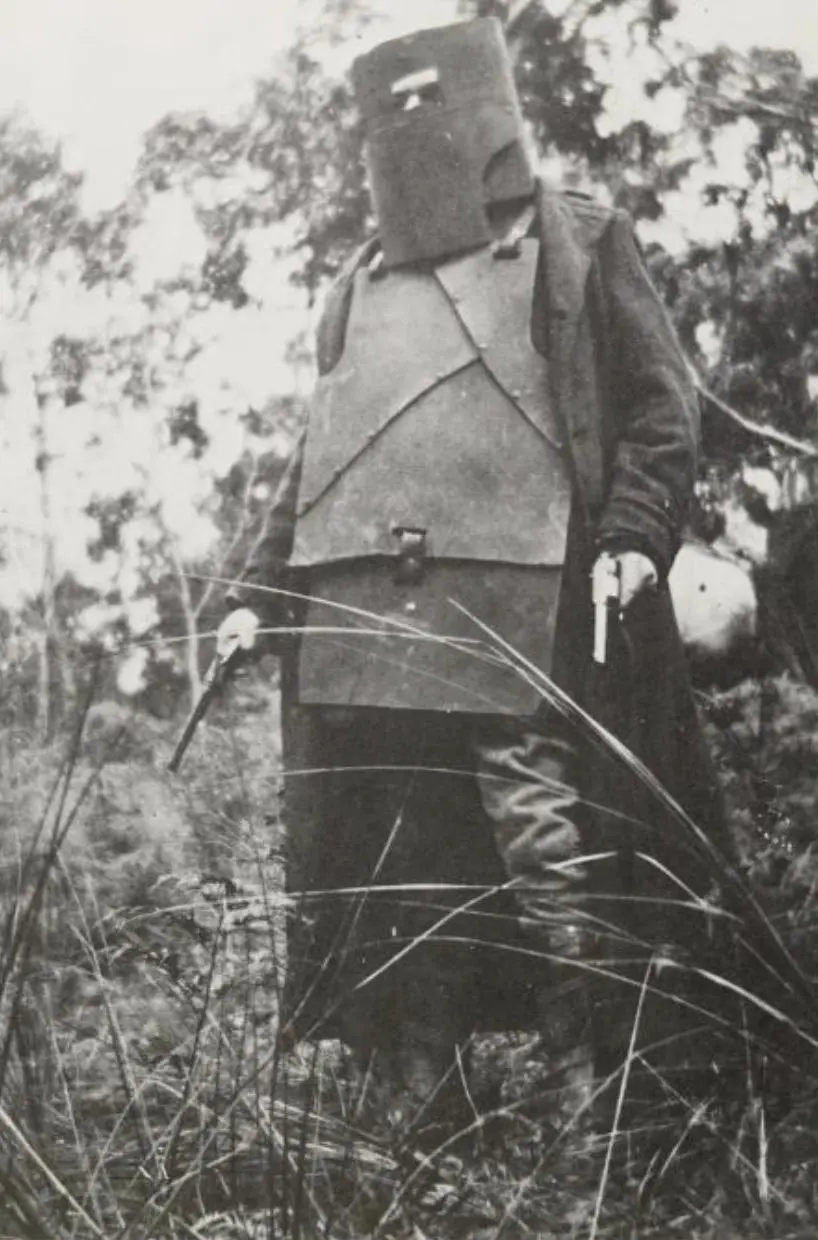
Cult cinema often finds its home in the stories of those who exist outside the law. In 1906, Australia produced what is widely considered the world’s first full-length narrative feature film: The Story of the Kelly Gang. Though only fragments of its original 70-minute runtime survive, its legacy as a proto-cult masterpiece is undeniable. It didn’t just tell the story of Ned Kelly; it romanticized the outlaw, creating a blueprint for the anti-hero that would eventually populate the works of Tarantino and Peckinpah. The survival of only 17 minutes of this film adds to its cult mystique—the 'lost film' aura that drives collectors and historians into a frenzy of devotion.
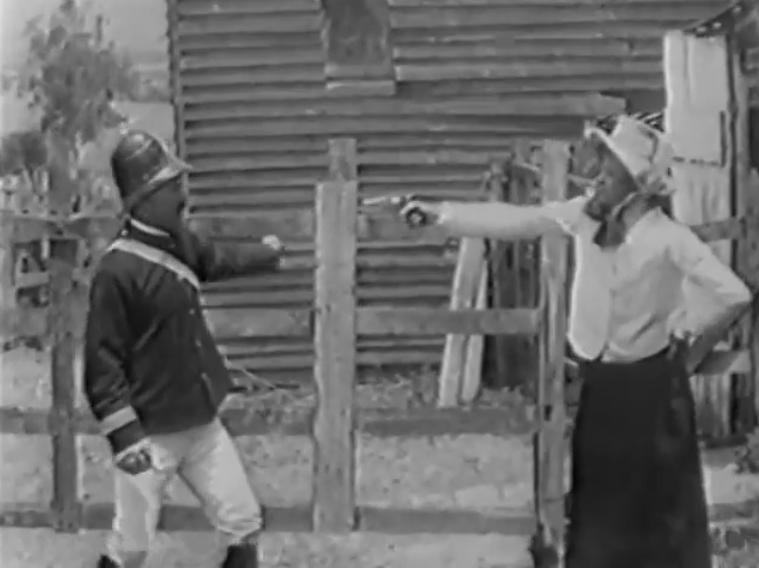
This fascination with the fringe is a recurring theme in the early era. Take Broadway Arizona, where a millionaire cattle rancher falls for a musical comedy star. It’s a collision of worlds that mirrors the 'fish-out-of-water' tropes of later cult classics. The press agent's manipulation of the narrative within the film itself serves as an early commentary on the construction of celebrity—a theme that cult audiences, always wary of the 'mainstream,' find inherently compelling.
The Architecture of the Abnormal: Physicality and Horror
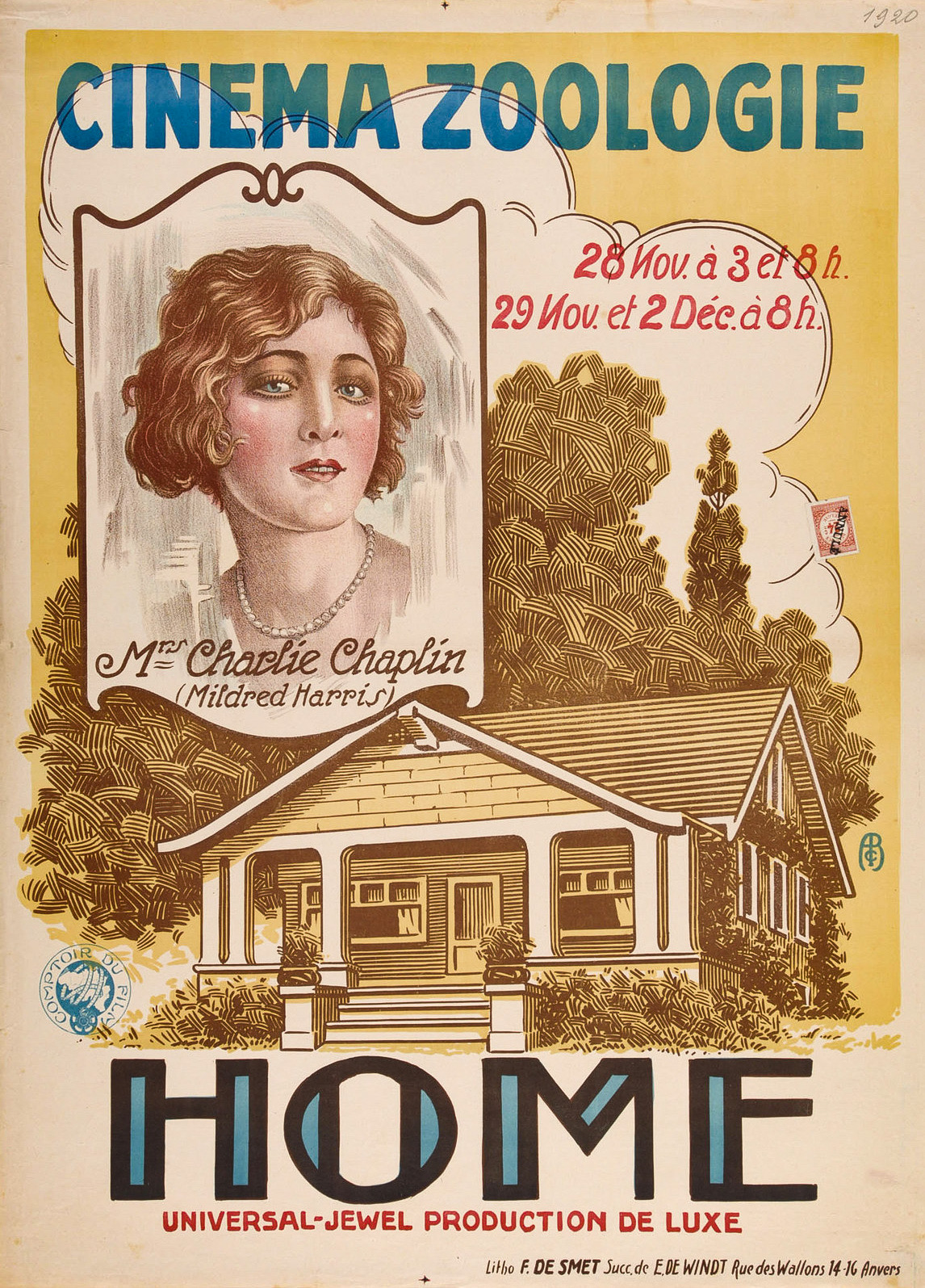
If there is one figure who embodies the proto-cult spirit, it is Lon Chaney, 'The Man of a Thousand Faces.' In 1919’s The Miracle Man, we see the birth of the 'physical deviant' as a central cinematic attraction. The character of 'The Frog,' who can dislocate his limbs to prey on the sympathies of others, is a precursor to the body horror and grotesque fascination found in the films of David Cronenberg or Tod Browning’s Freaks. Cult cinema has always been about the body—its limitations, its mutations, and its resilience.
The Lost Nightmares of Dracula’s Death
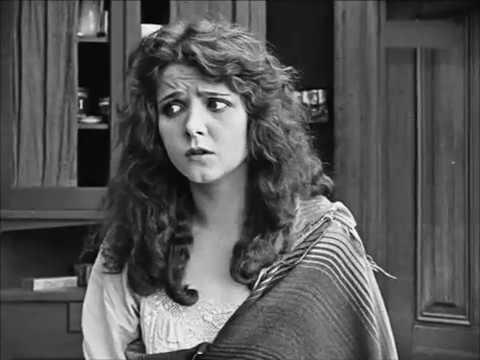
Nothing fuels a cult following like a missing masterpiece. Dracula's Death (1921), a Hungarian production, is the stuff of legend. Centered on a girl who has frightening visions after visiting an insane asylum, it predates Murnau’s Nosferatu and suggests a more psychological, surrealist approach to the vampire myth. The ambiguity of her visions—whether they were a nightmare or real—is a hallmark of cult storytelling, where the narrative refuses to hold the viewer’s hand. This 'narrative anarchy' is what allows a film to live forever in the minds of the obsessed.
Social Subversion and the Radical Lens
Cult films often gain their status by tackling subjects that the polite society of their time deemed 'immoral' or 'dangerous.' In the silent era, this was often found in films that challenged the sanctity of marriage or the rigidity of class. Das Recht der freien Liebe (The Right of Free Love) is a prime example. By presenting a woman who leaves her neglectful husband to live in a 'free love' relationship, the film stepped into the crosshairs of moral guardians. This transgressive soul is exactly what draws modern audiences to 'forbidden' cinema.
Similarly, Sally in Our Alley offers a look at the 'sordid' sections of life, focusing on a girl compelled to work to support a family in poverty. While it may seem like a standard melodrama, its focus on the grit and grime of the lower class provided a stark contrast to the polished escapism of early Hollywood. Cult cinema thrives in these alleys; it seeks out the stories of the marginalized, such as the orphan shepherdess in Tansy who is evicted for 'suspected immorality.' These characters are the patron saints of the cult audience—individuals judged by a society that doesn't understand them.
The Labor Rebellion and Political Cults
We often forget that early cinema was a hotbed for political radicalism. Cheating the Public (1918) and From Dusk to Dawn tackle the exploitation of workers and the rise of labor movements. These films weren't just entertainment; they were agitprop. For a modern cult viewer, discovering a film like From Dusk to Dawn, where an iron works employee runs for governor on a labor ticket, is like finding a lost manifesto. It represents a time when cinema was a weapon for the disenfranchised.
The Surreal and the Absurd: Precursors to the B-Movie
Not all cult films are serious. Many are celebrated for their sheer weirdness or their perceived 'failure' to adhere to standard quality. The 'so-bad-it’s-good' phenomenon finds its ancestors in the frantic shorts of the 1910s and 20s. The Dippy Dentist, featuring a dentist who mistakenly gets a bag full of leaking alcohol, is a masterclass in the kind of chaotic, nonsensical humor that would later define the 'Z-movie' aesthetic. It’s a film that operates on a different frequency, much like Séraphin ou les jambes nues, where a respectable man finds himself without pants in the middle of the street. This 'delirious vaudeville' is the DNA of camp.
Even in animation, the cult spirit was present. Frolics at the Circus, featuring Felix the Cat, showcases a surrealism that was revolutionary for its time. Felix isn't just a cartoon; he is a trickster figure, navigating a world where logic is secondary to visual wit. This experimental edge is echoed in How Animated Cartoons Are Made, a meta-cinematic look at the process itself. Cult audiences love to peek behind the curtain, to understand the mechanics of the illusion, and these early 'making-of' films were the first steps toward that obsession.
Global Anomalies: The International Cult
The cult experience is universal, and the early 20th century saw a cross-pollination of bizarre ideas across borders. The Eyes of the Mummy (1922) brought Egyptian mysticism to the screen, blending mystery and horror in a way that felt exotic and dangerous to Western audiences. Meanwhile, in Scandinavia, Kapten Grogg badar was pushing the boundaries of what was acceptable in animation, featuring a sea captain whose clothes are stolen by monkeys while swimming. These films, often seen as mere curiosities today, were the 'midnight movies' of their time—strange, imported visions that offered something the local cinema could not.
In India, Shannon of the Sixth explored the tensions of the British Raj through a lens of high drama and religious uprising. It’s a film that speaks to the 'otherness' that cult cinema often explores—the clash of cultures and the struggle for identity. Whether it’s the Mexican revolution in Gold and the Woman or the English post in Simla in The Leopard's Bride, these films mapped the world’s 'fringe' territories for an audience hungry for the unknown.
The Mystery of the Missing Reel
Many of the films we now consider 'cult' survive only in fragments or descriptions. If the Huns Came to Melbourne or The Inner Ring are titles that evoke a sense of 'what if?' This void is where cult fandom thrives. We obsess over what we cannot see. We piece together the story of Impéria, the daughter of a prince who traveled the world, or the gambling debts of the Countess in Queen of Spades. These narratives become legends, whispered about in forums and film societies, their power growing with every year they remain 'lost.'
Conclusion: The Eternal Return of the Misfit
The history of cinema is often written by the winners—the blockbusters, the Oscar winners, the 'prestige' dramas. But the true soul of cinema lives in the shadows, among the misfits like The Hobo of Pizen City or the 'amazing wife' Cicely Osborne in The Amazing Wife. These films, with their rough edges and unconventional rhythms, provided the blueprint for everything we love about cult cinema today.
They taught us that a film doesn't need a massive budget to be immortal; it just needs a vision that refuses to conform. Whether it’s the experimental science of A Fool's Paradise or the mistaken identities of East Lynne, these early works remind us that the 'midnight mindset' is as old as the projector itself. As we continue to gather in the dark to worship at the altar of the strange, we are merely following a path blazed by the celluloid deviants of a century ago.
Community
Comments
Log in to comment.
Loading comments…