
Cult Cinema Deep Dive
The Celluloid Heresy: Unearthing the Primal Weirdness of Cinema's Forgotten Fringe
“Explore how the foundations of cult cinema were laid long before the midnight movie era, tracing a lineage of subversion through forgotten silent masterpieces and genre-defying anomalies.”
The concept of the 'cult film' is often erroneously tethered to the 1970s—a byproduct of the midnight movie circuit and the rise of the counter-culture. However, the true genetic code of cinematic obsession was written decades earlier, in the flickering shadows of the silent era and the experimental dawn of the talkies. To understand why we worship the unconventional, we must look back at the celluloid heretics of the early 20th century. These were the films that refused to fit into the burgeoning Hollywood mold, opting instead for narrative anarchy, moral ambiguity, and visual transgression.
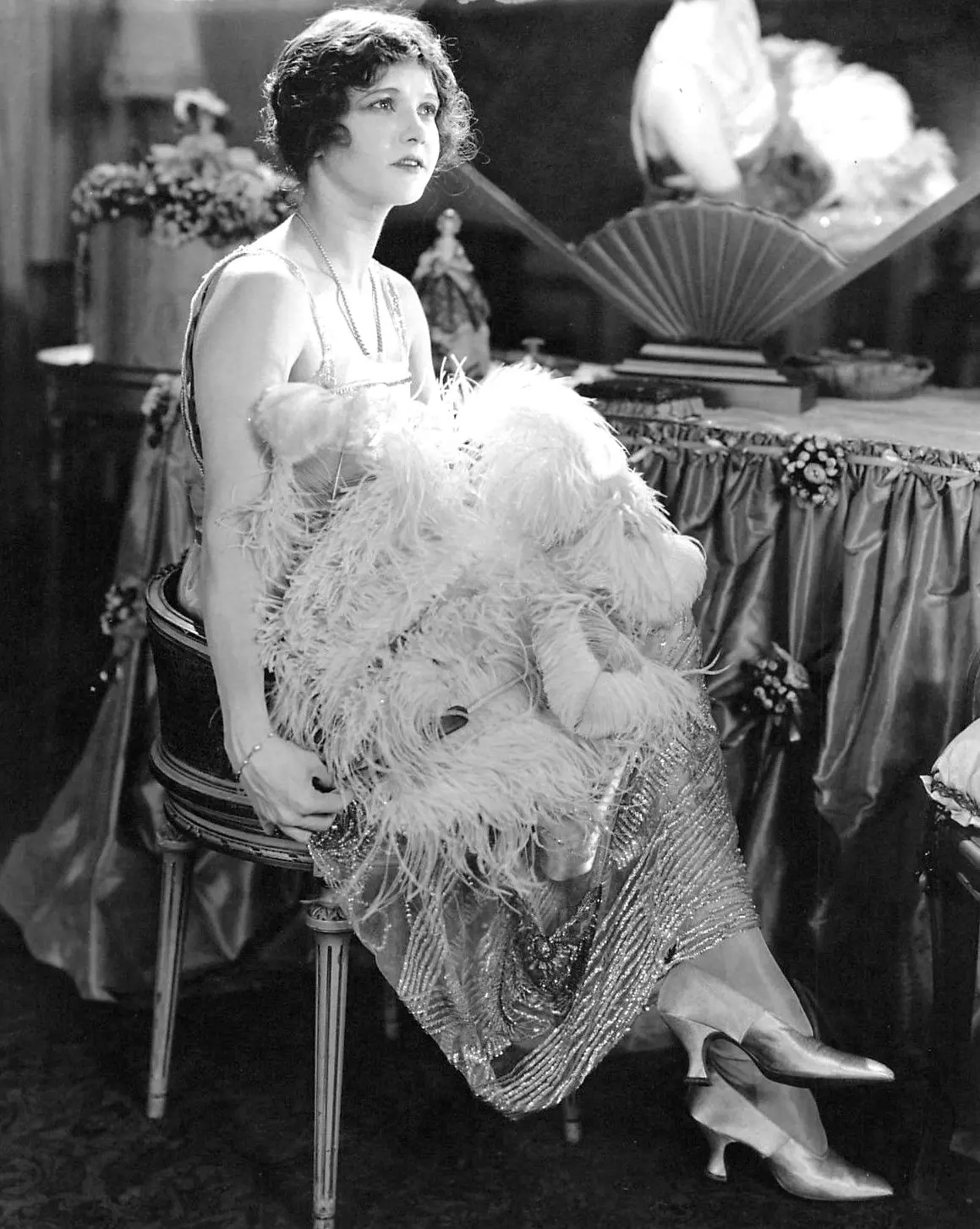
The Mind-Reading Machine: Hungarian Sci-Fi and the Mad Scientist Archetype
Long before David Cronenberg explored the fusion of flesh and technology, a 1918 Hungarian masterpiece titled A léleklátó sugár was already pushing the boundaries of science fiction. As the last Hungarian sci-fi film until the late 1960s, it stands as a towering monolith of the 'strange.' The story of a mad scientist who steals a mind-reading machine from a young man—only to have him committed to an asylum—encapsulates the primal fear of mental violation. This film is the ancestor of the 'mad scientist' subgenre that would later fuel countless cult classics. It suggests that the most dangerous frontier isn't space, but the human psyche, a theme that resonates through the ages of niche cinema.
The allure of A léleklátó sugár lies in its scarcity and its daring. In an era where cinema was still finding its commercial footing, such a dark, psychologically taxing narrative was a bold departure. It laid the groundwork for the 'mind-bending' cult films of the modern era, where the audience is left questioning the reality of the protagonist’s experience. The theft of the machine is not just a plot point; it is a metaphor for the loss of autonomy, a recurring nightmare in the cult canon.
The Architecture of Decadence: Erich von Stroheim and the Transgressive Spirit
If cult cinema is defined by its refusal to compromise, then Erich von Stroheim’s Foolish Wives (1922) is its foundational text. Stroheim, a man who masqueraded as Russian nobility in real life just as his character does on screen, brought a level of decadence and moral decay to the screen that horrified and fascinated audiences in equal measure. The film’s exploration of a con artist seducing the wife of an American diplomat is a masterclass in the transgressive gaze. It doesn’t just depict sin; it revels in the meticulous detail of the sinner’s environment.
The Price of Obsession
Stroheim’s legendary obsession with detail—insisting on authentic silk underwear for actors that would never be seen on camera—mirrors the obsessive nature of cult fandom. Foolish Wives was a 'cult' film in its very production: a massive, sprawling vision that was hacked to pieces by the studio, leaving behind a fragmented masterpiece that cinephiles have spent decades trying to reconstruct. This history of the 'lost' or 'mutilated' cut is a hallmark of cult status, turning the act of viewing into an act of archaeological discovery.
Body Politics and the Satire of the Slim
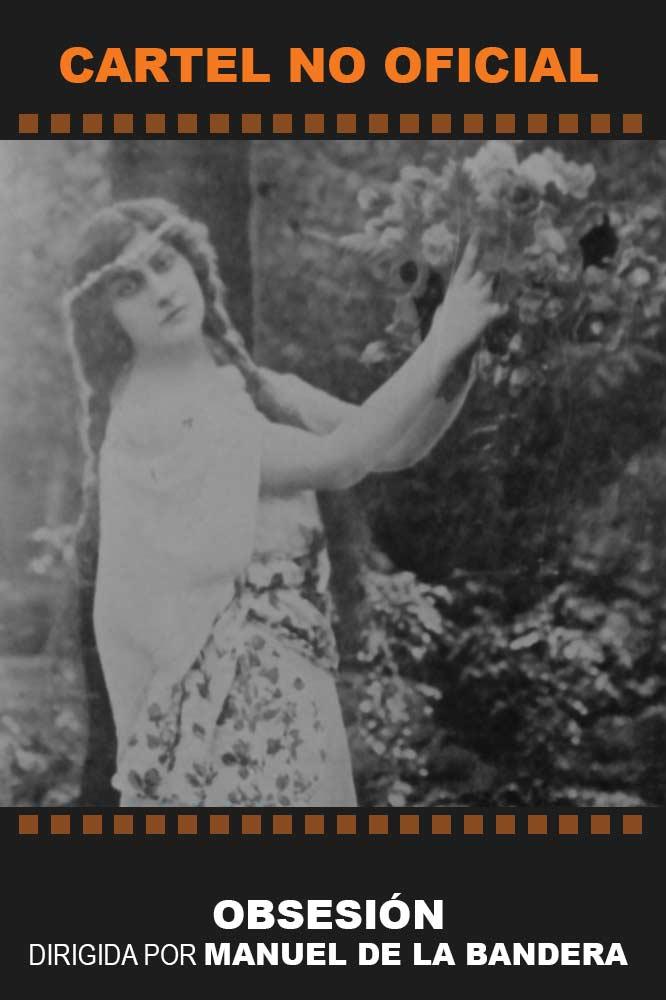
Cult cinema often thrives on social inversion, and few films illustrate this as bizarrely as The Slim Princess (1920). Set in the fictional land of Morevana, where obesity is the ultimate standard of beauty and thinness is a shameful deformity, the film is a biting satire on cultural standards. The 'slim princess' Kalora is a social pariah, a character who would find a home in any modern cult film celebrating the 'other.' This inversion of societal norms is a powerful tool in the cult filmmaker’s arsenal, challenging the audience to see the world through a distorted, yet revealing, lens.
The film’s humor and its commentary on the arbitrary nature of beauty remain shockingly relevant. By making the 'normal' (a thin woman) the 'deviant,' it forces a confrontation with the viewer's own biases. This is the essence of the cult experience: the celebration of the misfit. Whether it is Kalora in Morevana or the waif Jean in The Adventures of a Madcap, these characters represent a rebellion against the homogenized expectations of the masses.
Surrealism in the Silent Wood: Nymphs, Gods, and the Avant-Garde
Before the surrealists officially claimed cinema as their own, F.W. Murnau was experimenting with the ethereal and the uncanny in Die Insel der Seligen (1913). Filled with nymphs, gods, and 'foul play,' the film is a dreamlike excursion into the mythological. It represents the visual anarchy that defines early cult cinema—a rejection of linear, grounded storytelling in favor of atmosphere and symbolic resonance. The imagery of gods interacting with mortals in a liminal space prefigures the psychedelic cult films of the 1960s and 70s.
The Mythic Underground
The power of Die Insel der Seligen lies in its ability to transport the viewer to a world governed by different logic. This 'otherworldliness' is a key draw for cult audiences seeking an escape from the mundane. Similarly, the spiritual conflict depicted in The Warfare of the Flesh (1917) utilizes allegory to explore the eternal struggle between the soul and the carnal. These films weren't just entertainment; they were cinematic séances, attempting to manifest the invisible on screen.
Mechanical Absurdity: The Technical Cult of Buster Keaton
While often categorized as pure comedy, the works of Buster Keaton, specifically The Scarecrow (1920), possess a mechanical surrealism that borders on the cultic. The 'inventive farmhands' who live in a house where every object serves multiple, automated purposes represent a fascination with the man-machine interface. The precision of the gags and the cold, deadpan delivery of Keaton create a tone that is both hilarious and slightly unsettling. It is a technical masterpiece that appeals to the 'gearhead' side of cult fandom—those who appreciate the craft as much as the content.
The house in The Scarecrow is a character in its own right, a labyrinth of strings and pulleys that subverts the traditional domestic space. This subversion is a recurring theme in cult cinema, where the home—usually a place of safety—becomes a site of chaos or transformation. Keaton’s ability to turn the mundane into the miraculous is what makes his work endure as a primary influence on the visual language of the unconventional.
The Dark Side of the Pearl: Mystery and Moral Gray Areas
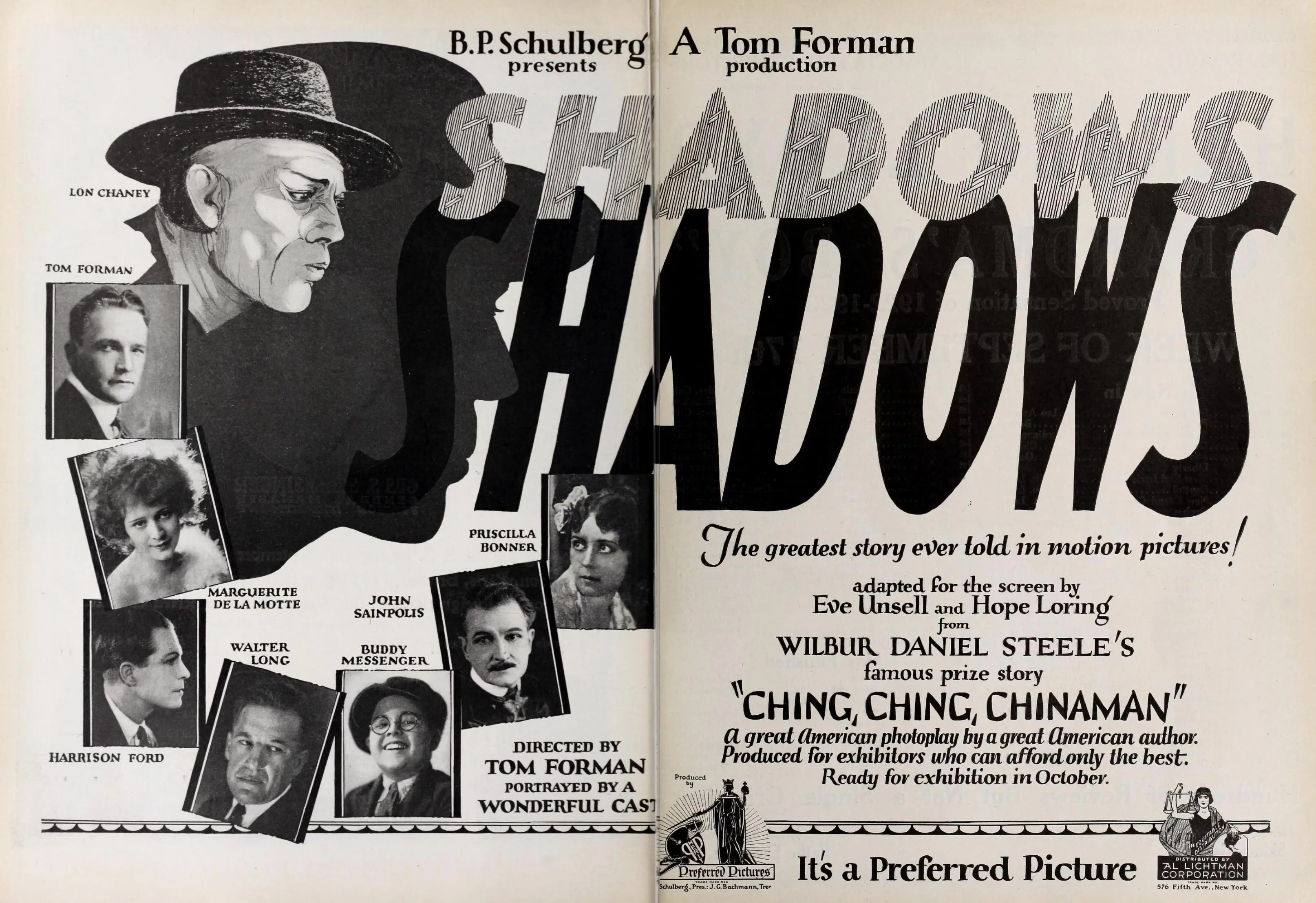
Cult cinema is frequently drawn to the 'noir' before noir existed. The Blue Pearl (1920) and The Black Night (1916) are prime examples of early genre-bending that prioritized atmosphere over moral clarity. In The Blue Pearl, the story revolves around a stolen jewel and a gigolo living off his wealthy wife—a cynical, gritty premise for the era. Meanwhile, The Black Night features a lord who changes places with a dead jewel thief to steal back incriminating letters. These plots are fueled by identity fluidly and moral desperation, themes that would later become staples of cult crime thrillers.
The fascination with the 'criminal' as a protagonist is a cornerstone of the cult ethos. We are drawn to characters like Tore in È piccerella, who steals his mother’s jewels to impress a woman, or the con artists in The Scarlet Car. These are not heroes; they are desperate, flawed individuals operating on the fringes of society. Their stories provide a catharsis for the audience, allowing us to explore the darker impulses of the human condition within the safety of the cinema.
The Documentary as Cult Artifact
Even the world of non-fiction has its cult corners. Early documentaries like Nature's Handiwork and My Barefoot Boy serve as strange, time-capsule artifacts. Nature's Handiwork, with its detailed exploration of the life cycle of caterpillars, possesses a hypnotic, almost alien quality when viewed today. These films remind us that the world itself is full of 'cult' phenomena—strange, beautiful, and often overlooked processes that defy our everyday understanding.
The Power of the Forgotten
Why do we return to these forgotten reels? Because they represent a time of unfiltered creativity. Before the industry became a science of demographics and opening weekends, filmmakers were throwing everything at the screen to see what would stick. A film like The Scottish Covenanters, with its focus on religious rebellion, or Desperate Trails, an early John Ford western that puts its protagonist in jail for a lie, shows a willingness to experiment with narrative stakes that feel fresh even a century later.
Conclusion: The Eternal Flame of the Fringe
The lineage of cult cinema is not a straight line, but a tangled web of influences, accidents, and acts of defiance. From the mind-reading rays of Hungarian sci-fi to the mechanical ballets of Buster Keaton, the 'cult' spirit has always been about finding beauty in the bizarre and truth in the transgressive. As we continue to dig through the archives of the silent era, we find that the 'midnight movie' was never a time of day—it was a state of mind. These 50 films are not just historical footnotes; they are the embers that keep the fire of unconventional cinema burning bright. They remind us that as long as there are filmmakers willing to step outside the lines, there will be audiences waiting in the dark to worship their visions.
Community
Comments
Log in to comment.
Loading comments…