
Cult Cinema
The Celluloid Labyrinth: Navigating the Twisted Paths and Enduring Charms of Cult Cinema

“Dive into the enigmatic world of cult cinema, exploring its historical roots, its rejection of mainstream norms, and the profound connection it fosters with its devoted audience, turning cinematic outcasts into timeless icons.”
In the vast, sprawling landscape of cinematic history, certain films defy easy categorization. They are not merely blockbusters or critical darlings; they are something more, something deeper, something that resonates with a particular frequency only heard by a devoted few. This is the realm of cult cinema – a fascinating cultural phenomenon that transforms obscure, unconventional, or even initially maligned works into objects of intense veneration. It’s a journey into the celluloid labyrinth, a winding path where the rules of commercial success are irrelevant, and the only compass is the collective heart of a passionate fandom.
What defines a cult film? It’s rarely about box office receipts or critical acclaim upon release. Instead, it’s about an enduring appeal that blossoms over time, often in the shadows of mainstream attention. These are the films that find their tribe, speaking a secret language to audiences hungry for something different, something authentic, something that mirrors their own outsider sensibilities. From midnight screenings to passionate online communities, cult films forge unbreakable bonds, transforming passive viewers into active participants in a shared experience.
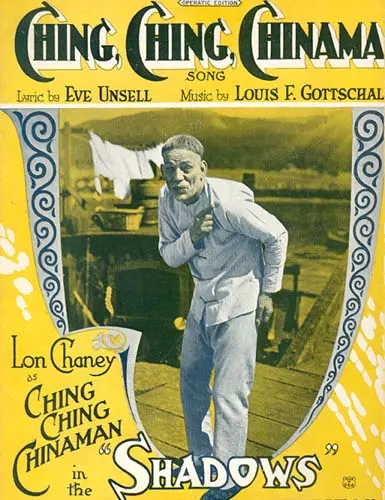
The Proto-Cults: Unearthing Early Cinema's Maverick Seeds
While the term 'cult film' gained prominence with the rise of midnight movies in the 1970s, its ancestral roots stretch back to the very dawn of cinema. Even in the silent era, amidst the rapid development of narrative conventions, there were films that pushed boundaries, explored taboo subjects, or simply possessed a unique, often unsettling, aesthetic that set them apart. These were the proto-cults, laying the groundwork for the unconventional narratives and characters that would later define the genre.
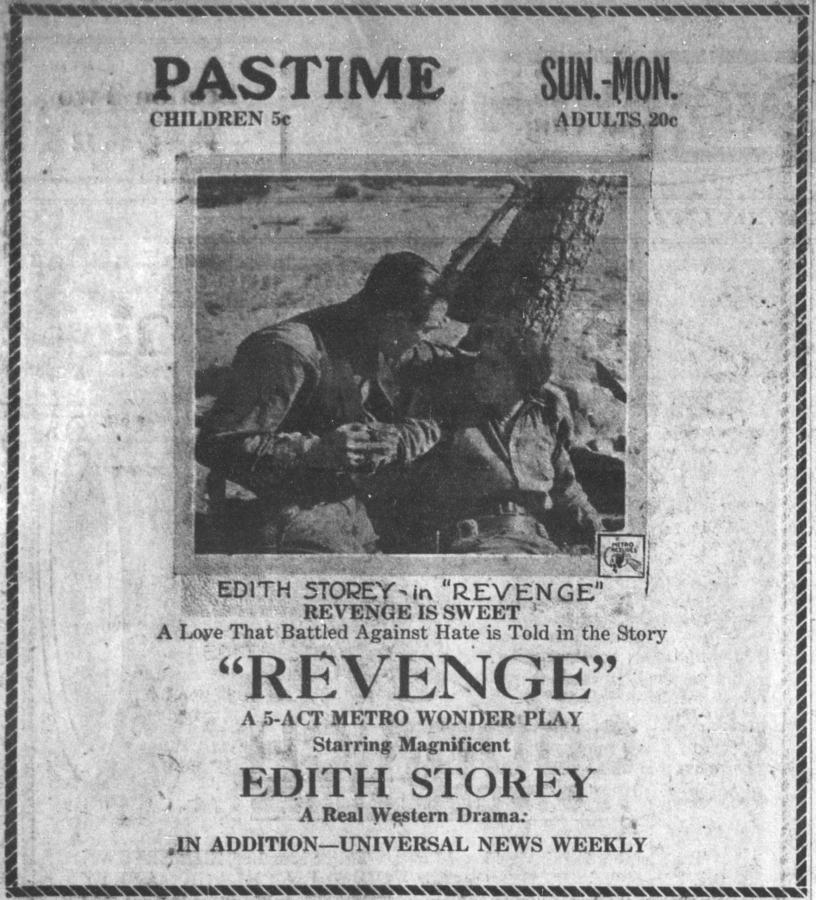
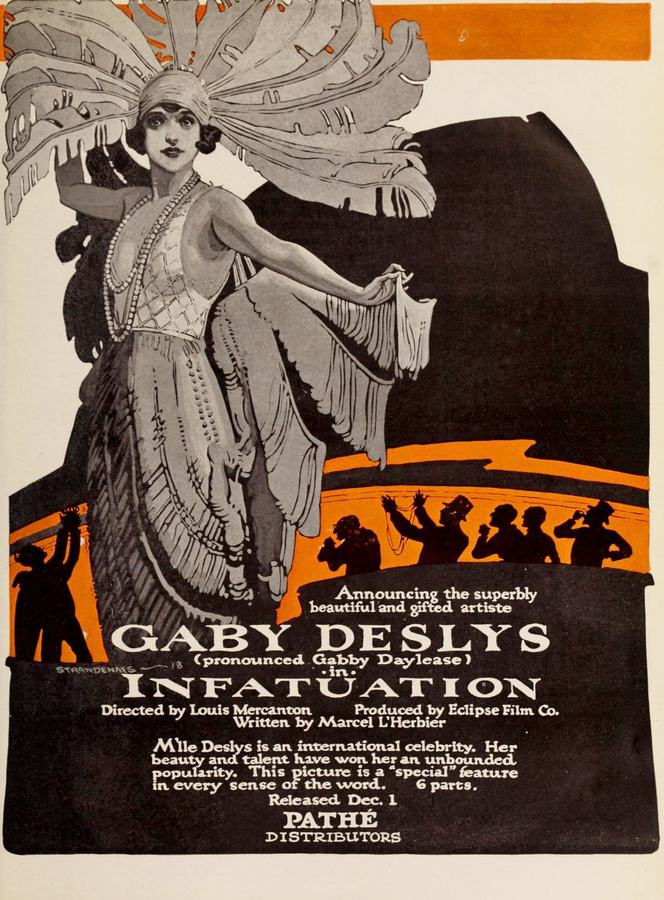
Consider the silent dramas that dared to delve into the darker corners of human nature. Films like The Test of Honor, where a wrongfully imprisoned man seeks revenge, or The Painted Madonna, which explored themes of social ostracization and hidden guilt, offered narratives that challenged conventional morality. These weren't always comfortable stories, but their willingness to confront difficult subjects, even within the nascent constraints of the medium, hinted at a desire for more complex, less sanitized storytelling. Similarly, Infatuation, with its tale of a struggling flower girl and a predatory landlord, touched upon themes of class struggle and moral compromise that would resonate with audiences seeking reflections of societal realities, however harsh.

The early Westerns and action films also contributed to this nascent rebellious spirit. The Eagle, featuring a protagonist who turns to thievery to exact justice against a corrupt mining company, presented an anti-hero archetype that challenged simplistic notions of good and evil. This character, a rebel with a cause, prefigured countless cult figures who operate outside the law but within their own moral code. Even seemingly straightforward genre pieces like Riding with Death, with its tale of vengeance in the Texas Rangers, contained elements of uncompromising justice that could appeal to audiences looking for a more visceral cinematic experience.
Characters on the Fringe: Empathy for the Outcast
A hallmark of cult cinema is its profound empathy for characters who exist on the fringes of society. These are the misfits, the rebels, the misunderstood. Early films were replete with such figures. Uno de abajo, a Mexican drama exploring the devastating effects of alcoholism on a poor family and the exploitation of a young girl by a white slave trader, tackled grim social issues with a raw intensity that would have resonated deeply with audiences seeking social commentary. The eldest son's struggle to protect his sister epitomizes the fight against systemic injustice – a theme that runs through much of cult cinema.
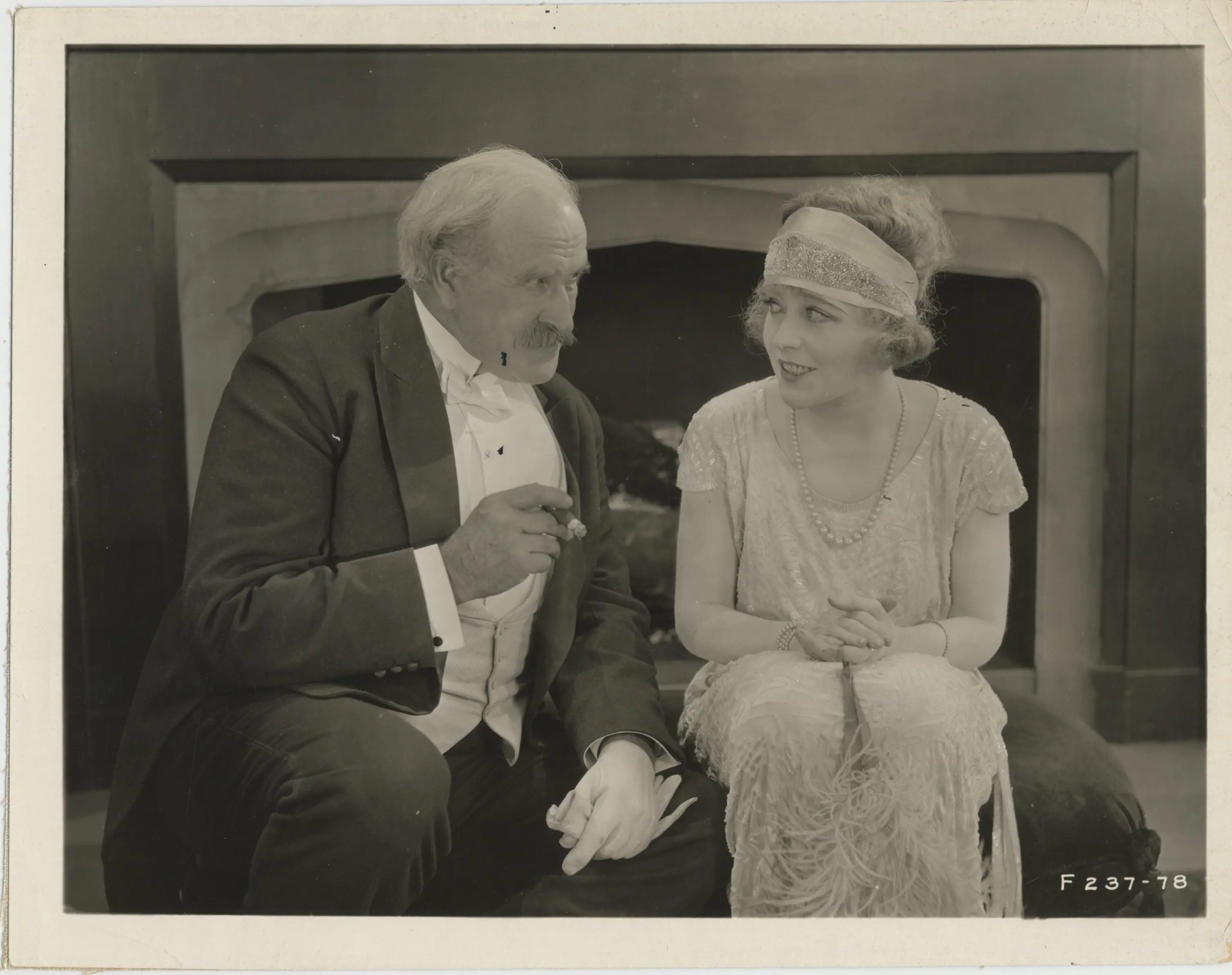
Similarly, Kindred of the Dust, depicting a woman ostracized after discovering her husband is a bigamist, speaks to the harsh judgments of society and the resilience of the human spirit. Her journey back to her logging town and her struggle for acceptance, despite the prejudices she faces, is a powerful narrative of the outsider's plight. These characters, in their struggle against societal norms and personal tribulations, often become mirrors for audiences who feel similarly disconnected or misunderstood.
Even within comedies, an unconventional spirit could be found. Buster Keaton's The Boat, a short film about a series of escalating maritime disasters, showcases a uniquely deadpan, often absurd, brand of humor that finds its own dedicated following. Keaton's stoic resilience in the face of chaos is a form of rebellion against narrative predictability, offering a different kind of cinematic pleasure that favors visual gags and physical comedy over traditional storytelling arcs.
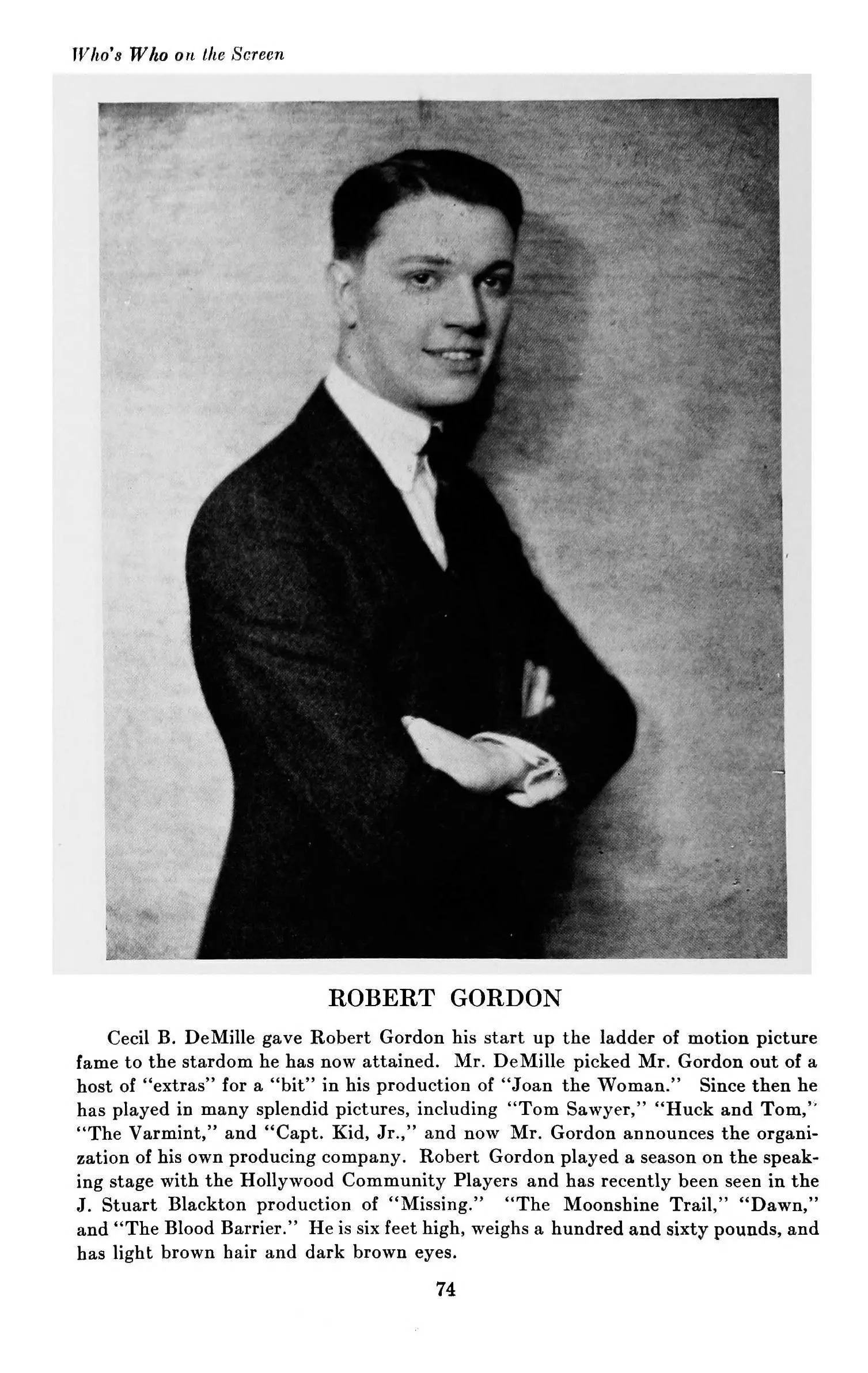
The Allure of Transgression: Challenging Norms
Cult films often revel in transgression, pushing against the moral, aesthetic, or narrative boundaries of their time. This defiance can manifest in various ways: explicit content, controversial themes, or simply a refusal to conform to popular storytelling conventions. In the early 20th century, even subtle deviations could be considered bold.
Consider films that explored complex or morally ambiguous relationships. Monna Vanna, a drama of love, war, and moral dilemmas, or The Prince Chap, which delves into an artist torn between an old flame and an adopted daughter, presented emotional complexities that went beyond simple romance. These narratives, with their nuanced portrayals of human desire and conflict, invited audiences to grapple with challenging ethical questions, fostering a deeper, more intellectual engagement than typical melodramas.
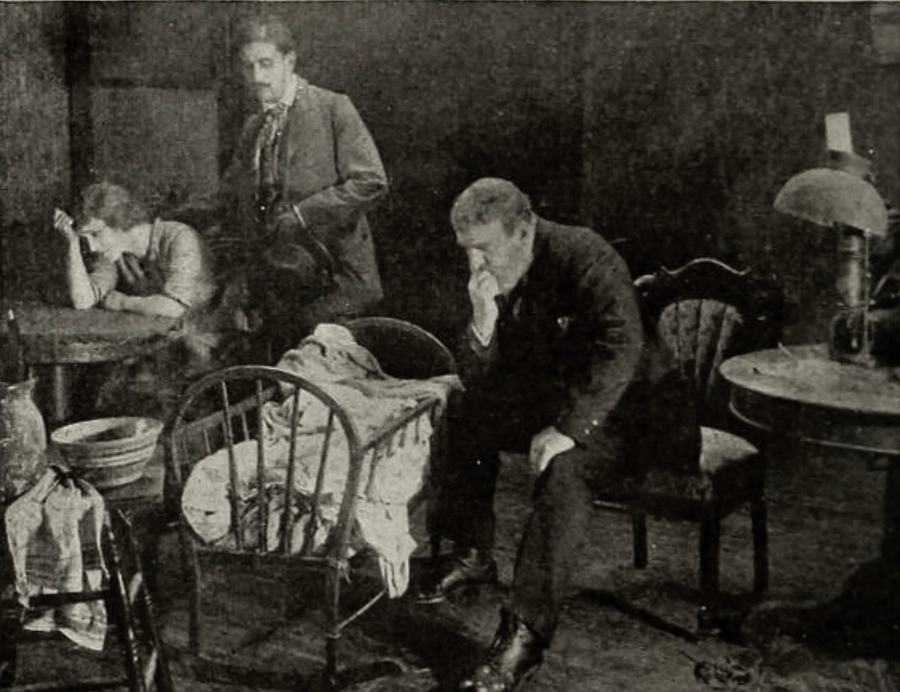
The idea of female agency and rebellion, however subtle, also appears. Stepping Out, where a wife takes revenge on her philandering husband by pursuing his employer, showcases a degree of female assertiveness that might have been considered audacious for its era. Similarly, The Deadlier Sex, featuring a woman taking over her father's railroad and engaging in ruthless competition, including kidnapping, presented a female protagonist who utterly defied traditional gender roles, embodying a fierce independence that would resonate with audiences seeking empowering, albeit unconventional, heroines.
Even the depiction of greed and obsession, as seen in Pink Gods, where a diamond mine owner’s fear of theft and mistrust of women drives the plot, tapped into darker psychological currents. Films that dared to explore the less savory aspects of human nature, rather than shying away from them, often found an audience drawn to their unflinching realism, however stylized.
The Craft of the Unconventional: Aesthetic and Narrative Innovation
Beyond theme, cult films often distinguish themselves through their unique aesthetic or narrative structure. They might be visually striking, experimental, or simply possess a distinct voice that sets them apart. Early cinema, in its formative years, was a hotbed of experimentation, and many films, by virtue of their novelty or their creators' individual vision, possessed a raw, unconventional charm.
Films like Markens grøde (Growth of the Soil), based on Knut Hamsun's Nobel Prize-winning novel, offered a profound criticism of industrialization and urbanization, presenting a narrative deeply rooted in the land and traditional values. Its deliberate pace and thematic weight would have distinguished it from more commercial fare, appealing to those seeking artistic depth and social commentary. The very act of adapting such a profound literary work for the screen, with its inherent challenges, speaks to an ambition that often characterizes cult efforts.
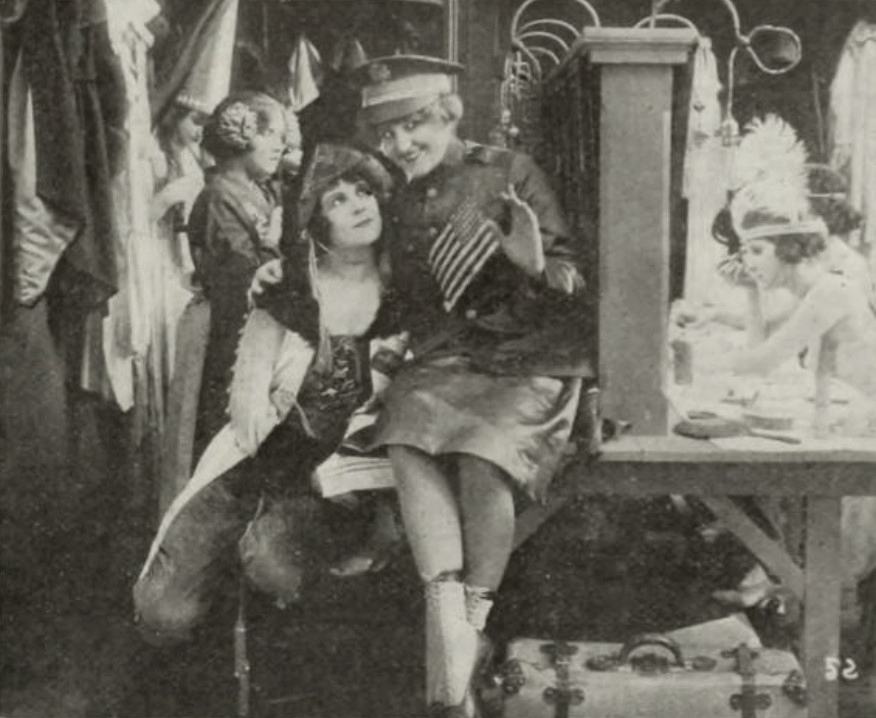
Even seemingly simple narratives could be elevated by a unique directorial vision or an unexpected twist. The early shorts, like His Musical Sneeze or Girlies and Grubbers, while perhaps not 'cult' in the modern sense, represent a period of boundless creativity where filmmakers were still defining the language of cinema. Their quirky premises and often surreal humor laid some foundational stones for the eccentricity and genre-bending that would later be embraced by cult audiences.
The documentary-drama hybrid of The Cavell Case, recounting the true story of a British nurse in the WWI underground, or El drama del 15 de Octubre, a reconstruction of a political assassination, demonstrate an early fascination with realism and historical events. These films, while serving a different purpose than pure entertainment, offered a unique intensity and a connection to real-world gravity that could captivate audiences looking for more than escapism. Their historical significance and unique approach to storytelling contribute to their enduring fascination.
The Power of Discovery and Shared Experience
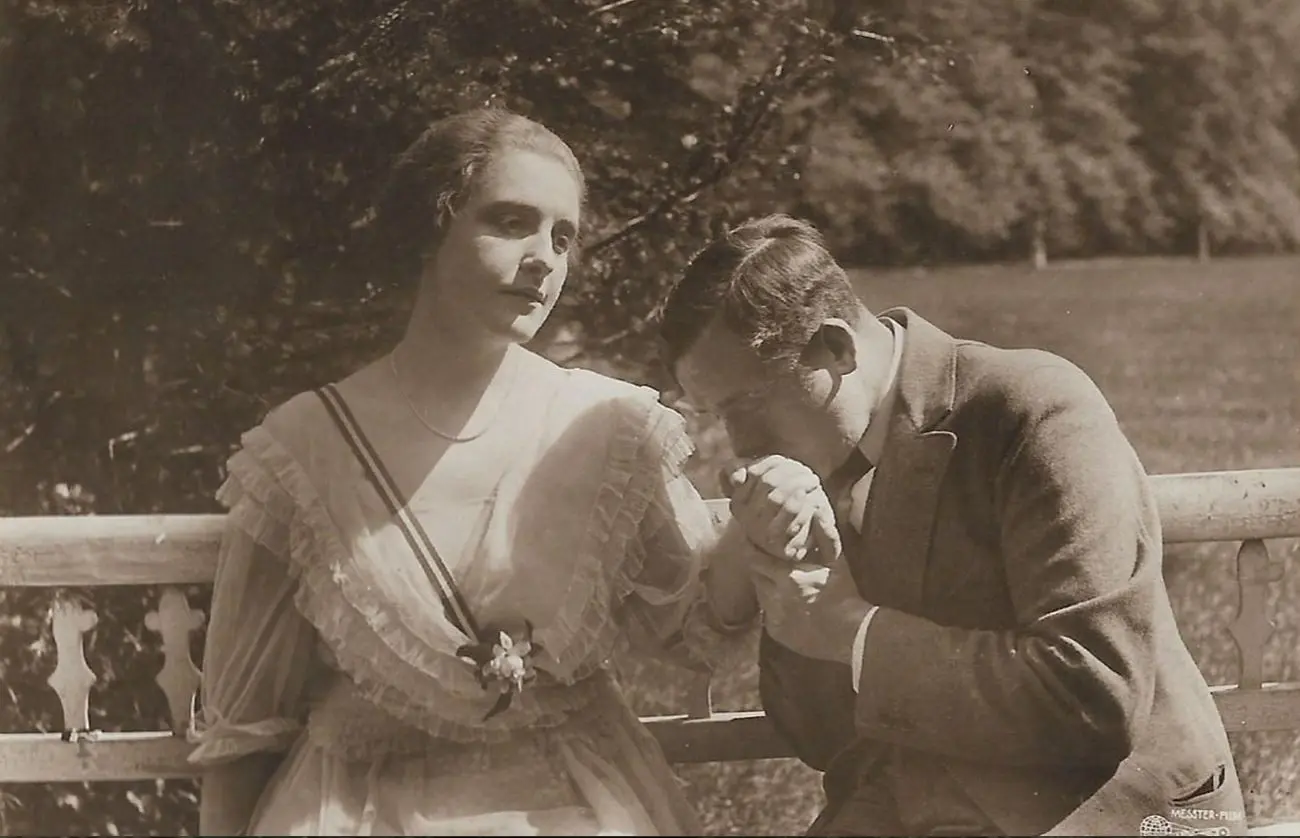
A crucial element of cult cinema is the act of discovery. These are often films that weren't initially widely seen or understood, but through word-of-mouth, repeat viewings, and dedicated advocacy, they find their audience. This sense of 'unearthing' a hidden gem creates an immediate bond among viewers, turning them into a kind of secret society.
Imagine audiences in the early 20th century stumbling upon films that resonated with their personal experiences or challenged their perspectives. A film like A Daughter of the West, a drama of family betrayal and new beginnings, or The Gilded Youth, exploring class and ambition, might have spoken to individuals grappling with similar societal pressures. The shared experience of watching such a film, perhaps discussing its themes and characters with friends, was the primordial soup from which modern cult fandom would emerge.
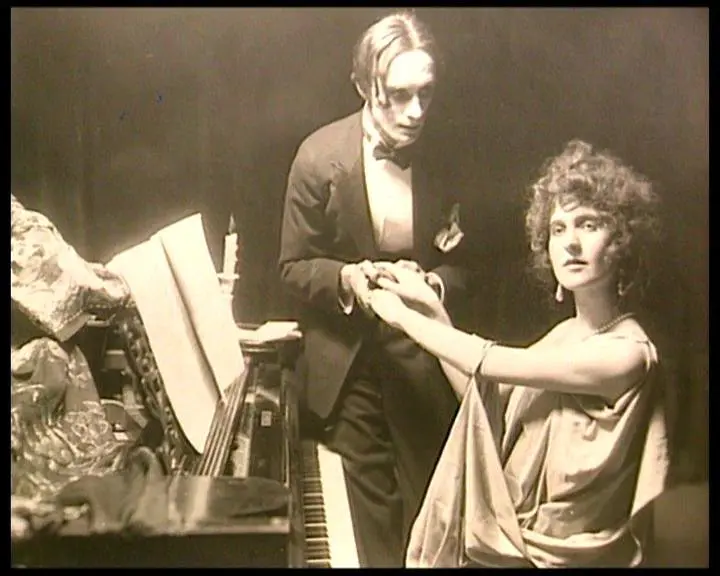
The repetitive viewing, the quoting of lines, the dressing up, the communal screenings – these are the rituals of cult fandom. While these explicit rituals are more associated with later 'midnight movie' phenomena, the underlying human desire for shared interpretation and communal celebration of unique art has always existed. From the silent era's passionate film buffs dissecting the nuances of Mr. Barnes of New York or the dramatic intensity of Saffo, to modern audiences re-watching their favorite obscure classics, the core impulse remains the same: to connect over something extraordinary and deeply personal.
Enduring Legacy: Why Cult Films Never Die
The enduring legacy of cult cinema lies in its ability to defy time and trends. These films often carry a timeless quality, their themes and characters continuing to resonate across generations, even if their production values or narrative styles are distinctly of their era. They become cultural touchstones, symbols of rebellion, and comfort blankets for those who feel out of step with the mainstream.
Whether it's the sheer spectacle of a film like The Big Show (even if a children's imitation circus, it speaks to universal themes of performance and imagination), the dramatic tension of The Rapids, or the intricate human relationships in I Love You, these films, by virtue of their unique qualities and the audiences they attract, carve out a permanent place in the cinematic consciousness. They remind us that cinema is not just about entertainment; it's about art, identity, and community.
The cult of cinema is a testament to the power of stories that dare to be different. It’s a celebration of the maverick vision, the unconventional narrative, and the unyielding spirit of rebellion. In a world saturated with homogenized content, cult films offer a sanctuary, a secret garden where the weird, the wonderful, and the truly unique can flourish, forever captivating those who seek a deeper, more personal connection with the moving image. They are the cinematic outliers that, against all odds, become legends, proving that sometimes, the most enduring path is the one less traveled.
Community
Comments
Log in to comment.
Loading comments…