
Cult Cinema
The Celluloid Outlaw's Odyssey: Unearthing the Primal Transgressions of Cinema’s First Renegade Wave

“Discover how the silent era's most transgressive and genre-bending films laid the foundation for modern cult cinema through social defiance and narrative anarchy.”
The history of cult cinema is often erroneously traced back to the midnight movie craze of the 1970s, a time of glitter, gore, and transgressive theater. However, the true DNA of the cinematic outlier was spliced much earlier, in the flickering nitrate shadows of the 1910s and 20s. Long before the term 'cult film' entered the lexicon, a wave of renegade filmmakers and narrative misfits were already busy dismantling social mores and experimenting with the surreal. These early works, ranging from psychological melodramas to bizarre comedies, established a blueprint for the midnight mindset that continues to define niche fandom today.
The Genesis of the Genre Maverick
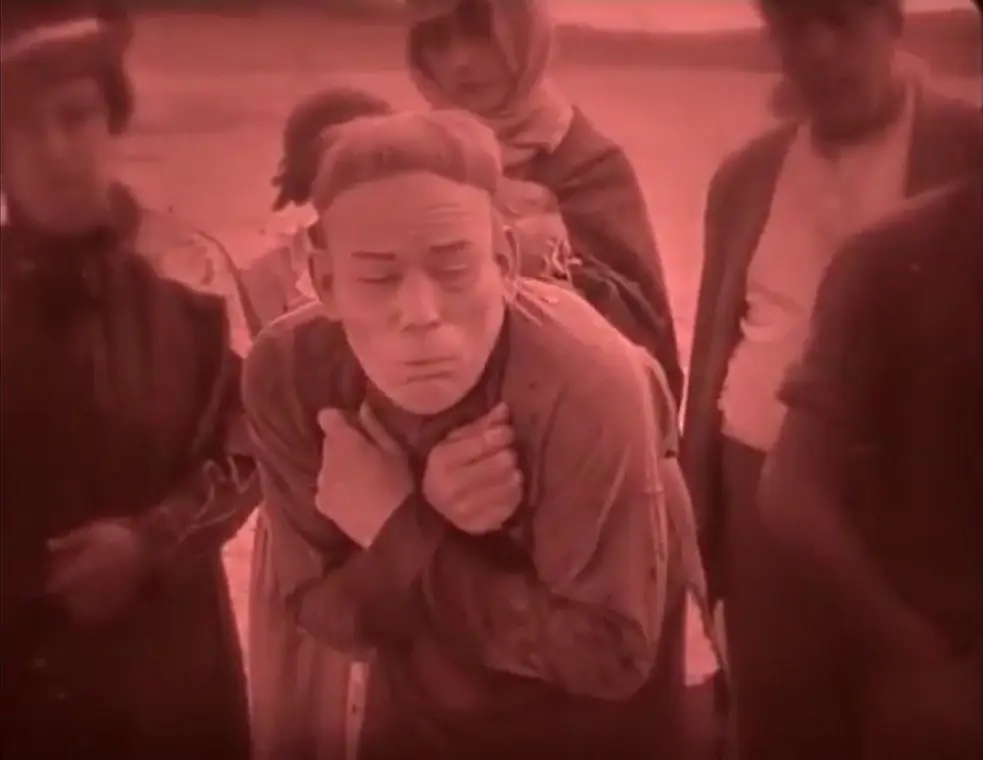
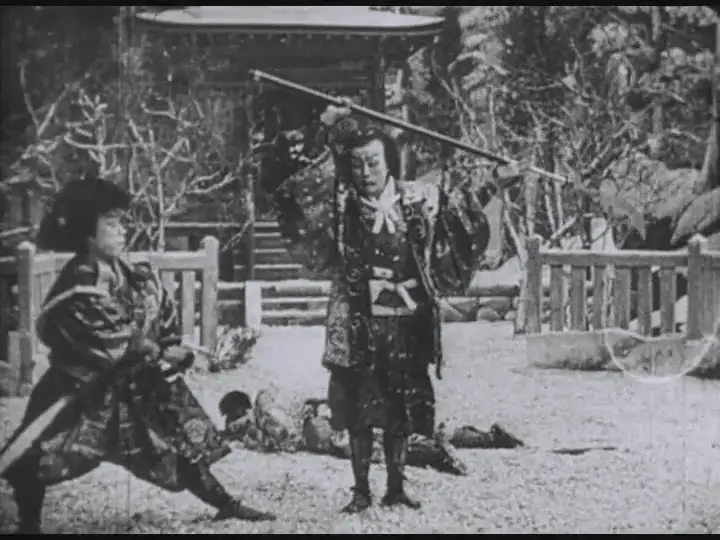
To understand the allure of the unconventional, one must look at the early experiments in genre-bending that confused contemporary audiences but fascinated the fringe. Consider the 1915 curiosity The Dust of Egypt. On the surface, it is a tale of an imperious Egyptian princess awakening from a 3000-year trance to wreak havoc in the modern world. While it ultimately retreats into the safety of a 'dream' sequence, the imagery of the ancient colliding with the modern provided a surrealistic spark that would later ignite the fires of fantasy cultism. This film, much like the legendary ninja adventure Gôketsu Jiraiya, showcased a thirst for the supernatural and the extraordinary that the mainstream industry was not yet ready to fully embrace.
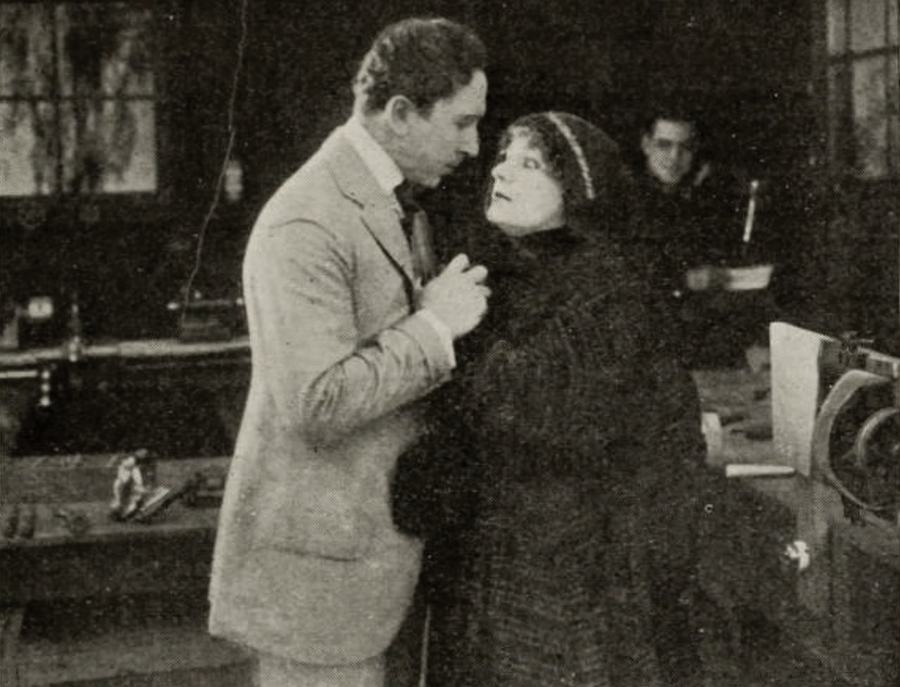
The cult aesthetic is often defined by its refusal to adhere to a singular tone. We see this in Cissy Invades Bohemia, a short that explores the counter-culture of its time through a comedic lens. By placing a character in the midst of 'Bohemia,' the film acknowledges the existence of a social underground, a theme that remains a cornerstone of cult narratives. These films didn't just tell stories; they mapped the territories of the 'other,' providing a sanctuary for viewers who felt out of step with the polished output of the burgeoning studio system.
Moral Deviance and the Architecture of Taboo
The most enduring cult films are those that dare to touch the third rail of social acceptability. In the early 20th century, filmmakers like those behind The Devil's Needle (1916) were already exploring the dark underbelly of society. By centering a plot on a young artist’s descent into addiction and a society girl's flirtation with 'the needle,' the film bypassed the era's moralistic safeguards to present a raw, transgressive vision of human frailty. This is the same spirit that would later animate films like Requiem for a Dream or Trainspotting.

Similarly, Married in Name Only (1917) delved into the terrifying pseudo-science of 'tainted genes' and inherited insanity. By framing a marriage as a ruinous event dictated by biological doom, the film tapped into a primal anxiety that resonated with the disenfranchised. These narratives of narrative anarchy and social pariahs are essential to the cult canon. They refuse the happy ending in favor of a more complex, often unsettling truth. Even in The Monk and the Woman, the clash between sacred vows and profane desire created a tension that felt dangerous to the status quo, cementing its place as a proto-cult artifact.
The Female Renegade: Breaking the Frame
If the cult film is a vessel for the marginalized, then the early depictions of fierce, independent women are its most potent fuel. Hurricane's Gal (1922) presents us with Lola, a 'girl captain of a smuggling schooner' who rules over wild men. This is not the typical damsel of the silent era; she is a progenitor of the 'exploitation' heroine, a woman who takes what she wants and punishes betrayal with a cold, calculated fury. Her character arc mirrors the grit found in Lucille Love: The Girl of Mystery, where the serialized format allowed for a sprawling, enigmatic narrative that kept audiences in a state of perpetual obsession.

Even in more traditional settings, the subversion of identity was present. Bobbie of the Ballet features a young dancer who pretends her siblings are her own children to keep her family together. This performance of identity—a lie maintained for a greater survival—is a recurring motif in cult cinema, where characters must often wear masks to navigate a hostile world. Whether it is the 'fisher-maiden' of The Last Sentence or the 'simple village maiden' of Limousine Life who falls victim to the city's allure, these films explored the friction between the self and the social mask.
Narrative Anarchy and the Comedy of the Absurd
Cult cinema often finds its home in the absurd, where the logic of the everyday is replaced by something more elastic and strange. Flirting with Fate (1916) offers a premise that feels remarkably modern: a depressed man hires a professional killer to end his life, only to change his mind and spend the rest of the film fleeing his own assassin. This dark, existential comedy prefigures the 'black humor' that would become a staple of the midnight movie circuit. It treats death and despair not with heavy-handed moralizing, but with a frantic, kinetic energy.
The same can be said for Two Tough Tenderfeet, which sends its protagonists into a desert filled with lions and 'wild men.' The sheer randomness of the threats and the toughness of the frontier settlement they reach suggest a world where the rules of civilization have completely broken down. This cinematic anarchy is what draws fans to cult films—the sense that anything can happen, and the 'proper' way of storytelling is being gleefully ignored. Whether it's the slapstick chaos of Sis Hopkins or the bizarre adventures in Le peripezie dell'emulo di Fortunello e compagni, the silent era was a playground for the weird.
The Shadow of the Outcast: Legacy of the Silent Misfits
The enduring power of films like The Opened Shutters or The Wood Nymph lies in their focus on the orphan, the hermit, and the social castaway. In The Wood Nymph, the protagonist is raised in the redwoods by a mother who has forsaken civilization. This rejection of the 'modern' world in favor of a primal, untamed existence is a theme that echoes through the decades, finding a home in the counter-culture movements of the 60s and the survivalist cult films of the 80s. The 'weak nature' of the father in The Opened Shutters and the resulting struggle of the orphan Sylvia Lacey highlight a vulnerability that the mainstream often hides, but which cult cinema celebrates.
Even the more traditional dramas of the era, such as The House of Mirth or Silent Years, contributed to the cult psyche by focusing on the crushing weight of social expectation and the 'barren farms' of the soul. When The Millionaire Vagrant accepts a wager to live on six dollars a week, the film isn't just playing with class tropes; it is testing the boundaries of the self, much like the 'millionaire' who becomes a 'champion fighter' in Blue Blazes only to flee the flattery of success for the anonymity of the West.
Conclusion: The Eternal Flicker of the Fringe
The films of the 1910s and 20s—from the mystery of The Trail of the Cigarette to the action-packed frame-ups of KingFisher's Roost—were more than just entertainment; they were the first sparks of a cinematic rebellion. They proved that audiences were hungry for stories that didn't fit into neat boxes, for characters who were morally ambiguous, and for worlds that operated on the logic of dreams and nightmares. As we look back at The Light Within or the tragic sacrifices in Blind Chance, we see the foundation of a community built on the worship of the strange. Cult cinema is not a genre; it is a way of seeing. It is a commitment to the celluloid outlaw, the narrative mutant, and the enduring power of the fringe. These early masterpieces, once forgotten in the vaults of history, are the true ancestors of every midnight movie that has ever made us look twice at the screen.
Community
Comments
Log in to comment.
Loading comments…